Filters

7 filtered results

Clear all filters
Favorites
With answer key
Interactive

7 filtered results

Difficulty Level

Grade


Discover our engaging "Critical Thinking Animals Worksheets" designed for children aged 3-9! These printable resources promote essential cognitive skills while sparking curiosity about the animal kingdom. Each worksheet features fun activities that challenge young learners to analyze, evaluate, and solve problems through animal-related scenarios. Ideal for both classroom use and home learning, our worksheets encourage critical thinking, creativity, and comprehension. Help your child develop a deeper understanding of animals and enhance their problem-solving abilities in a playful manner. Explore our diverse selection today and watch your child’s critical thinking skills soar! Perfect for educators and parents alike!

Check out this FREE Trial Lesson on Animals for age 3-9!

Animal Adaptations

Favorites
With answer key
Interactive
  • 3-9
  • Critical Thinking
  • Animals
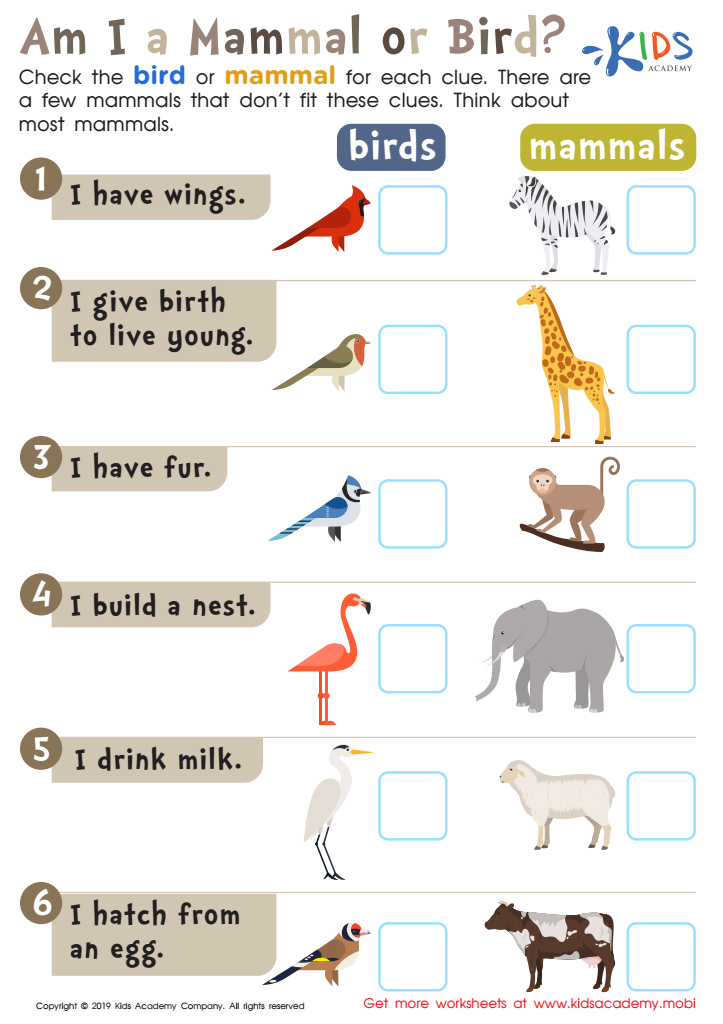
Am I a Mammal or Bird? Worksheet

Am I a Mammal or Bird? Worksheet

We categorize animals into groups such as mammals, birds, reptiles, etc. This worksheet helps kids understand the difference between birds and mammals. Read through the clues and think about each one. Then decide if it describes a bird or mammal, check the box and complete!
Am I a Mammal or Bird? Worksheet
Worksheet
Mountain Animals Worksheet

Mountain Animals Worksheet

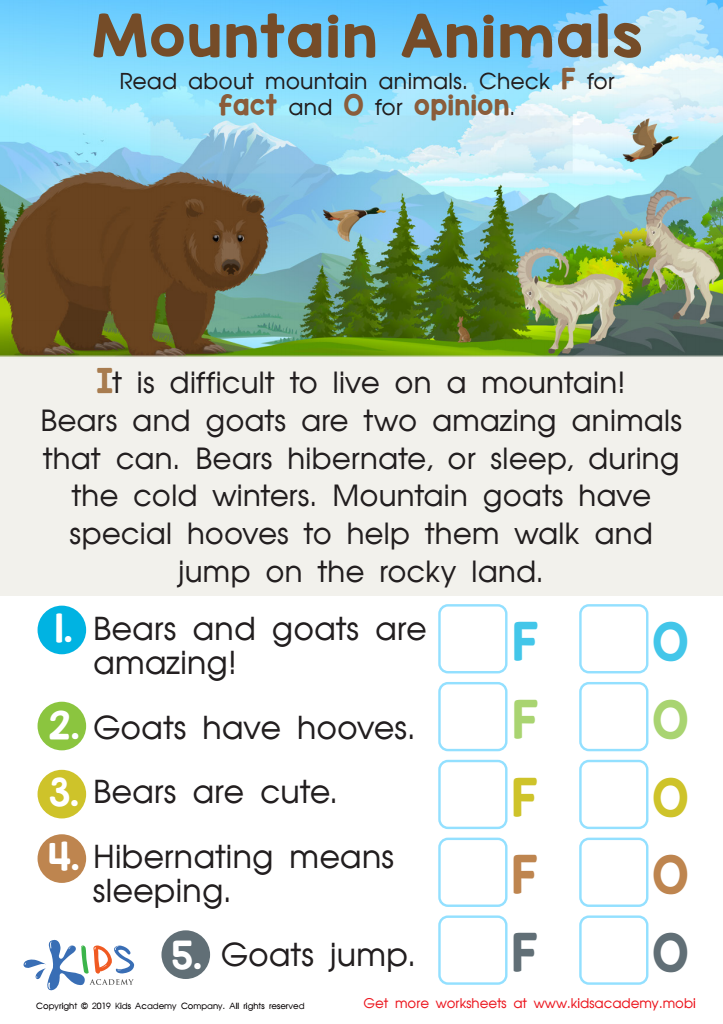
Is mountain wildlife amazing? Fact or fiction? Help your child sharpen critical-thinking skills with this engaging worksheet. Featuring a fun nonfiction passage about animals like bears and goats, your child will read through the text and identify each statement as fact or fiction. Perfect for boosting reading comprehension and analytical abilities!
Mountain Animals Worksheet
Worksheet
Arctic World Worksheet

Arctic World Worksheet

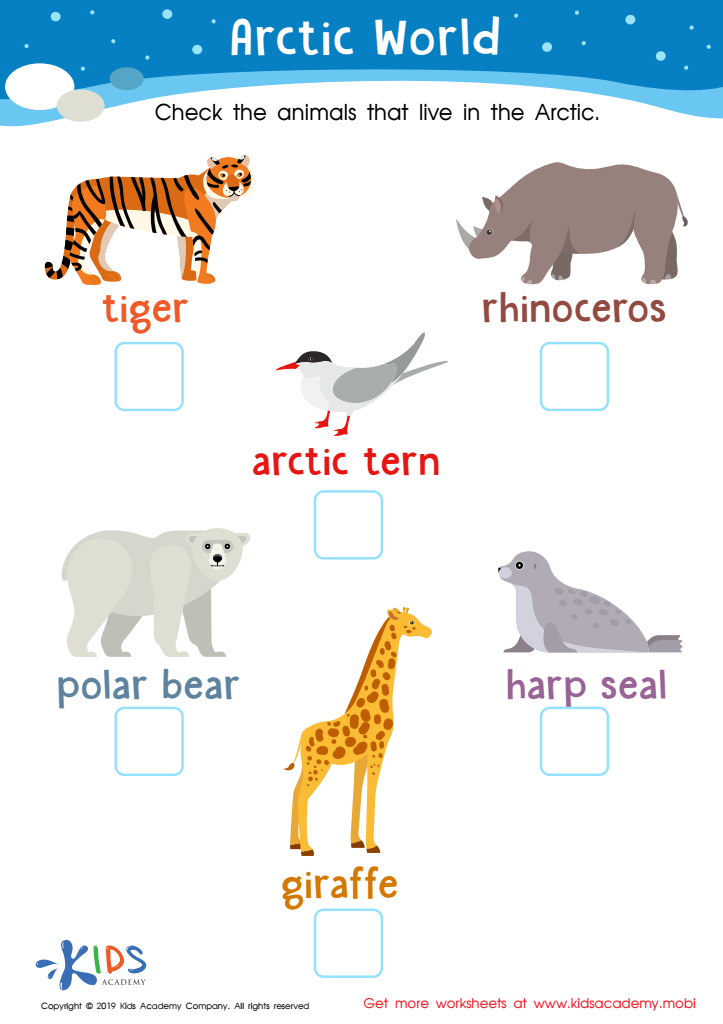
Ask your students if they know where the Arctic is located and what lives there. If not, use a world atlas to show them. The Arctic is very cold and snow-covered; native animals have adapted to survive the harsh conditions. Look at the animals in the worksheet and help your students decide which ones live in the Arctic.
Arctic World Worksheet
Worksheet
Animal Extinction Worksheet

Animal Extinction Worksheet

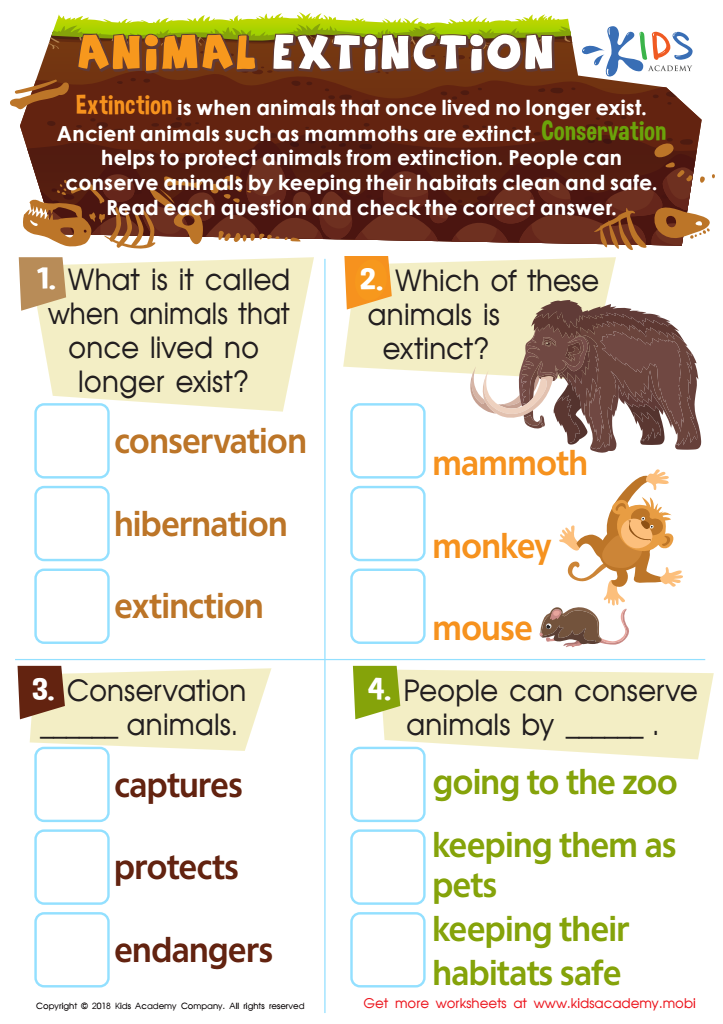
Children can learn how their actions can help endangered animals with this free PDF worksheet. It explains extinction, looks at the mammoth as an example, and poses questions about conservation. Keeping habitats clean and safe is key to protecting animals and keeping them abundant. Learning about this now can make a huge difference for future generations.
Animal Extinction Worksheet
Worksheet
Classifying animals worksheet 2nd grade

Classifying Animals Worksheet

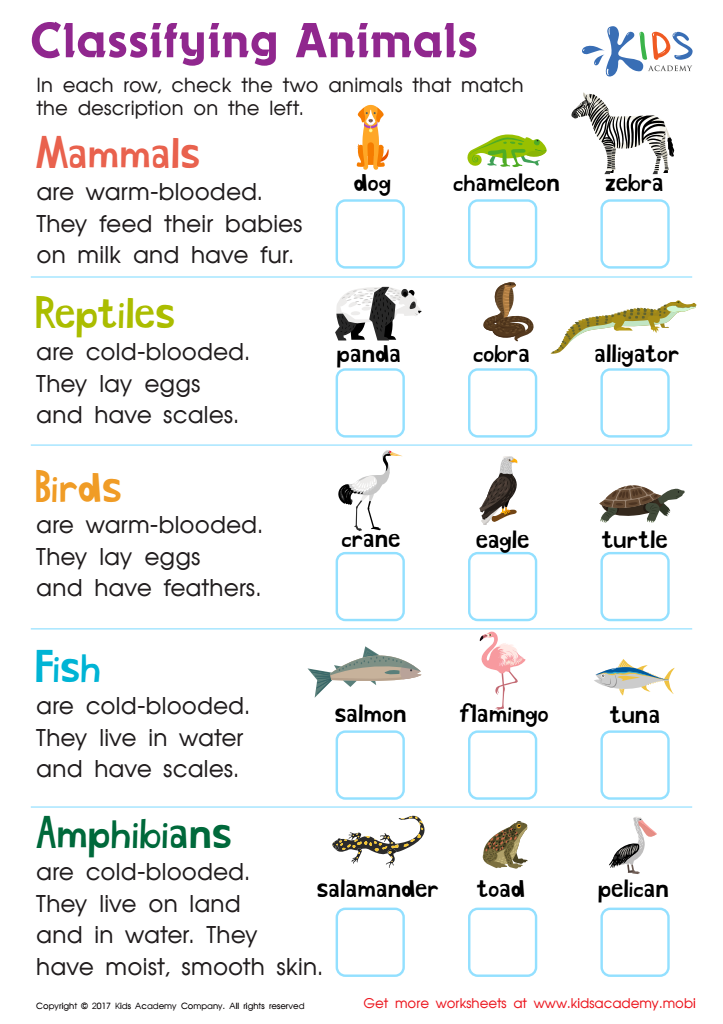
Print the 2nd grade animal classification worksheet and help kids study the differences between mammals, reptiles, birds, fish and amphibians. Let them pick two examples from the options given.
Classifying Animals Worksheet
Worksheet
What Does It Mean? Worksheet

What Does It Mean? Worksheet

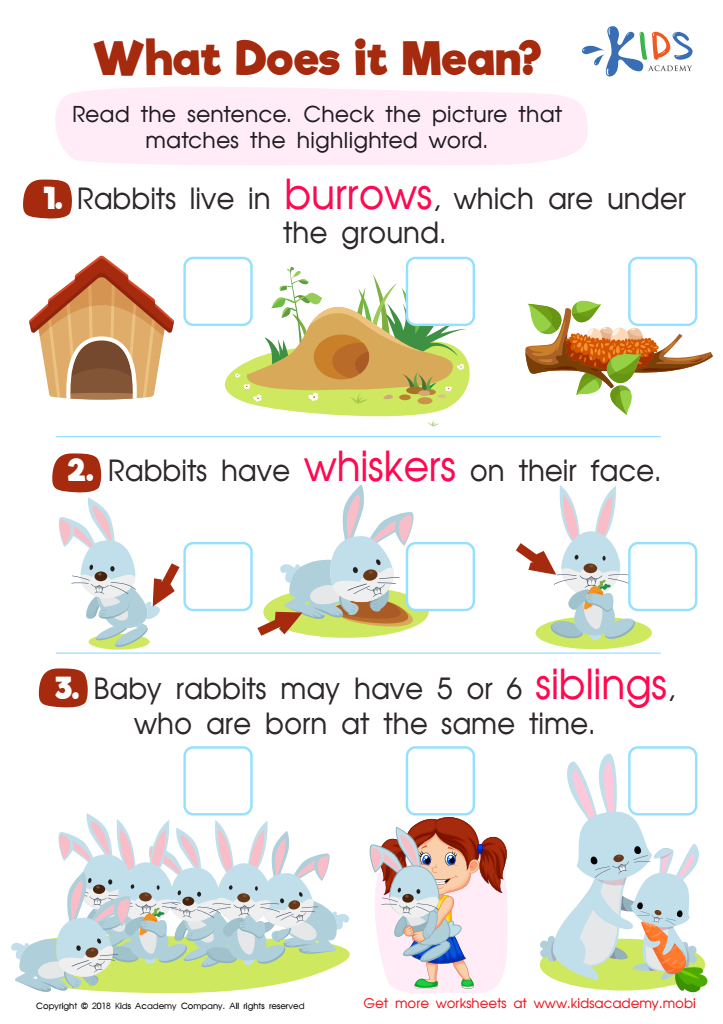
Teach your child to use context clues with this engaging Kids Academy worksheet. Read the sentences and find the pink-highlighted word. Use the other words in the sentence to figure out the meaning, then check the box next to the picture that represents it.
What Does It Mean? Worksheet
Worksheet
Animal Nests Worksheet

Animal Nests Worksheet

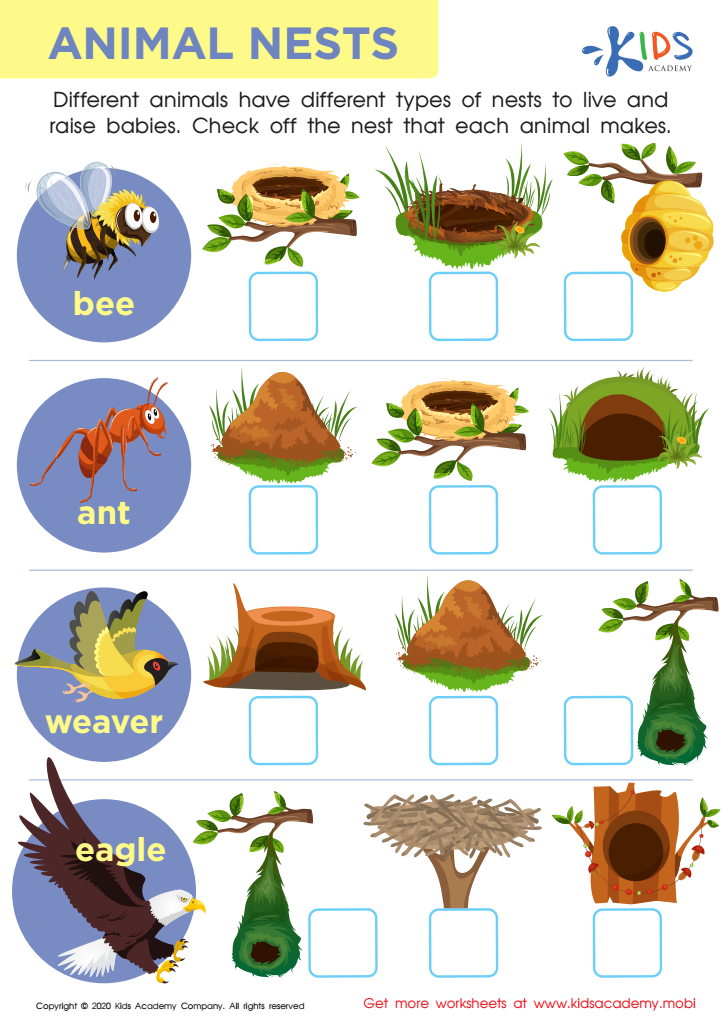
Animals need homes to sleep and stay safe. Look at the animal on the left and examine the nests and hives to the right. Check off the correct one for each animal to complete the worksheet! From birds to bees, it's a great way to show different types of homes animals make!
Animal Nests Worksheet
Worksheet


Parents and teachers should care about Critical Thinking Animals for Ages 3-9 because it fosters essential skills that lay the foundation for lifelong learning. Engaging children with interactive stories that feature animals promotes critical thinking, reasoning, and problem-solving skills. As children navigate through various scenarios and challenges faced by their animal characters, they learn to analyze situations, make decisions, and understand consequences, enhancing their cognitive abilities.

Moreover, these stories can captivate young minds with imaginative plots and relatable characters. As kids become emotionally connected to the animals, they learn empathy and perspective-taking—skills crucial for social development. These narratives encourage discussions about moral dilemmas and ethical choices, empowering children to articulate their thoughts and feelings.

Additionally, incorporating critical thinking activities involving animals taps into children's natural curiosity and fascination with nature and wildlife. This approach makes learning enjoyable and memorable, increasing the likelihood that children will engage in thoughtful exploration throughout their educational journey.

By prioritizing critical thinking from a young age, parents and teachers set children on a path to academic success, enhanced creativity, and informed decision-making, all while nurturing a love for learning in a playful context.