Vocabulary enhancement Science Worksheets for Ages 3-9 - Page 2
50 filtered results
-
From - To
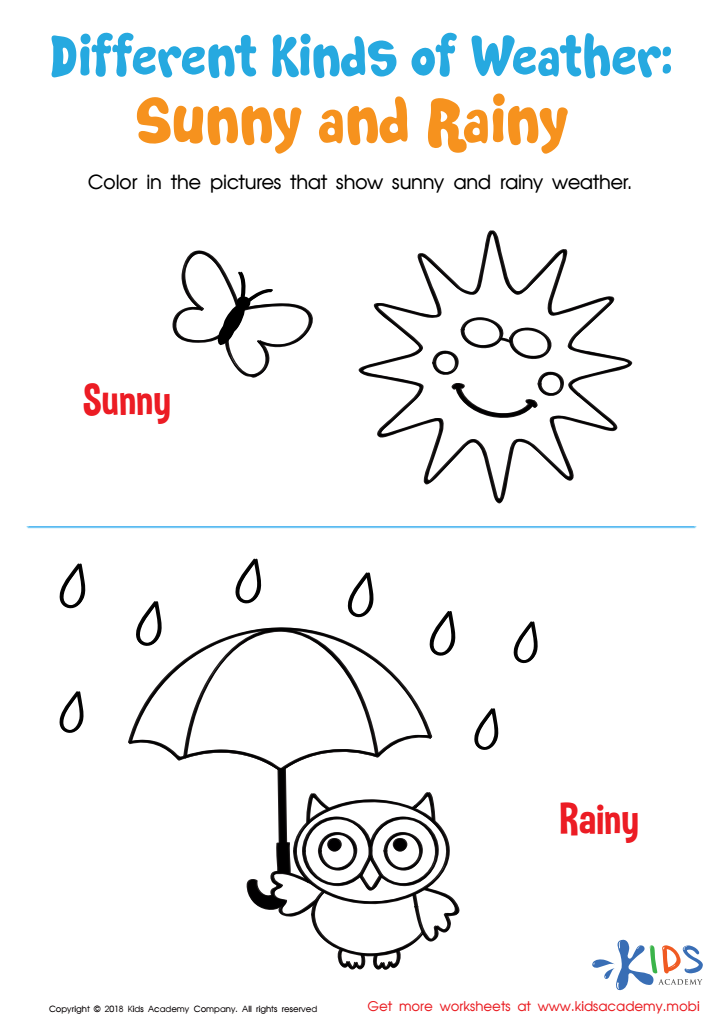
Different Kinds of Weather: Sunny and Rainy Worksheet
 Assign to My Students
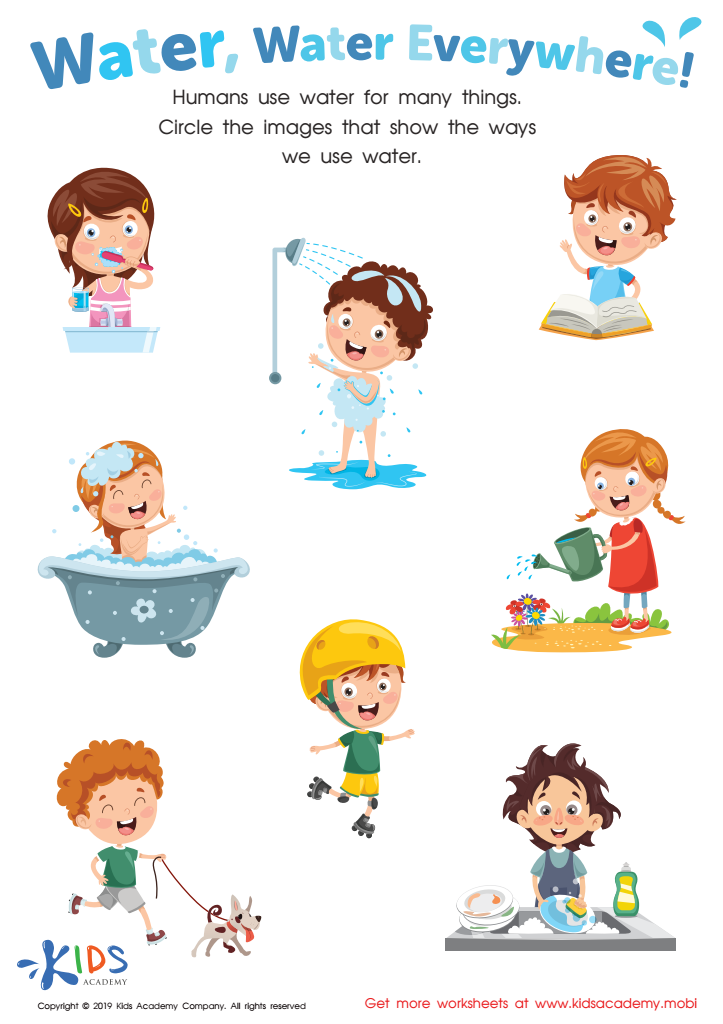
Water, Water Everywhere! Worksheet
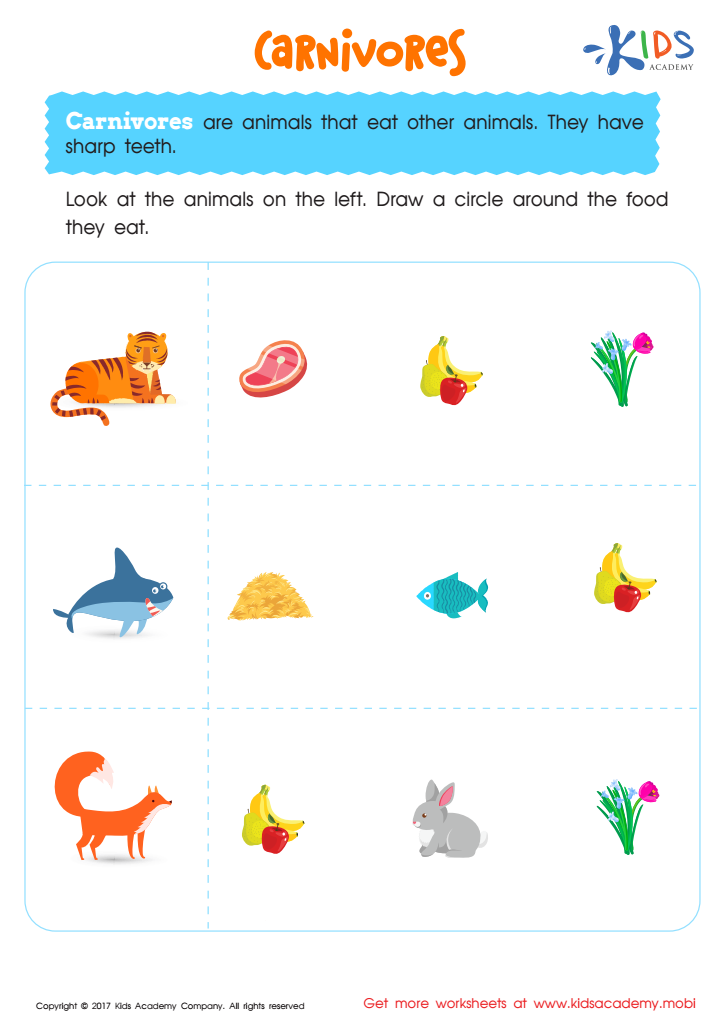
Carnivores Worksheet
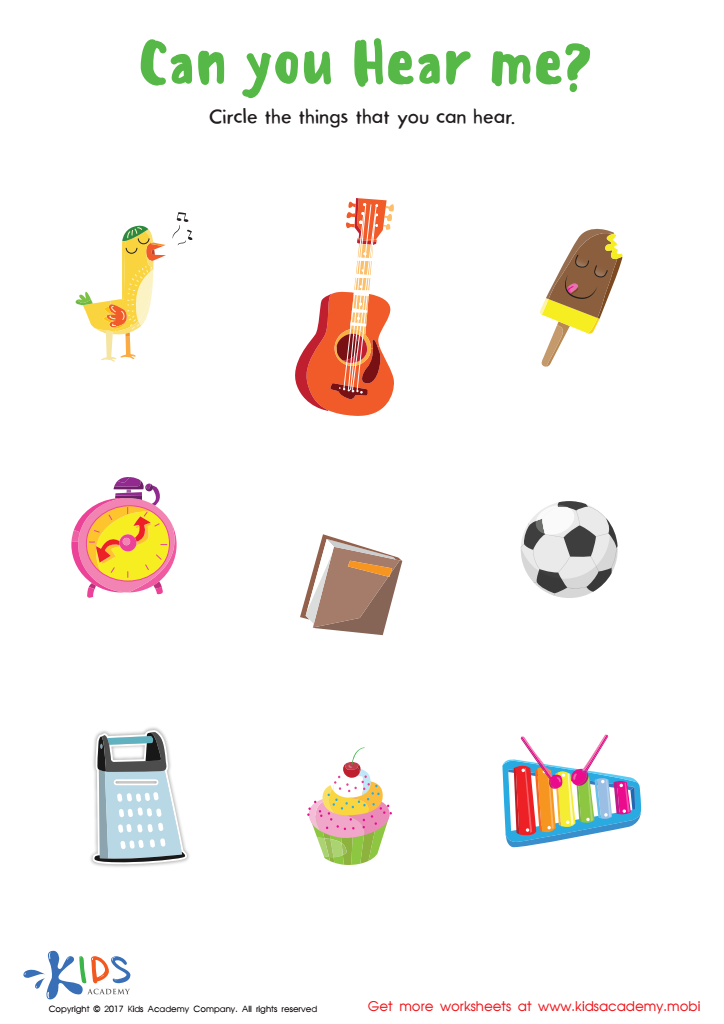
Can You Hear Me Worksheet
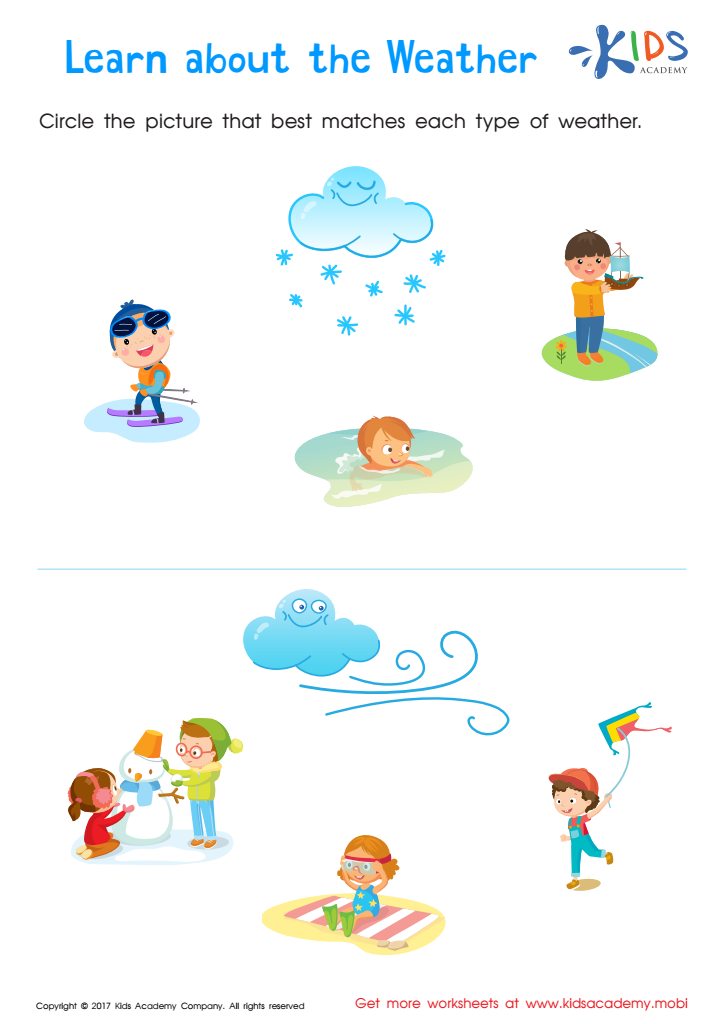
About the Weather Printable
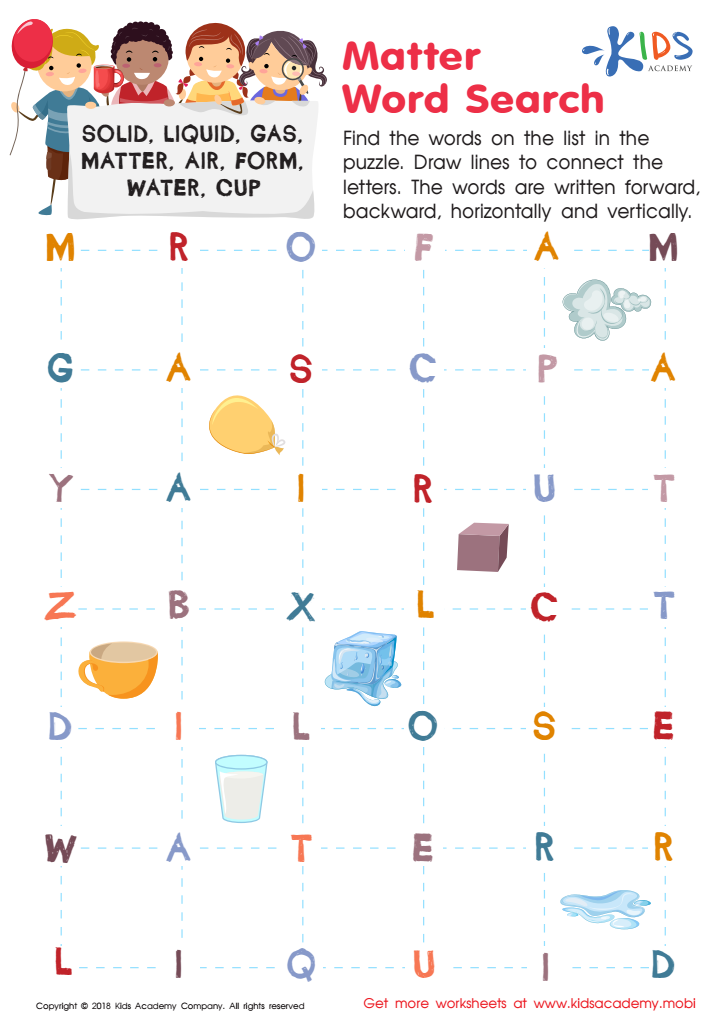
Matter Word Search Worksheet
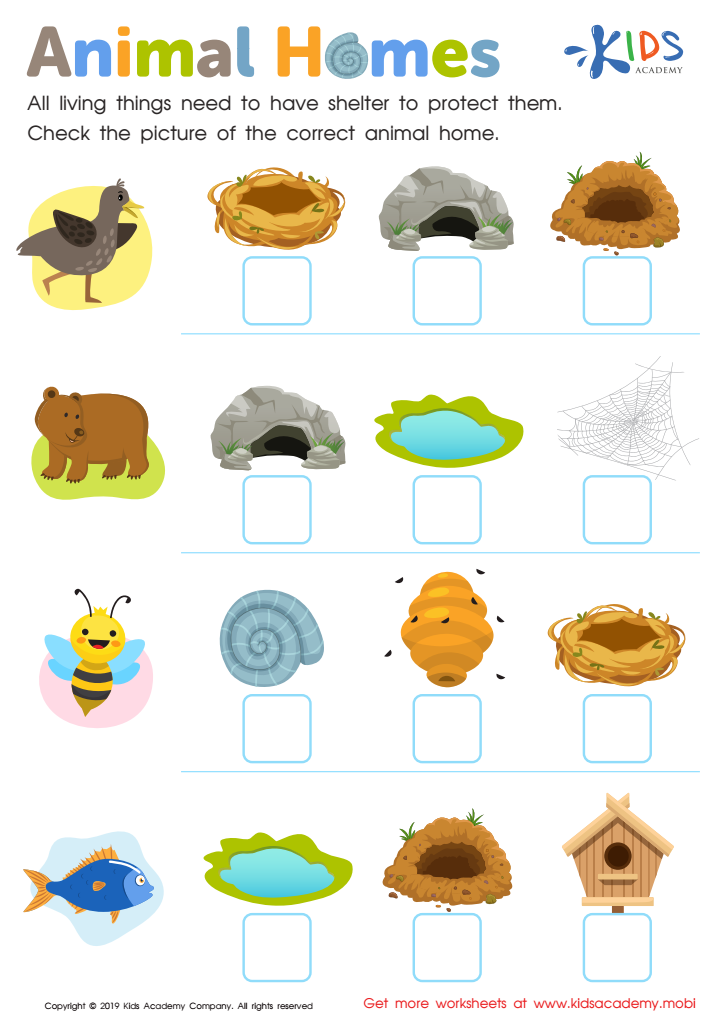
Animal Homes Worksheet
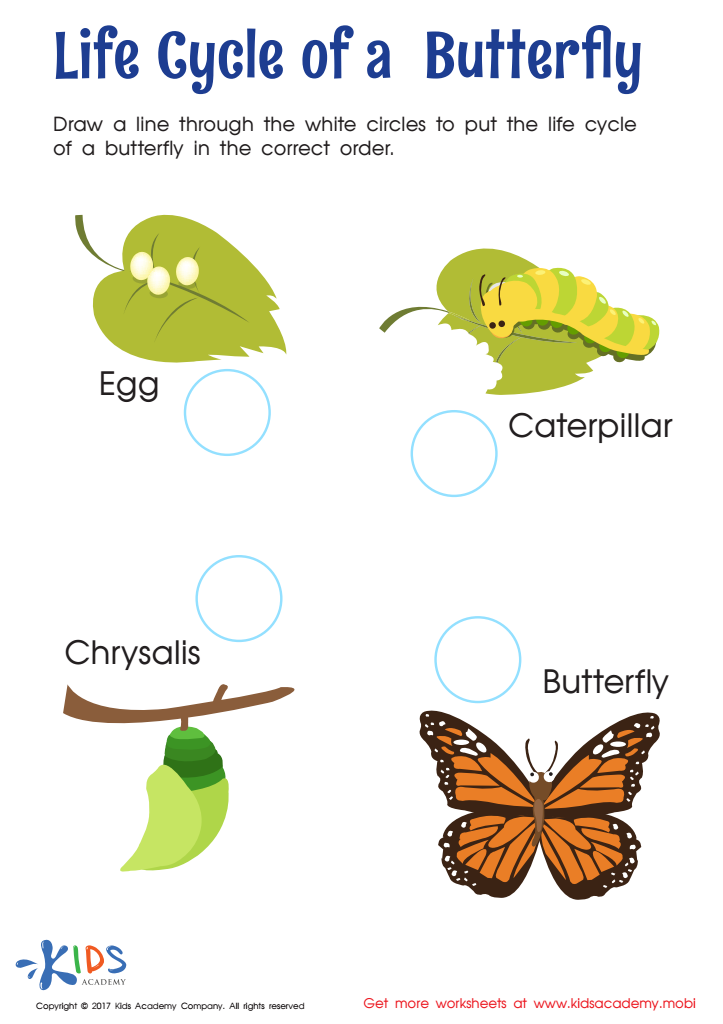
Life Cycle of Butterfly Worksheet
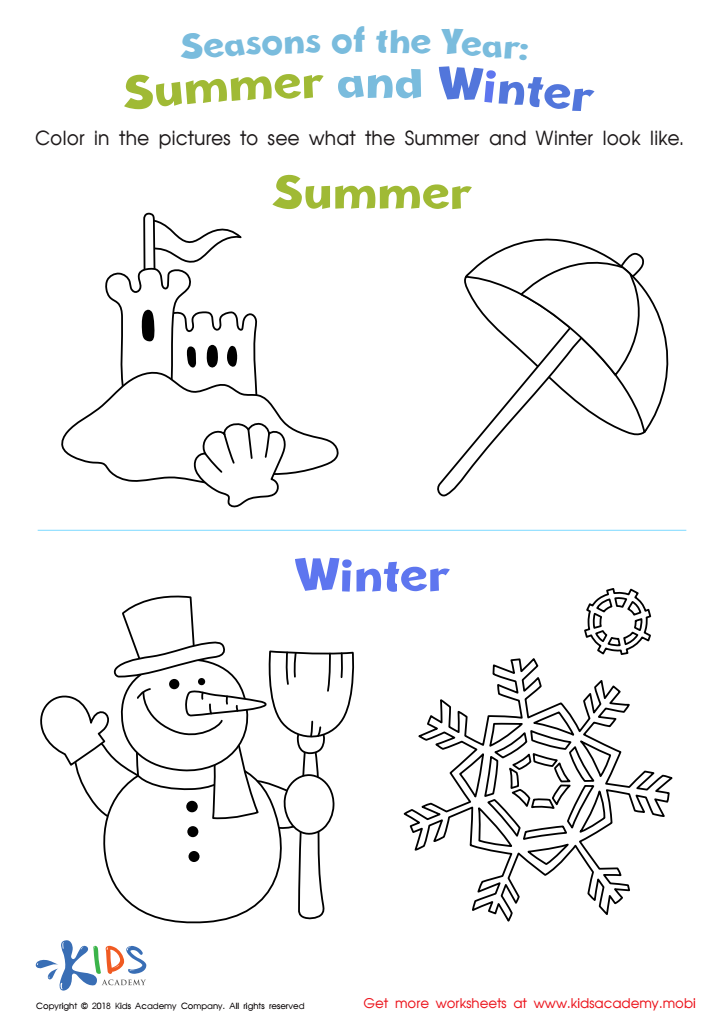
Summer and Winter Worksheet
Assign to My Students
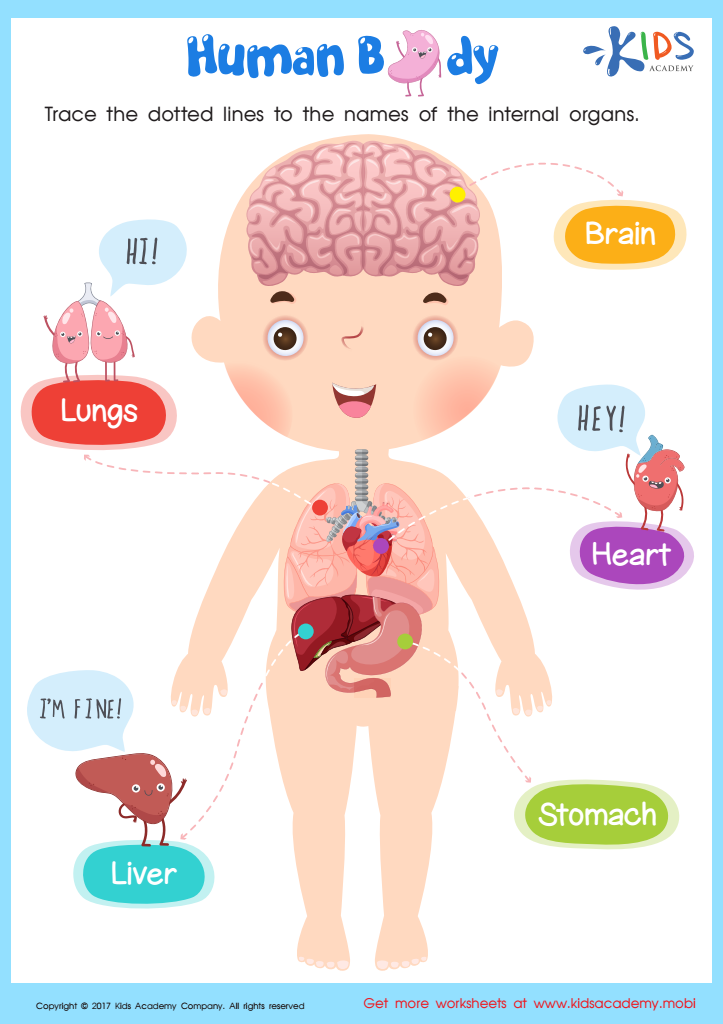
Human Body Worksheet
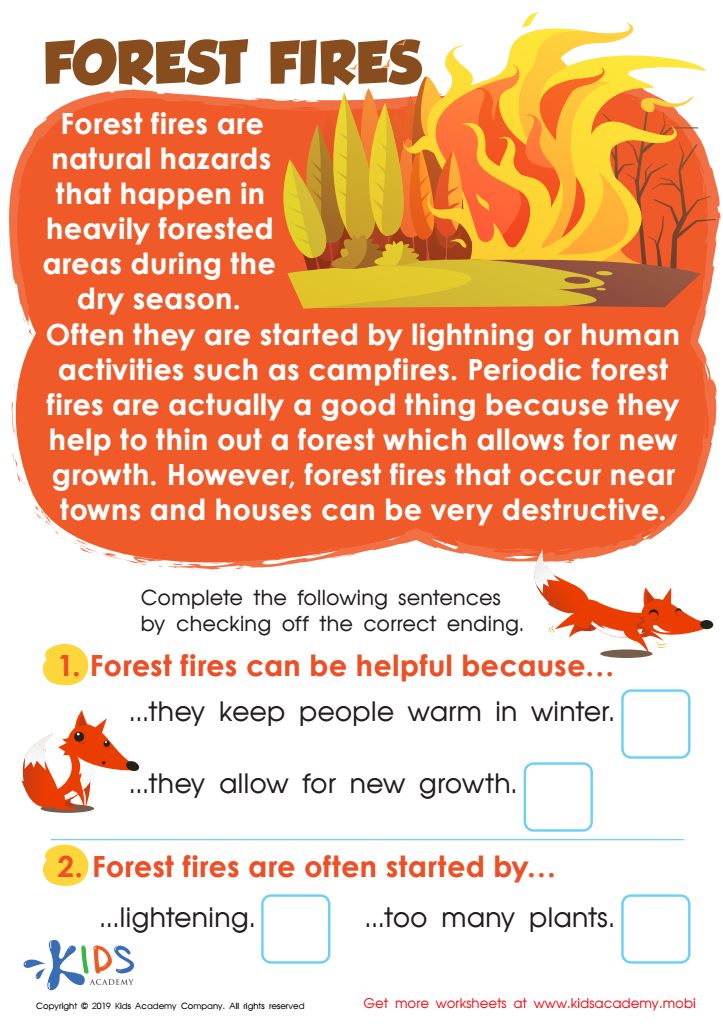
Forest Fires Worksheet
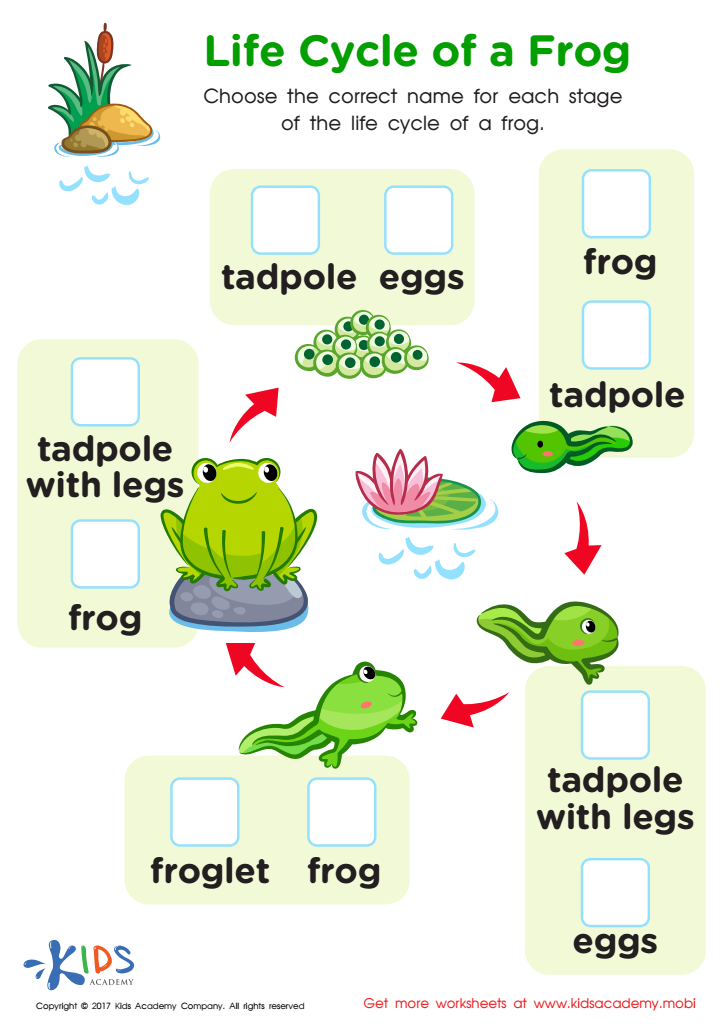
Life Cycle Frog Printable
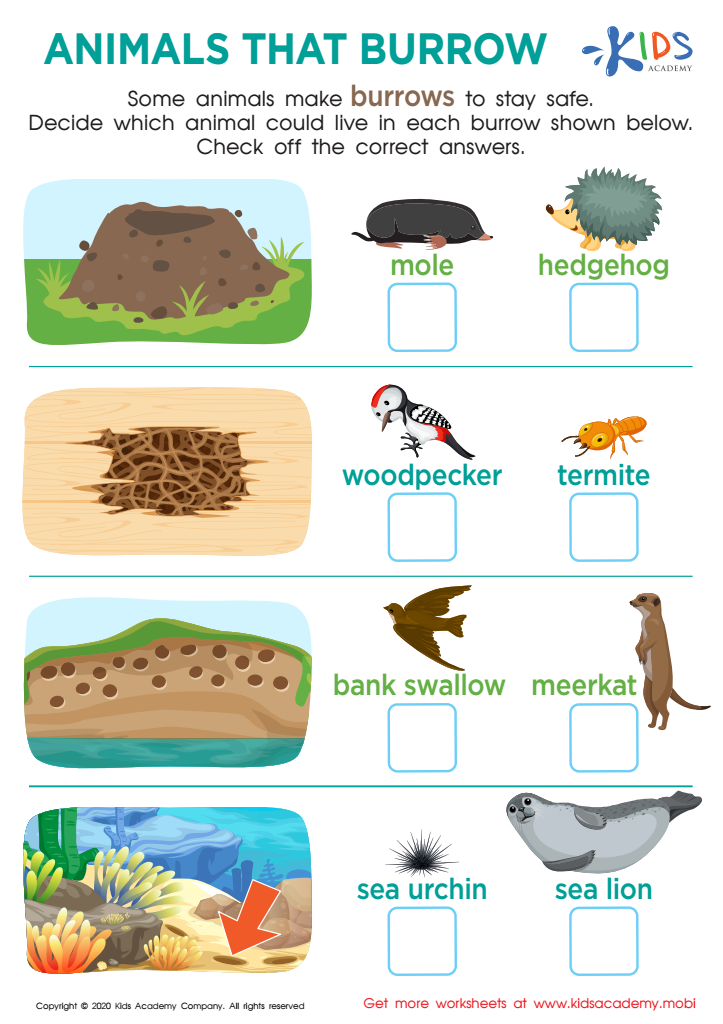
Animals That Burrow Worksheet
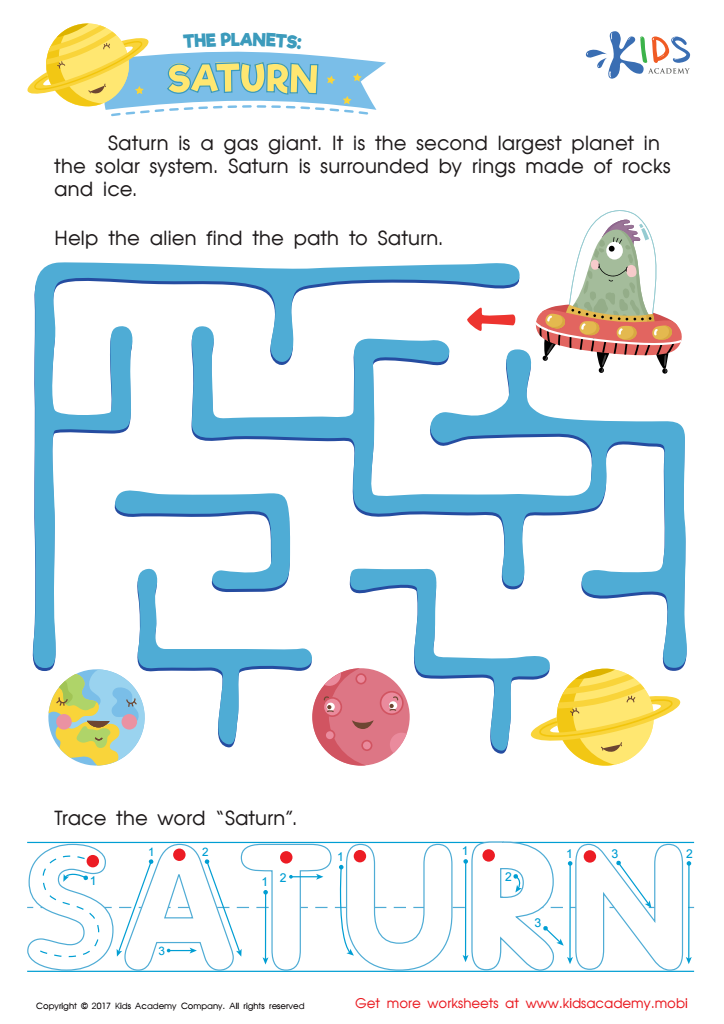
The Planets: Saturn Printable
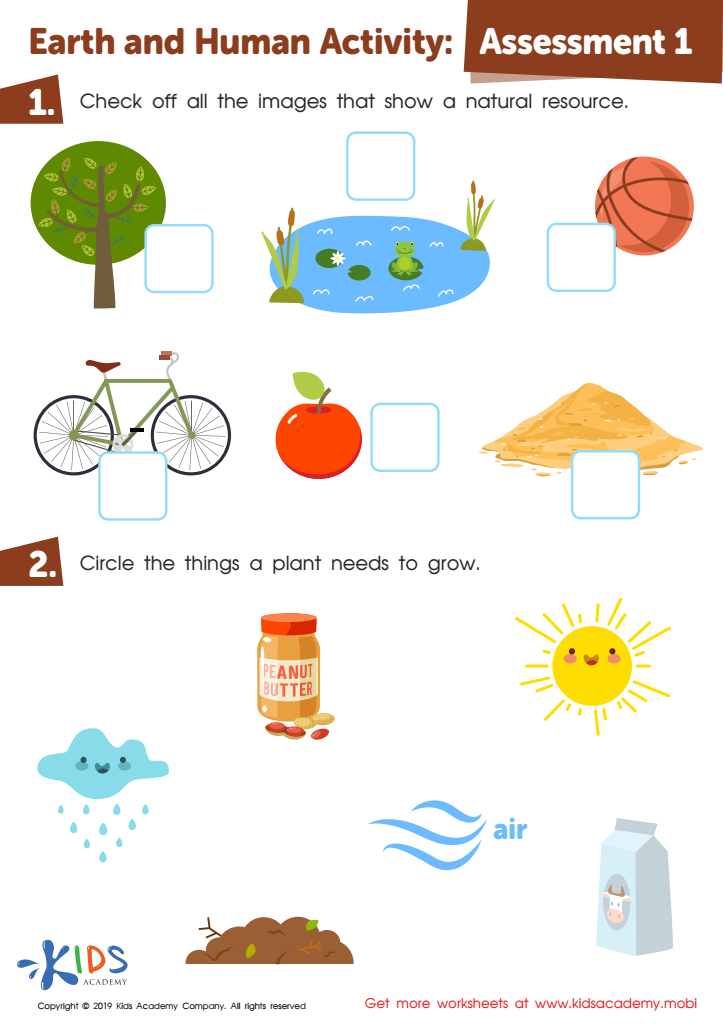
Earth and Human Activity: Assessment 1 Worksheet
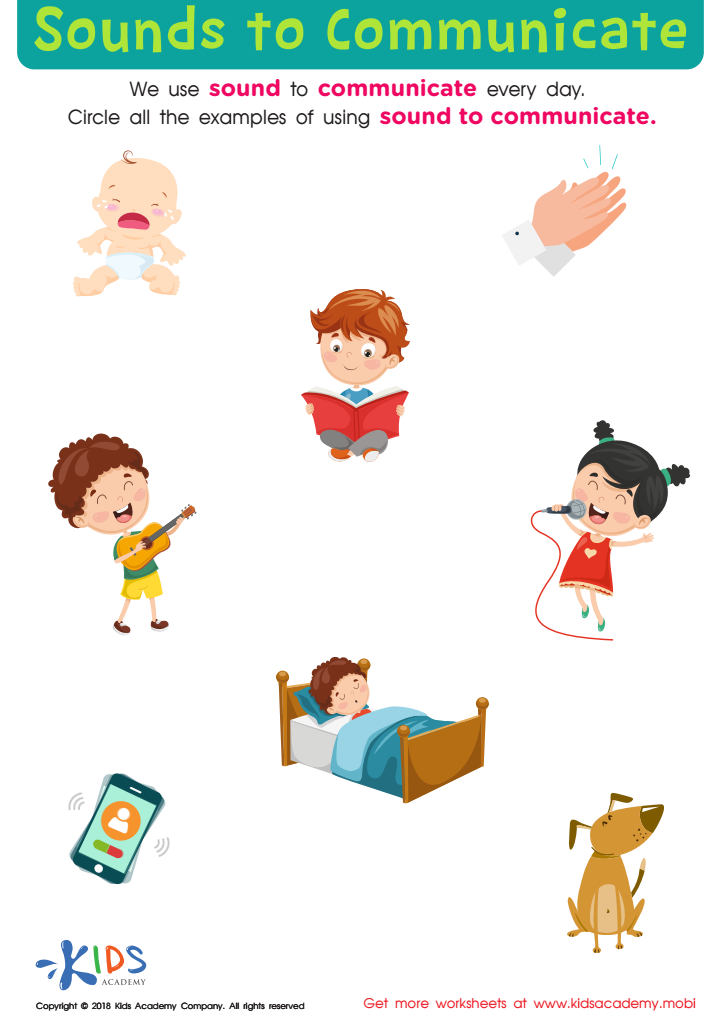
Sounds to Communicate Worksheet
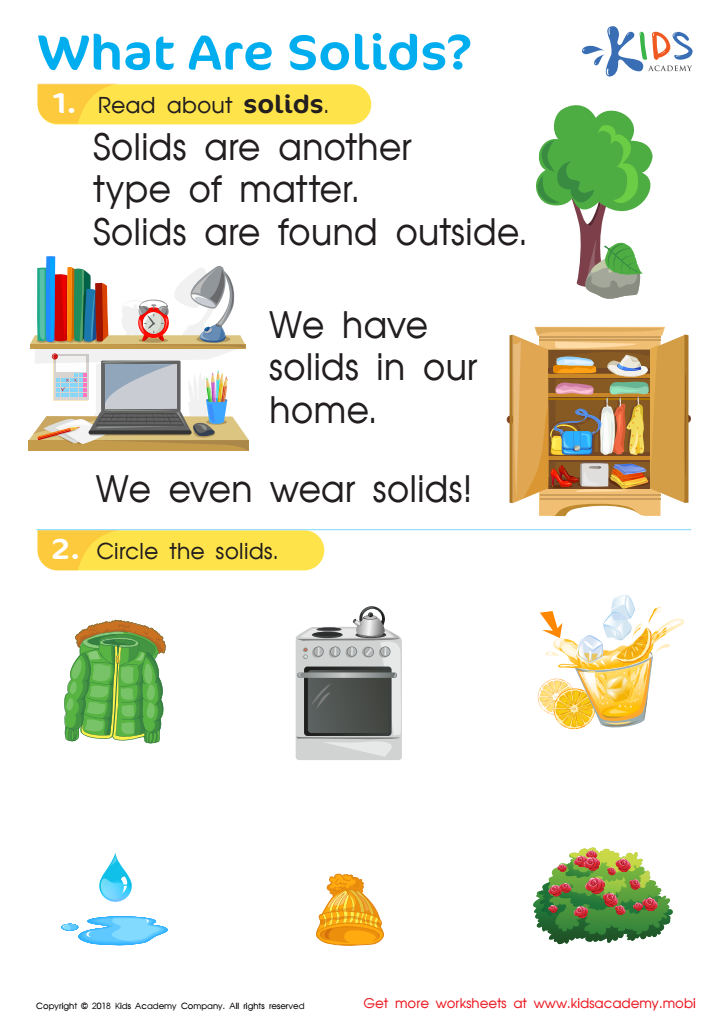
What Are Solids? Worksheet
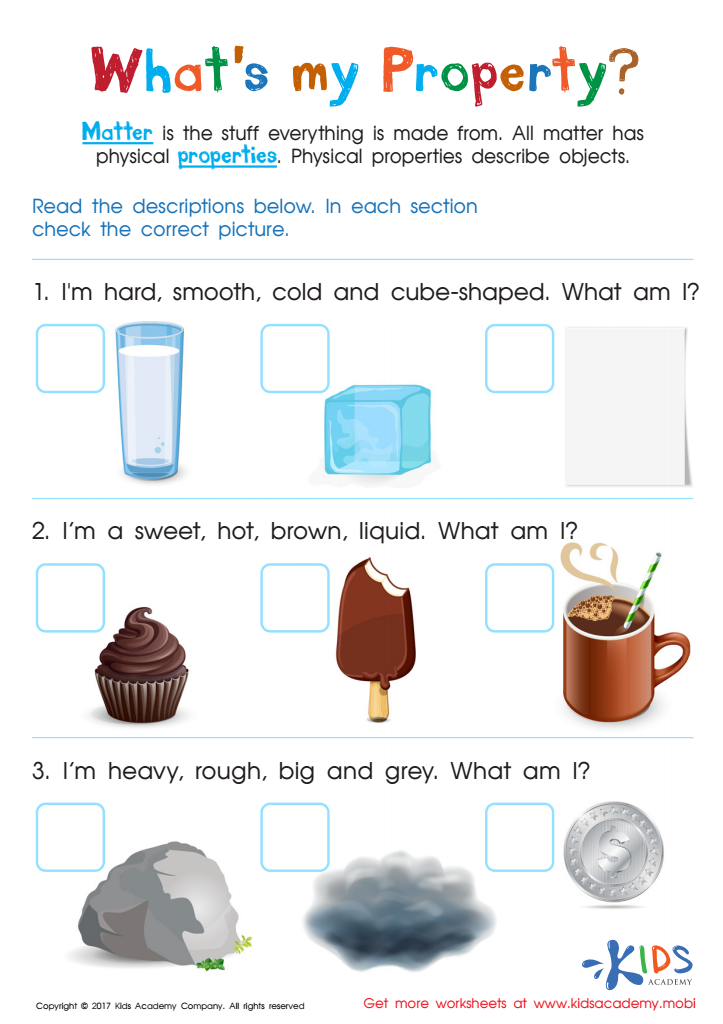
Physical Properties Of Matter Worksheet
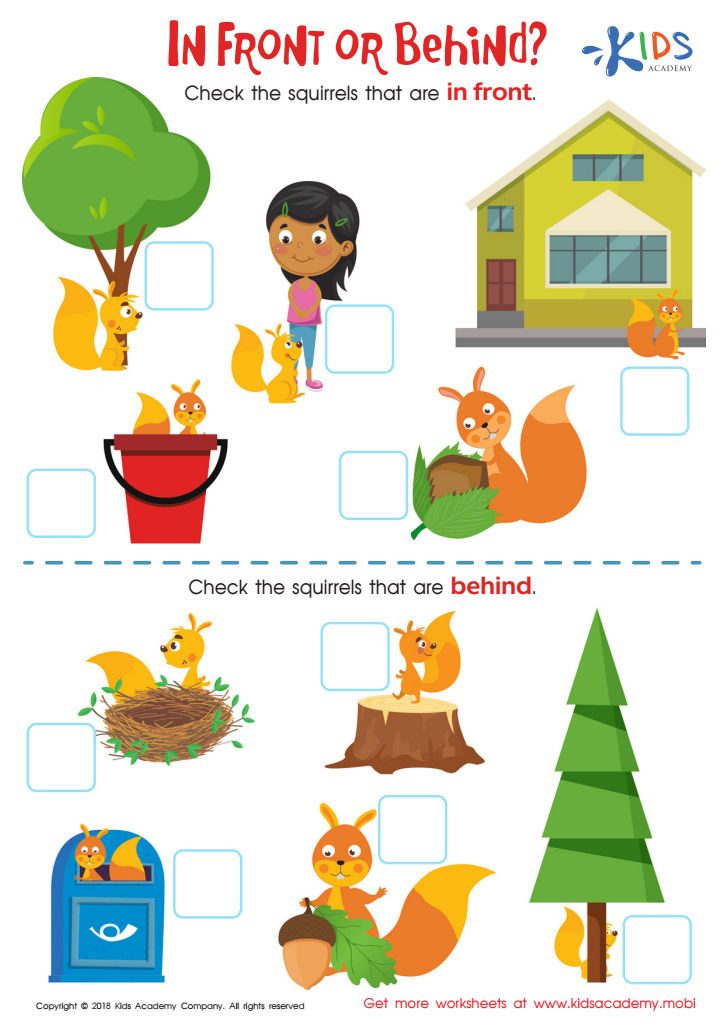
In Front or Behind: Part 2 Worksheet
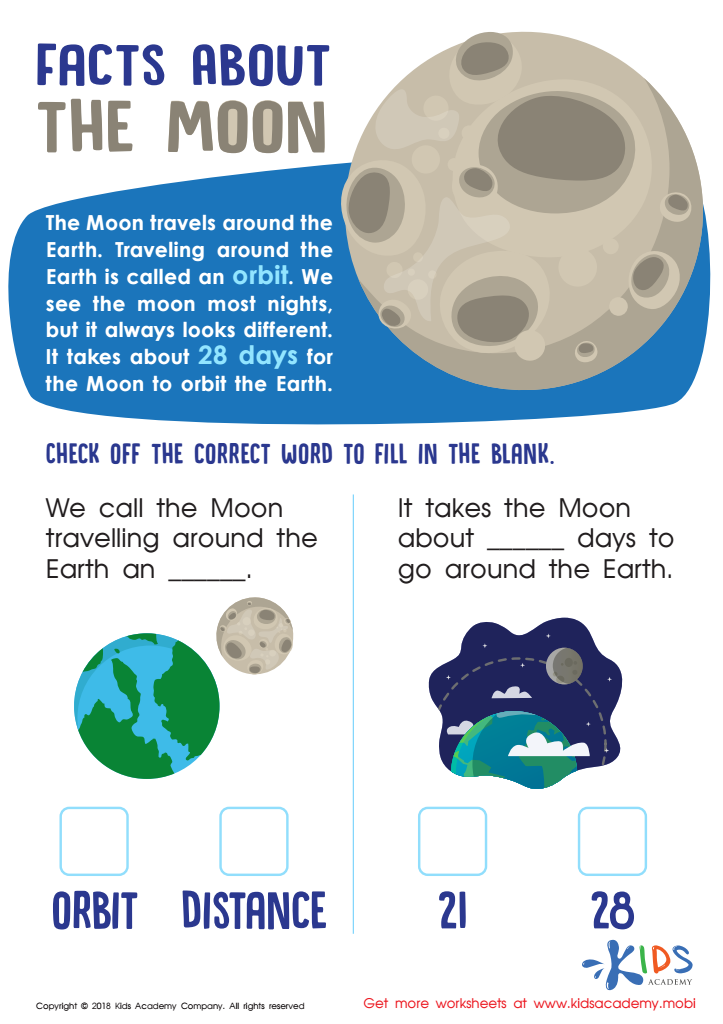
Facts About the Moon Worksheet
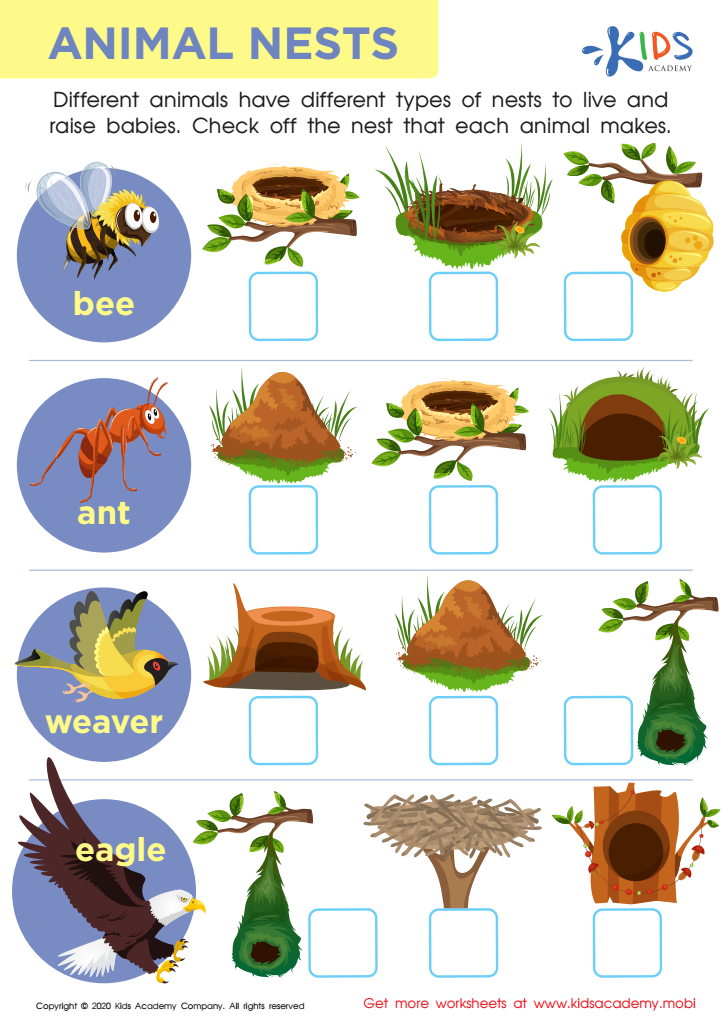
Animal Nests Worksheet
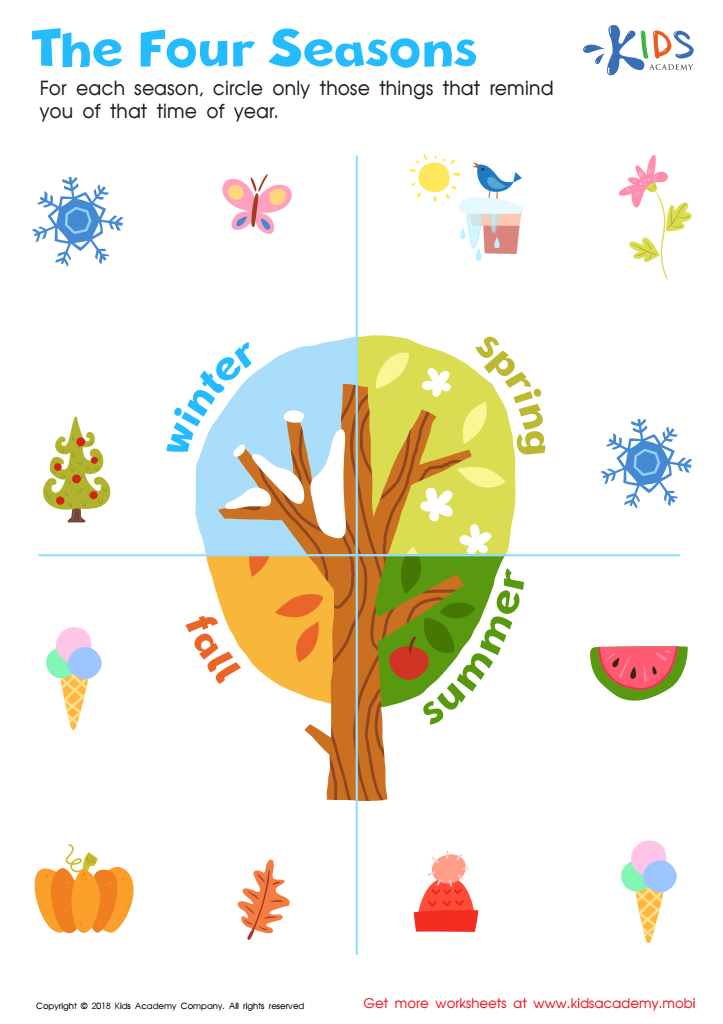
The Four Seasons Worksheet
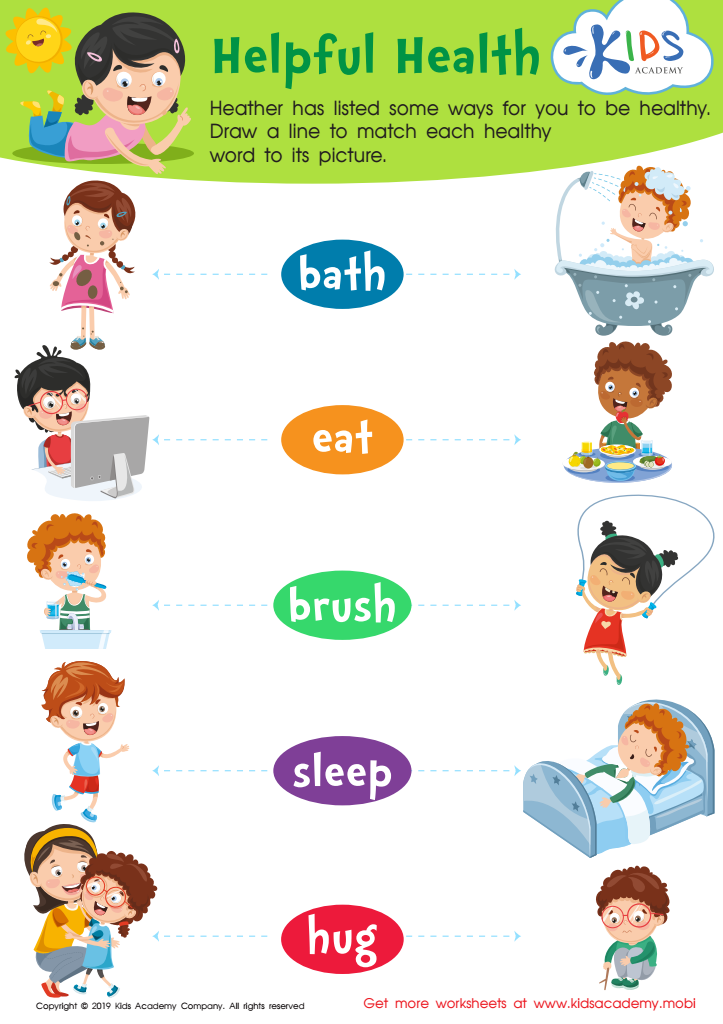
Helpful Health Worksheet







Vocabulary enhancement in science for children aged 3-9 is crucial for several reasons. First, a strong vocabulary foundation aids in overall language development, which is a critical component of communication. When children understand and can use scientific terms, it boosts their reading comprehension and expressive language skills.
Second, early exposure to scientific vocabulary stimulates curiosity and fosters a love for learning. Children who are equipped with the right terms can better articulate questions and observations, fueling a deeper interest in science. This sets a strong groundwork for future academic success in subjects that rely heavily on technical language.
Moreover, enhancing vocabulary in science helps to develop critical thinking and problem-solving skills. Understanding terms like "experiment," "hypothesis," and "observation" empowers children to grasp scientific concepts more quickly and apply them in everyday situations.
Parents and teachers who prioritize vocabulary enhancement provide children with tools to make sense of the world around them. For instance, knowing the word "evaporation" helps a child comprehend why puddles disappear after it rains.
In essence, investing in vocabulary enhancement from a young age sets the stage for lifelong learning and intellectual curiosity in science and beyond. It helps children not only understand their environment but thrive in educational settings.







