Enhancing reading skills Plants and Animals Worksheets for Ages 3-9
4 filtered results
-
From - To
Unlock your child's potential with our "Enhancing Reading Skills: Plants and Animals Worksheets" designed for ages 3-9! These engaging worksheets provide a fun and interactive way to explore the fascinating world of plants and animals while developing essential reading skills. Each activity is tailored to foster comprehension, vocabulary, and critical thinking through age-appropriate content and vibrant illustrations. As children identify various species and their unique characteristics, they’ll enhance their reading abilities in a meaningful context. Perfect for parents and educators looking to inspire a love for reading and learning about nature, these worksheets create a solid foundation for future academic success.
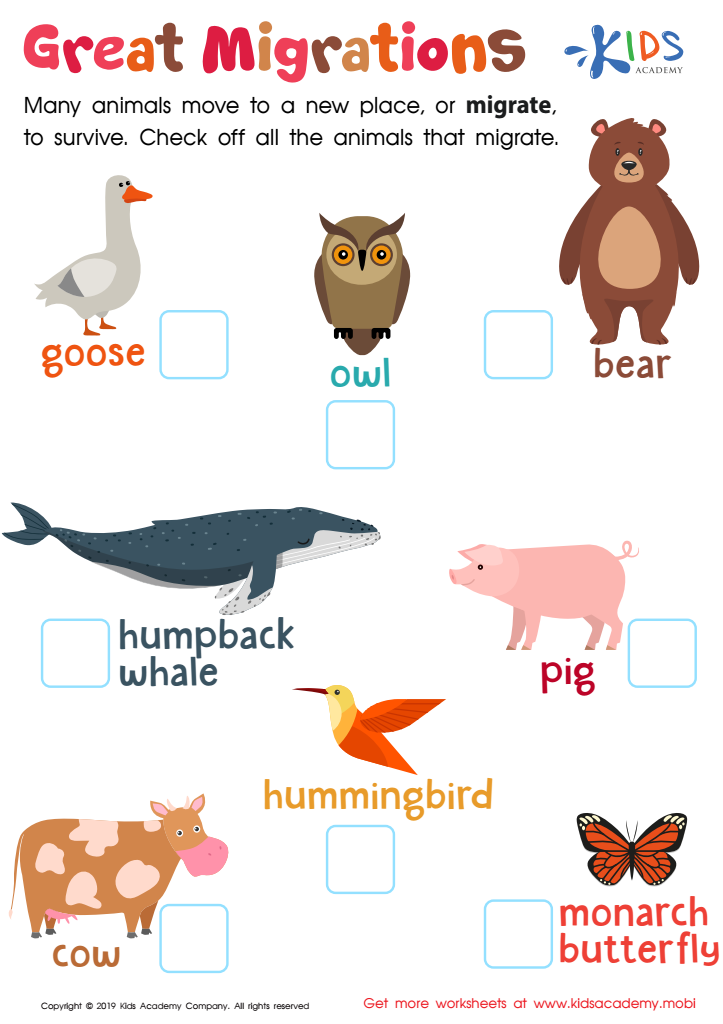
Great Migrations Worksheet
 Assign to My Students











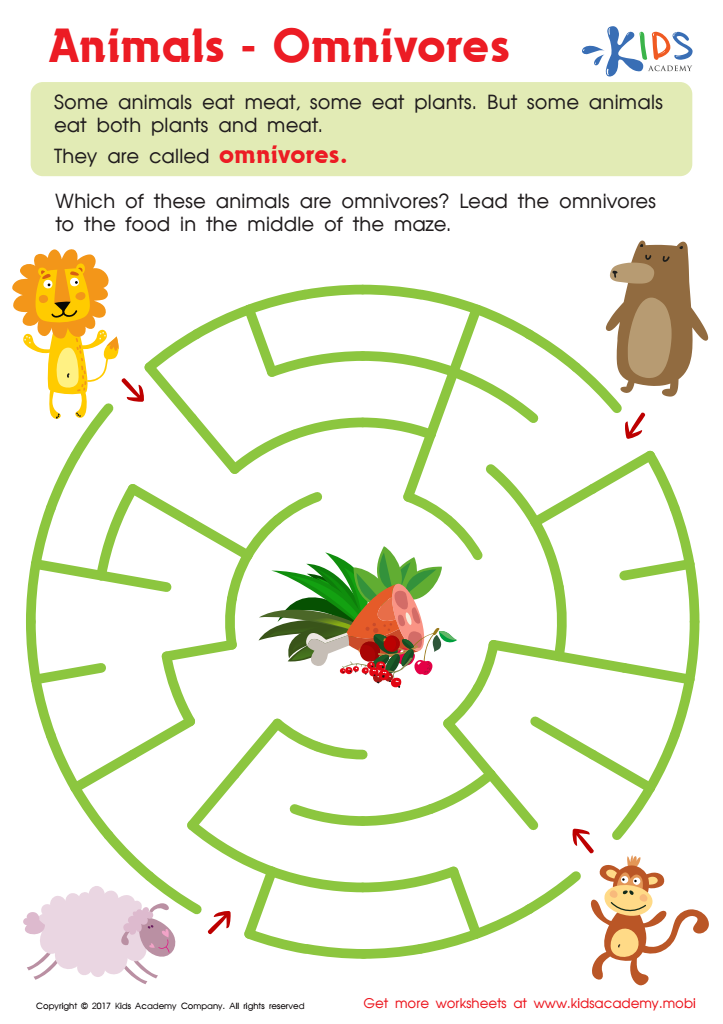
Omnivores Animals Worksheet
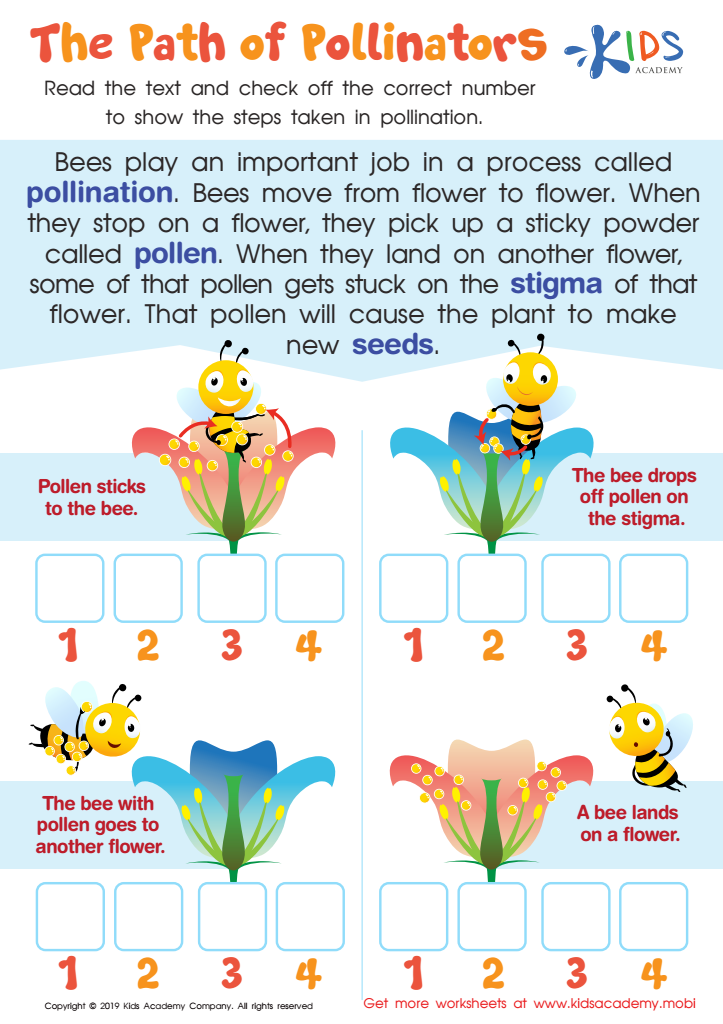
The Path of Pollinators Worksheet
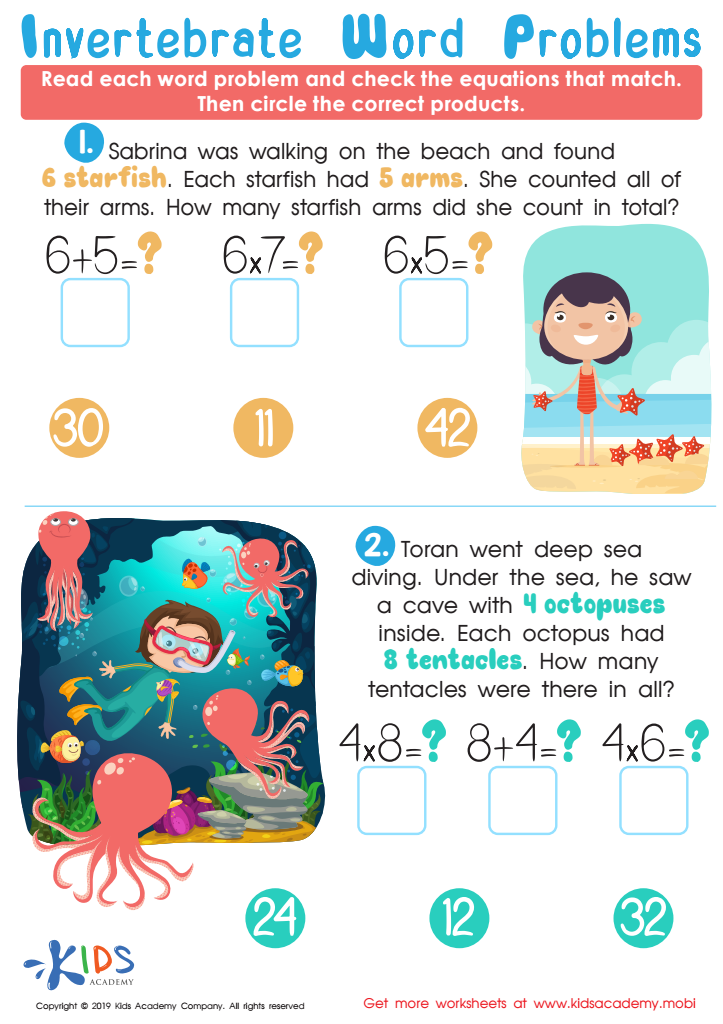
Invertebrate Problems Worksheet







Enhancing reading skills about plants and animals for children aged 3-9 is crucial for several reasons. First, this age group is characterized by immense cognitive and linguistic development. Introducing engaging content on plants and animals can enrich their vocabulary, comprehension, and narrative skills, serving as a foundation for lifelong learning.
Reading about the natural world not only fosters curiosity but also promotes environmental awareness. As children explore the intricacies of ecosystems, they develop an appreciation for nature, understanding the interconnectedness of life. This early environmental literacy can instill a sense of responsibility toward the planet.
Moreover, using relatable subjects like plants and animals makes reading fun and accessible. Colorful illustrations and intriguing facts can captivate young readers’ imaginations, encouraging a love for reading that extends beyond formal education. Engaging with this content can also facilitate discussions between parents, teachers, and children, enhancing bonding and embedding knowledge.
Lastly, literacy in this area supports cross-disciplinary learning, linking science with literacy skills. As children learn to read about plants and animals, they not only gain essential reading skills but also develop critical thinking, inquiry-based learning, and a holistic understanding of their world—skills that are vital for their future success.








