Problem-Solving Skills History Worksheets for Ages 3-9
7 filtered results
-
From - To
Discover our comprehensive Problem-Solving Skills History Worksheets for children aged 3-9. These engaging and educational resources are designed to foster critical thinking, analytical abilities, and creativity by exploring historical events. Each worksheet, specially crafted by experts, combines fun activities with valuable lessons, encouraging young learners to solve puzzles, connect the dots, and think through challenges. Perfect for both home and classroom use, our printables will drive curiosity and a love for history while building essential problem-solving skills. Unlock your child’s potential with these dynamic, educational tools available at Kids Academy.
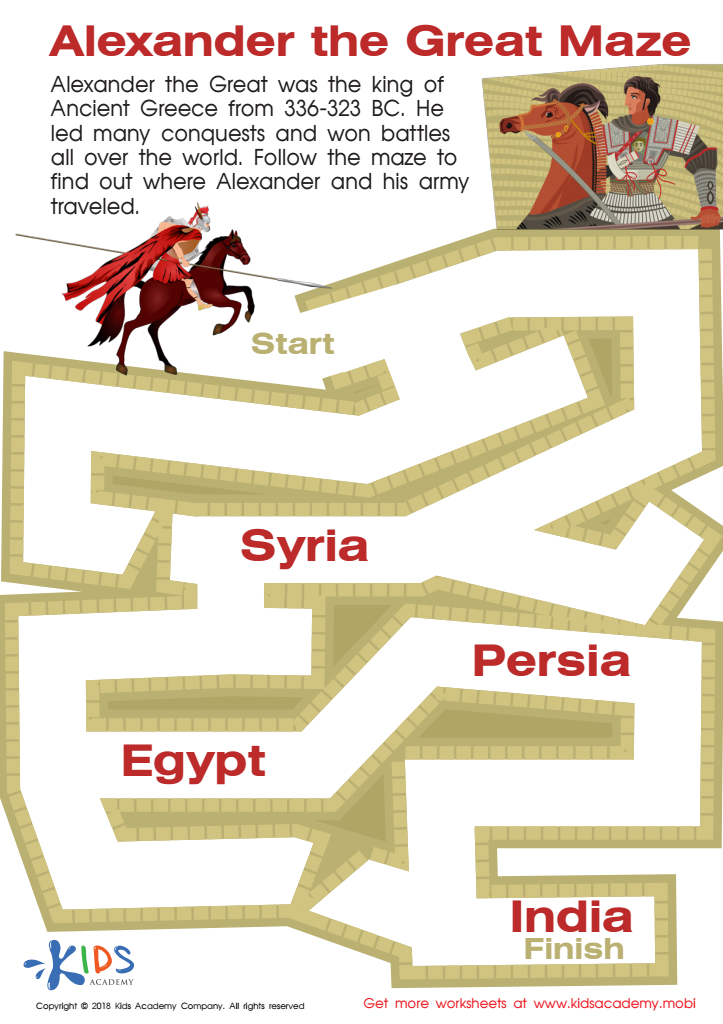
Alexander the Great Maze Worksheet
 Assign to My Students
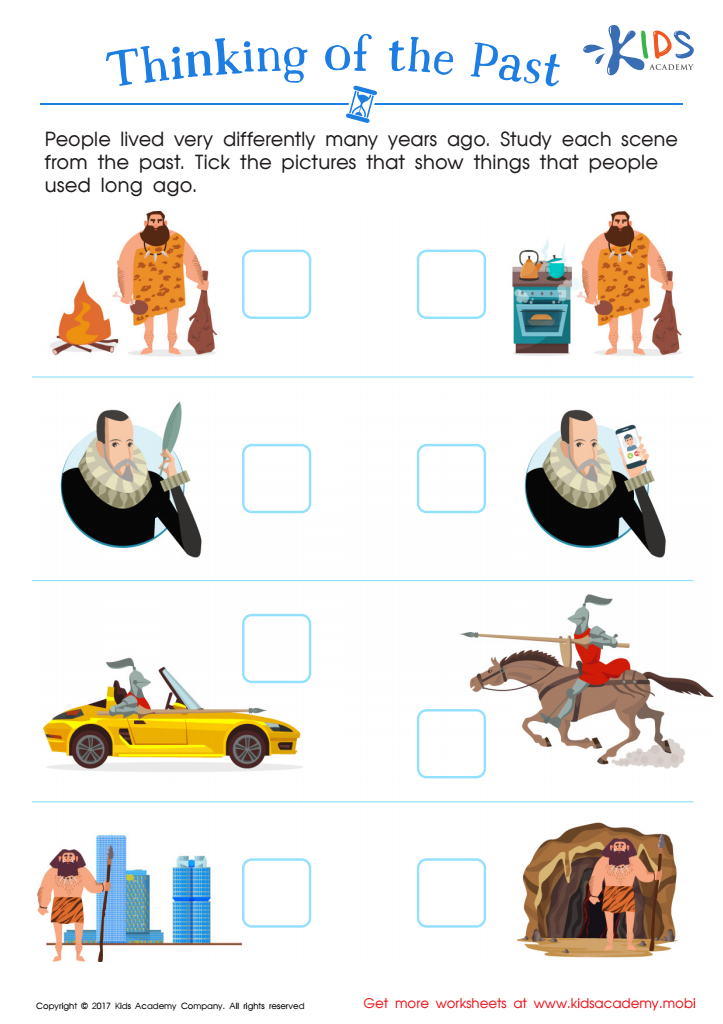
Thinking Past Printable

The Multiplication Mayflower Maze Worksheet
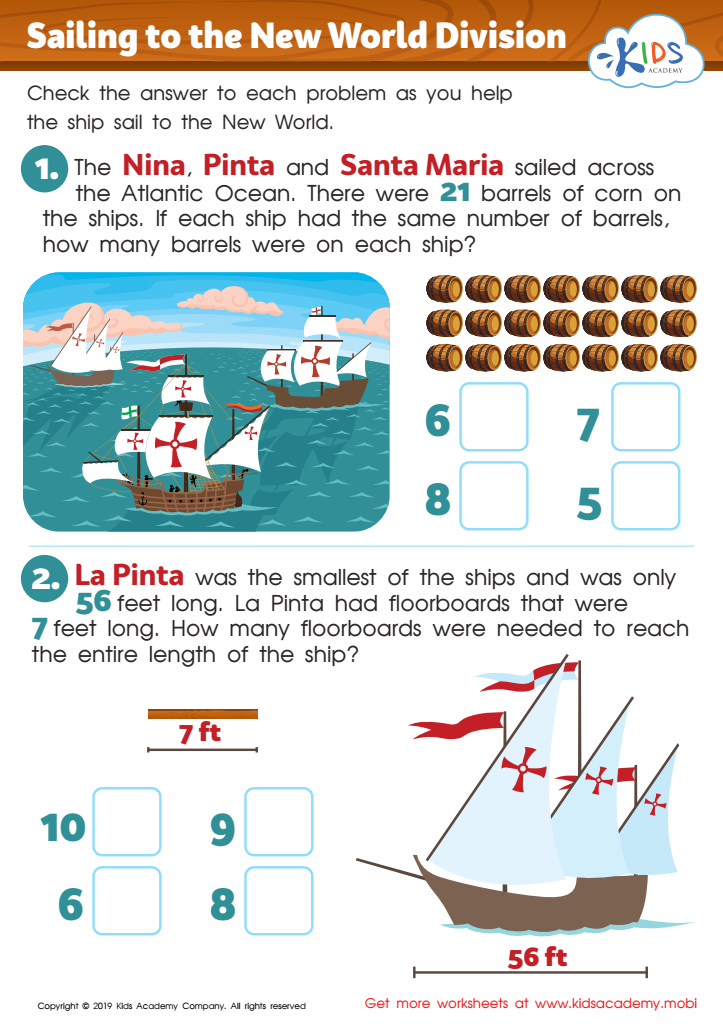
Sailing to the New World Division Worksheet
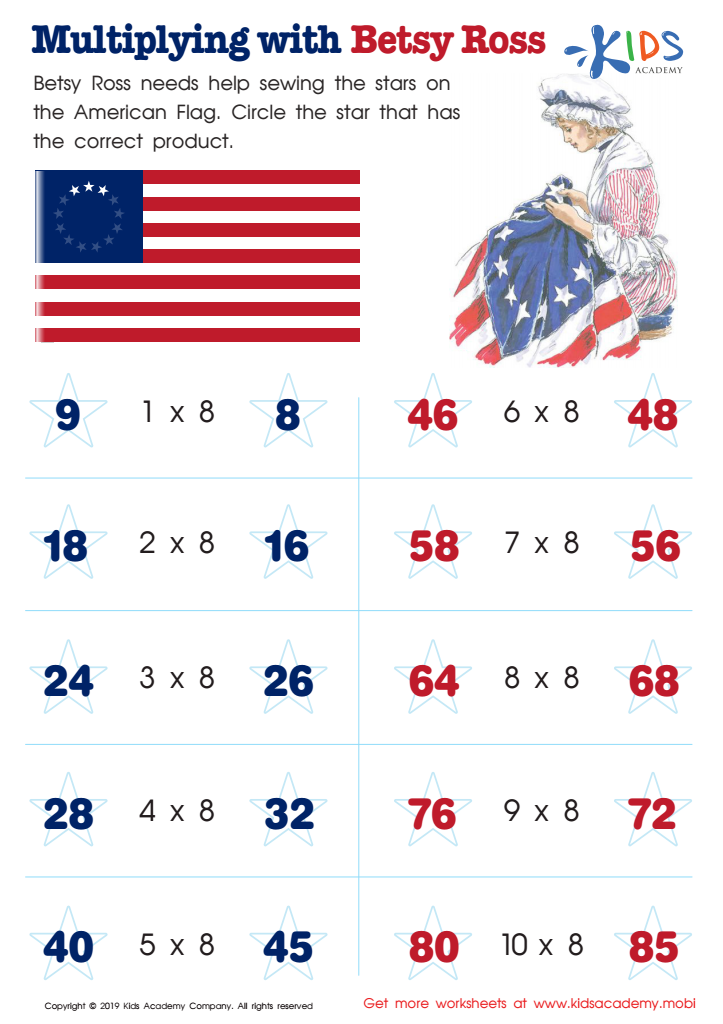
Multiplying with Betsy Ross Worksheet
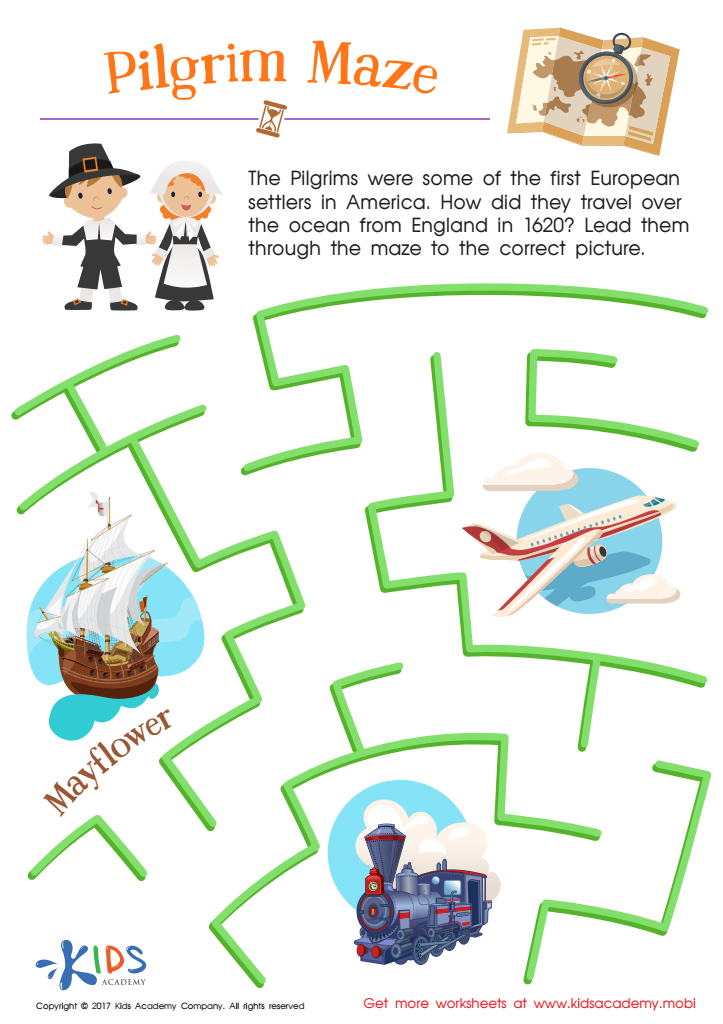
Pilgrim Maze Worksheet
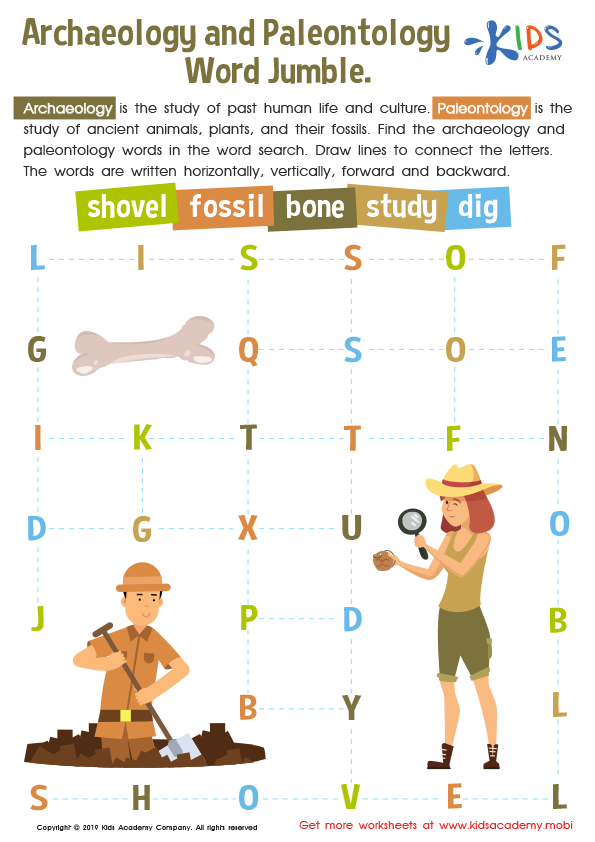
Archaeology and Paleontology Word Jumble Worksheet








Problem-solving skills play a crucial role in a child's development, especially during the formative years of ages 3-9. During this period, children are rapidly expanding their cognitive abilities, and foster a foundation for logical thinking and resilience. When parents and teachers prioritize the history and progression of these skills in young children, they can more intelligently facilitate learning environments that bolster these critical abilities.
The historical understanding of how problem-solving skills develop can guide adults in recognizing age-appropriate challenges and milestones. For instance, knowing that younger children might need more concrete, hands-on problems to solve, while older children may start to handle more abstract concepts, helps in tailoring support and resources effectively. Additionally, awareness of past educational practices highlights approaches that have proven successful or necessary adjustments for diverse learners today, ensuring more inclusive and effective teaching strategies.
Furthermore, mastering problem-solving from an early age doesn't just improve academic performance but also equips children with life skills. Problem-solving nurtures creativity, enhances social interactions, and builds confidence. Understanding how these skills have developed over time allows parents and teachers to employ refined methods to encourage children to approach problems thoughtfully and decisively, leading to well-rounded and capable individuals.
In conclusion, caring about the history of problem-solving skills equips parents and teachers with vital knowledge to cultivate a child's cognitive and emotional growth, adapting their support to transform young learners into innovative and autonomous thinkers.