Critical Thinking Worksheets for 3-Year-Olds
38 filtered results
-
From - To
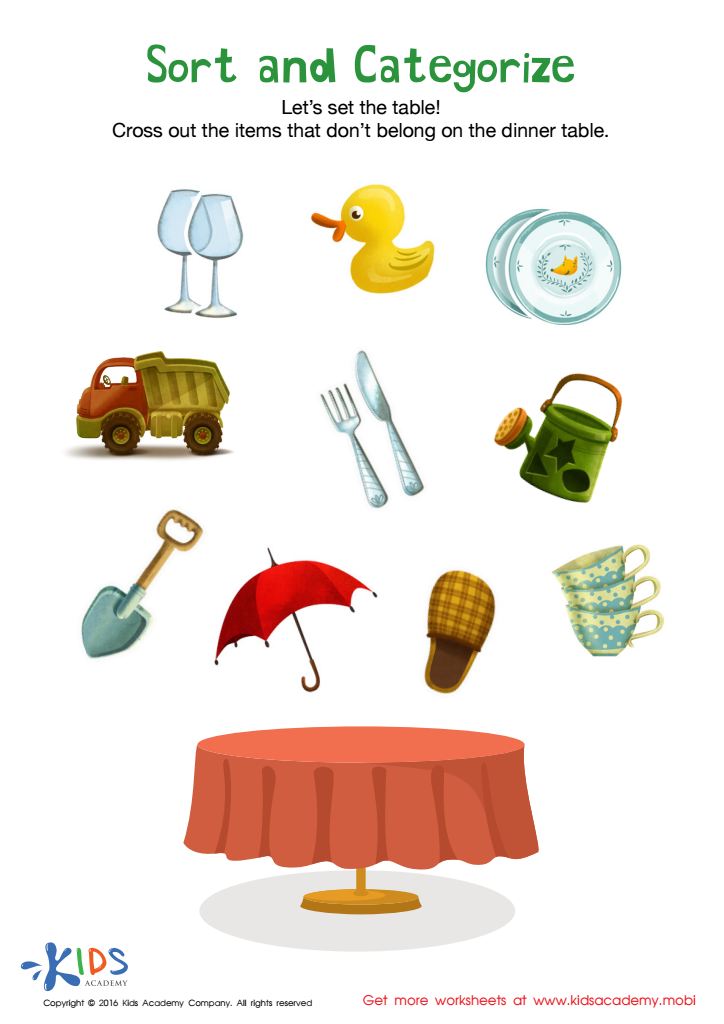
Nurture your child's budding problem-solving skills with our Critical Thinking Worksheets for 3-Year-Olds! Specially designed for preschoolers, our engaging activities promote logical reasoning, creativity, and curiosity. These printable worksheets feature age-appropriate exercises like matching, sorting, and pattern recognition, making learning both fun and impactful. Boost your child's cognitive abilities and lay a strong foundation for future academic success with these entertaining and educational resources. Start your little one on their learning journey with our expertly crafted worksheets that encouraging a lifetime of inquisitive thinking. Visit us today to explore our unique collection!
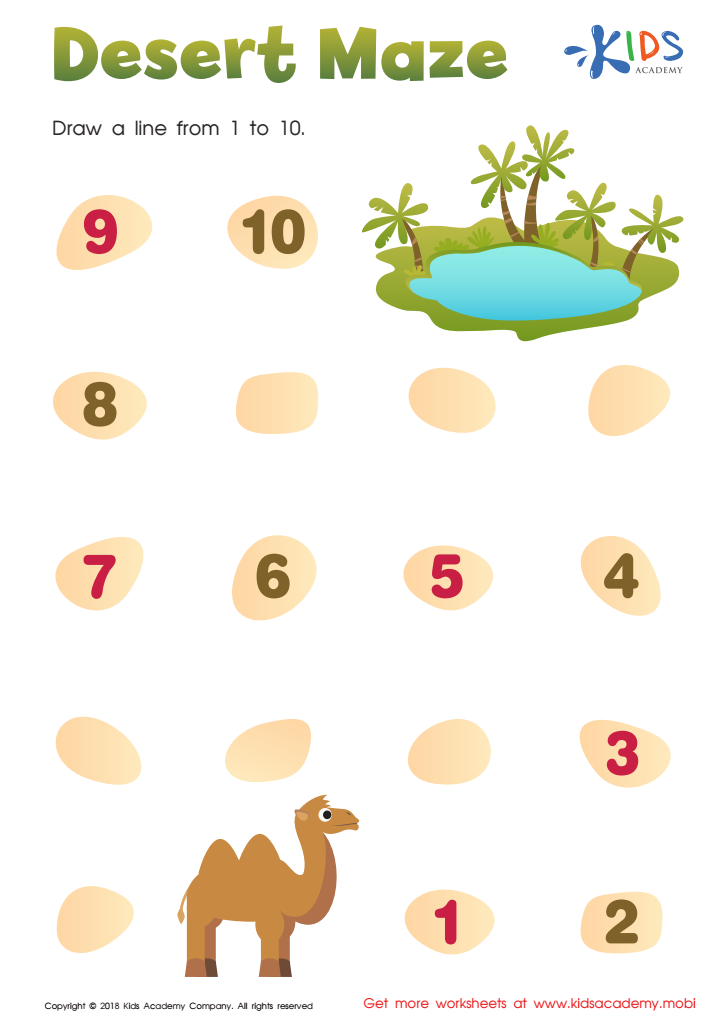
Desert Maze Worksheet
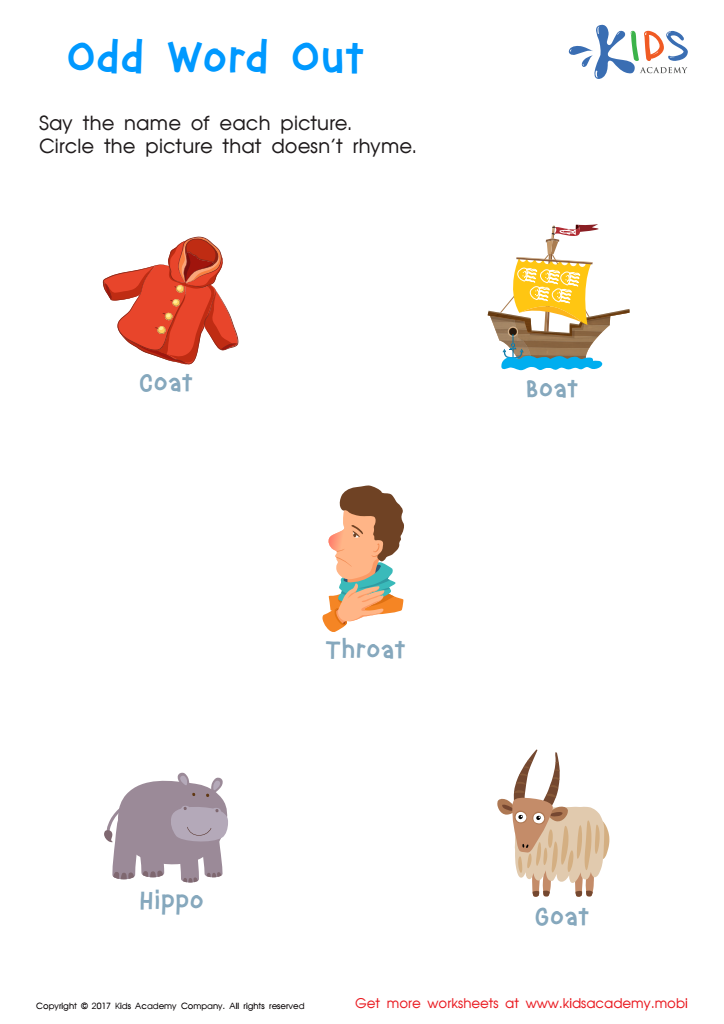
Odd Word Out Rhyming Worksheet
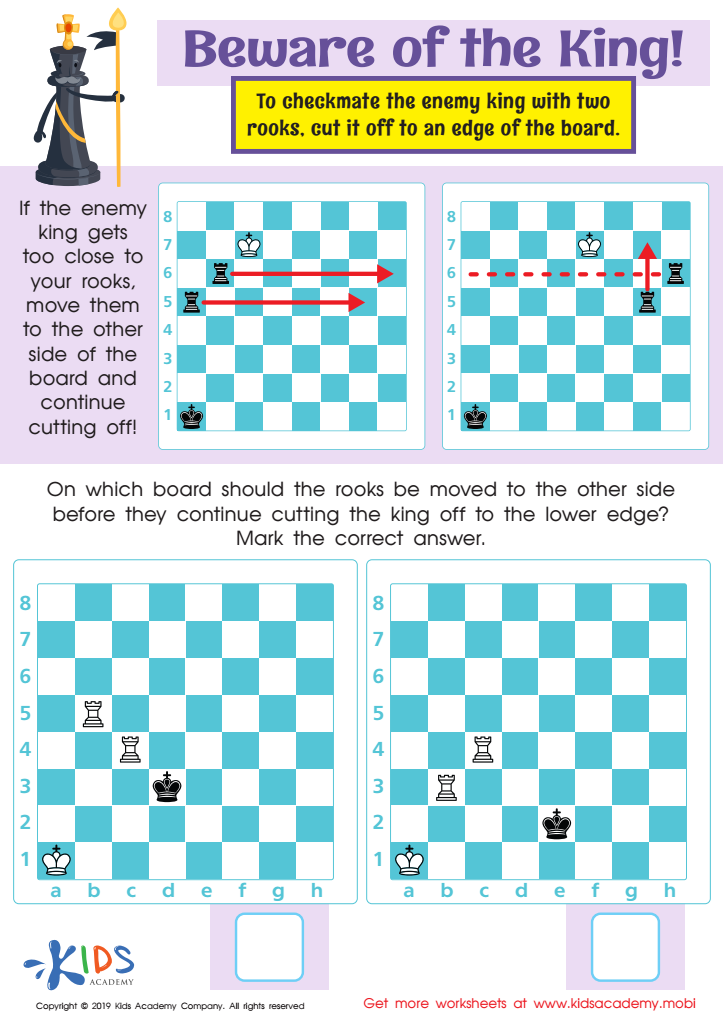
Beware of the King! Worksheet
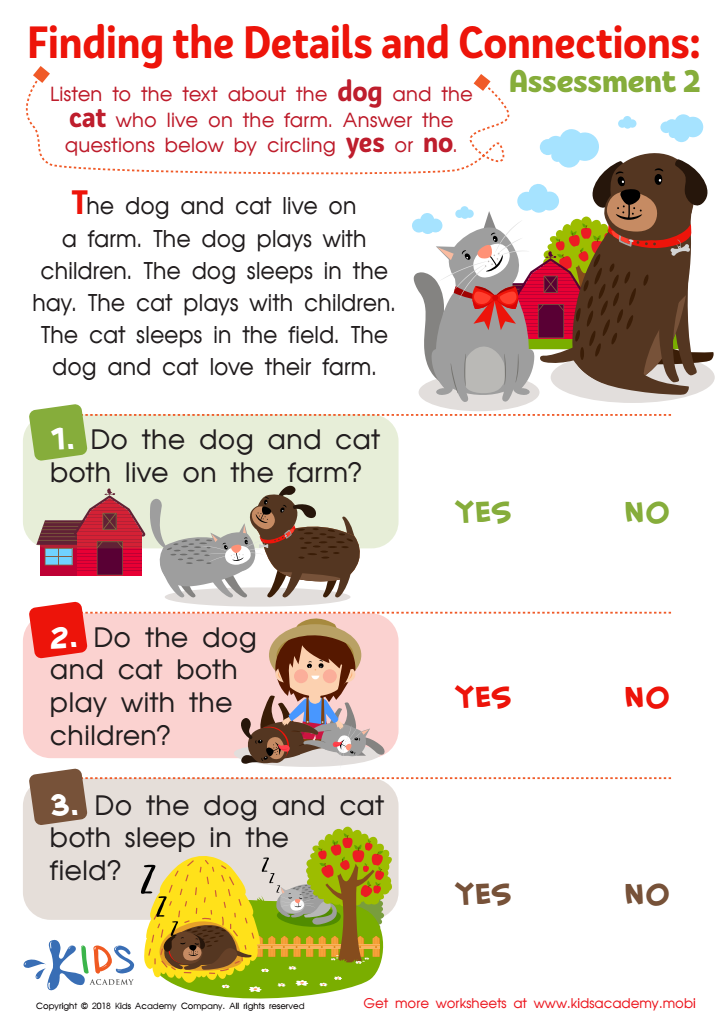
Finding the Details and Connections: Assessment 2 Worksheet
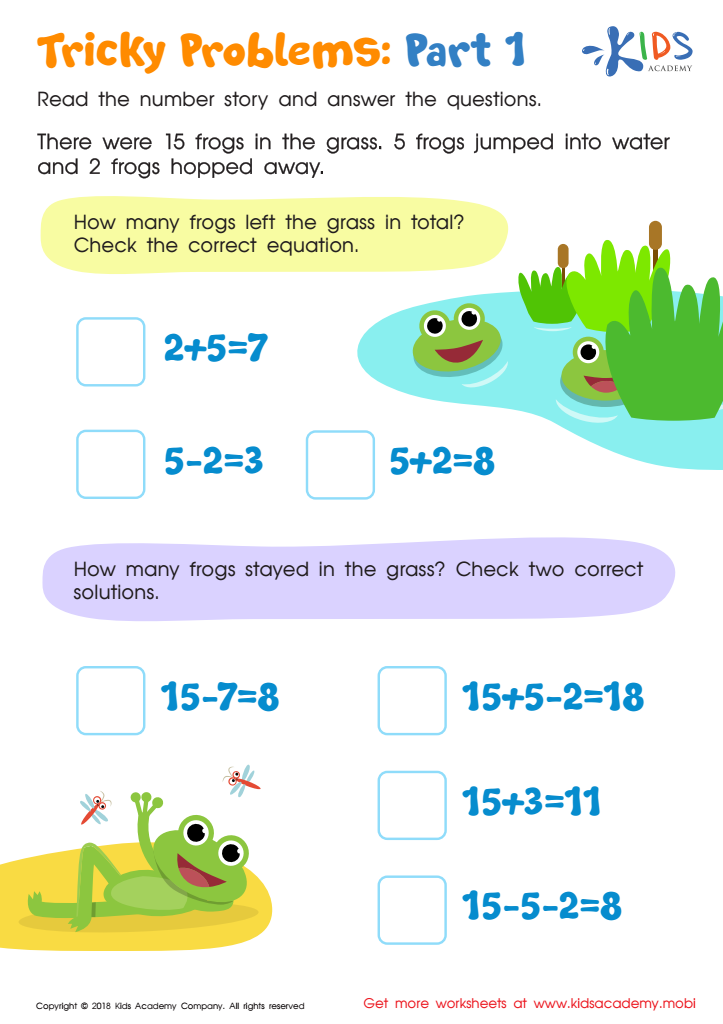
Tricky Problems Worksheet: Part 1
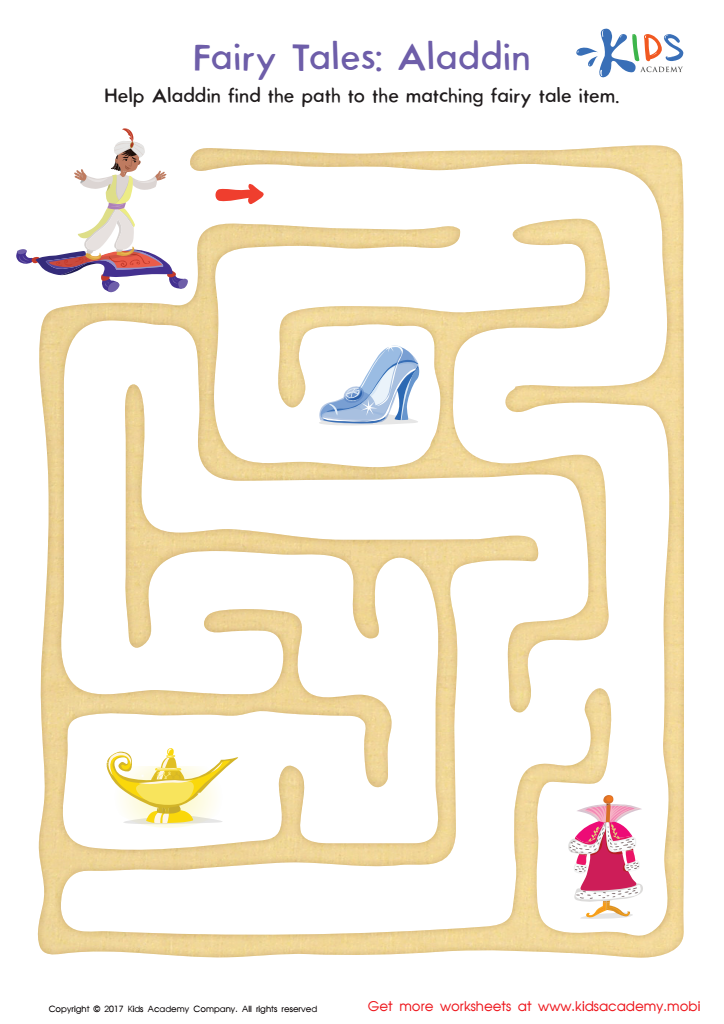
Fairy Tales Aladdin Printable
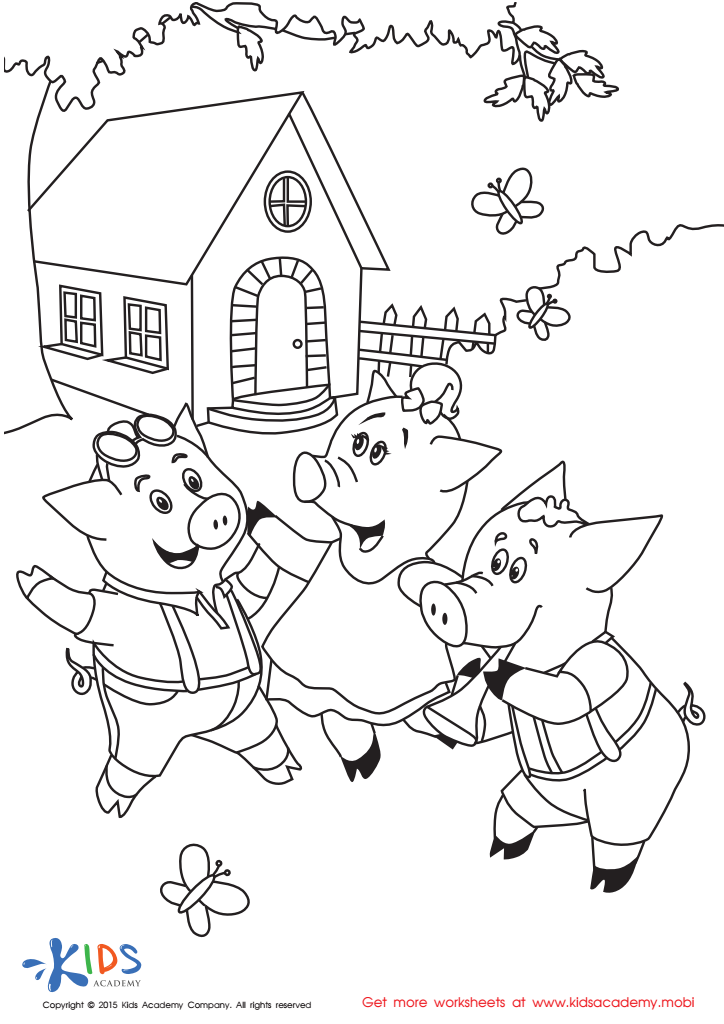
Folktales Printable PDF Worksheet: The 3 Little Pigs
 Assign to My Students
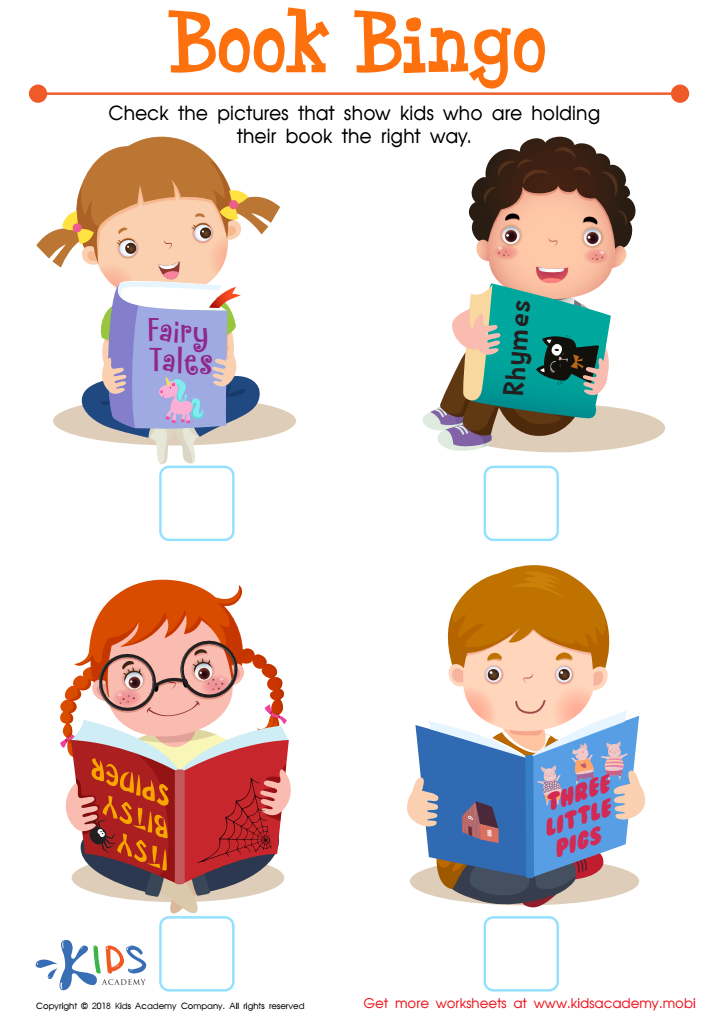
Book Bingo Worksheet
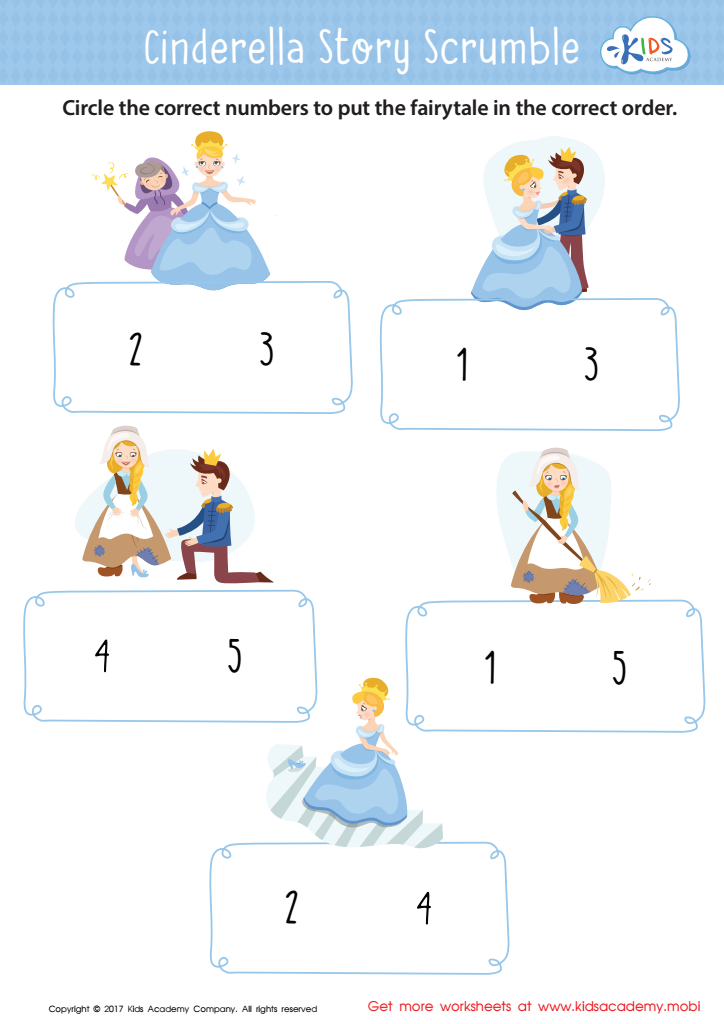
Cinderella Story Sequencing Worksheet
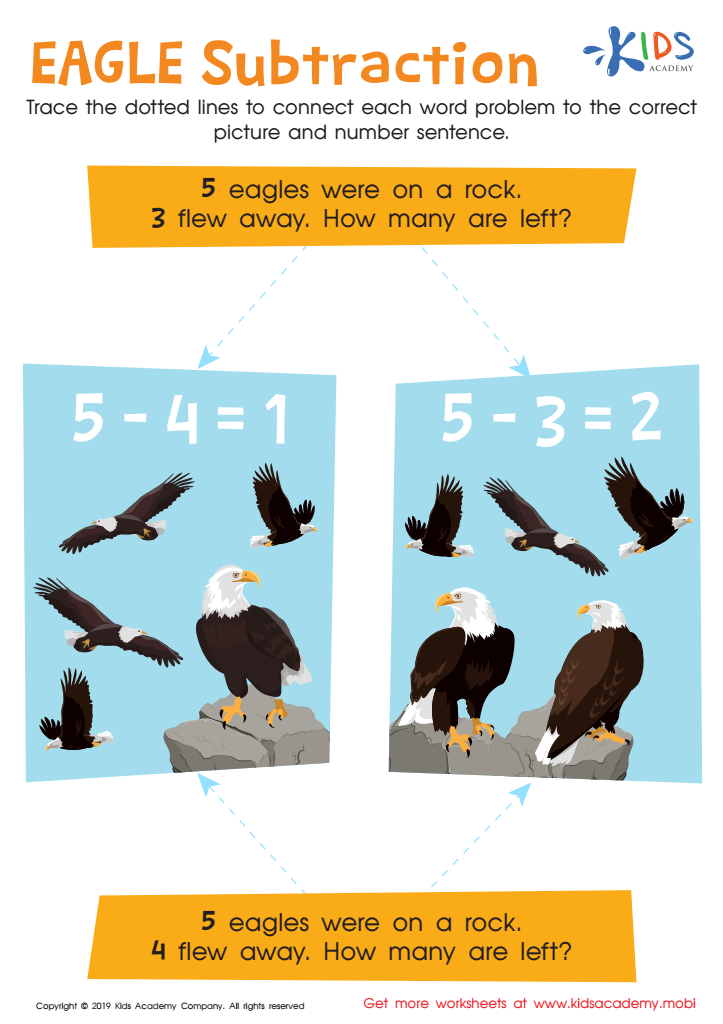
Eagle Subtraction Worksheet
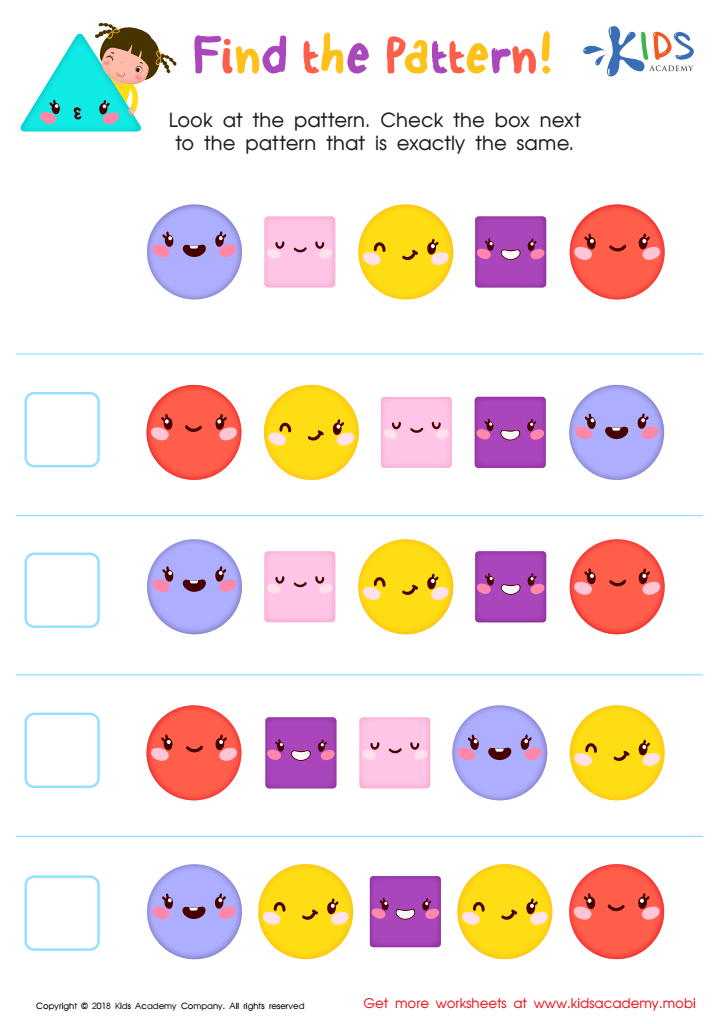
Find the Pattern Worksheet
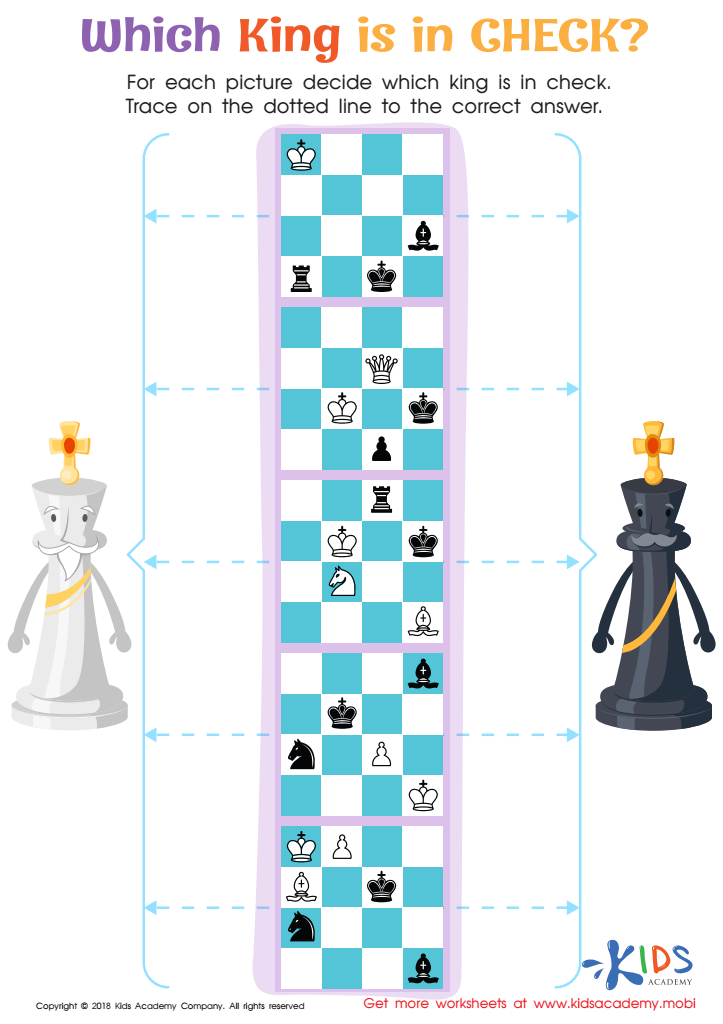
Which King is in Check? Worksheet
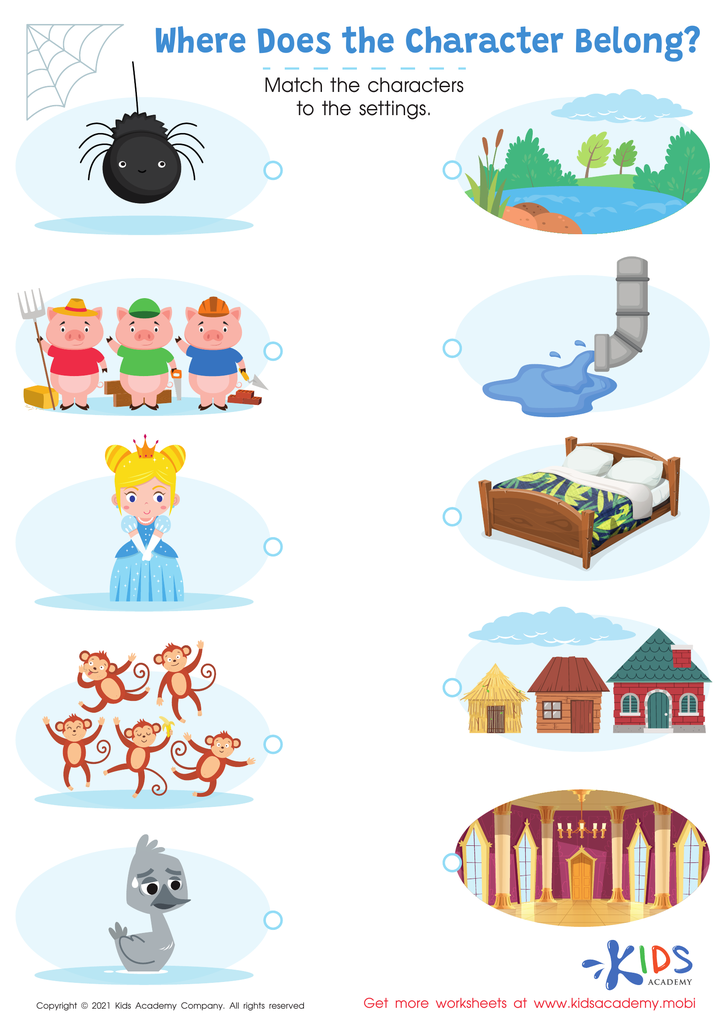
Where Does the Character Belong? Worksheet
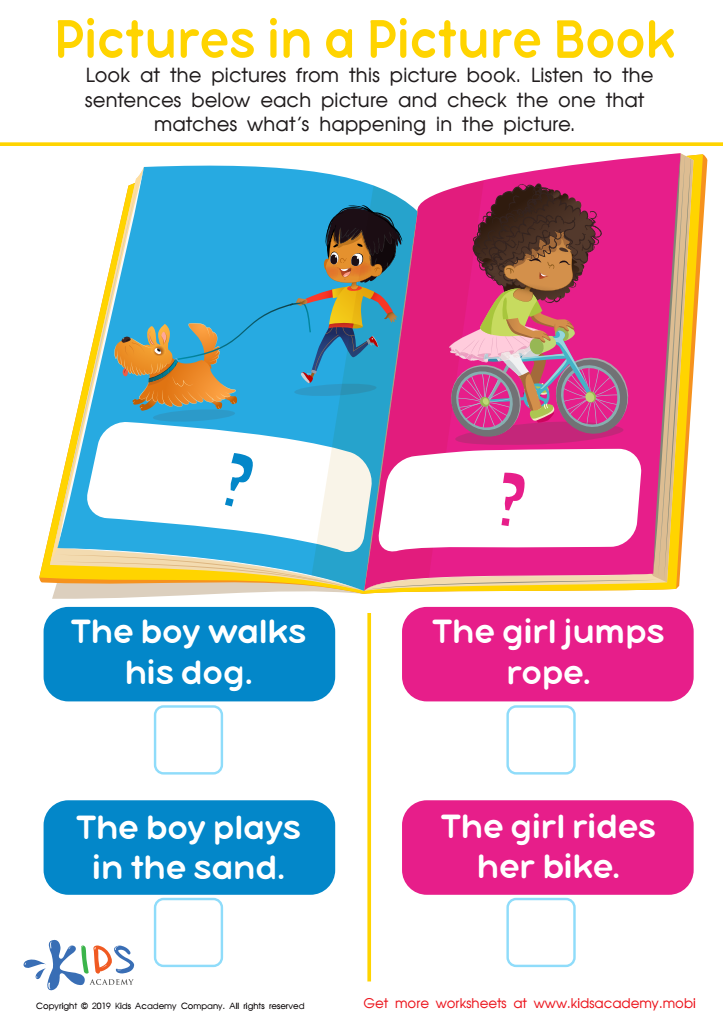
Picture in Books Worksheet
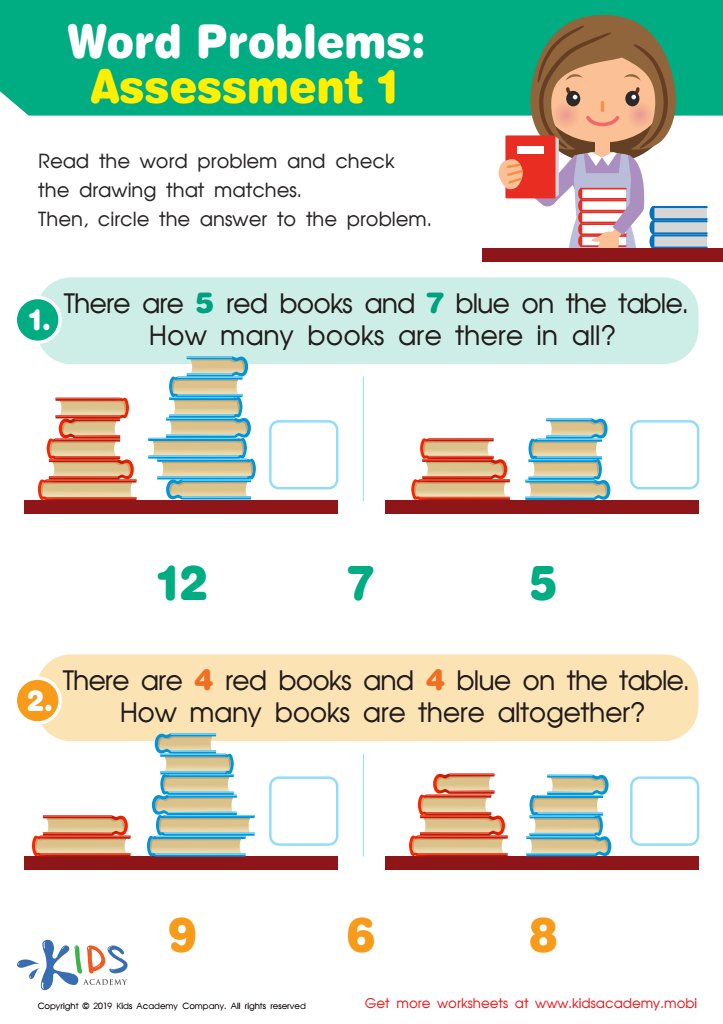
Word Problems: Assessment 1 Worksheet
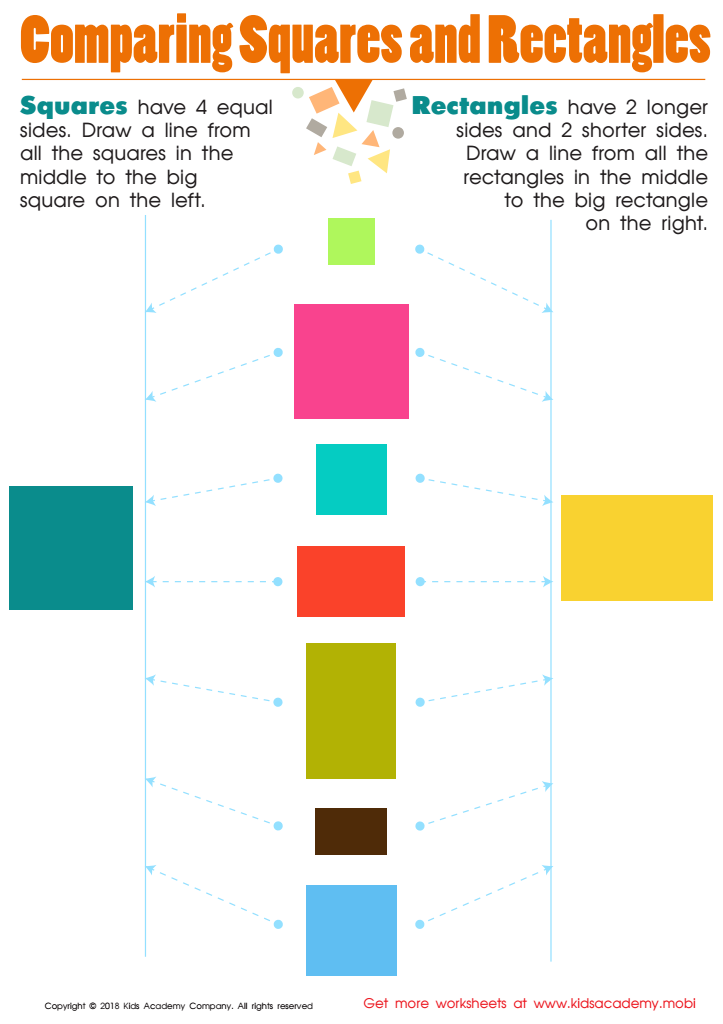
Comparing Squares Rectangles Worksheet
Easter: a Bunny and a Lamb Worksheet
Assign to My Students
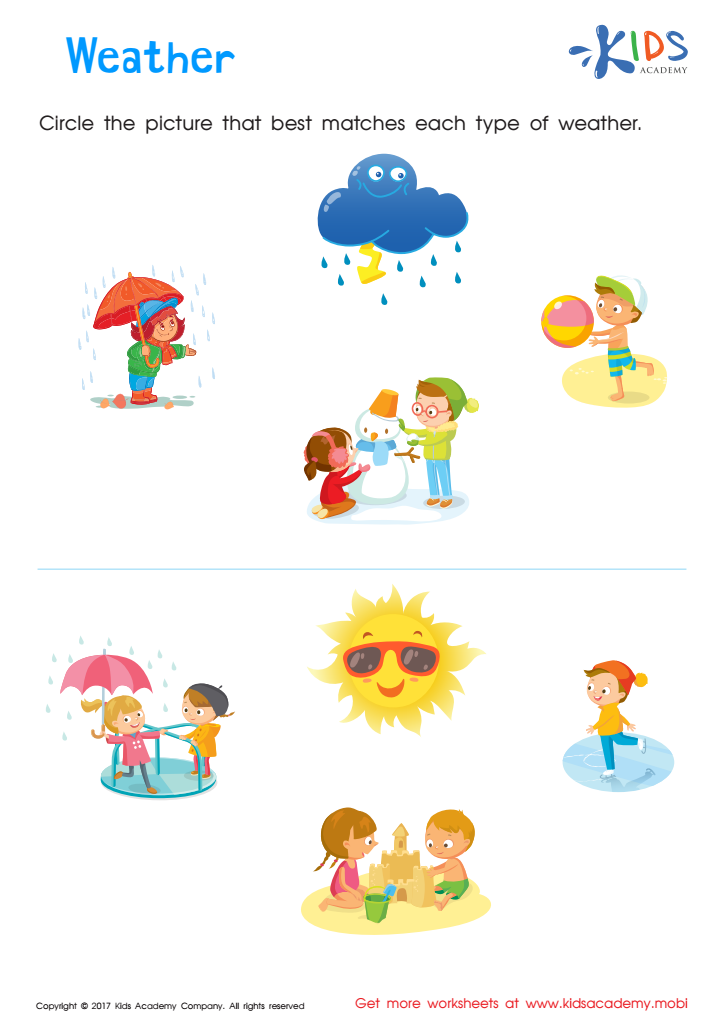
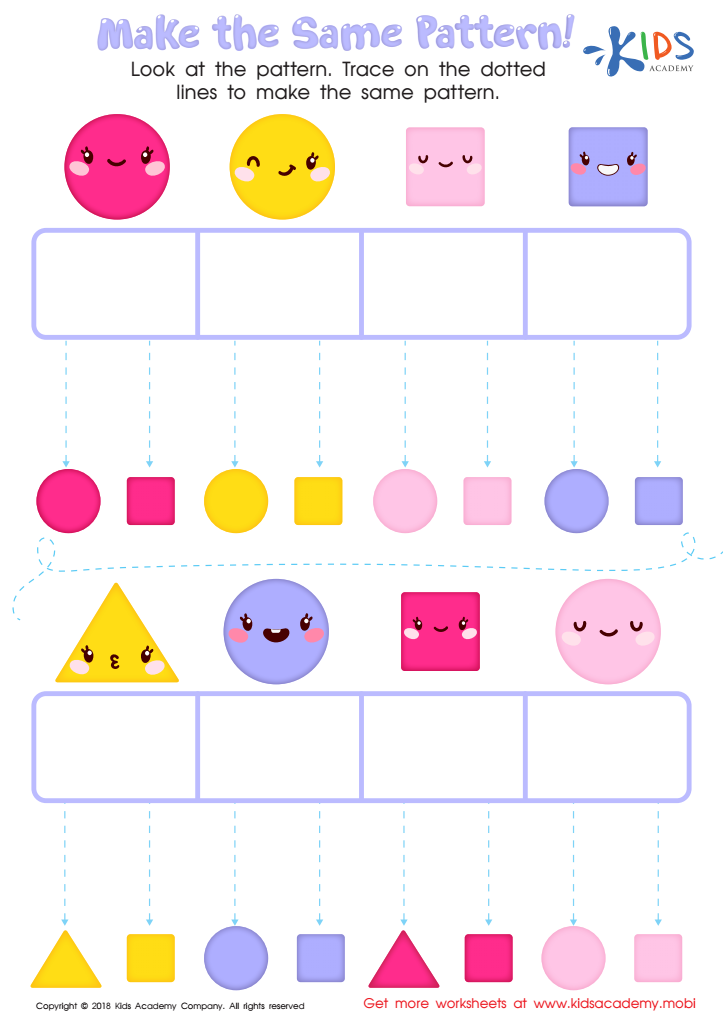
Make the Same Pattern Worksheet
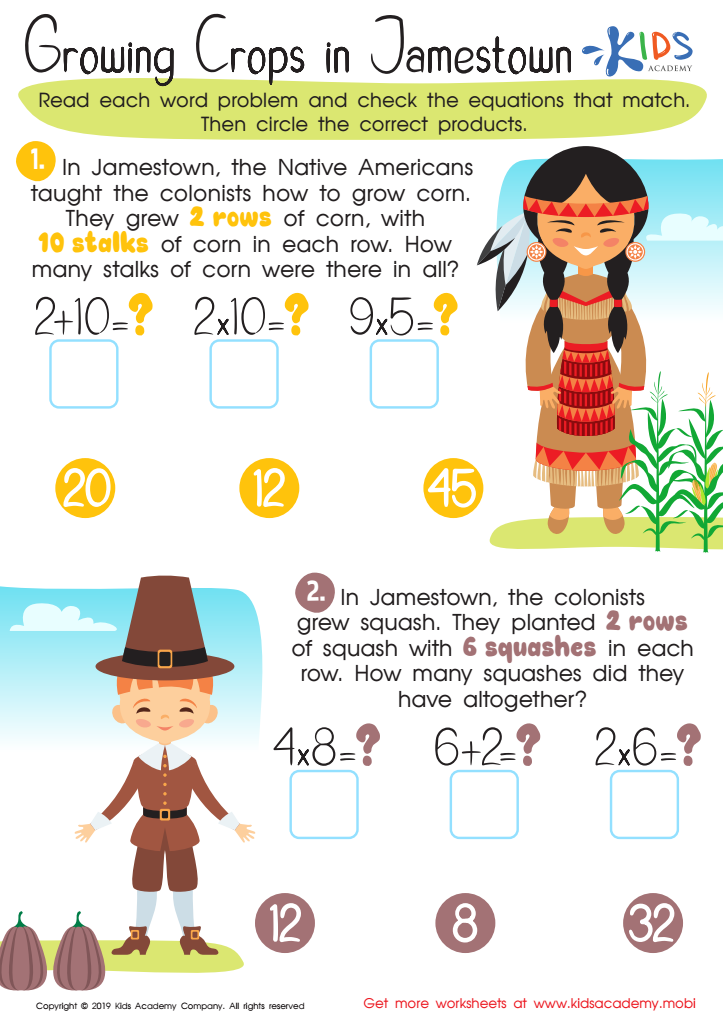
Growing Jamestown Worksheet
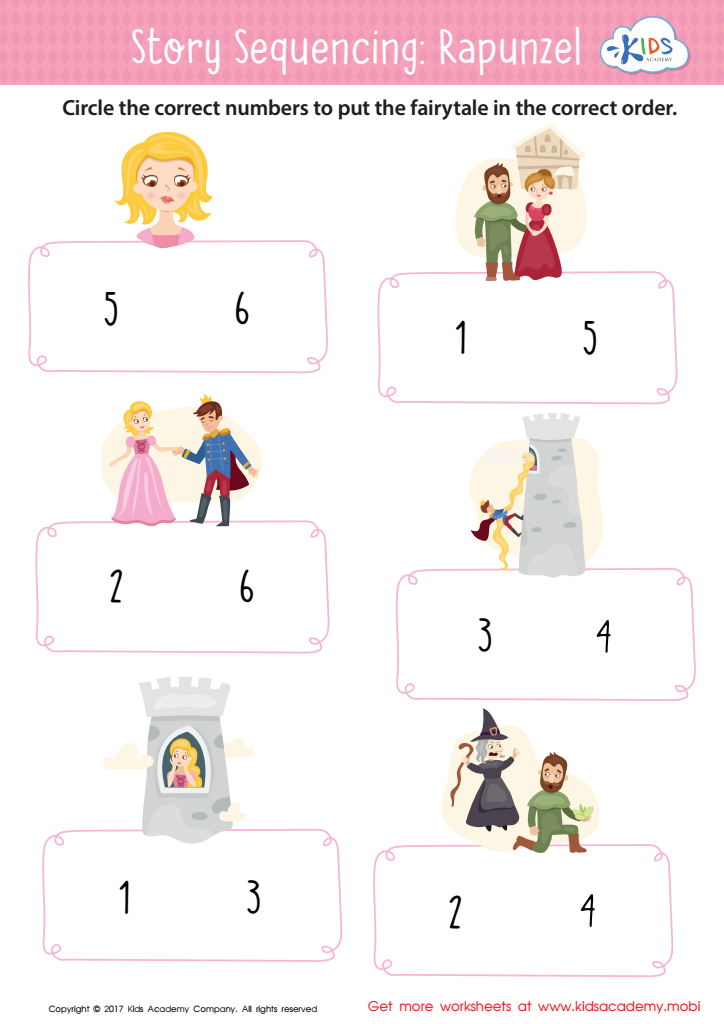
Rapunzel Story Sequencing Worksheet
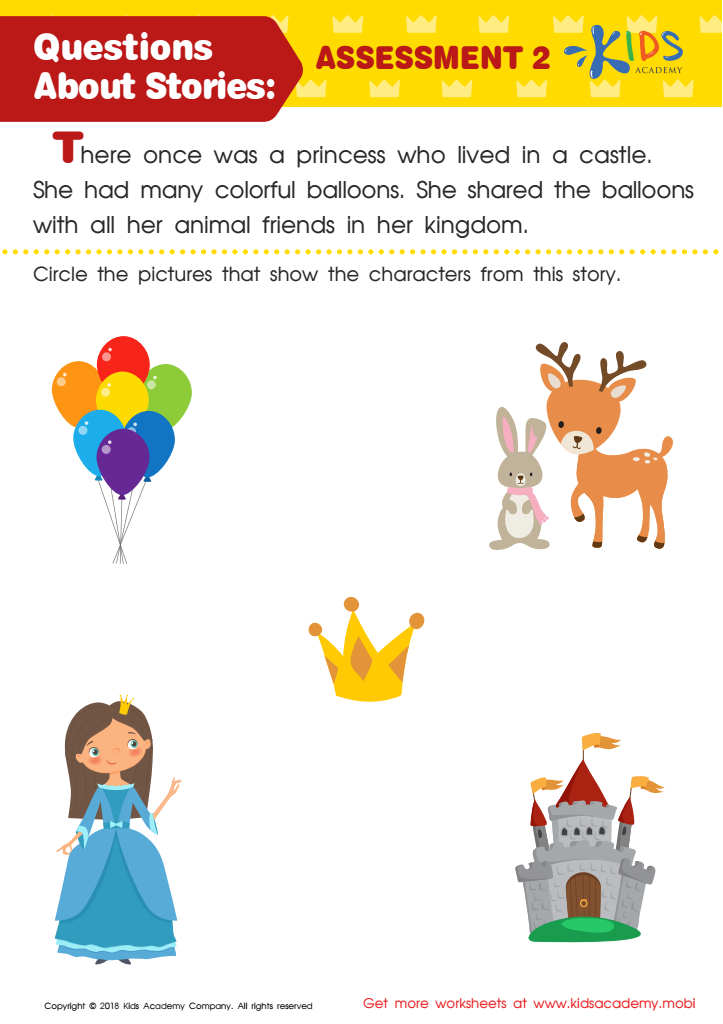
Questions About Stories: Assessment 2 Worksheet
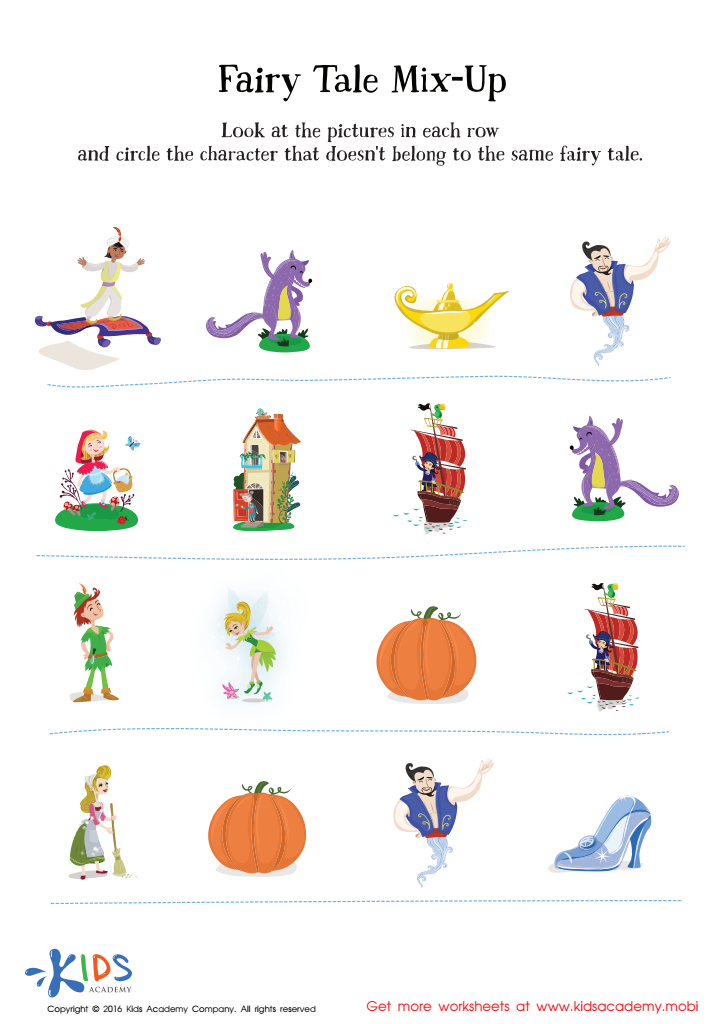
Fairy Tale Worksheet: Story Mix Up



.jpg)


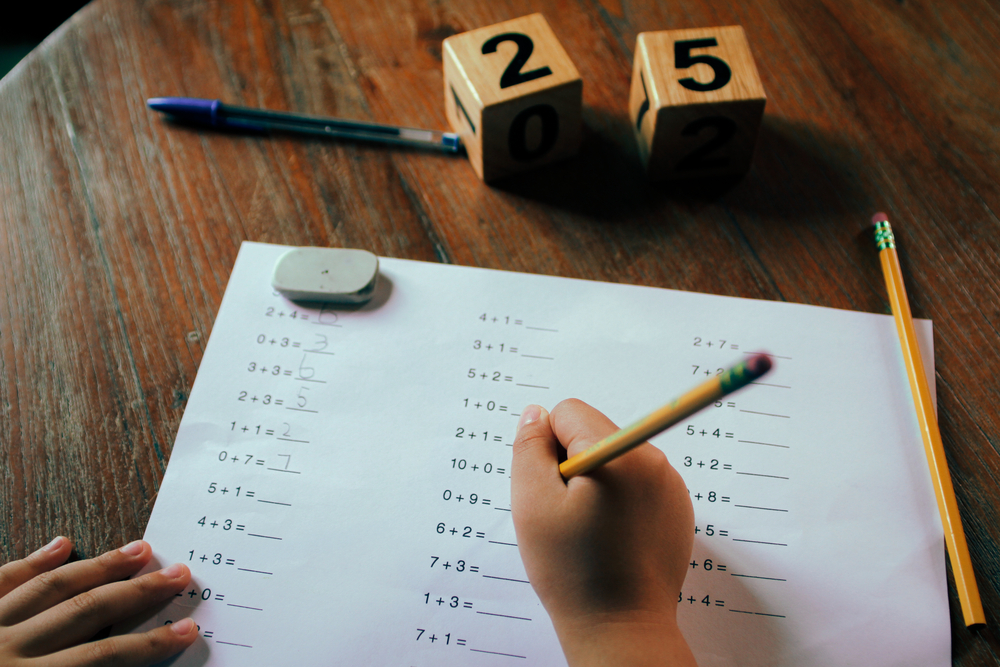

Supporting critical thinking in 3-year-olds is crucial for their cognitive and social development. Critical thinking involves analyzing, comparing, and evaluating information, which helps young minds understand the world around them. For parents and teachers, fostering these skills early on lays a strong foundation for lifelong learning and problem-solving.
Three-year-olds are naturally curious. By encouraging critical thinking, adults can help channel this curiosity into productive exploration and questioning. This not only enhances cognitive development but also boosts language skills, as children learn to express their thoughts and articulate questions more effectively. Engaging them in activities that require making choices, recognizing patterns, and solving simple problems, like puzzles or memory games, supports these budding skills.
Furthermore, early critical thinking helps children develop social-emotional skills, such as empathy and cooperation. When children learn to consider different perspectives, they become more adept at understanding and relating to others' feelings and actions. This is beneficial for their interactions with peers and adults alike.
Ultimately, nurturing critical thinking in preschoolers equips them with essential tools for school readiness, adaptability, and lifelong success. Parents and teachers who prioritize these skills are not just teaching children how to think, but also empowering them to become thoughtful, curious, and capable individuals.








