Identification skills Worksheets for 3-Year-Olds
4 filtered results
-
From - To
Discover our engaging Identification Skills Worksheets for 3-year-olds, designed to enhance your child's observational and cognitive abilities. These interactive worksheets introduce young learners to various concepts such as shapes, colors, and everyday objects, promoting critical thinking and early literacy skills. Each activity is tailored to stimulate curiosity and encourage independent learning, making it easy for parents and teachers to support children's development. With vibrant illustrations and simple instructions, our worksheets provide an enjoyable way for children to practice identifying and categorizing objects. Help your little ones develop essential identification skills to set the foundation for their future learning adventures!
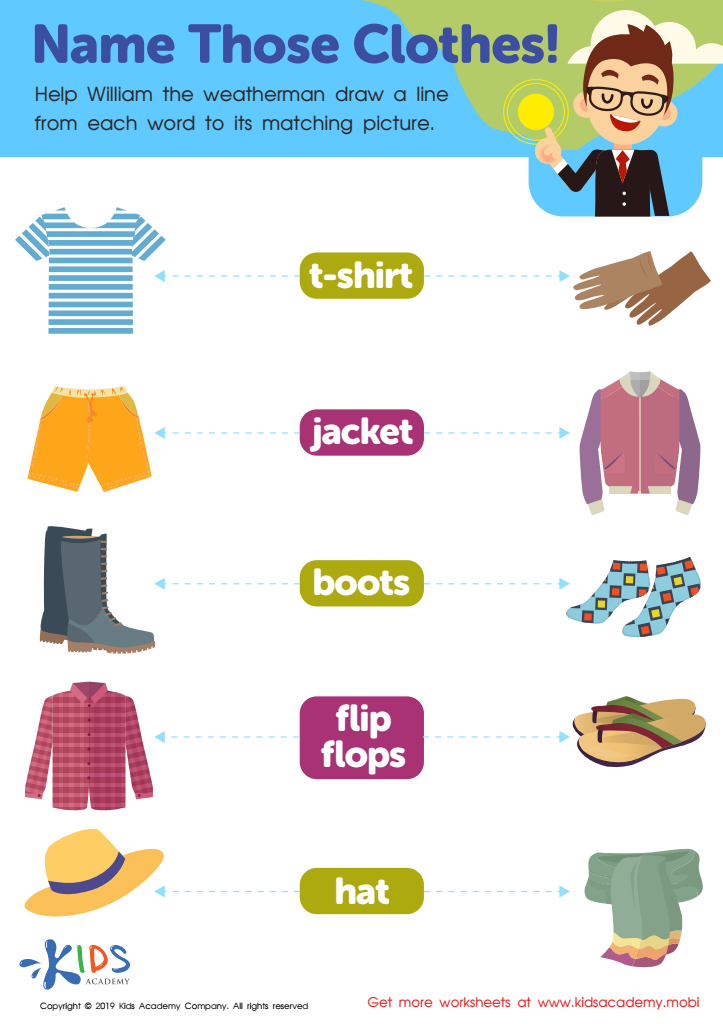
Name Those Clothes Worksheet
 Assign to My Students
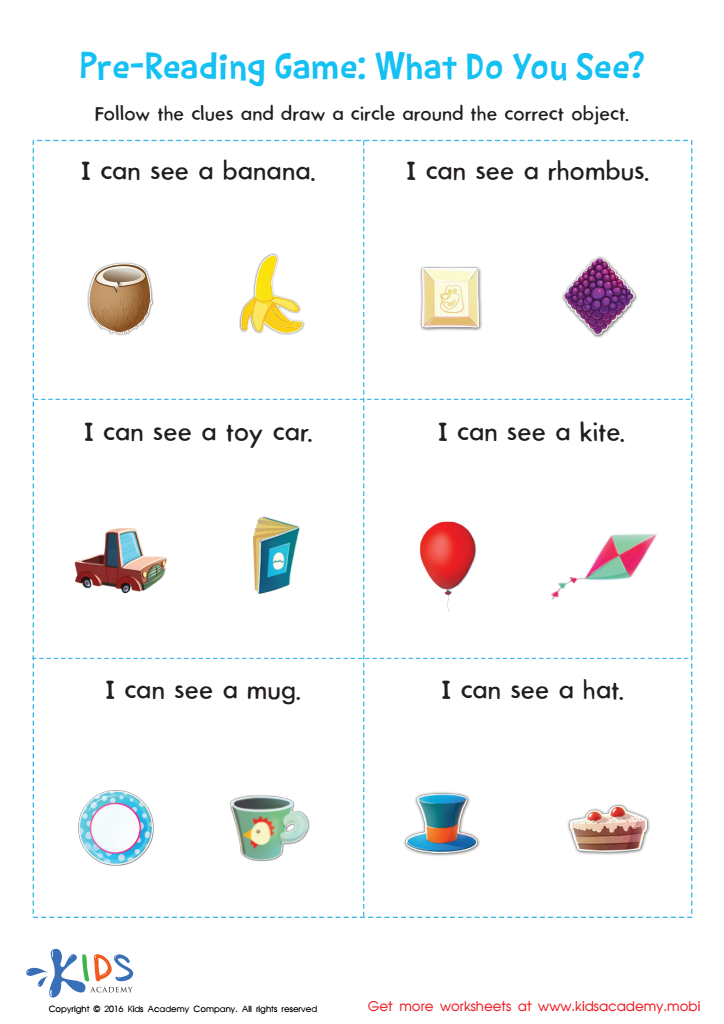
Pre–reading Worksheet: What Do You See?
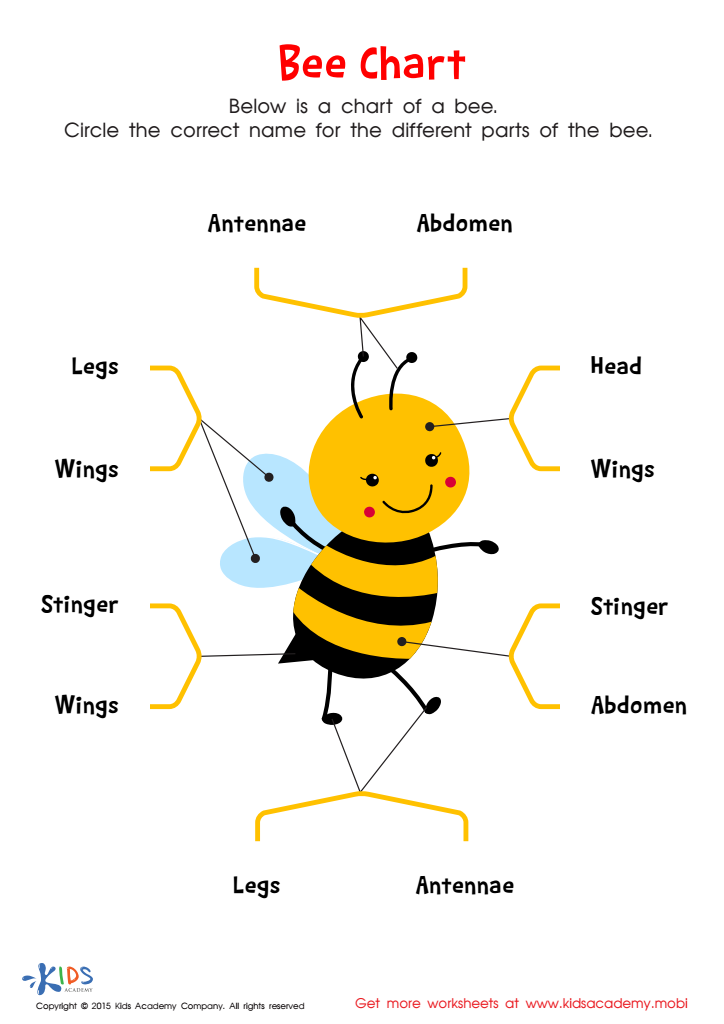
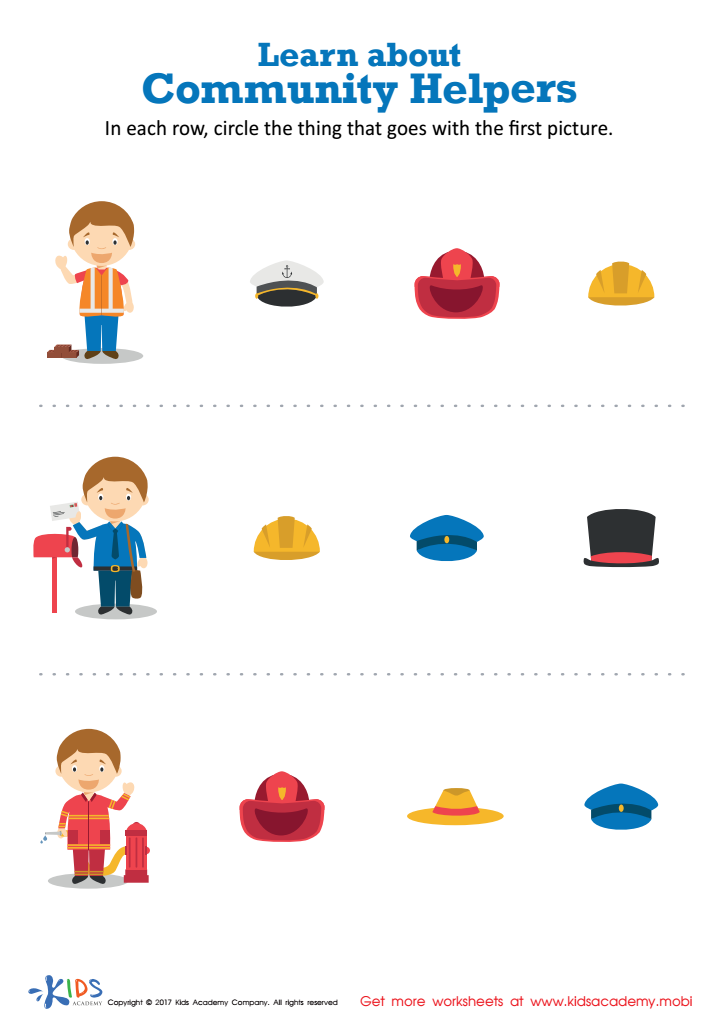
Learn about Community Helpers Printable






.jpg)
Identification skills are crucial for 3-year-olds as they form the foundation for early learning and cognitive development. At this age, children begin to recognize and name objects, colors, shapes, letters, numbers, and even emotions. This skill not only enhances vocabulary but also fosters critical thinking and observation skills. When parents and teachers emphasize identification skills, they contribute to a child's ability to categorize information, which is vital for problem-solving later in life.
Moreover, strong identification skills promote self-confidence and social interactions. For instance, when a child can identify and name common items, they are more likely to engage in conversations, express their needs, and form relationships with peers. This lays the groundwork for cooperative play and positive communication.
Additionally, the early years are pivotal for brain development. Activities that strengthen identification skills, such as reading books, singing songs, or playing sorting games, stimulate brain growth, creating neural pathways that enhance future learning. Consequently, investing time and attention into developing these skills ultimately enriches a child's educational journey and sets them up for success in school and beyond. Both parents and teachers play a vital role in this developmental stage, making it essential to prioritize identification skill activities.








