Improve counting skills Worksheets for 3-Year-Olds
13 filtered results
-
From - To
Welcome to our "Improve Counting Skills Worksheets for 3-Year-Olds" page! Designed for early learners, these engaging worksheets foster foundational math skills through fun, interactive activities. Each worksheet encourages toddlers to identify numbers, count objects, and match quantities, promoting a deeper understanding of counting in a playful manner. With colorful visuals and age-appropriate challenges, your child will build confidence and essential skills while enjoying the learning process. Printable and easy to use, these worksheets serve as a valuable resource for parents and educators alike. Explore our collection and support your child’s journey to becoming a counting superstar!
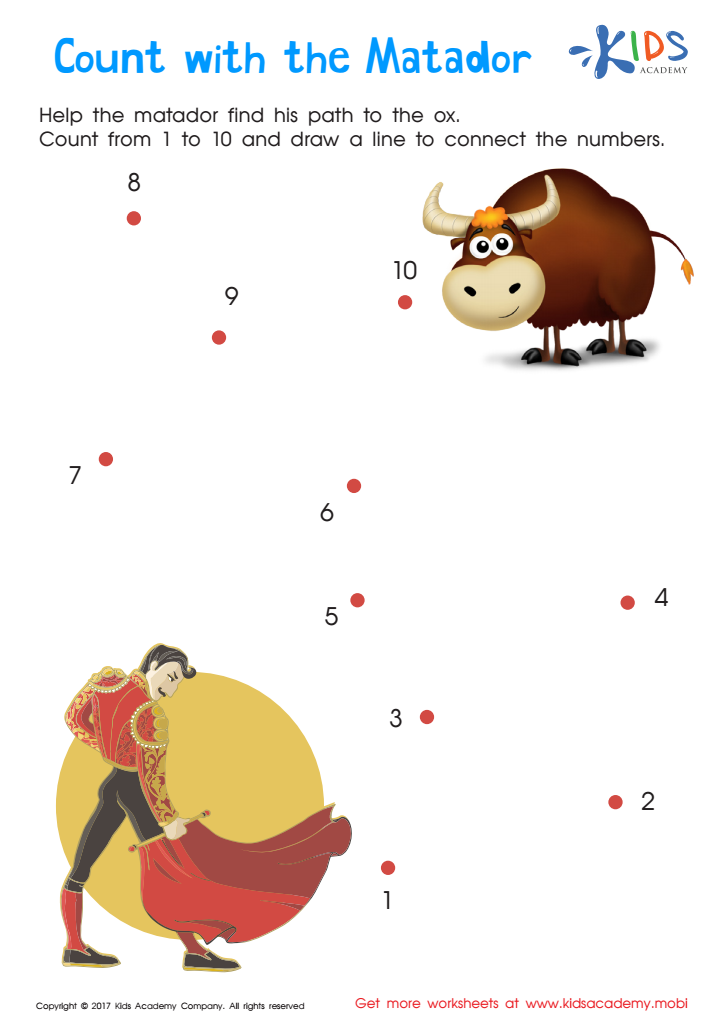
 Assign to My Students
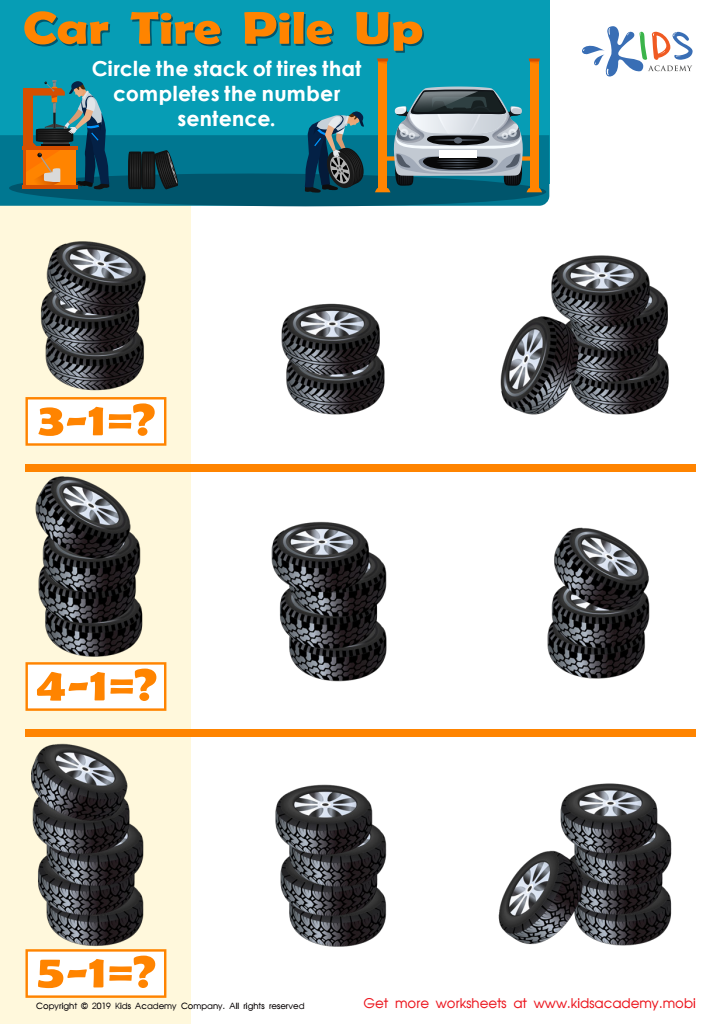
Car Tire Pile Up Worksheet
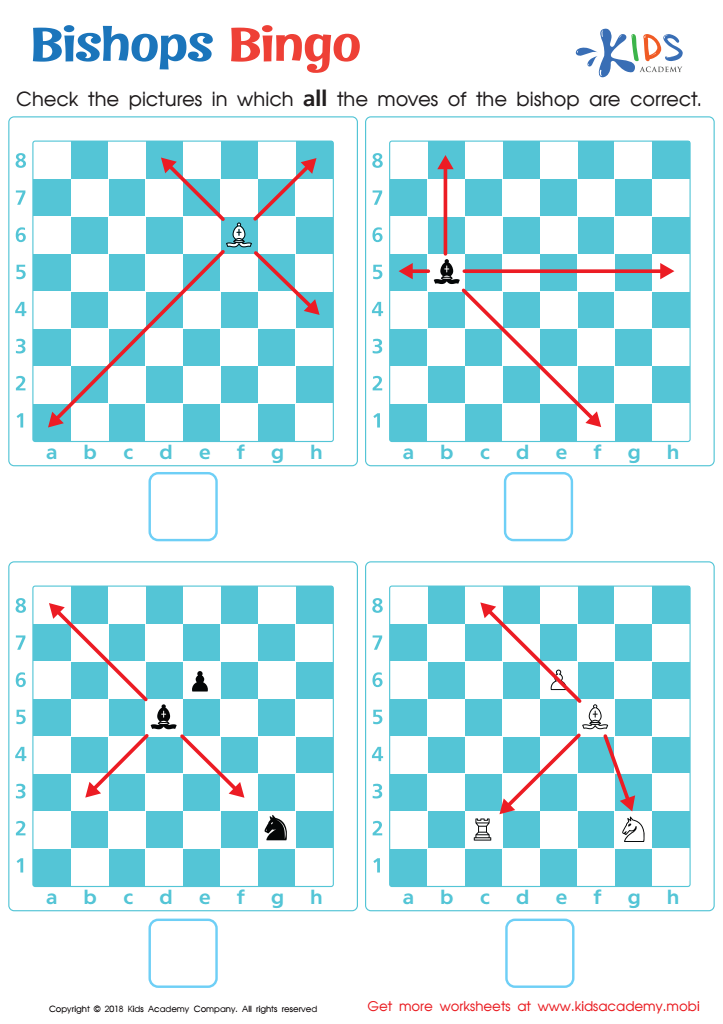
Bishops Bingo Worksheet
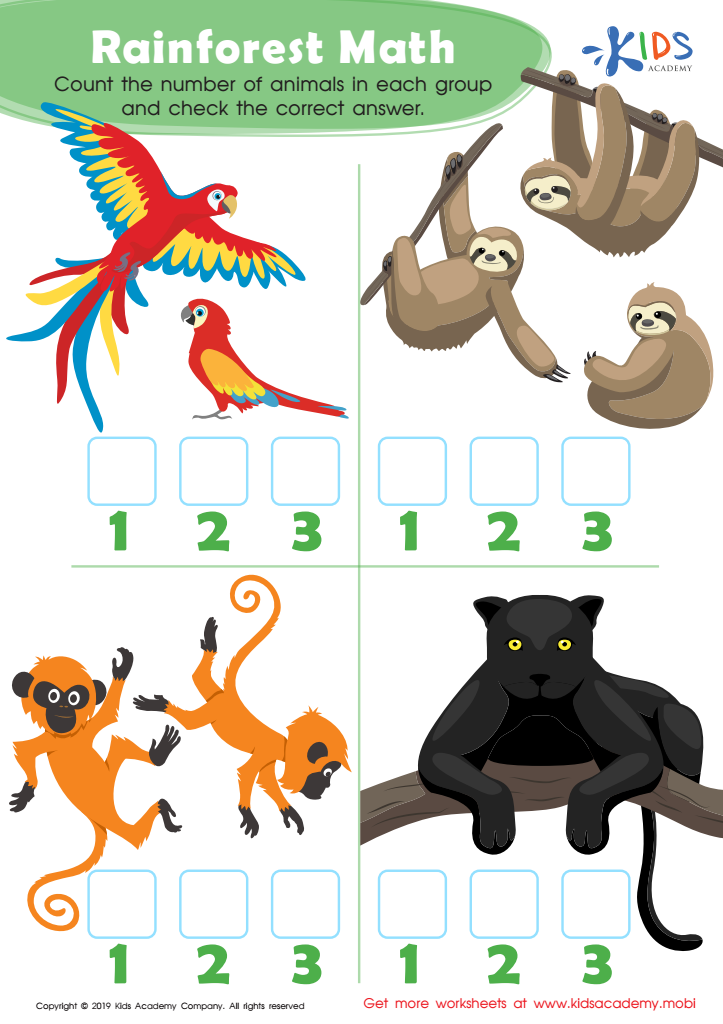
Rainforest Math Worksheet
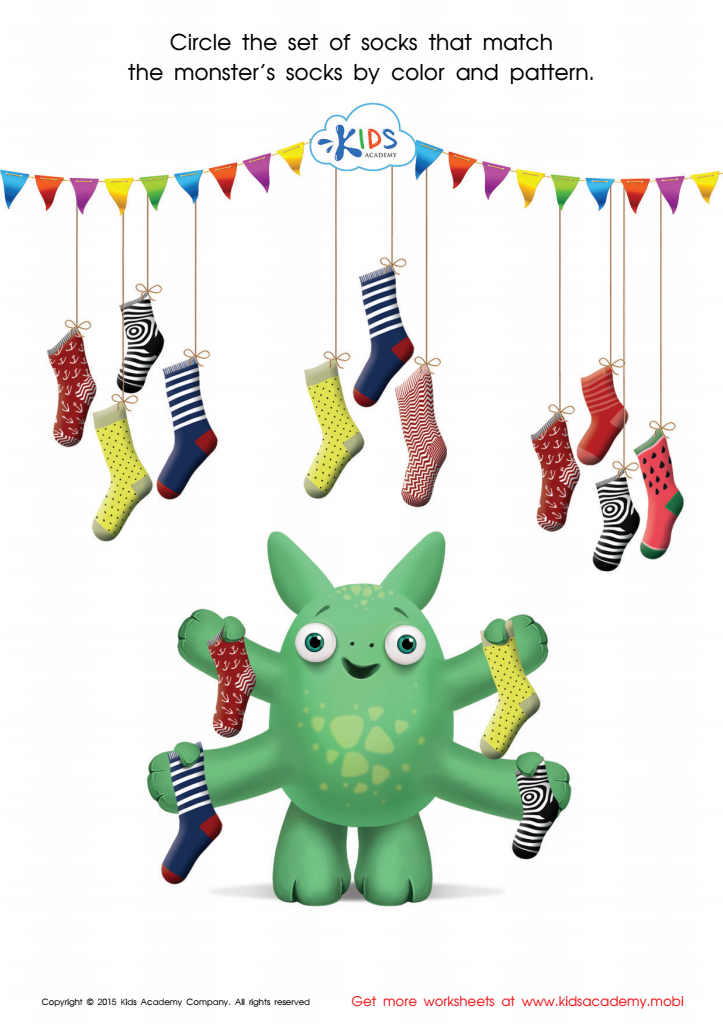
Connecting the Monster's Socks Printable
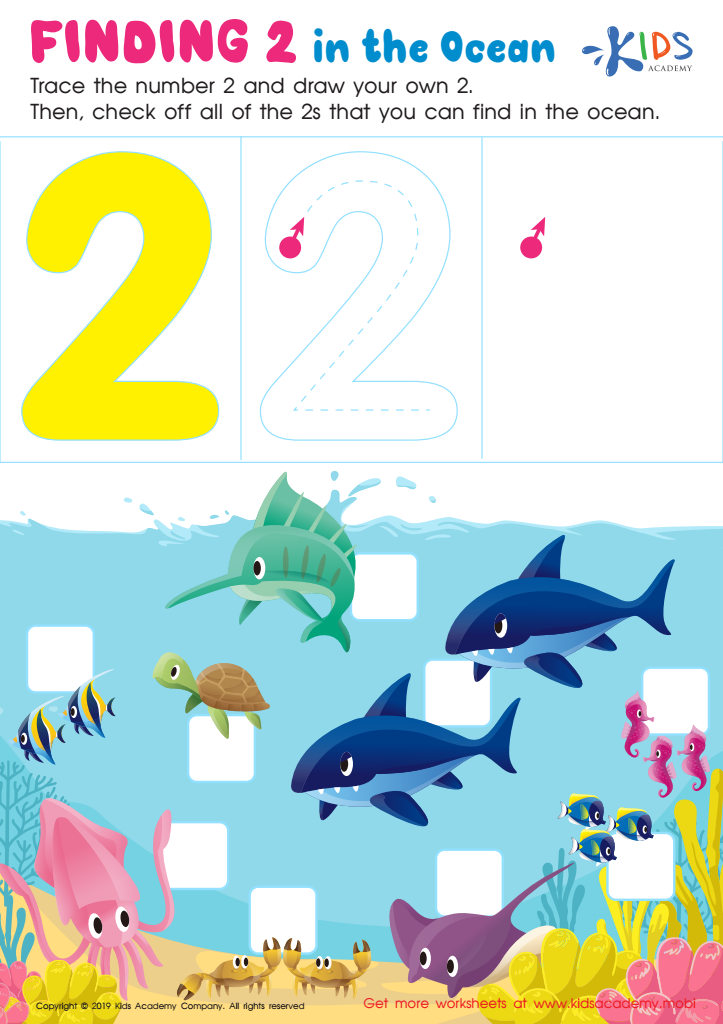
Finding 2: In the Ocean Worksheet

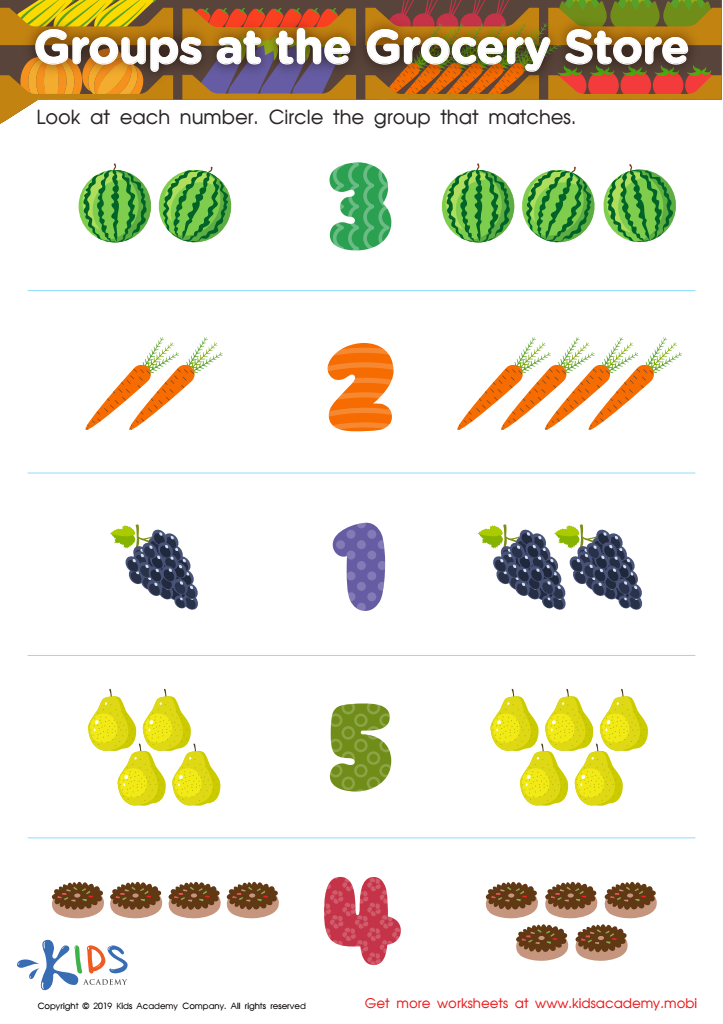
Groups at the Grocery Store Worksheet
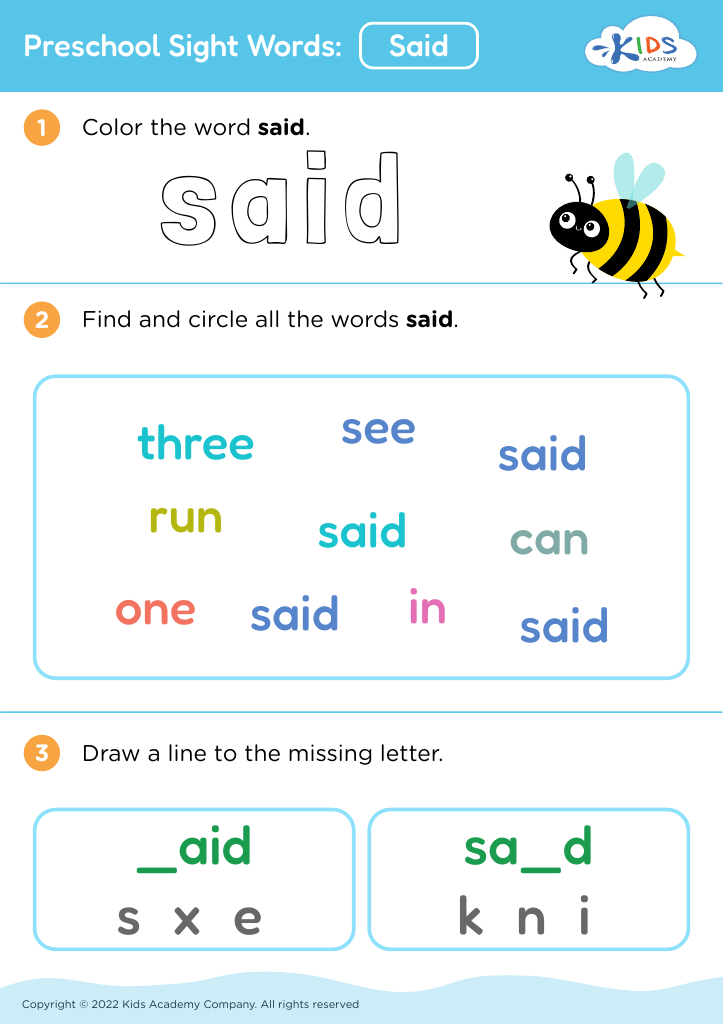
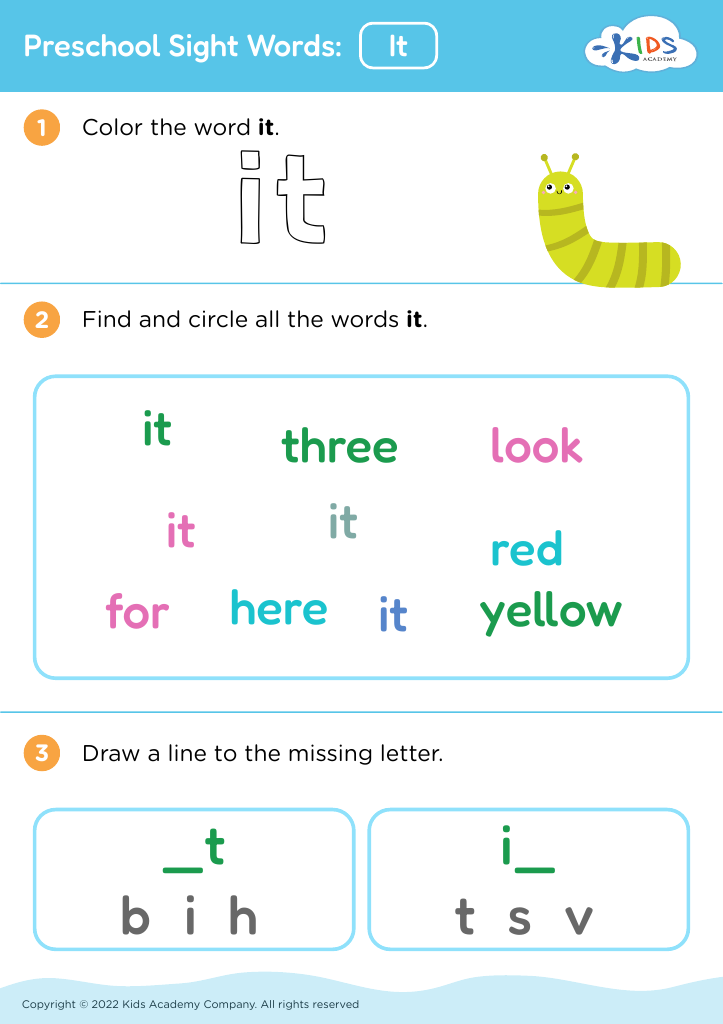
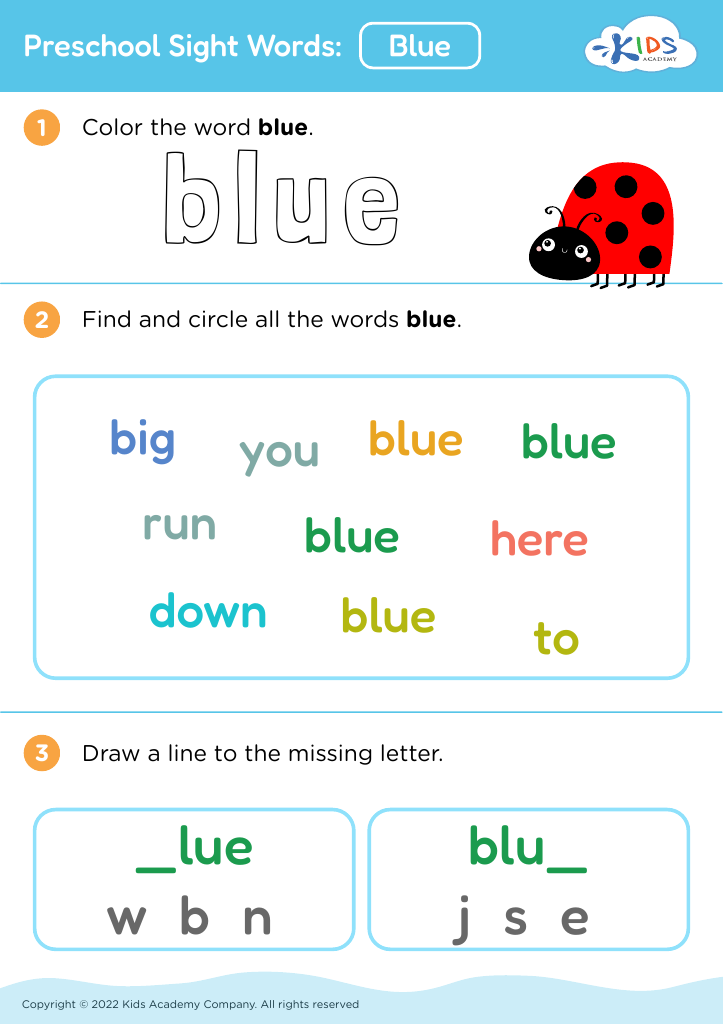








Improving counting skills for 3-year-olds is crucial for several reasons. First, counting lays the foundation for mathematical concepts that children will encounter later in their education. At this age, developing these skills promotes logical thinking and problem-solving abilities, fostering cognitive growth.
Moreover, counting engages young learners and helps them understand the world around them. For instance, recognizing numbers in daily life—like counting toys or snacks—enriches their vocabulary and familiarity with numbers. This exploration can turn into a fun and interactive activity, encouraging curiosity and a love for learning.
Additionally, strengthening counting skills supports children's social and emotional development. Activities that involve counting often incorporate sharing, taking turns, and teamwork. These experiences teach crucial social skills such as cooperation and communication.
Finally, proficient counting is linked to heightened school readiness. Children with strong early math skills are more likely to excel academically, paving the way for future success. Overall, caregivers—parents and teachers—play a vital role in nurturing counting abilities, ensuring a well-rounded development that fosters curiosity, confidence, and success in learning. Investing time now pays off significantly as children progress through their educational journey.








