Shape Recognition Worksheets for 3-Year-Olds - Page 2
45 filtered results
-
From - To
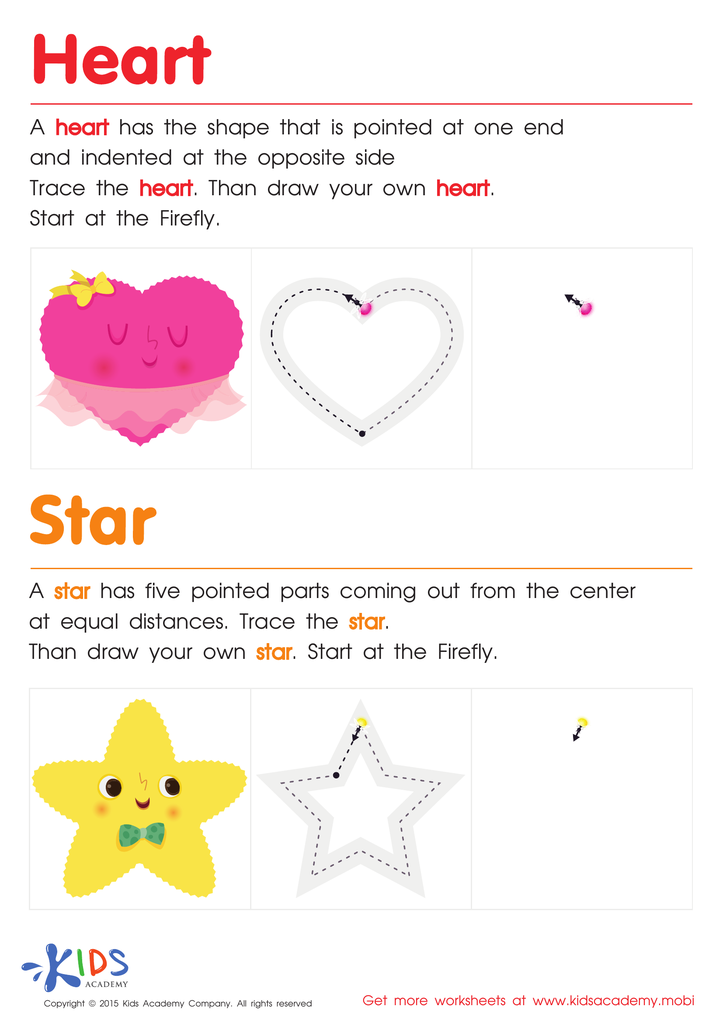
Let's Learn to Draw Hearts And Stars Printable
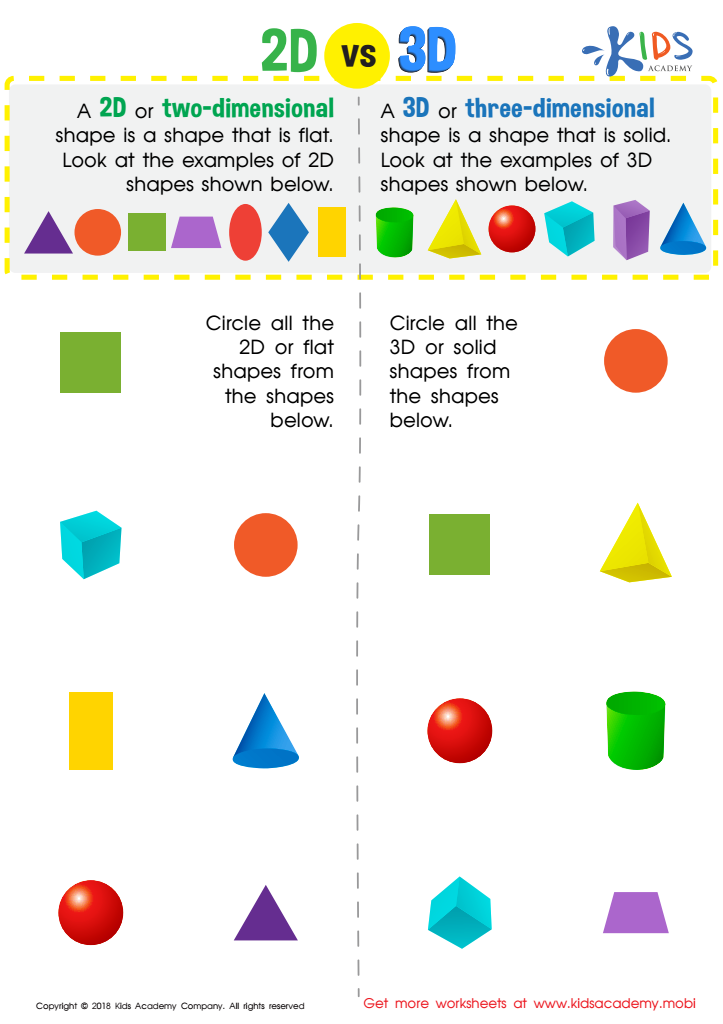
2D vs 3D Shapes Worksheet
Curved Lines Tracing Worksheet
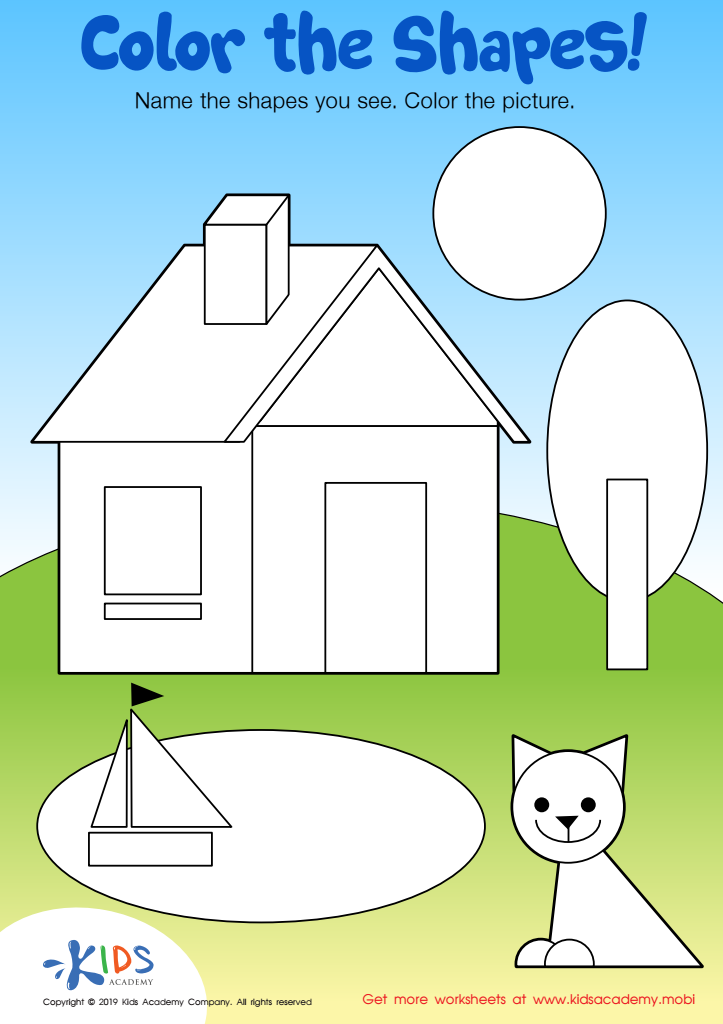
Color the Shapes Worksheet
 Assign to My Students
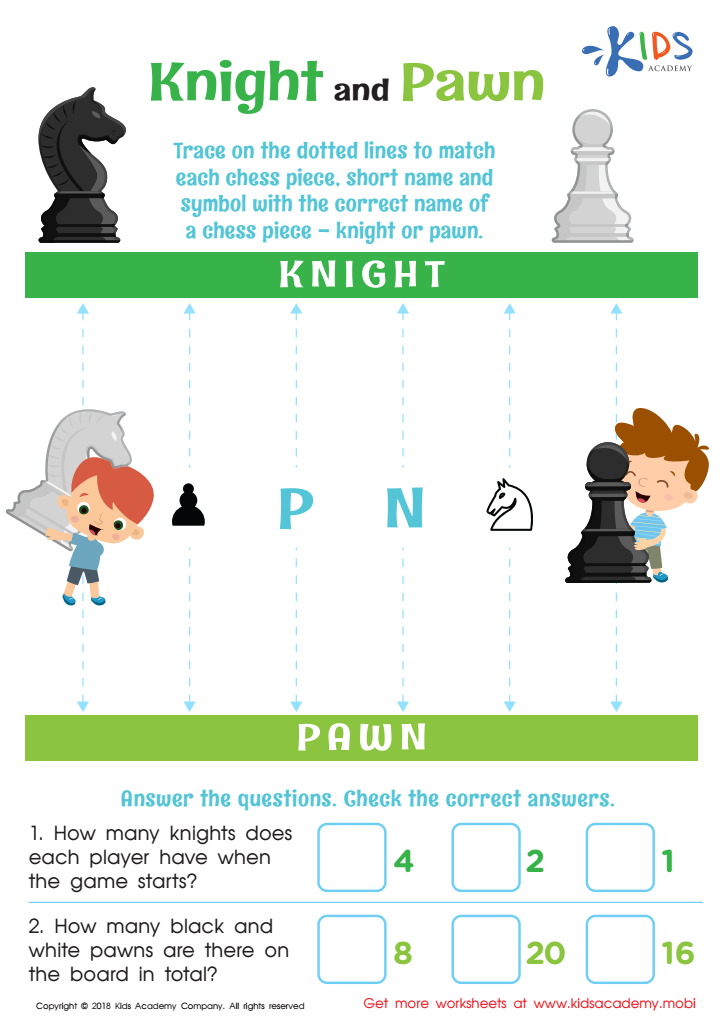
Knight and Pawn Worksheet
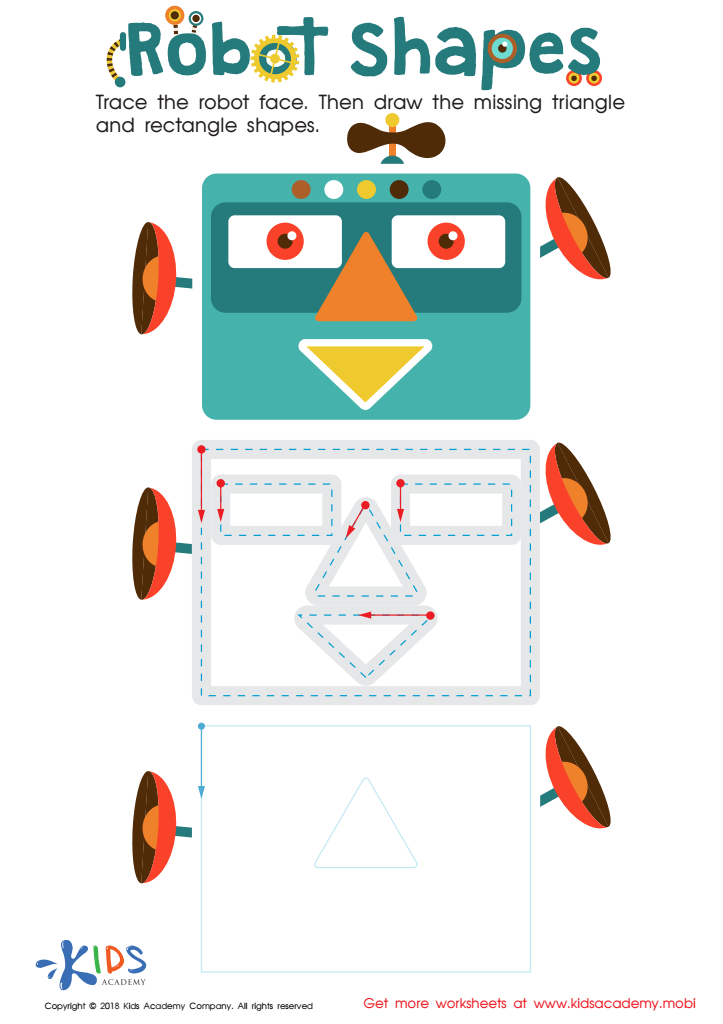
Robot Shapes Worksheet
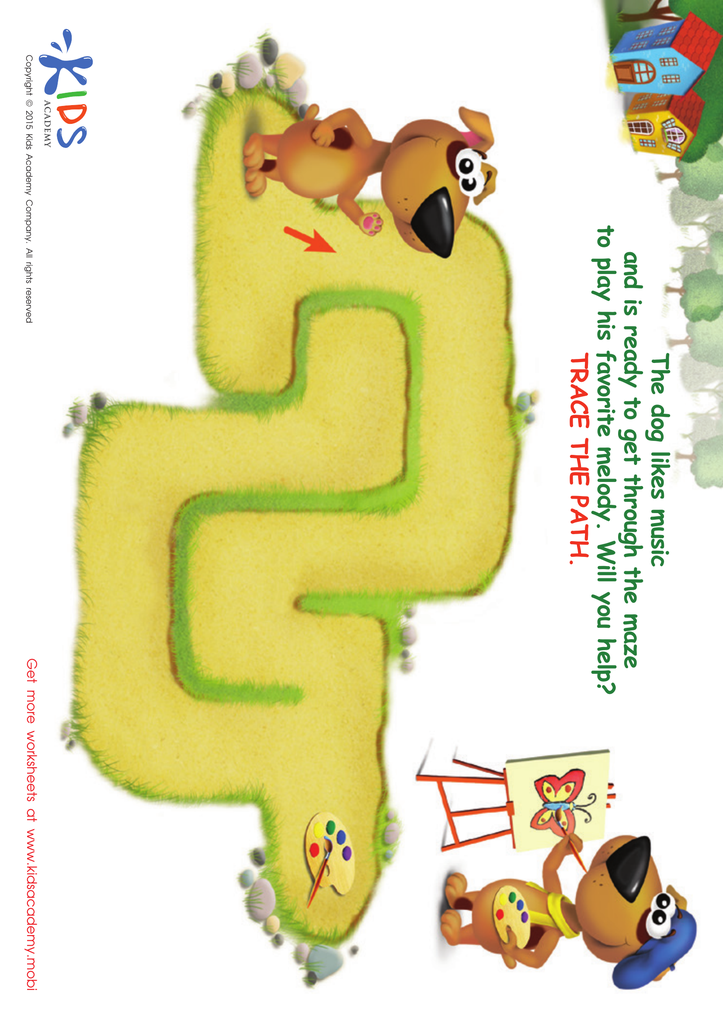
Artist Maze Worksheet
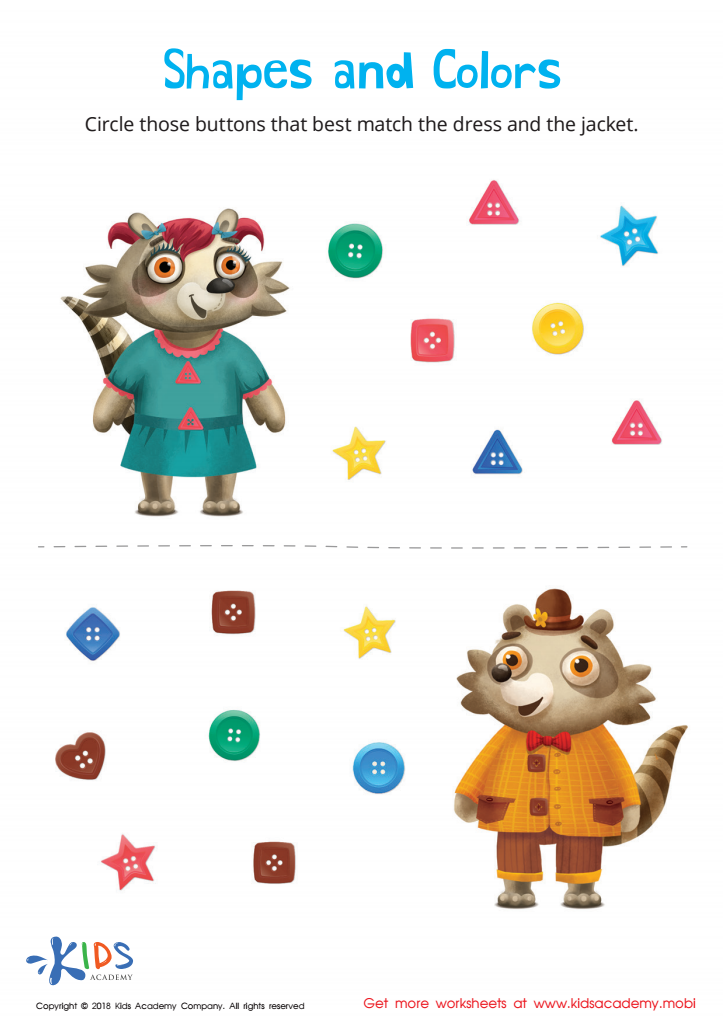
Shapes and Colors Worksheet
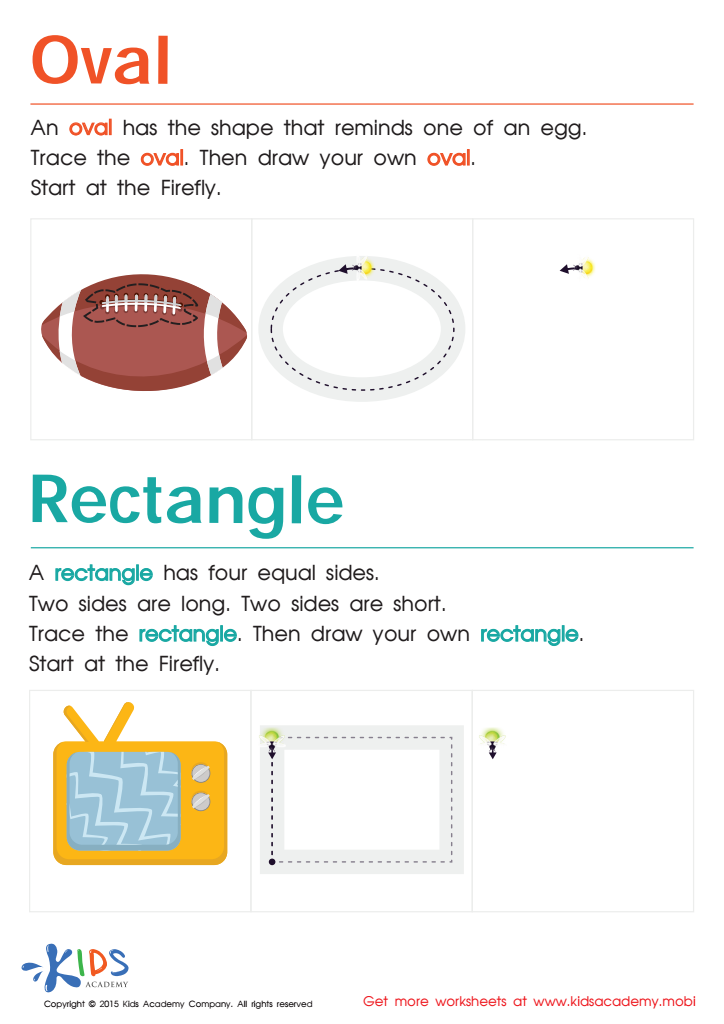
Easy Drawing of Ovals And Rectangles Worksheet
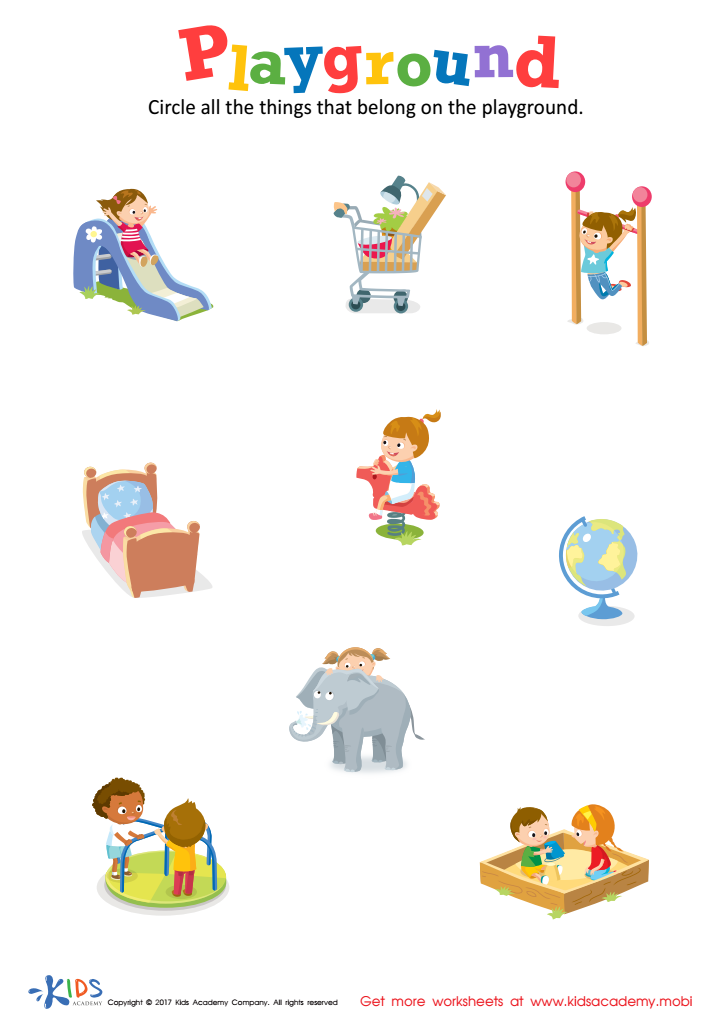
Playground Worksheet
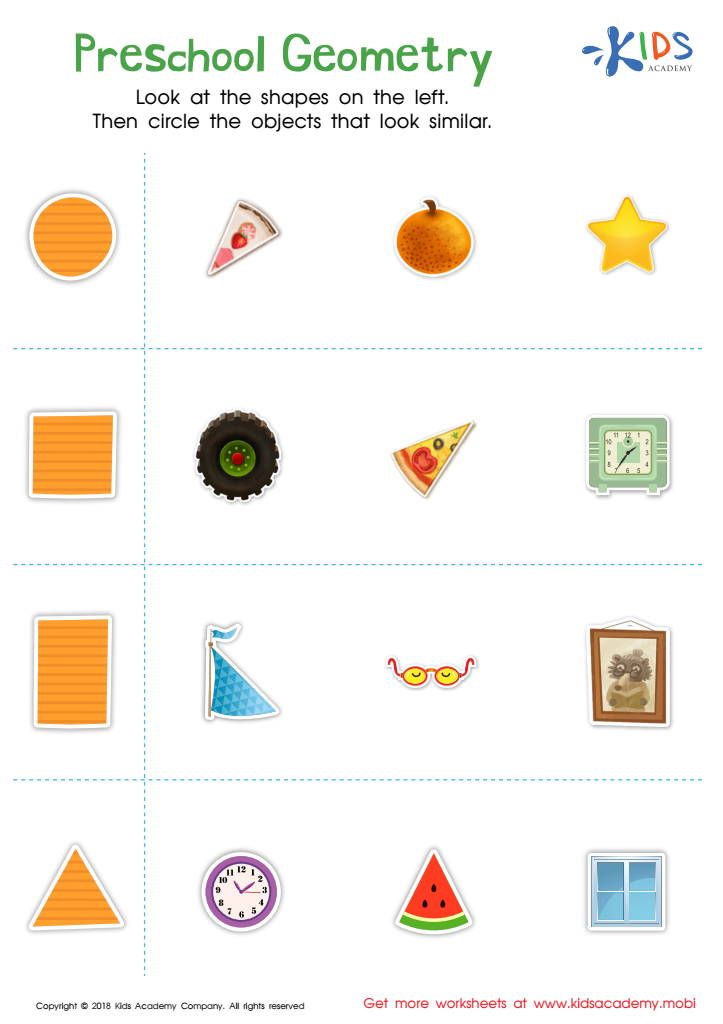
Preschool Geometry Worksheet
Turkey Thanksgiving Day Worksheet
Assign to My Students
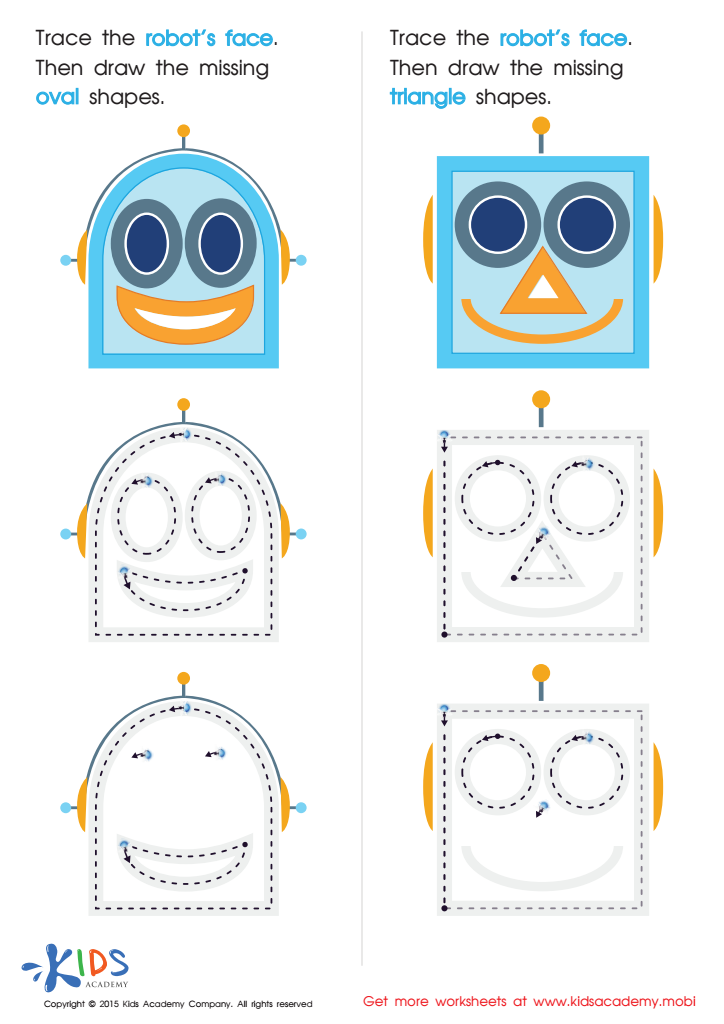
Drawing Ovals And Triangles with Fun Printable
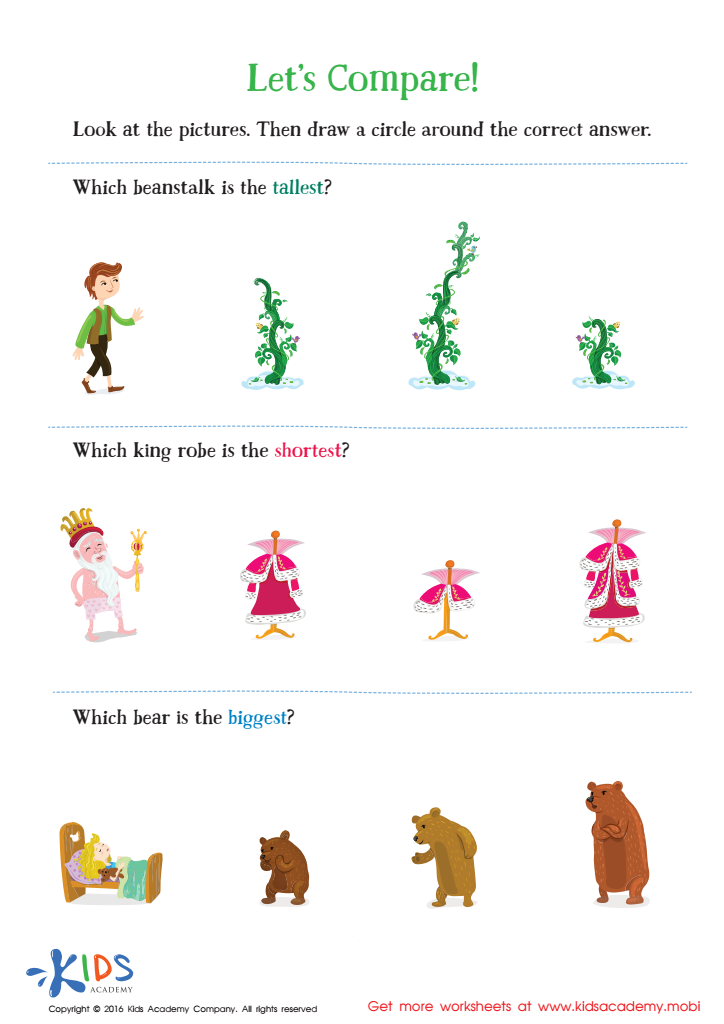
Fairy Tale Worksheet: Let's Compare
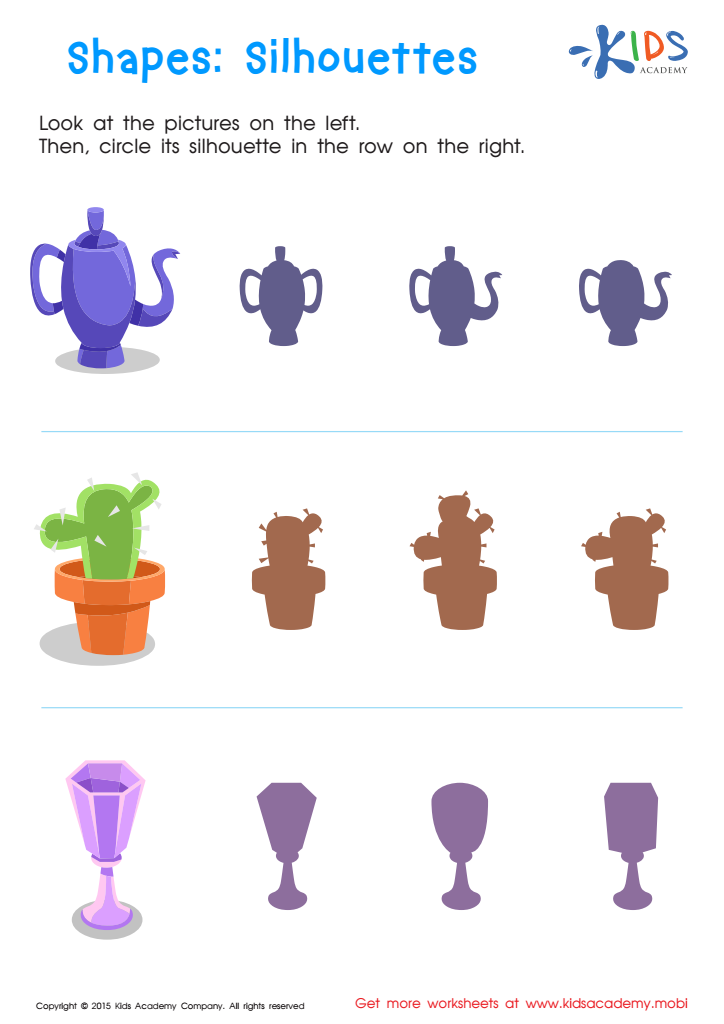
Silhouettes – Shapes Worksheet
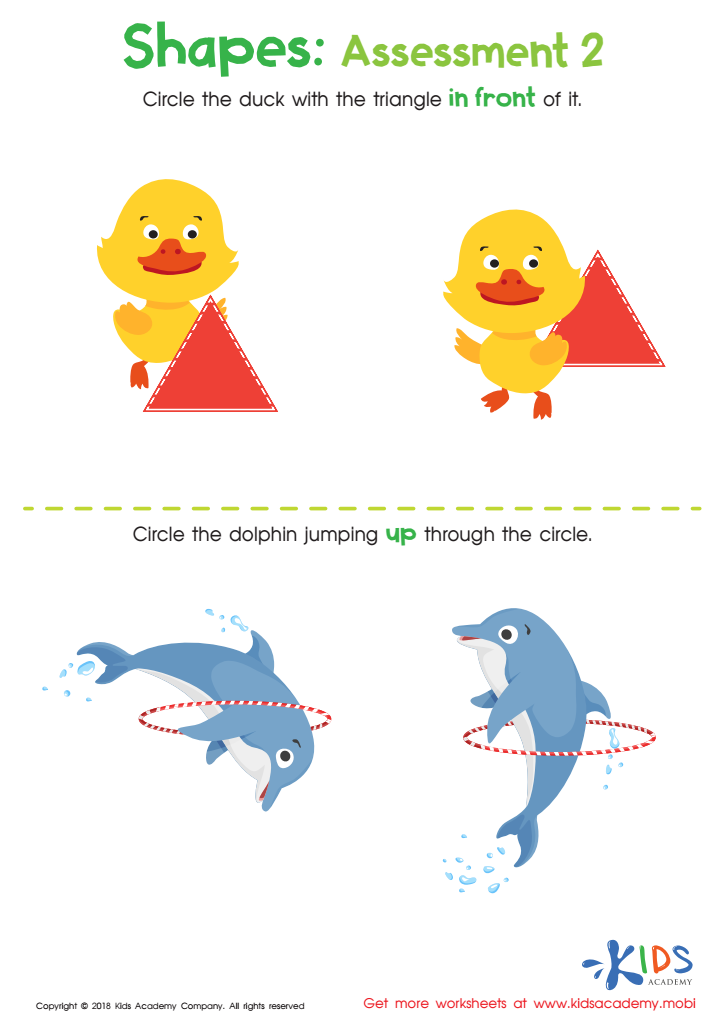
Geometry – Assessment 2 Worksheet
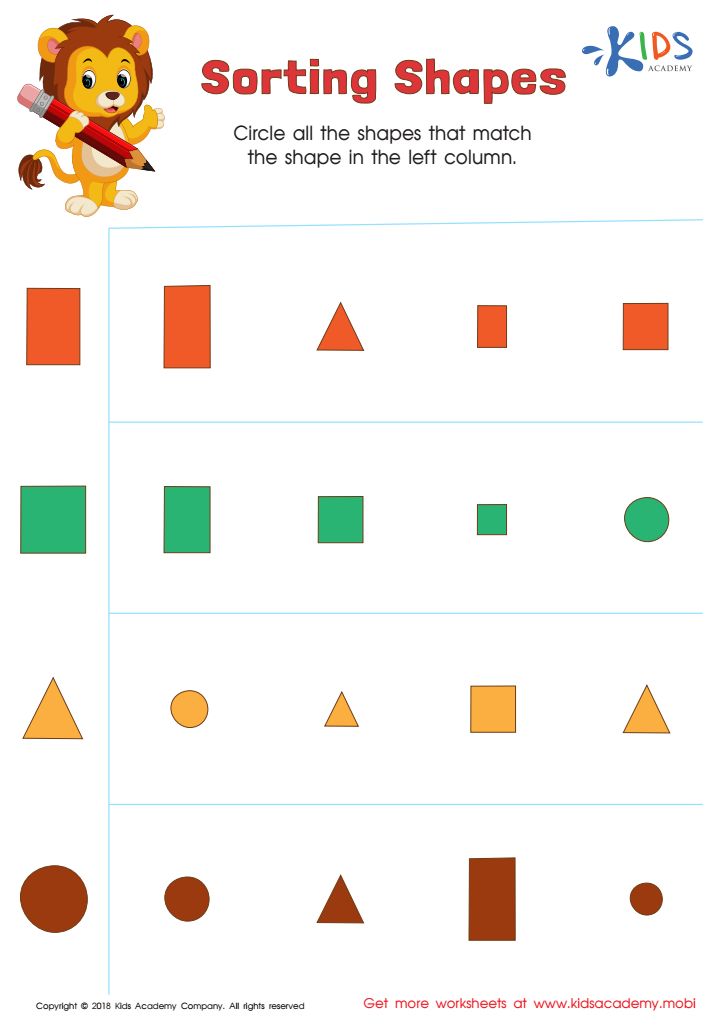
Sorting Shapes - Part 2 Worksheet
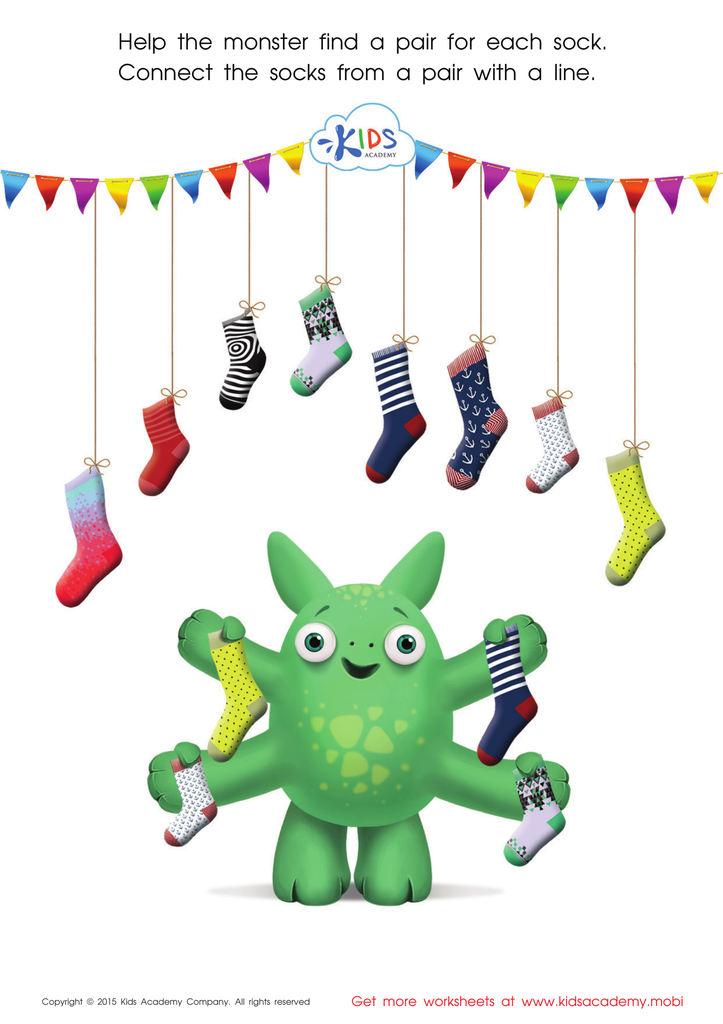
Math Matching Pairs Game: Monsterв's Socks Worksheet
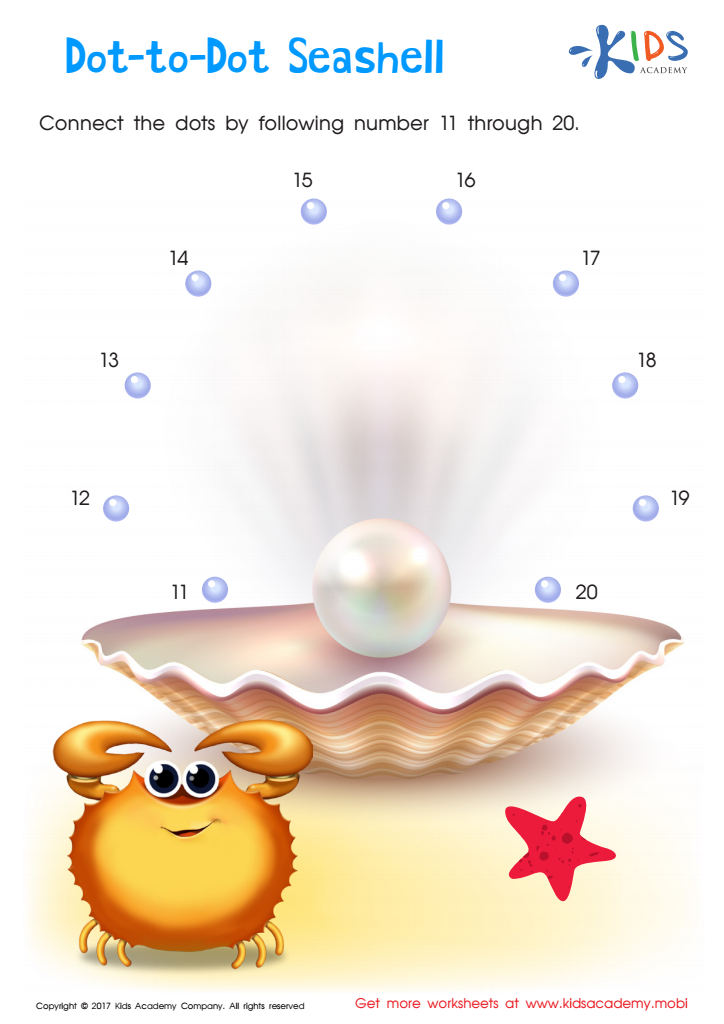
Ordering 11–20: Dot–to–dot Seashell Printable
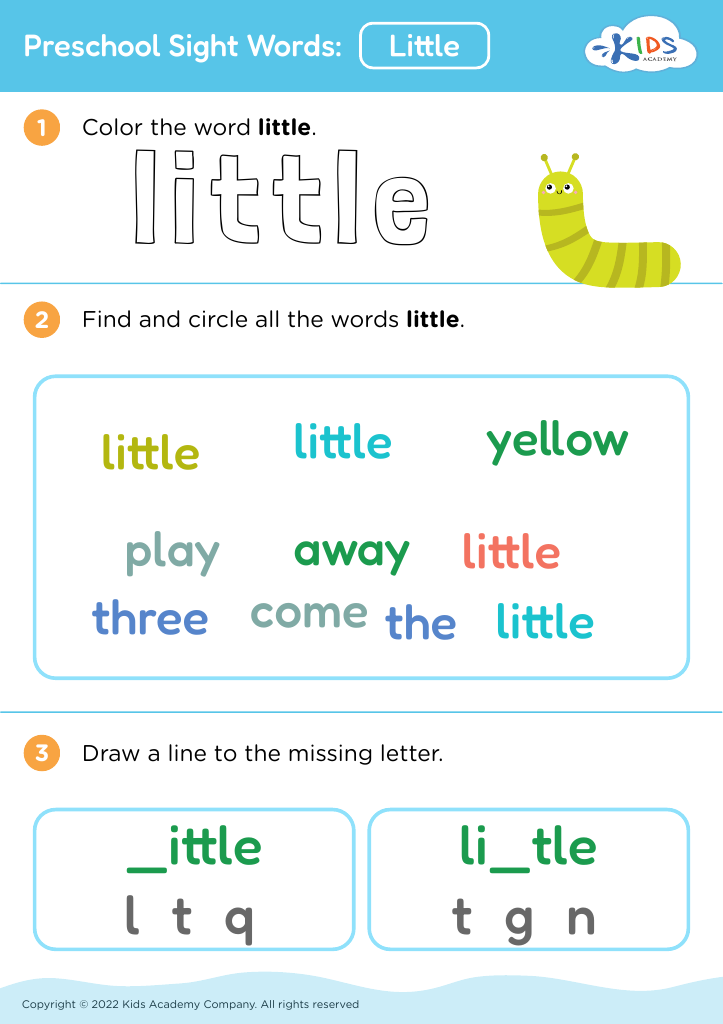





.jpg)

Shape recognition is a foundational skill that plays a crucial role in early childhood development. For parents and teachers, fostering this ability in 3-year-olds is important for several reasons. Firstly, recognizing shapes enhances cognitive development by helping children categorize and compare different objects. This forms the basis for more complex problem-solving and logical thinking skills later on.
Shape recognition also supports early math skills. Understanding and identifying shapes lays the groundwork for geometry, spatial awareness, and measurement concepts. For instance, knowing the difference between a circle and a square can help children grasp the basic properties of these shapes, which are important in advanced math lessons.
Additionally, recognizing shapes is tied to literacy development. Letters and numbers are essentially shapes, and distinguishing between them helps children as they begin to learn to read and write. For example, recognizing that an "O" is round and a "V" has straight sides aids in letter differentiation.
Shapes are also part of every child’s daily environment. Recognizing them can improve their observational skills and make them feel more connected to the world around them. When children can name and recognize shapes, they are more confident in navigating their surroundings, which further cultivates their independence and self-esteem.
Ultimately, nurturing shape recognition in young children equips them with essential cognitive, mathematical, and literacy skills that will support their academic and personal growth.








