Spelling Skills Worksheets for 3-Year-Olds
7 filtered results
-
From - To
Boost your child's early literacy with our Spelling Skills Worksheets for 3-Year-Olds. Designed specifically for young learners, these engaging and colorful worksheets make learning to spell fun and easy. Each activity is tailored to develop your child's understanding of letters, sounds, and simple words, setting a strong foundation for future reading and writing skills. Interactive tasks, playful imagery, and age-appropriate challenges keep your child motivated and eager to learn. Visit our page for a wide variety of printable, hands-on activities that turn spelling practice into an enjoyable and productive experience for your little one.
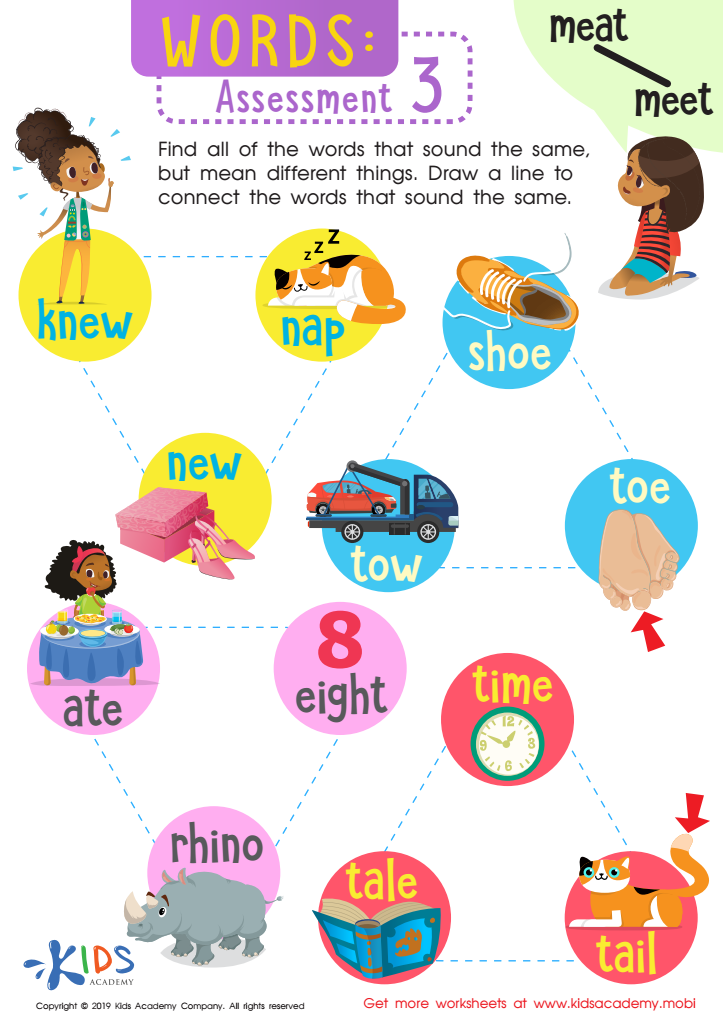
Words: Asessment 3 Worksheet
 Assign to My Students
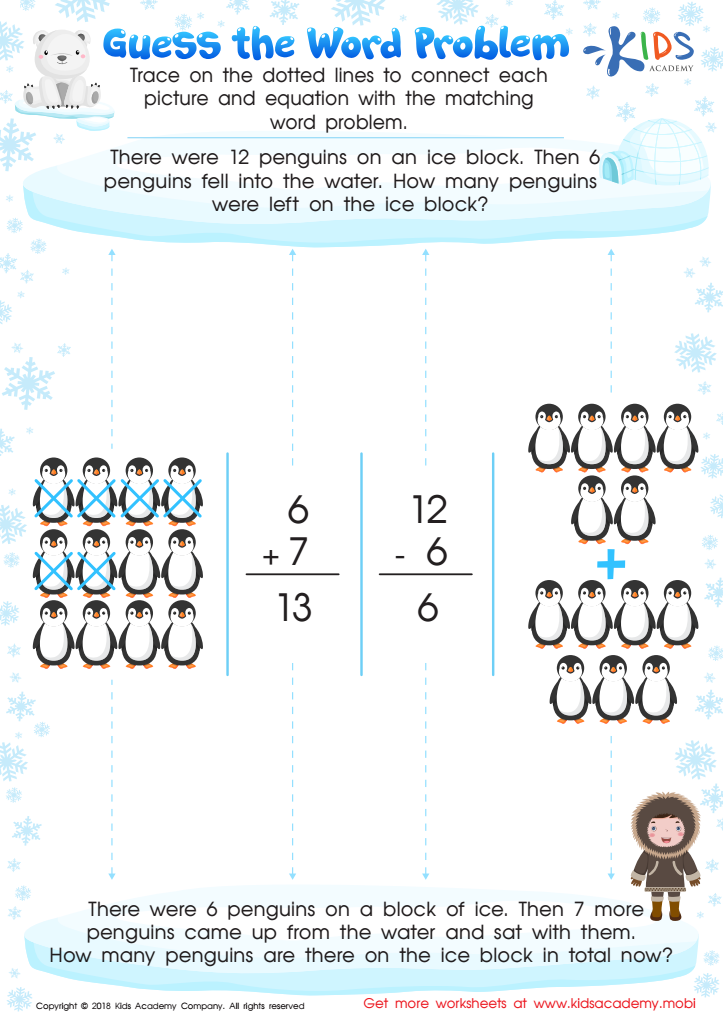
Guess the Word Problem Worksheet
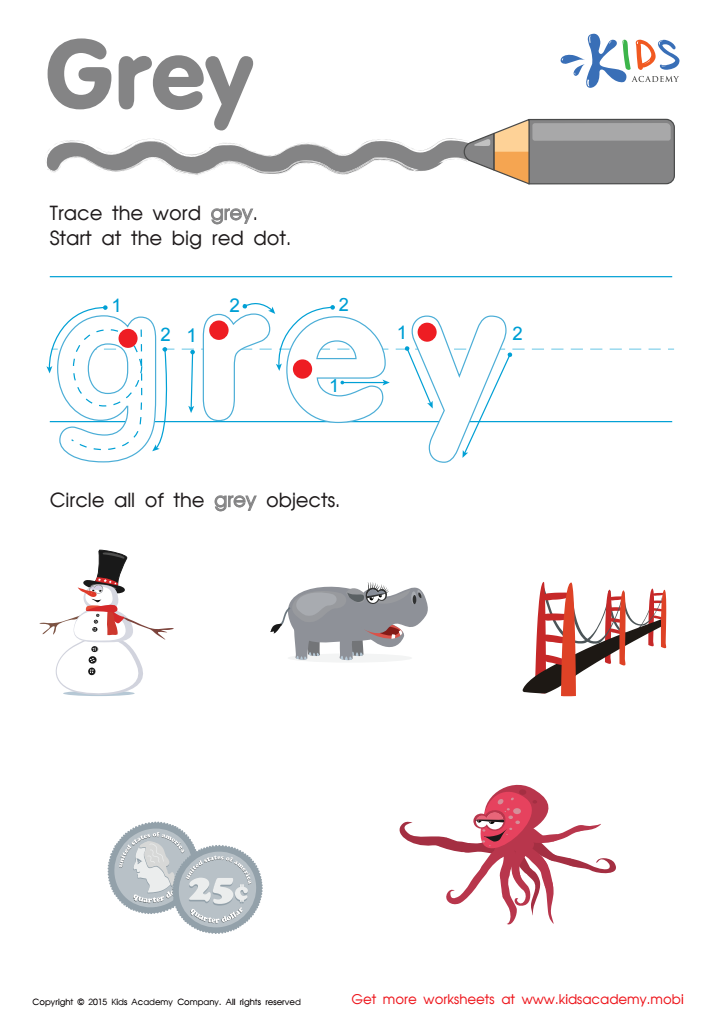
Grey Tracing Color Words Worksheet
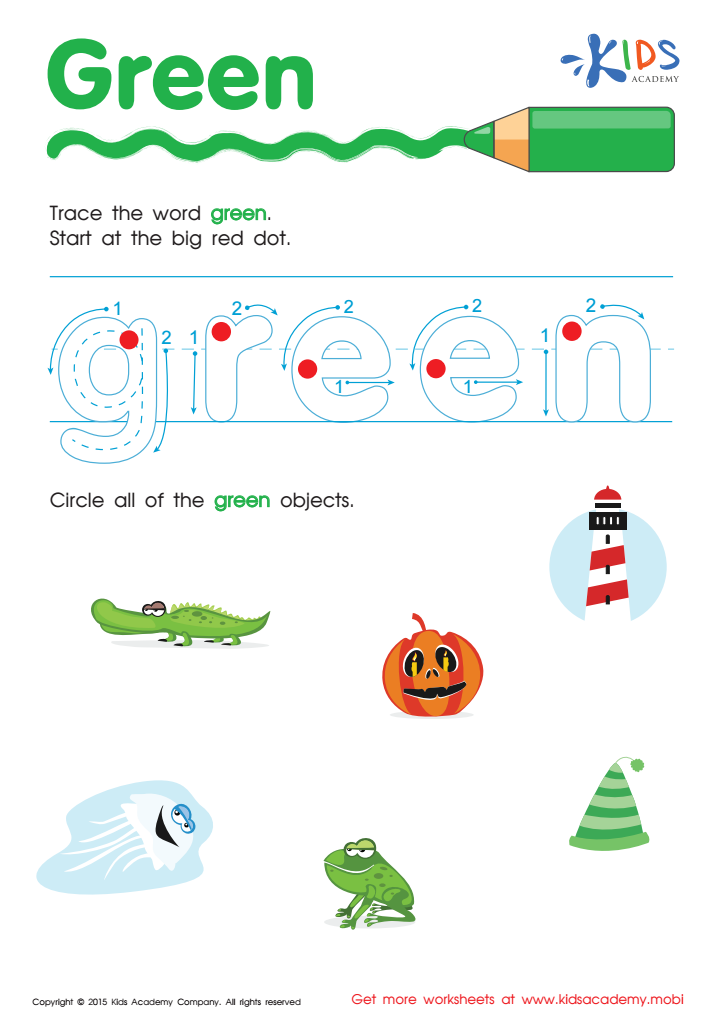
Green Tracing Color Words Worksheet
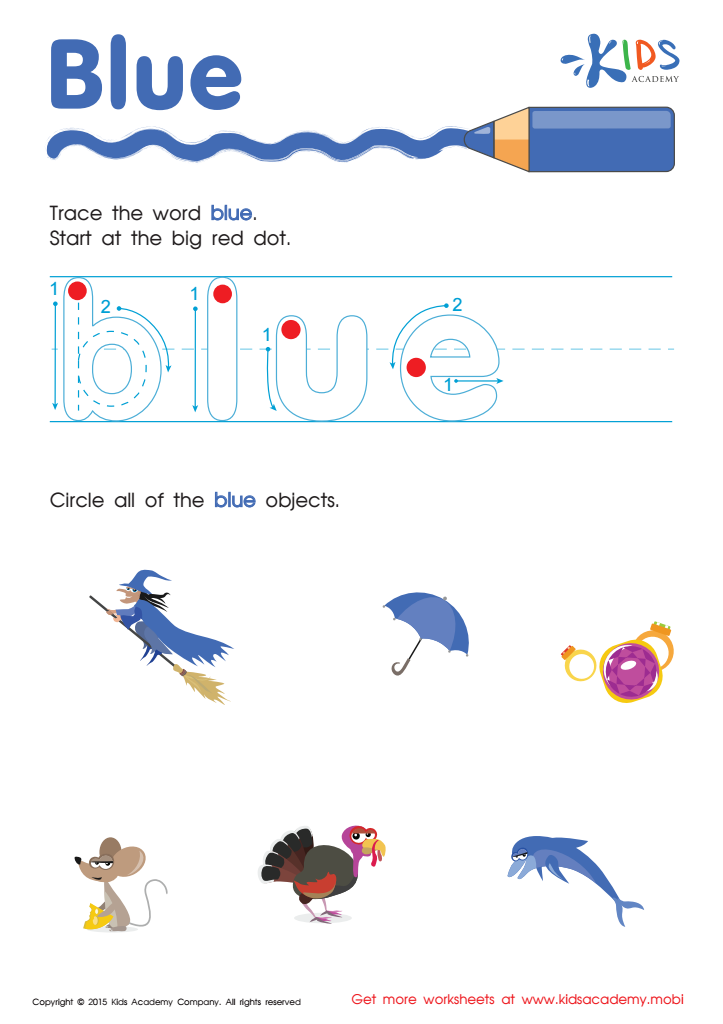
Blue Tracing Color Words Printable
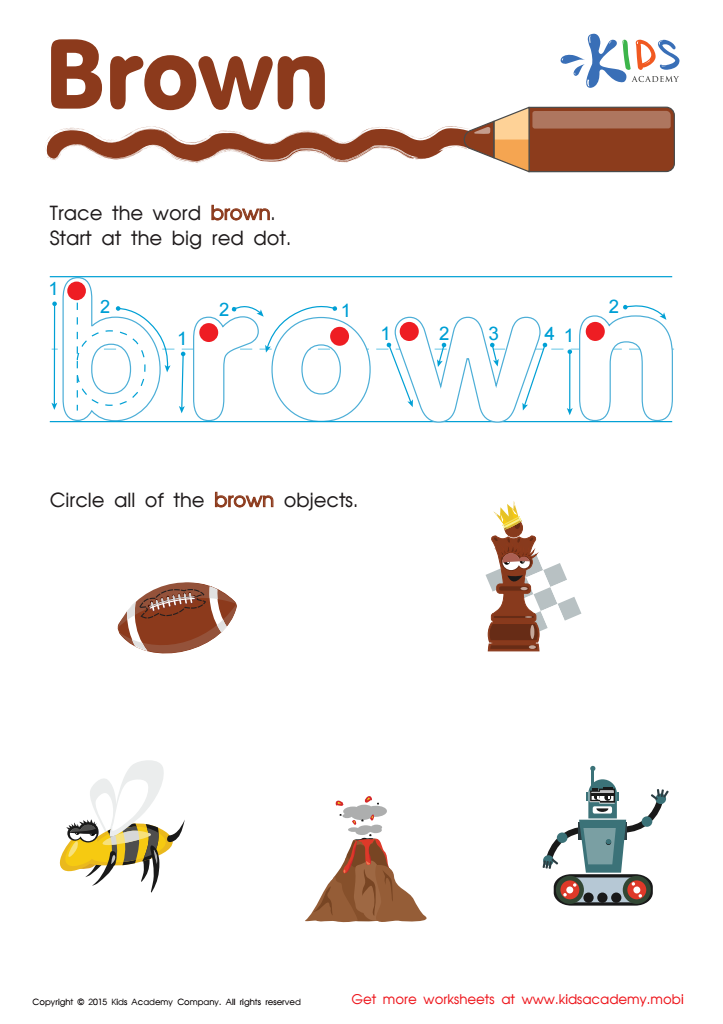
Brown Tracing Color Words Worksheet
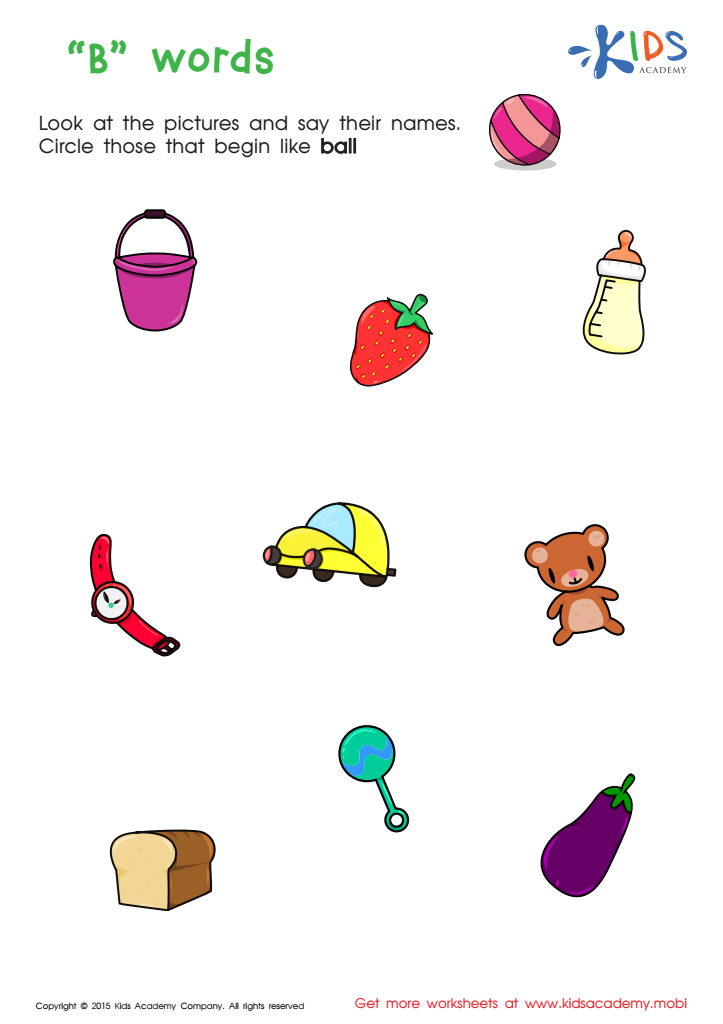
First Words Worksheet








Spelling skills may not seem immediately crucial for 3-year-olds, but early language development lays the foundation for future academic success. At this age, children are in a critical period of cognitive development and are rapidly absorbing new information. Introducing spelling activities, even in a playful and informal manner, enhances their phonemic awareness, or the ability to hear, identify, and manipulate sound patterns. This awareness is a strong predictor of later reading success.
For parents and teachers, fostering these skills early on promotes literacy by helping children understand that words consist of individual sounds that make sense together. Engaging in spelling activities can also boost a child's vocabulary, comprehension, and communication skills. For example, recognizing that "cat" is spelled with a 'c' and not a 'k' helps children learn about irregular spelling patterns in English, which becomes beneficial in more advanced reading and writing tasks.
Moreover, spelling support improves fine motor skills through writing activities. It's also an excellent opportunity for bonding; parents and teachers can create interactive games that make learning enjoyable. Importantly, nurturing an early interest in spelling instills a love for words and reading, setting children up for a lifelong appreciation of learning. Thus, focusing on spelling at an early age prepares children for future educational endeavors and communicative competence.








