Basic counting skills Numbers Worksheets for 3-Year-Olds
6 filtered results
-
From - To
Discover our engaging Basic Counting Skills Worksheets tailored for 3-year-olds! Our fun, interactive activities help young learners develop essential math skills by introducing them to numbers through counting objects, matching, and tracing. Designed to make learning enjoyable, each worksheet features colorful illustrations that capture children's attention while promoting early number recognition and counting abilities. Whether at home or in the classroom, these worksheets provide a solid foundation for future math success. Foster your child's love for learning with our age-appropriate counting activities, ensuring your little one builds confidence and skills crucial for their educational journey. Start counting the fun today!
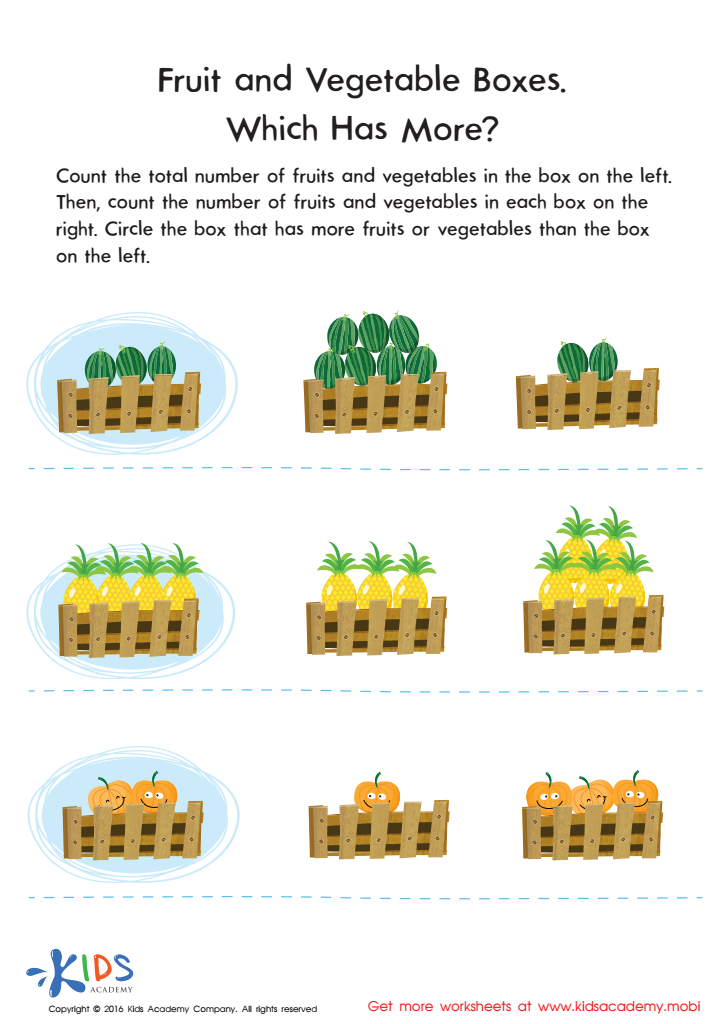
Which Has More? Size Worksheet
 Assign to My Students
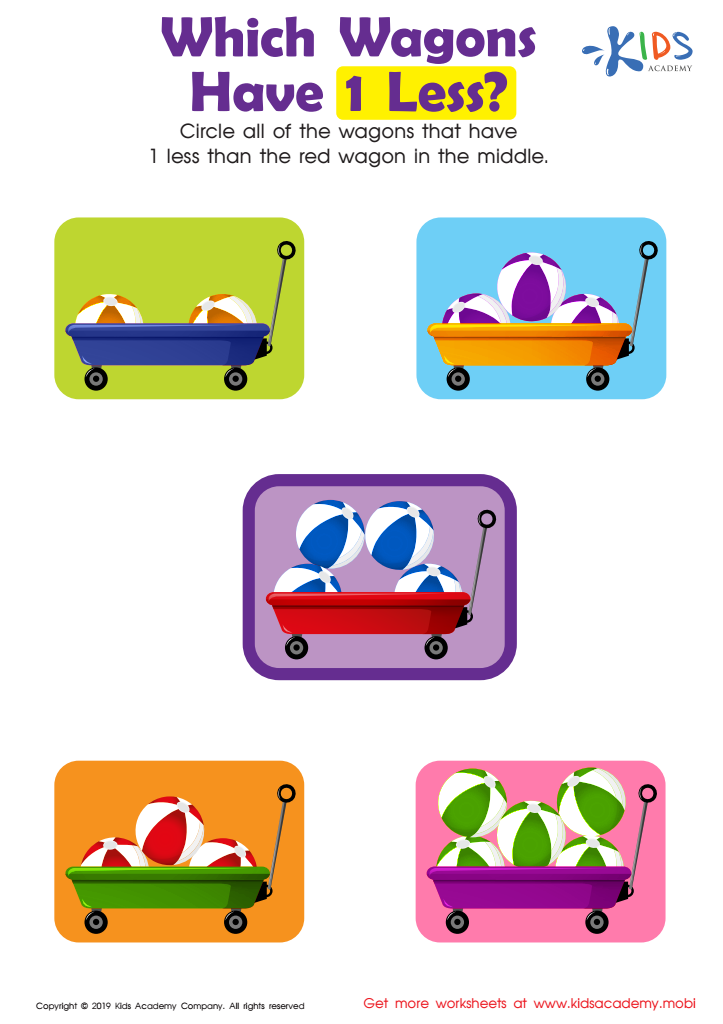
Which Wagons Have 1 Less? Worksheet
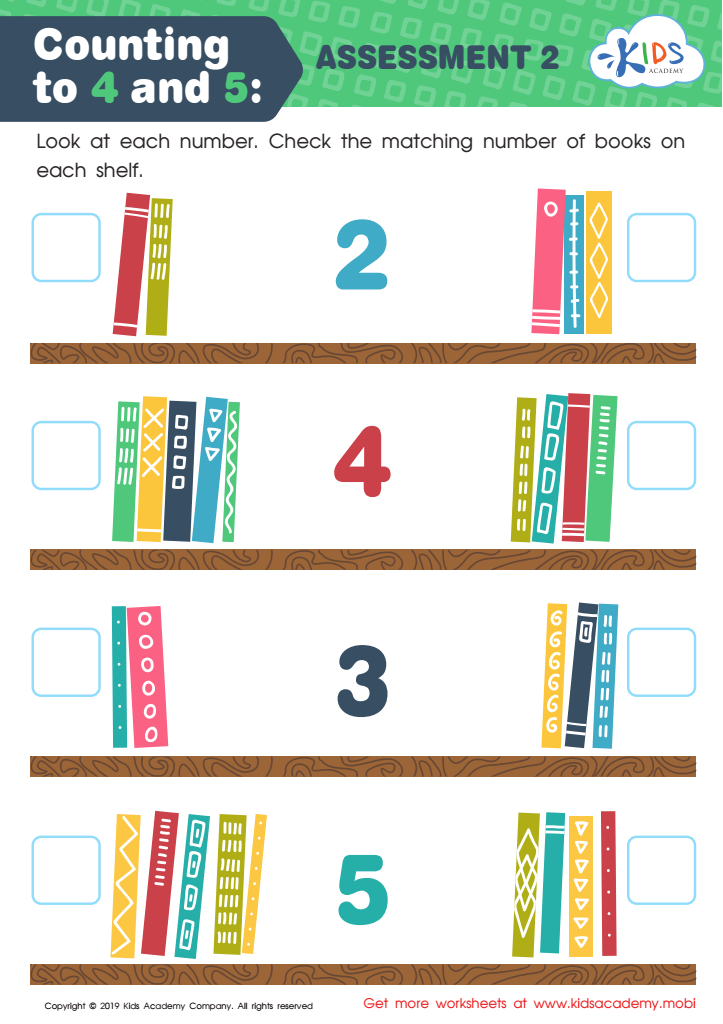
Counting to 4 and 5: Assessment 2 Worksheet
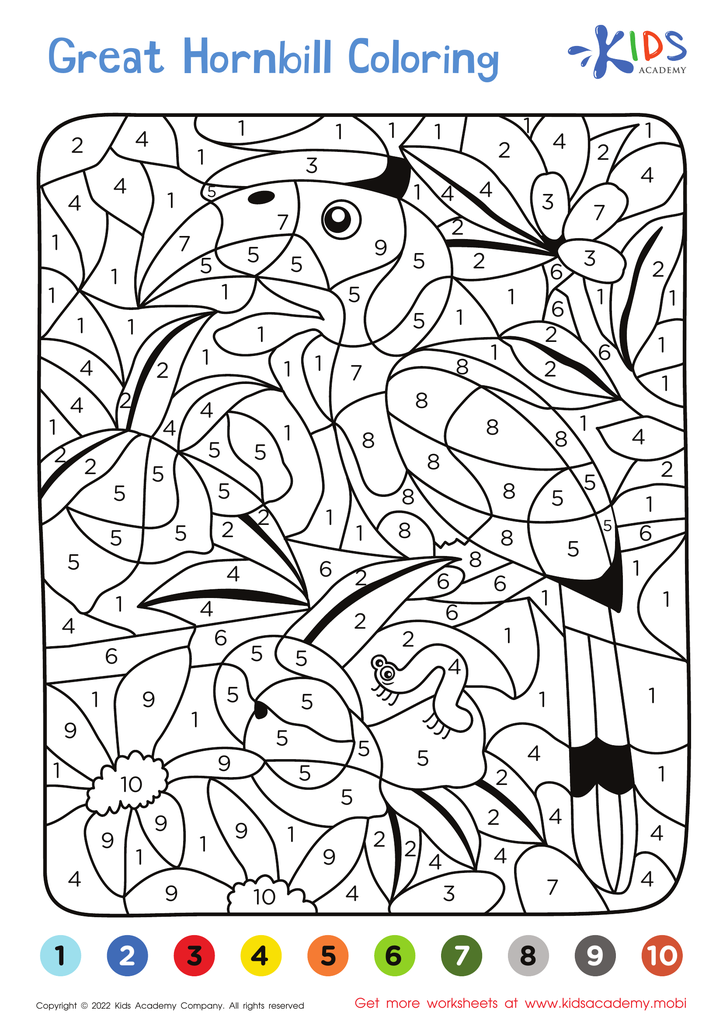
Great Hornbill – Coloring by Numbers
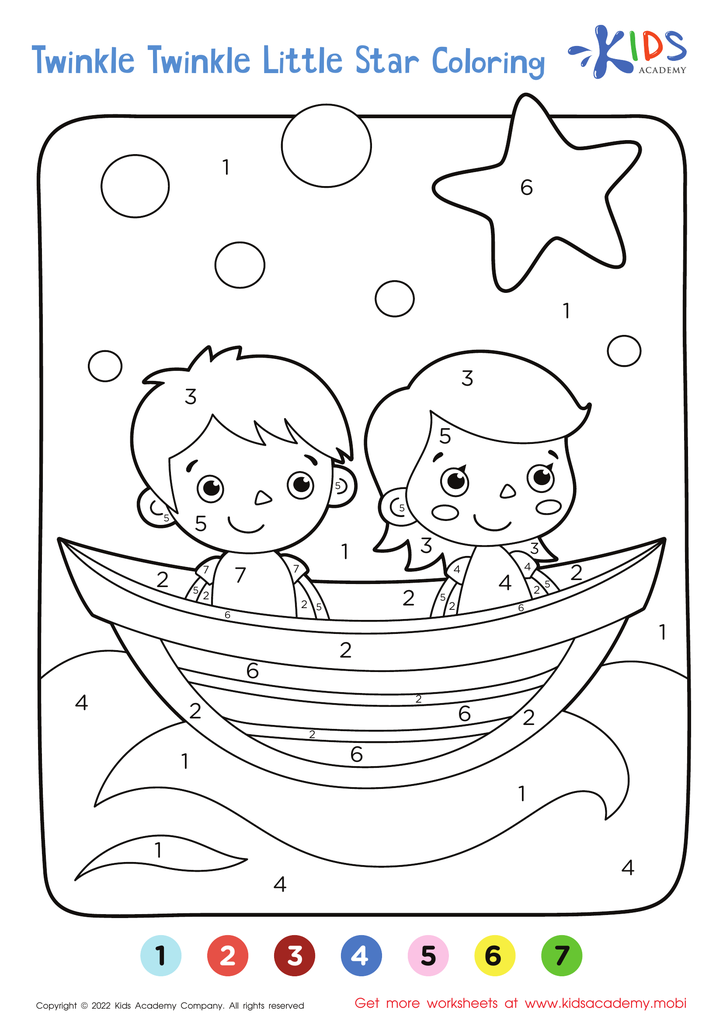
Twinkle, Twinkle, Little Star – Coloring by Numbers
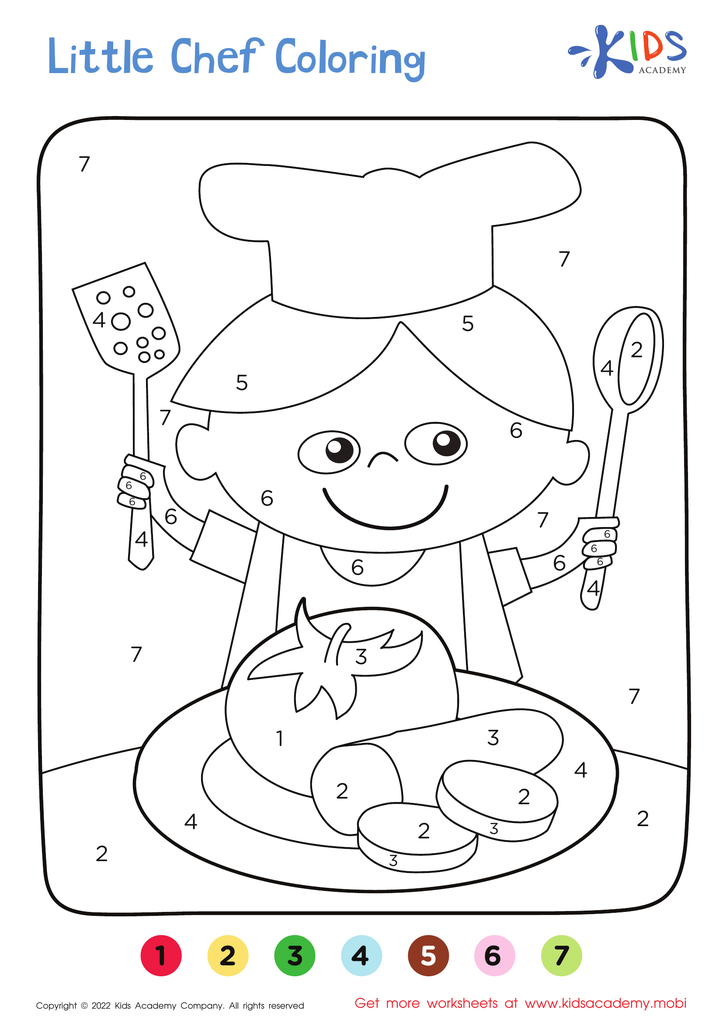
Little Chef – Coloring by Numbers








Basic counting skills are fundamental for 3-year-olds as they lay the groundwork for future mathematical understanding and cognitive development. At this age, children are naturally curious, and introducing numbers through playful activities fosters their interest in learning. Counting enhances cognitive abilities, enabling kids to identify patterns and make comparisons, which are crucial skills in problem-solving.
Additionally, acquiring counting skills contributes to a child's language development. By associating numbers with words and objects during counting games, children improve their vocabulary and communication abilities. It promotes critical thinking as they learn to understand quantities, sorting, and recognizing shapes and sizes.
Moreover, mastering basic counting can boost a child's confidence. As they grasp these concepts, they experience a sense of achievement, encouraging a positive attitude toward learning. Parents and teachers play pivotal roles in this process. Engaging children through songs, stories, and interactive activities not only makes learning enjoyable but also strengthens the bond between adults and children.
In essence, developing counting skills in 3-year-olds is vital, as it supports their overall educational journey, social competence, and emotional well-being while setting the stage for more complex mathematical concepts in the future.








