Visual discrimination Math Worksheets for 3-Year-Olds
10 filtered results
-
From - To
Discover our engaging Visual Discrimination Math Worksheets designed specifically for 3-year-olds! These worksheets promote early math skills by encouraging children to distinguish between different shapes, sizes, and patterns. Engaging activities foster visual recognition and critical thinking, making learning fun and interactive. Each worksheet is thoughtfully crafted to support cognitive development, preparing young minds for future mathematical concepts. Perfect for home or classroom use, these resources help nurture essential skills through colorful visuals and playful challenges. Empower your child’s learning journey today with our suite of Visual Discrimination Math Worksheets that make math exciting and enjoyable for early learners!
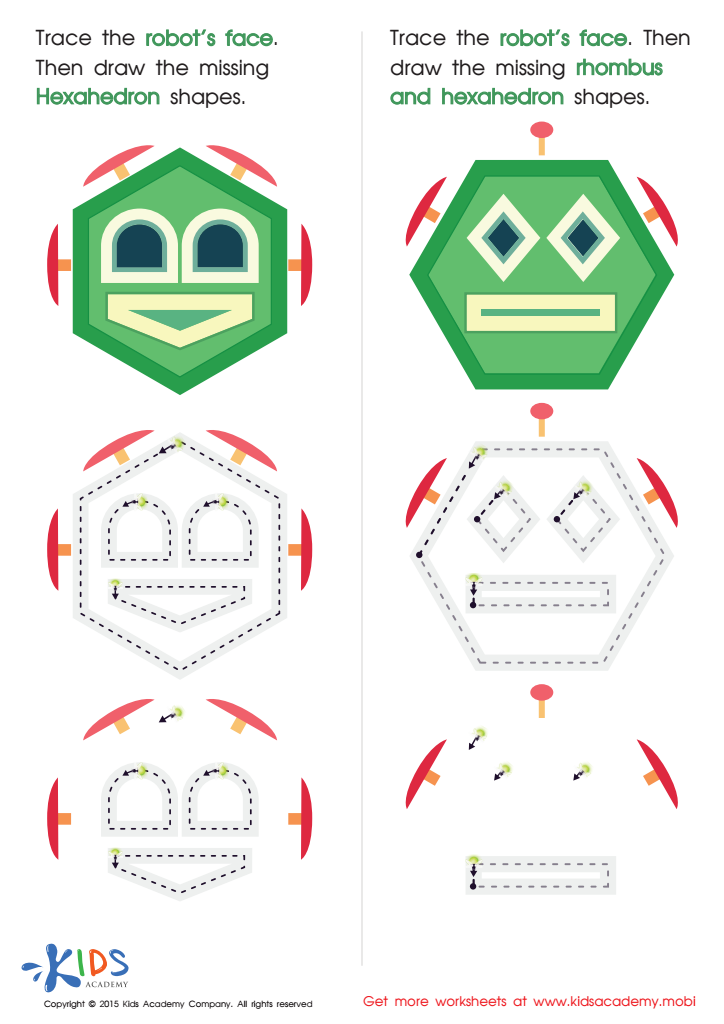
Practice Drawing Hexahedrons And a Rhombus Worksheet
 Assign to My Students
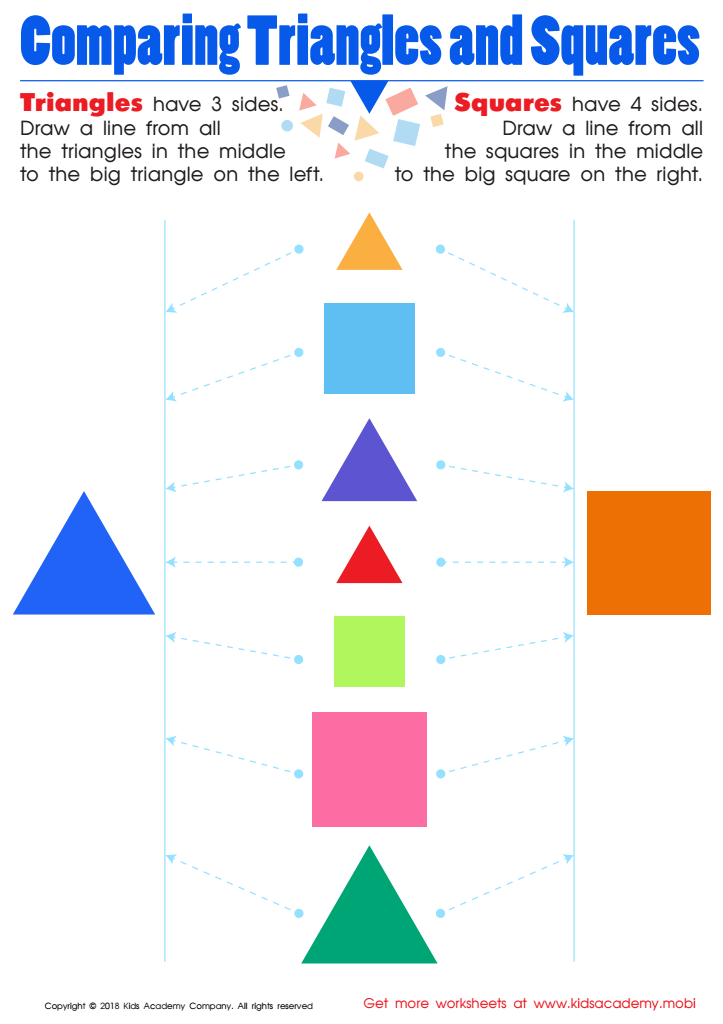
Comparing Triangles Squares Worksheet
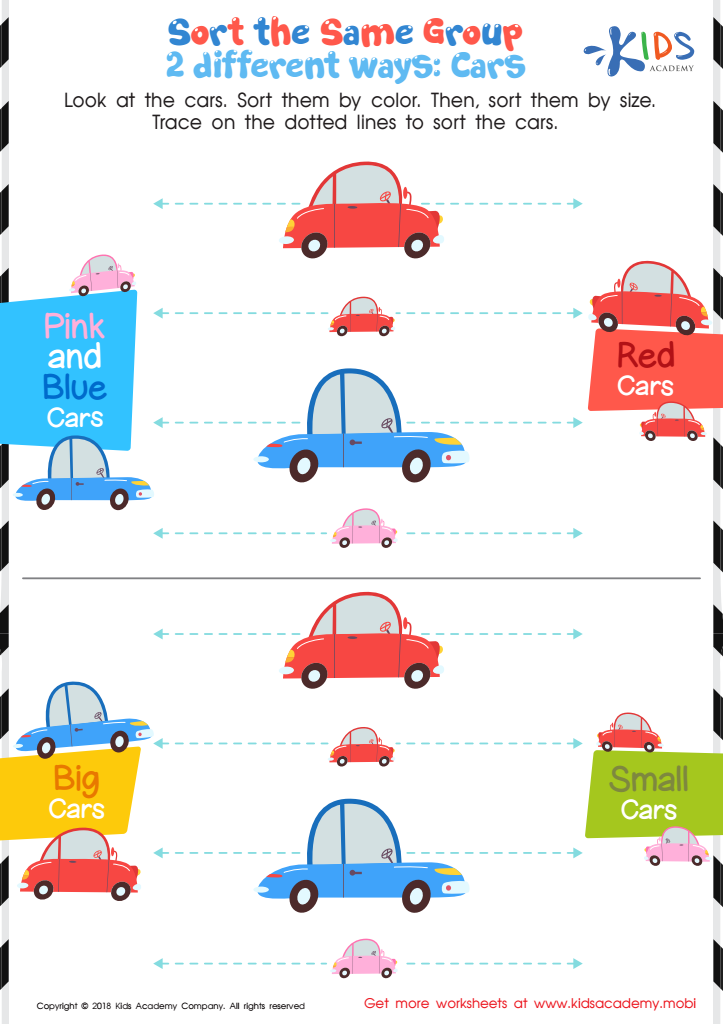
Sort the Same Group 2 Different Ways: Cars Worksheet
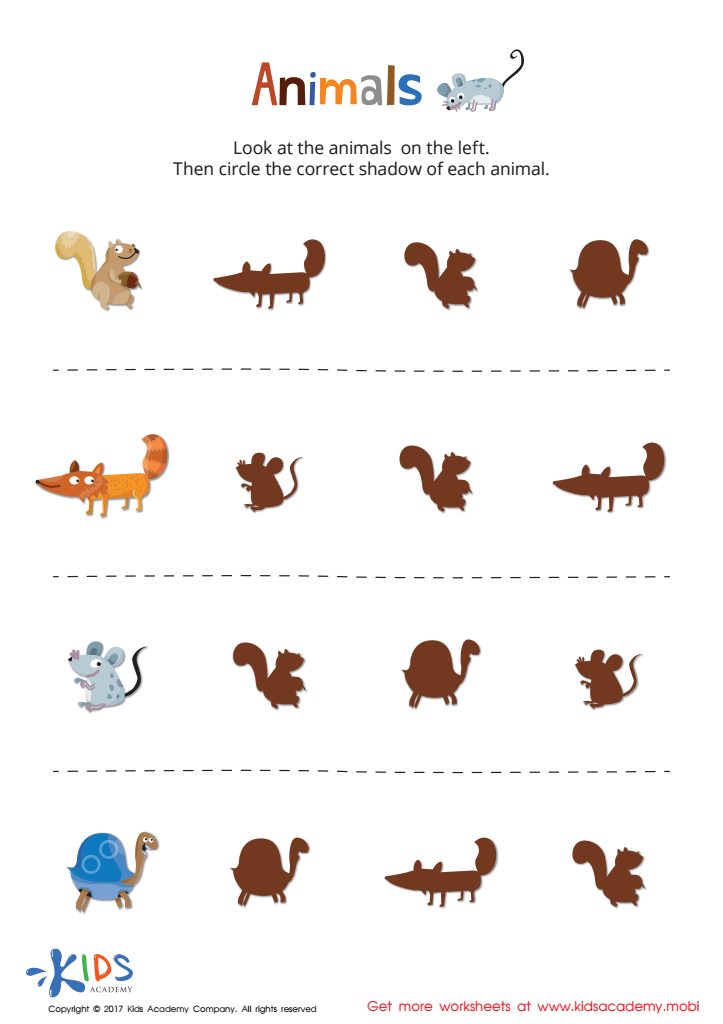
Animal Shadows Sorting Worksheet
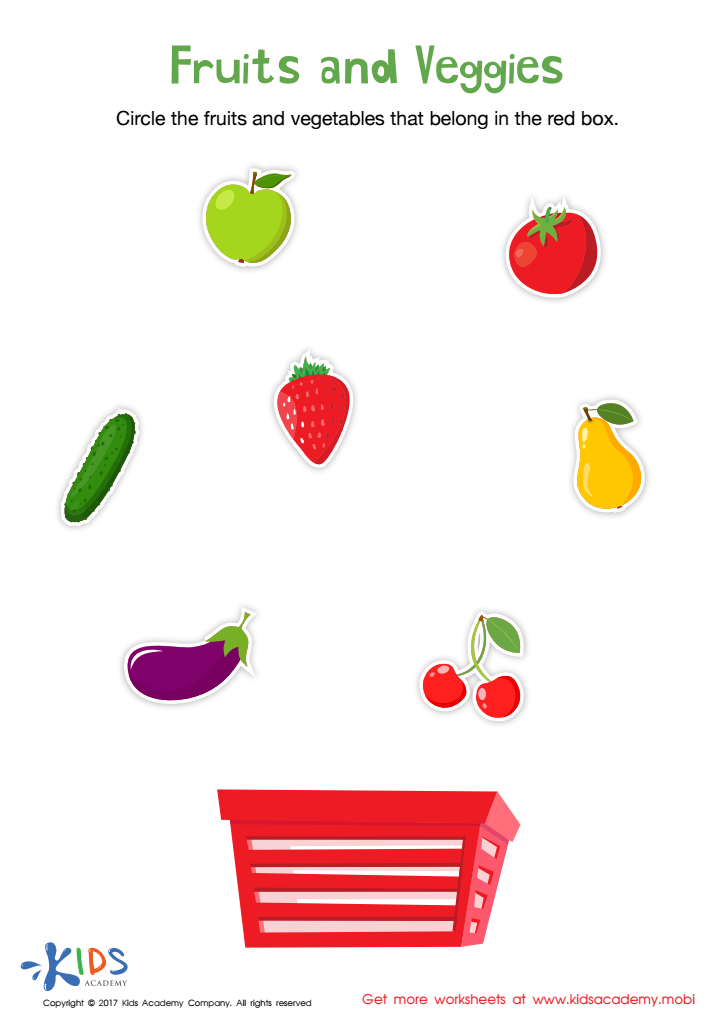
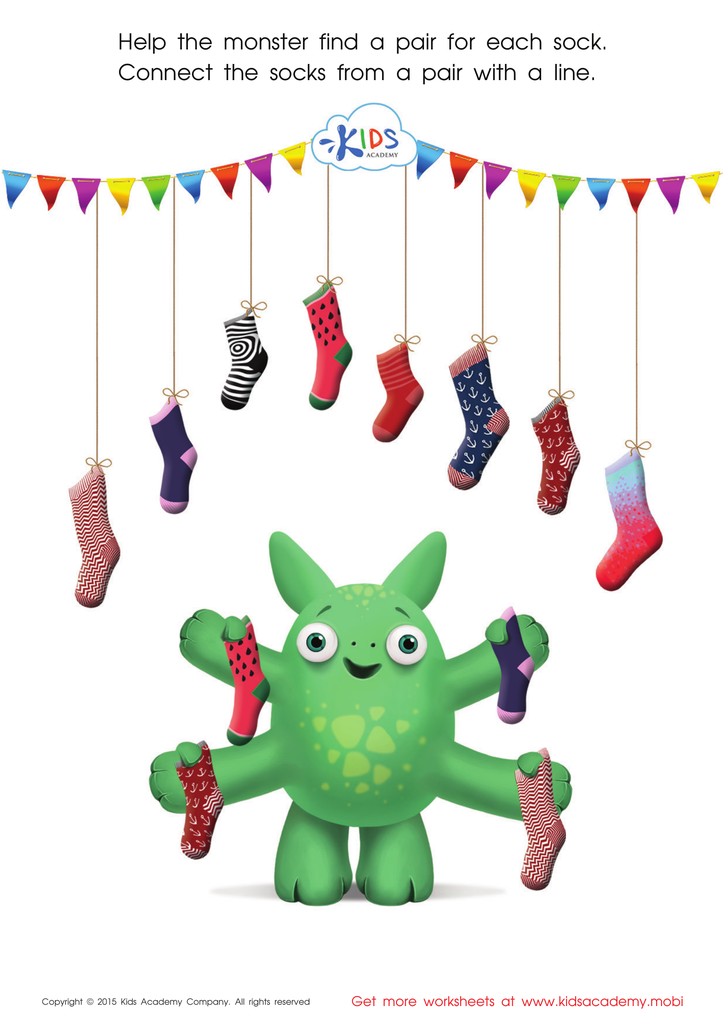
Math Matching Game: Monsterв's Socks Worksheet
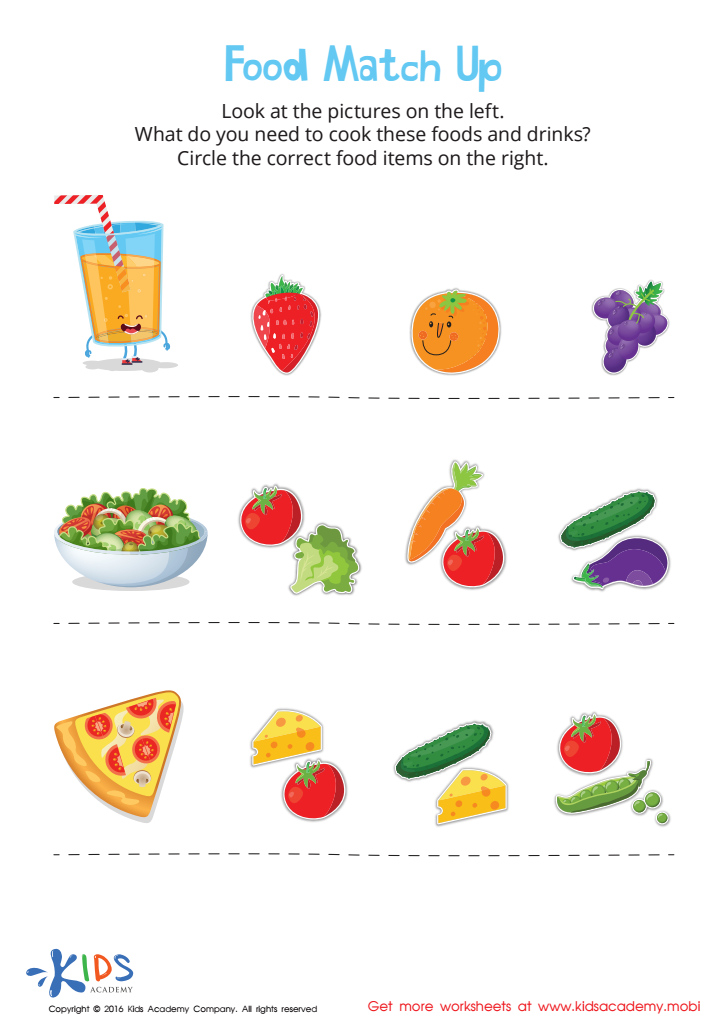
Food Match Up Worksheet
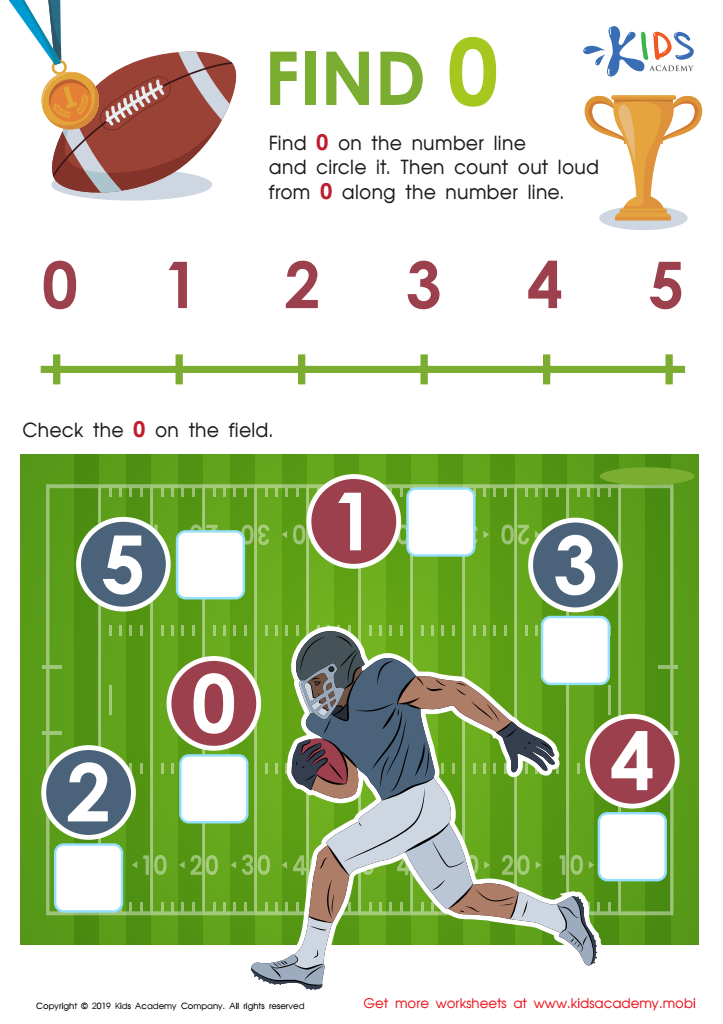
Find 0 Worksheet
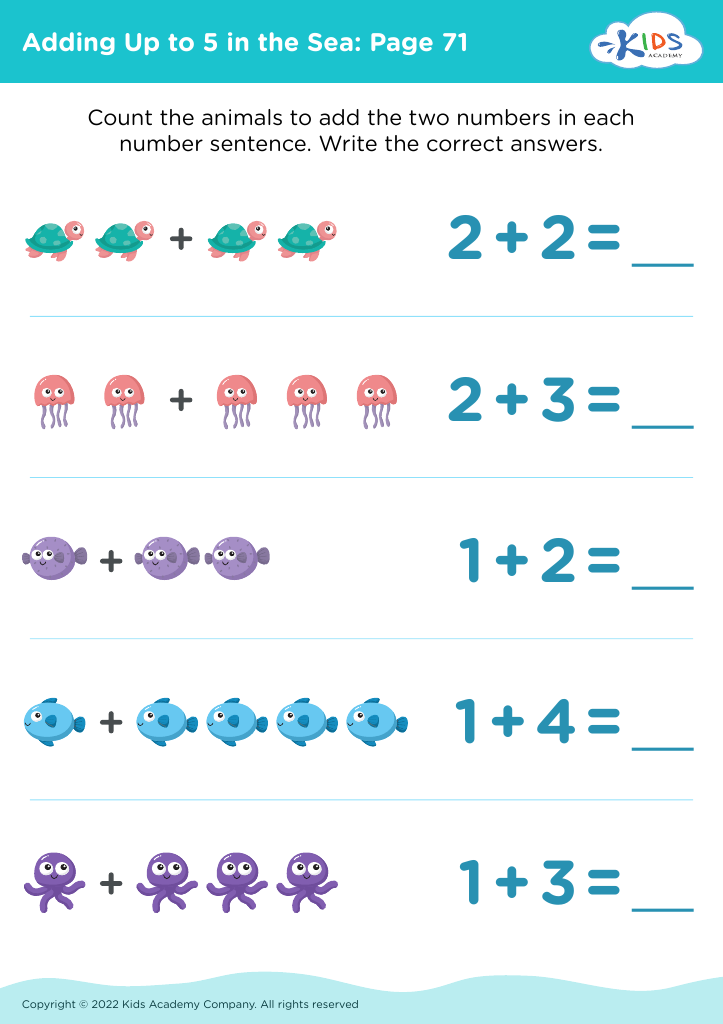
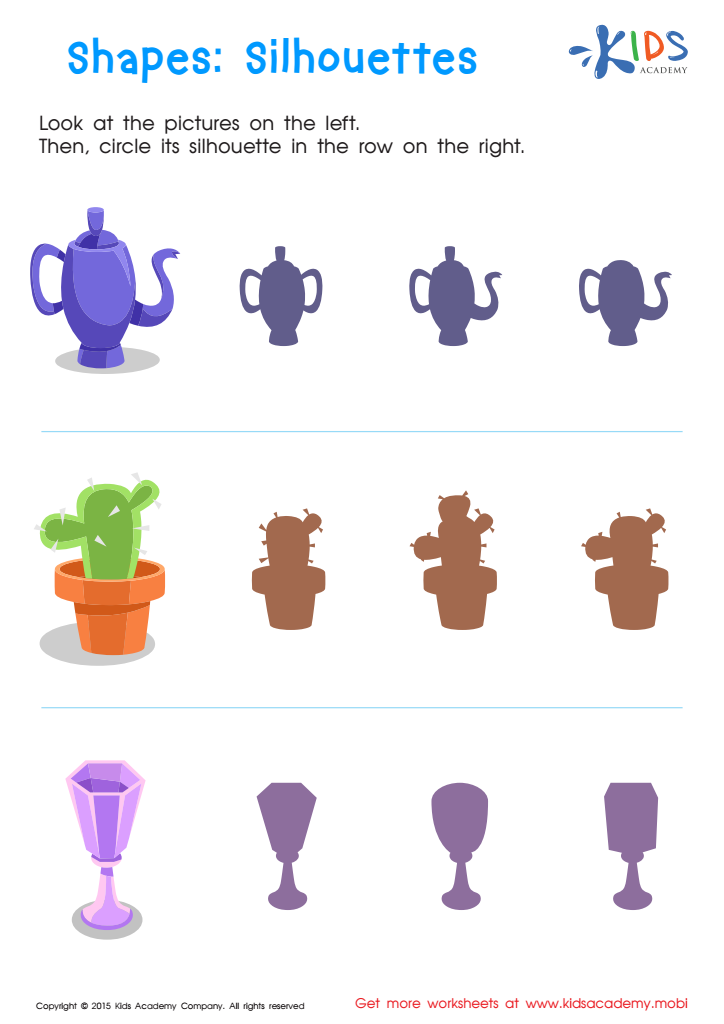
Silhouettes – Shapes Worksheet








Visual discrimination is a critical skill for 3-year-olds, especially in mathematical development. This skill involves the ability to differentiate between shapes, sizes, colors, and patterns, forming a foundational aspect of early learning. For parents and teachers, fostering visual discrimination in young children can enhance comprehension in various subjects, especially math.
At this age, children are naturally curious and eager to explore their environment. Activities that promote visual discrimination, such as sorting objects by attributes or engaging in shape-recognition games, provide essential hands-on experience. By mastering these skills, children will be better equipped to understand more complex math concepts later, such as counting, addition, and subtraction.
Moreover, strong visual discrimination aids in problem-solving and critical thinking, abilities that extend beyond mathematics into reading and daily life skills. When children can easily recognize differences and similarities, they become more confident in their analytical abilities.
Finally, embedding visual discrimination activities into play-based learning ensures that children enjoy the process of learning. By emphasizing its importance, parents and teachers can nurture children’s overall cognitive development, setting them on a path for success in their future education.








