Categorization skills Matching Worksheets for 3-Year-Olds
6 filtered results
-
From - To
Enhance your 3-year-old's cognitive development with our Categorization Skills Matching Worksheets! Designed specifically for young learners, these engaging and educational printables help children recognize patterns, sort objects, and improve their ability to categorize items based on characteristics like shape, size, and color. Featuring vibrant illustrations and interactive activities, these worksheets make learning fun and accessible. Perfect for home or classroom use, our worksheets support early math skills and critical thinking. Download now to provide your preschooler with a head start in understanding essential math concepts while boosting their confidence and curiosity.
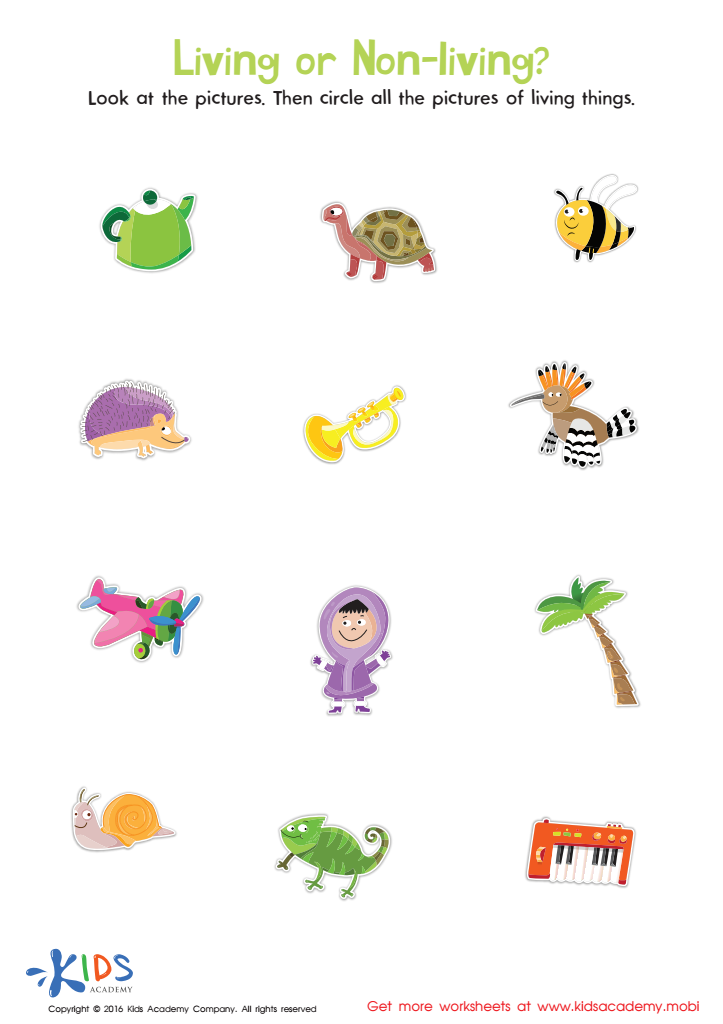
Identifying Living and Non–living Things Sorting Worksheet
 Assign to My Students
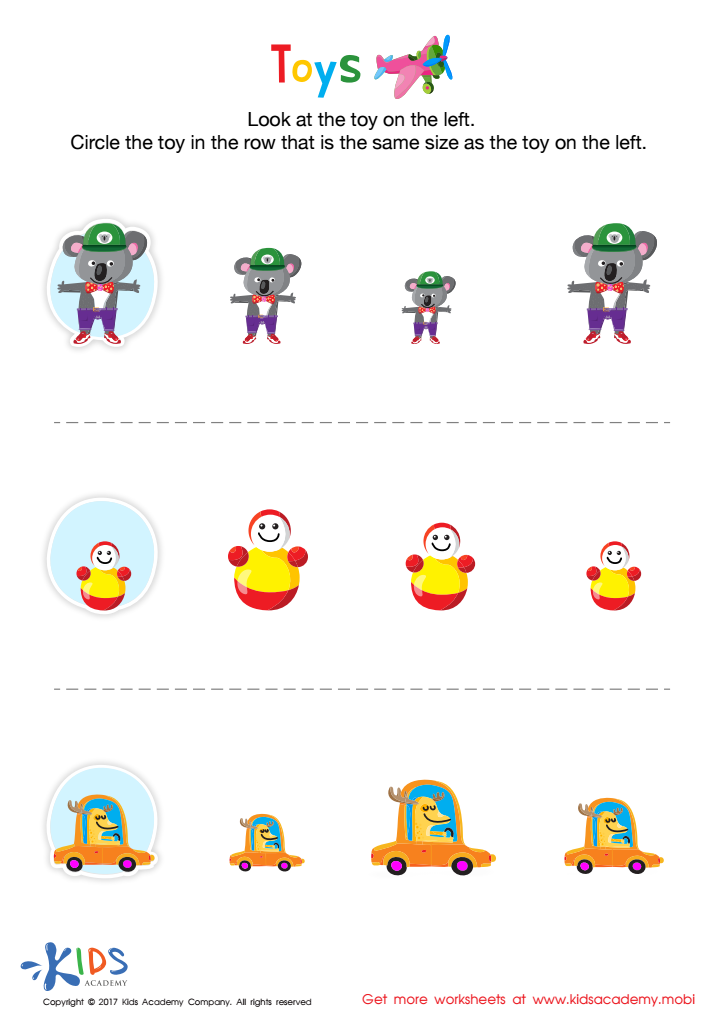
Matching: Classifying Toys by Size Worksheet
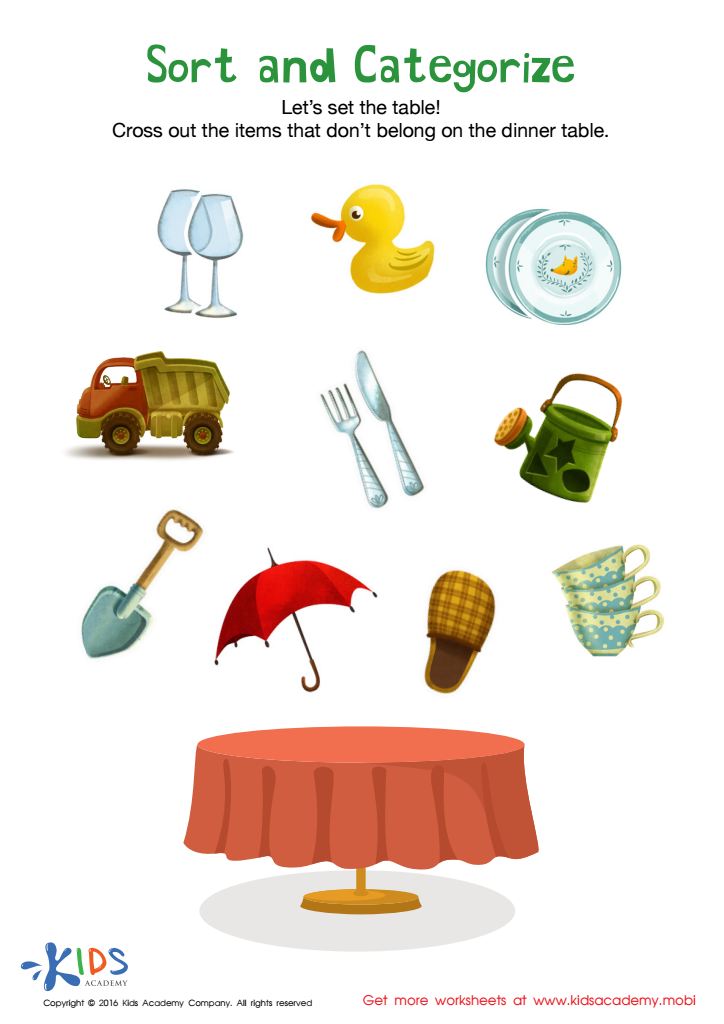
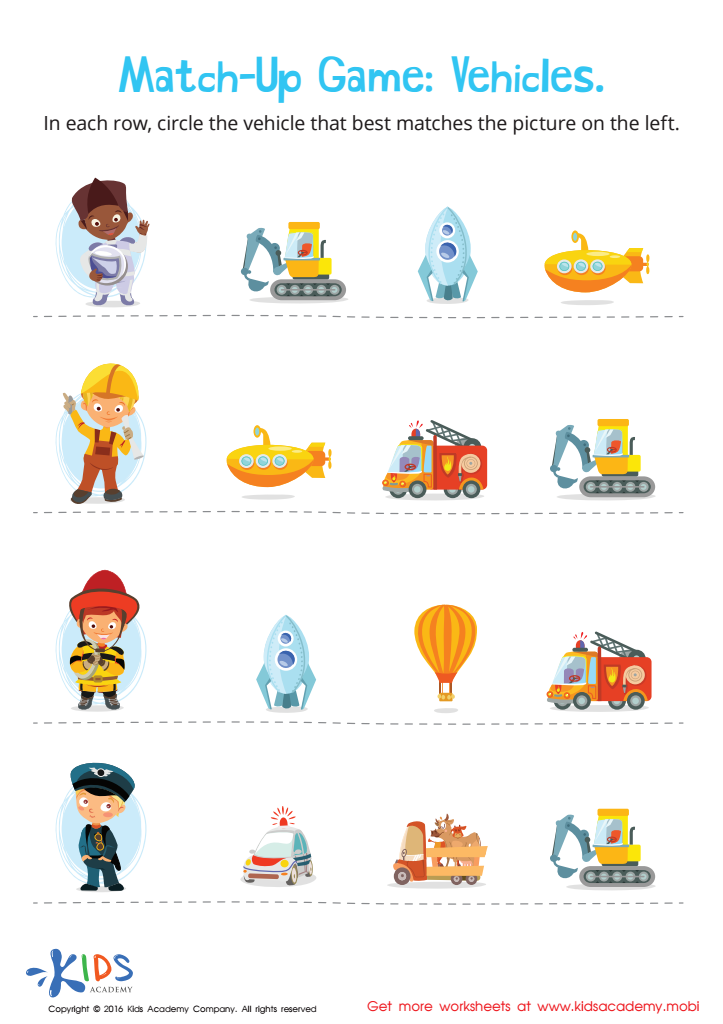
Vehicles Worksheet
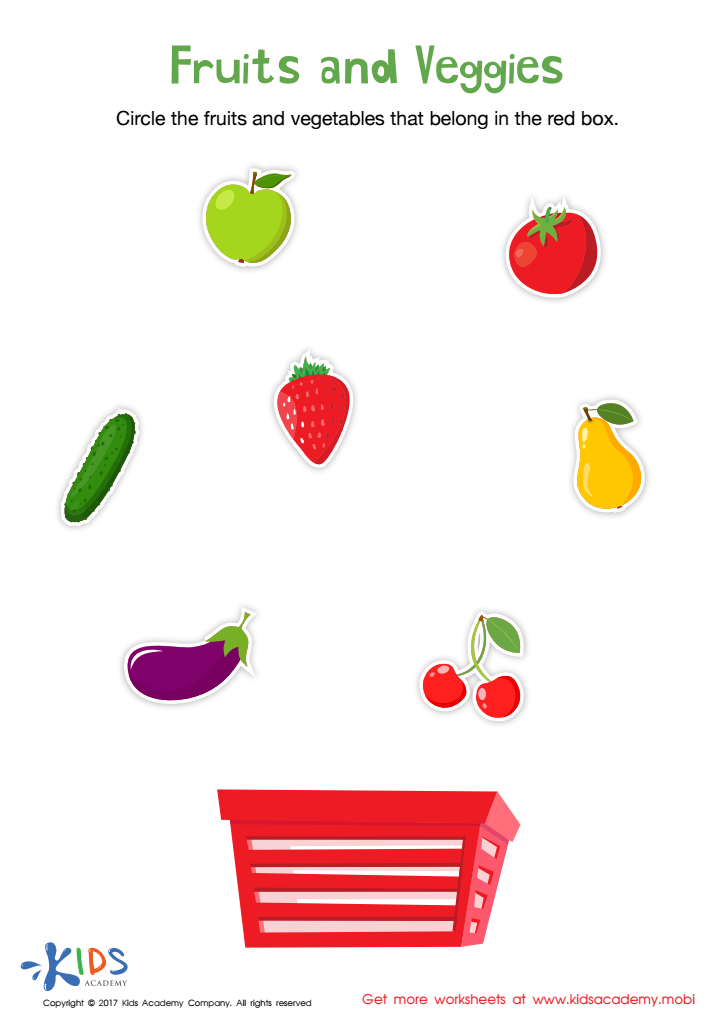
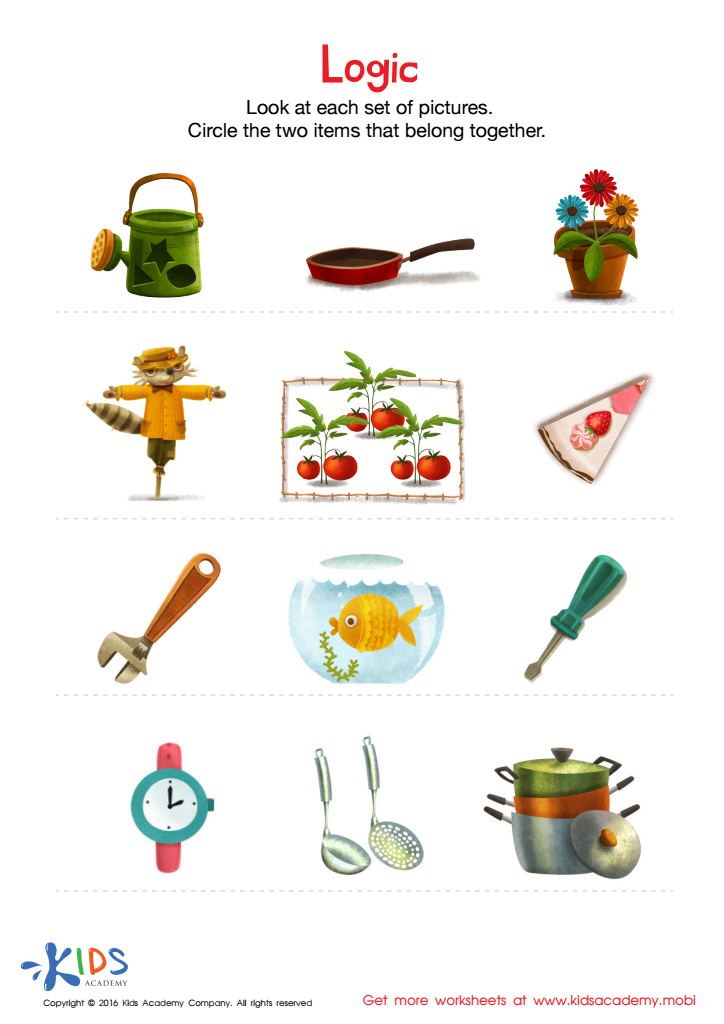
Logic Game Sorting Worksheet








Parents and teachers should care about categorization and matching skills for 3-year-olds because these cognitive processes are crucial for early brain development and future learning. At this crucial age, children are beginning to understand how to group similar items and recognize patterns, which forms the foundation for critical thinking and problem-solving abilities.
Categorization helps children make sense of the world around them by organizing information into meaningful groups. This cognitive skill is linked to language development because it enhances vocabulary as children learn to name and describe categories. For instance, knowing that apples and oranges are both fruits helps children grasp the concept of categories and different attributes like color, shape, and size.
Matching, on the other hand, enhances a child's ability to recognize patterns and improves memory by linking related objects or concepts. It plays a vital role in spatial awareness, which is essential for tasks such as reading and mathematics. Additionally, matching activities often improve fine motor skills, as children manipulate items that can help coordinate hand-eye movements.
Overall, fostering these skills lays a strong learning foundation, contributing to a child’s ability to process more complex information as they grow, and ensuring that early learning experiences are both enriching and enjoyable.








