Fine Motor Skills Reading Worksheets for 3-Year-Olds - Page 2
30 filtered results
-
From - To
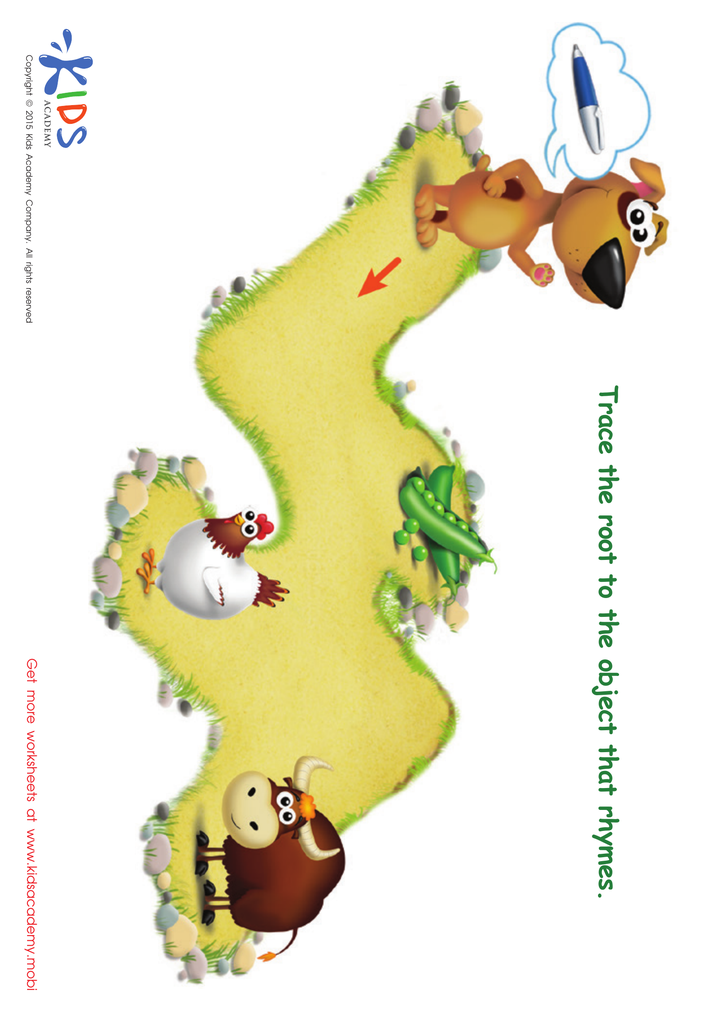
Pen Rhyming Words Worksheet
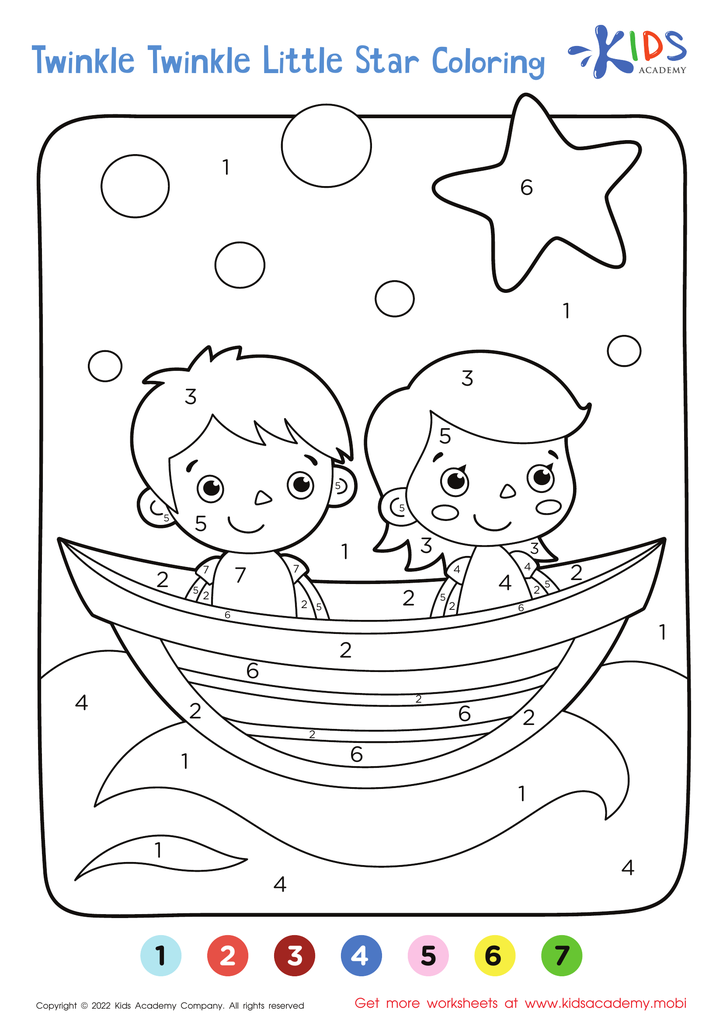
Twinkle, Twinkle, Little Star – Coloring by Numbers
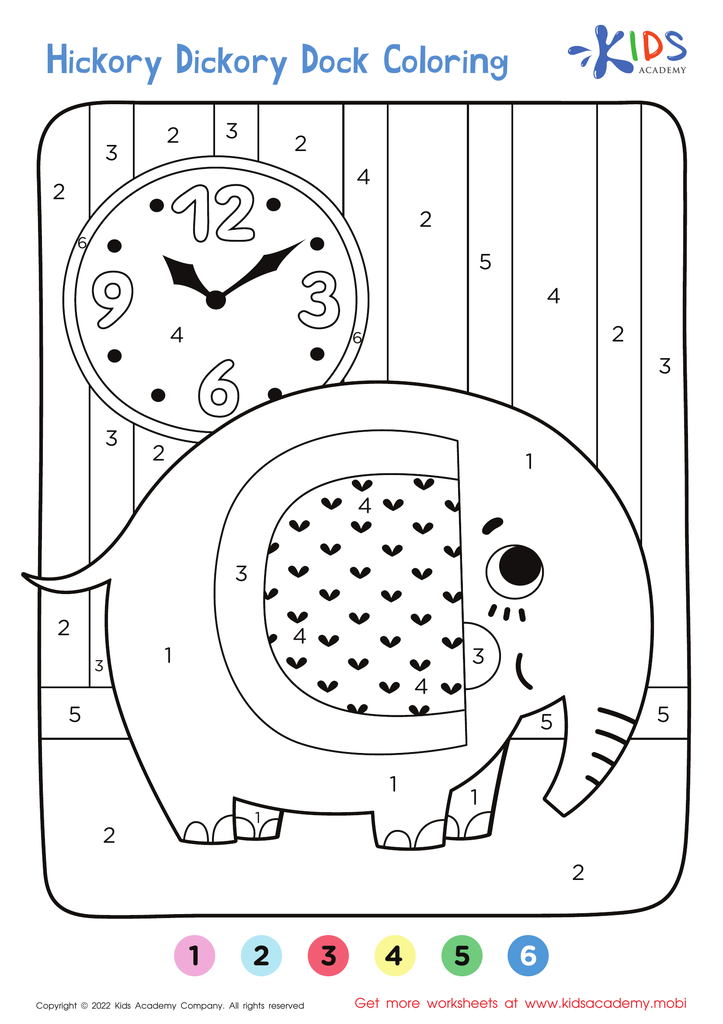
Hickory Dickory Dock – Coloring by Numbers
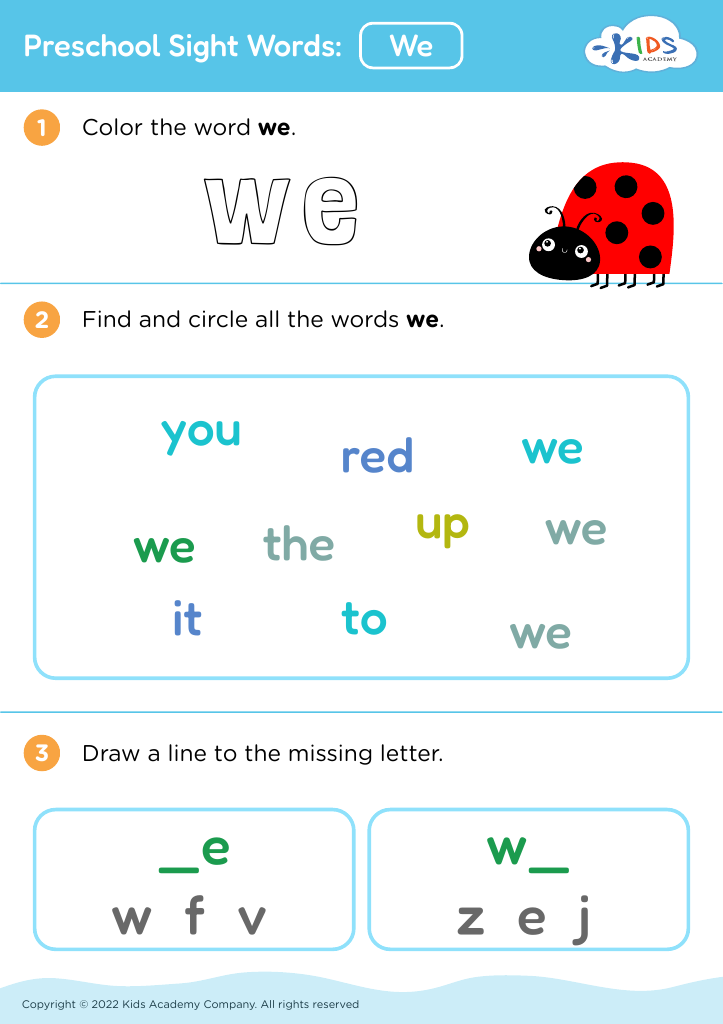
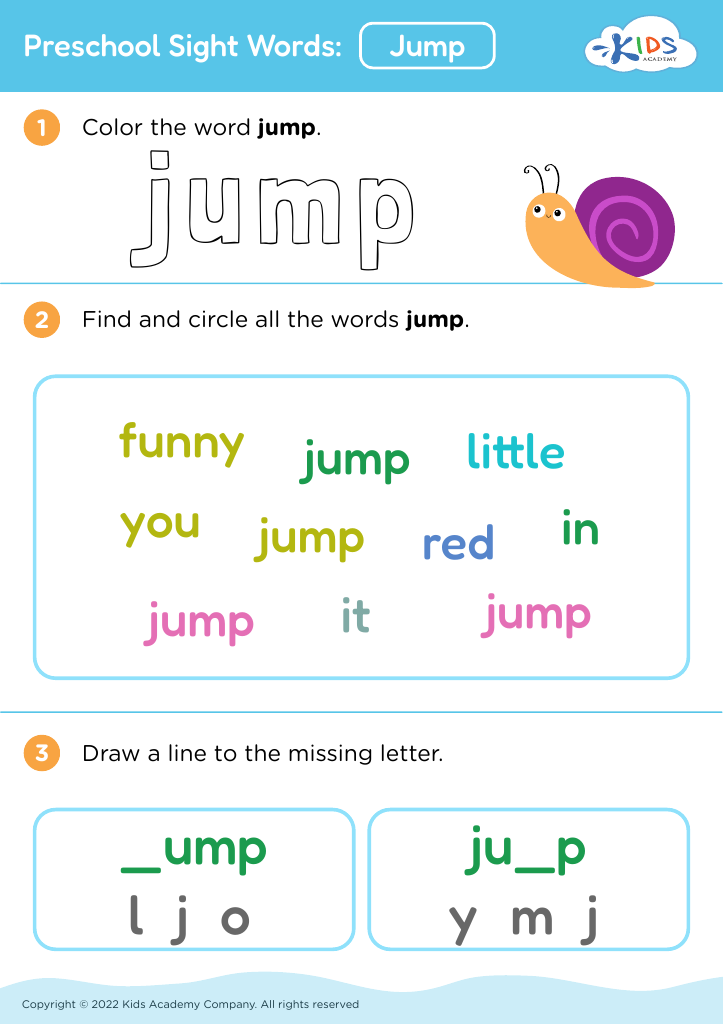
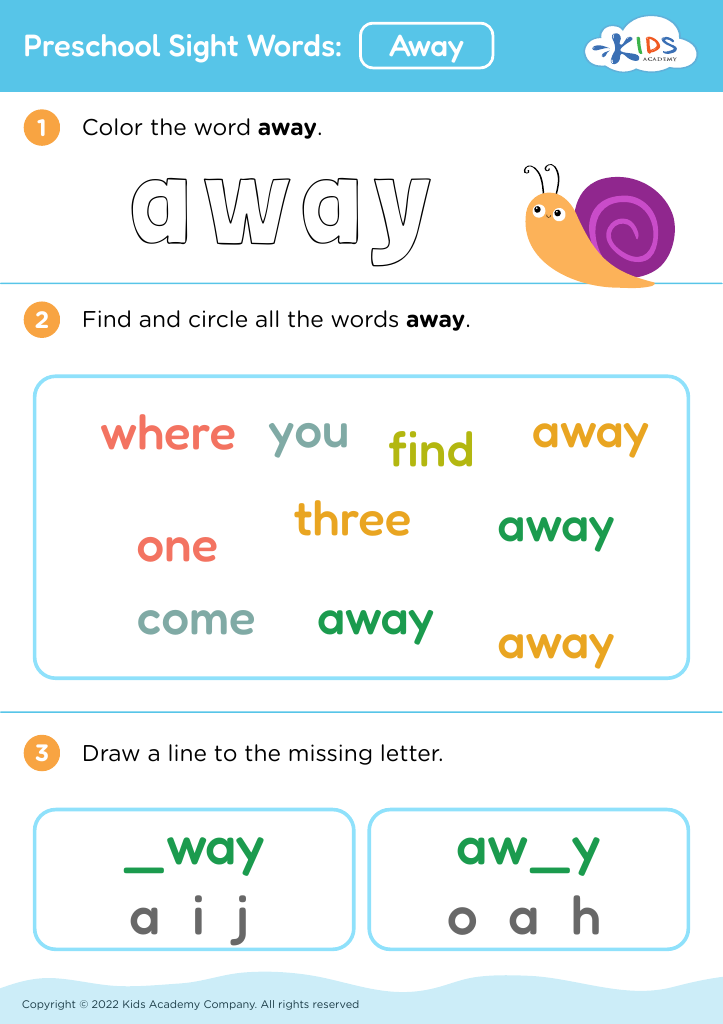


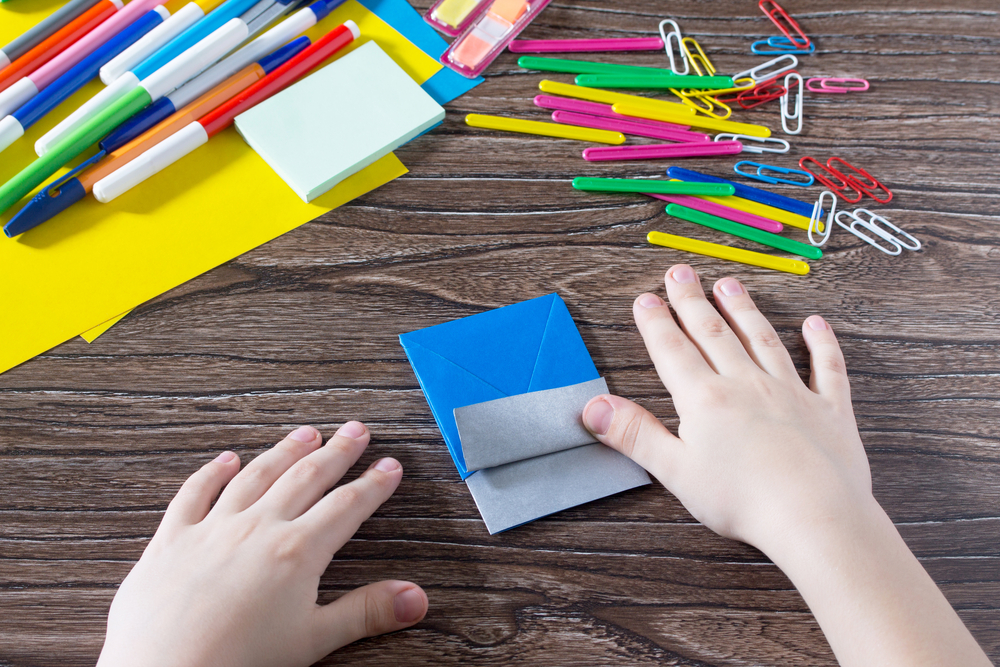



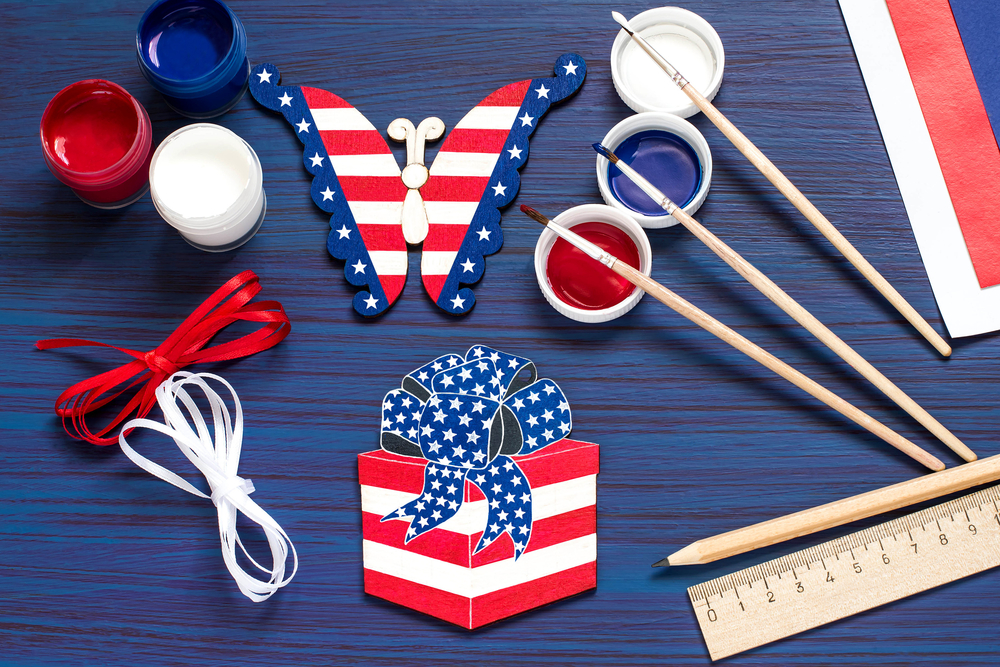
Fine motor skills are crucial for young children, especially as they prepare for reading and writing. For 3-year-olds, these skills involve the small muscles of the hands and fingers, essential for tasks like holding a book, turning pages, and using a pencil. Parents and teachers should care because strong fine motor skills set the foundation for early literacy development.
When children engage in activities like coloring, cutting with safety scissors, and manipulating small objects, they enhance their dexterity and hand-eye coordination. These abilities translate to improved control when handling books or writing instruments. As kids practice grasping, pinching, or linking beads, they also boost cognitive skills, A well-developed capacity for fine motor activities increases their confidence and encourages a love for learning.
Moreover, fine motor skill development is linked to cognitive, social, and emotional growth. Children who develop these skills early on often demonstrate better focus and patience, traits that are invaluable for classroom learning. Therefore, involving children in play that fosters fine motor skills not only supports their journey towards reading but also contributes positively to their overall development, ensuring they become successful learners in the future. Parents and teachers should prioritize these activities to cultivate well-rounded children.








