Vocabulary Building Reading Worksheets for 3-Year-Olds
3 filtered results
-
From - To
Enhance your 3-year-old's vocabulary with engaging reading worksheets designed to spark curiosity and foster language development. Our vocabulary building resources feature colorful images, simple words, and interactive activities that captivate young learners. Each worksheet encourages children to identify objects, match words with pictures, and explore language through fun exercises. Tailored specifically for preschoolers, these worksheets make learning enjoyable and effective. Help your child express themselves confidently and expand their word bank with our easy-to-use printables. Start your exciting vocabulary journey today and set the foundation for future reading and language skills! Perfect for both home and classroom use.
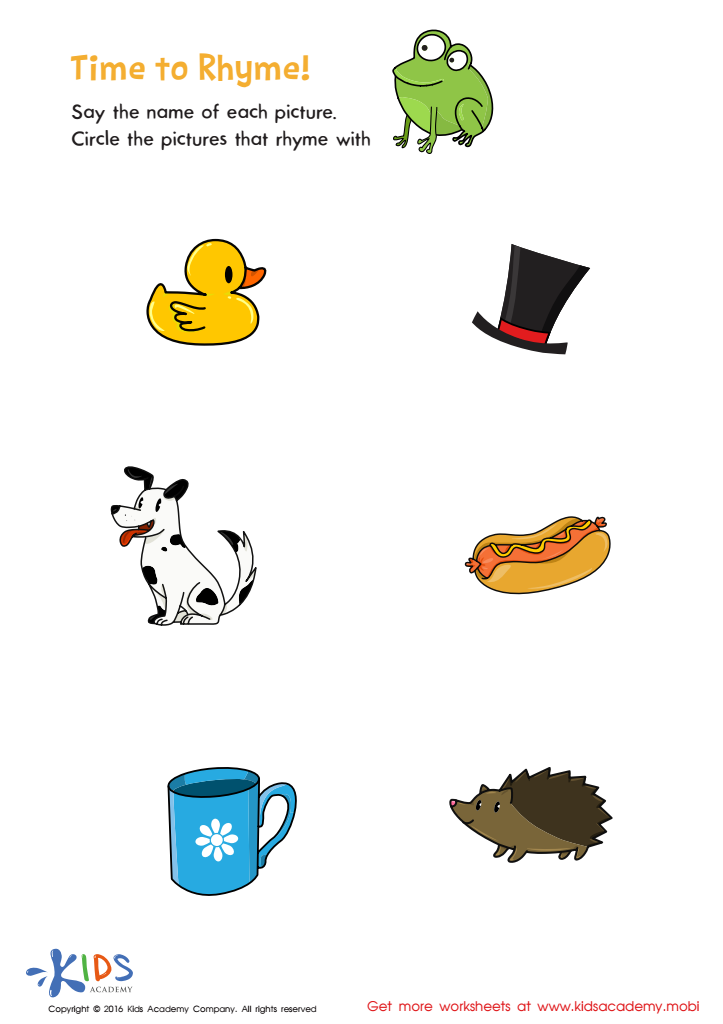
Rhyming Worksheet: Time to Rhyme Rhyming Worksheet
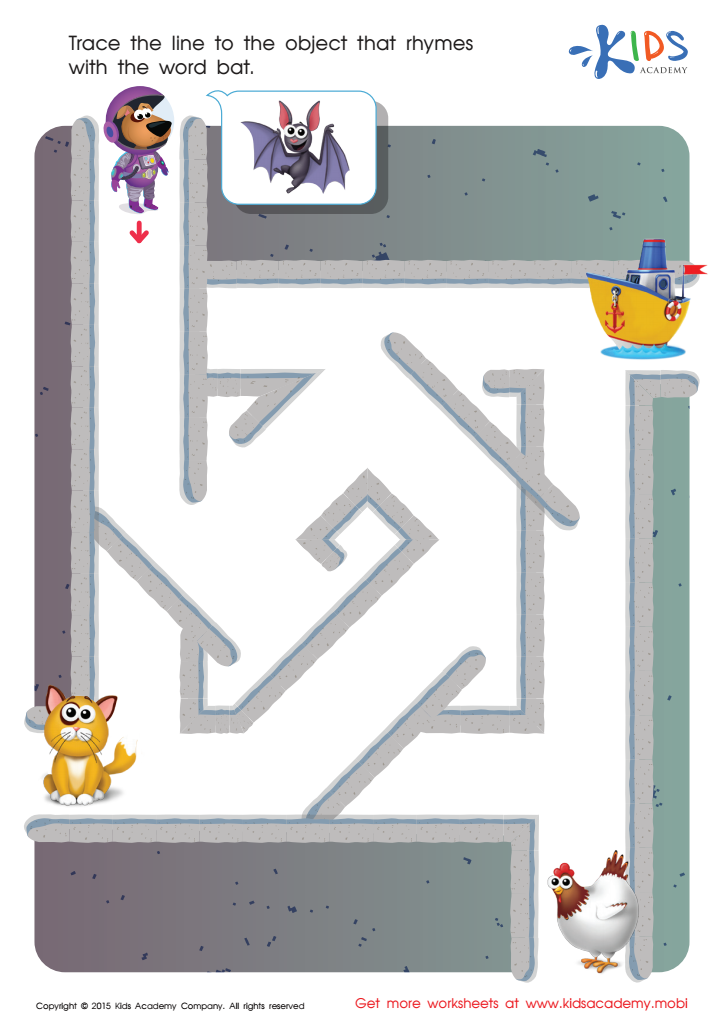
Bat Rhyming Words Worksheet
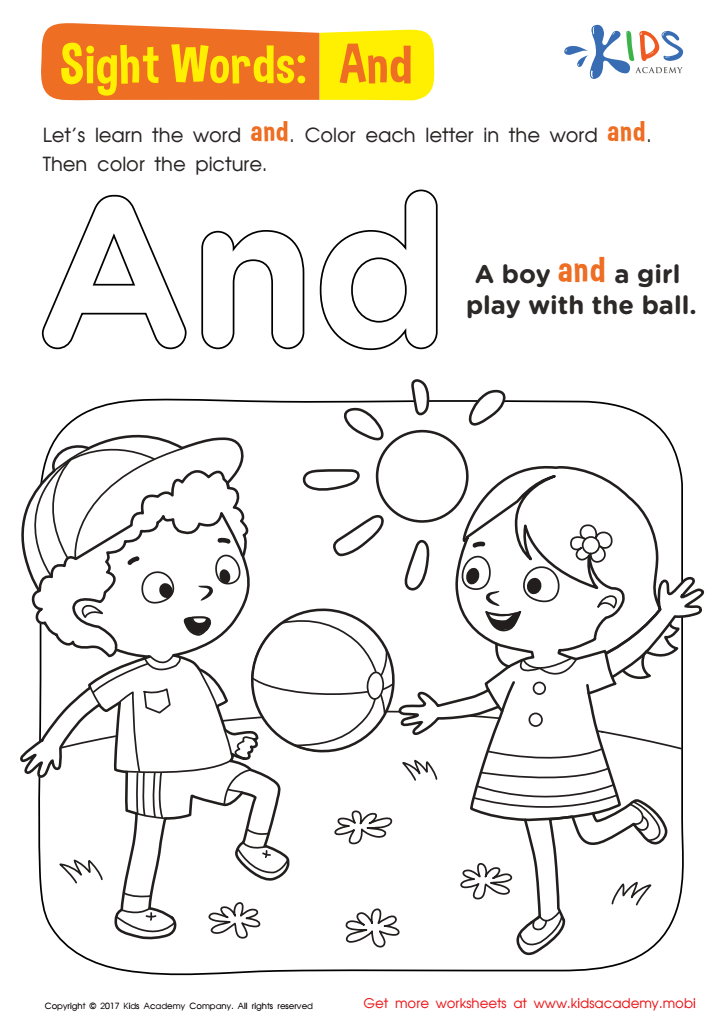
And Worksheet Sight Words Worksheet
 Assign to My Students






Vocabulary building is a critical developmental activity for 3-year-olds, laying the foundation for effective communication, literacy skills, and cognitive development. At this age, children are astonishingly receptive to new words, with their brains primed for language acquisition. When parents and teachers engage in vocabulary-building reading activities, they help children develop a rich and diverse vocabulary, enhancing their ability to express thoughts, feelings, and ideas.
Additionally, a strong vocabulary is closely linked to academic success. Children with a broad vocabulary tend to excel in reading comprehension, spelling, and overall literacy as they progress in school. This early investment in language skills can give them a significant advantage in their future education.
Reading aloud with 3-year-olds not only introduces them to new words but also fosters a love for stories and language. Interactive reading, where adults ask questions and engage children with themes and characters, makes the experience enjoyable and memorable. This interaction stimulates critical thinking and helps children understand language in context.
Moreover, supporting vocabulary development ensures that children can effectively socialize and engage with peers, enhancing their overall emotional and social development. Thus, by prioritizing vocabulary building through reading, parents and teachers are nurturing well-rounded, confident communicators.








