Color recognition Reading Comprehension Worksheets for 3-Year-Olds
5 filtered results
-
From - To
Enhance your child's early learning with our Color Recognition Reading Comprehension Worksheets designed specifically for 3-year-olds. These engaging and fun worksheets help young learners distinguish between different colors while boosting their reading comprehension skills. Packed with vibrant illustrations and simple, interactive activities, our worksheets make learning a delightful experience. Each exercise is crafted to support your child's cognitive development and improve their attention to detail. Perfect for at-home practice or classroom use, these resources make color recognition an enjoyable milestone in your child's educational journey. Download now and watch your child’s confidence and skills soar!
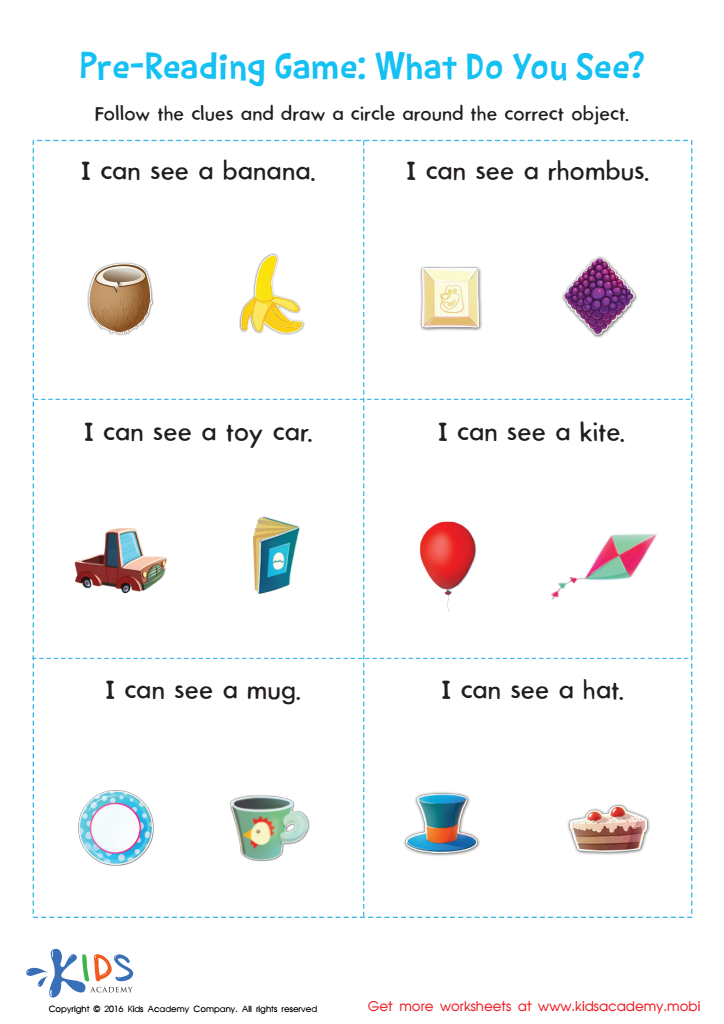
Pre–reading Worksheet: What Do You See?
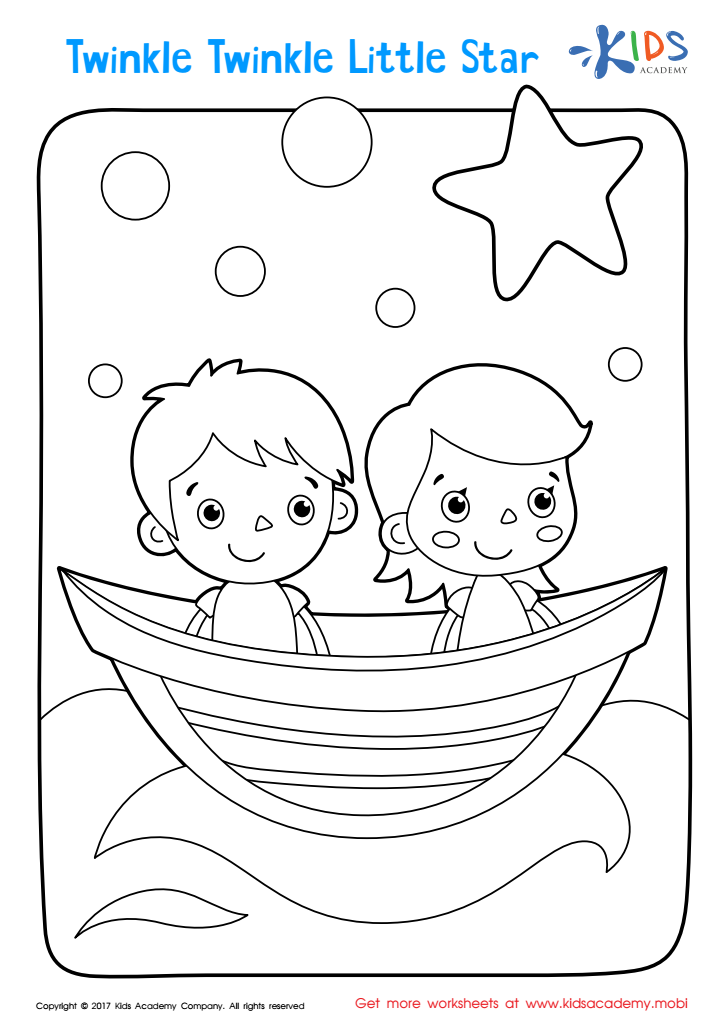
Twinkle Twinkle Little Star Coloring Page
 Assign to My Students
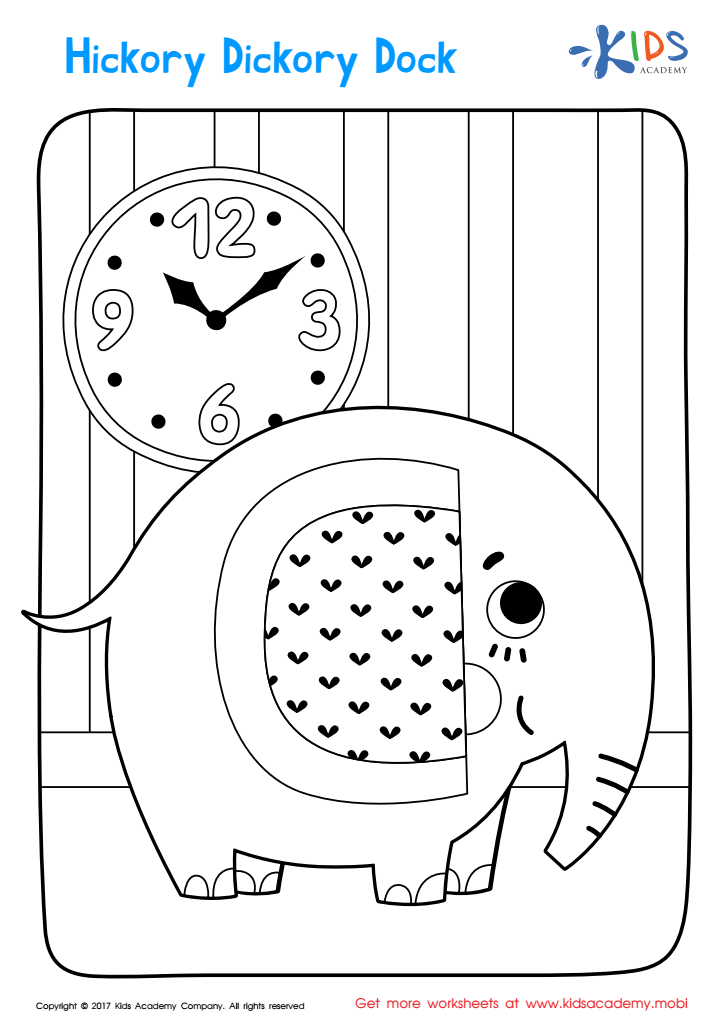
Hickory Dickory Dock Coloring Page
Assign to My Students
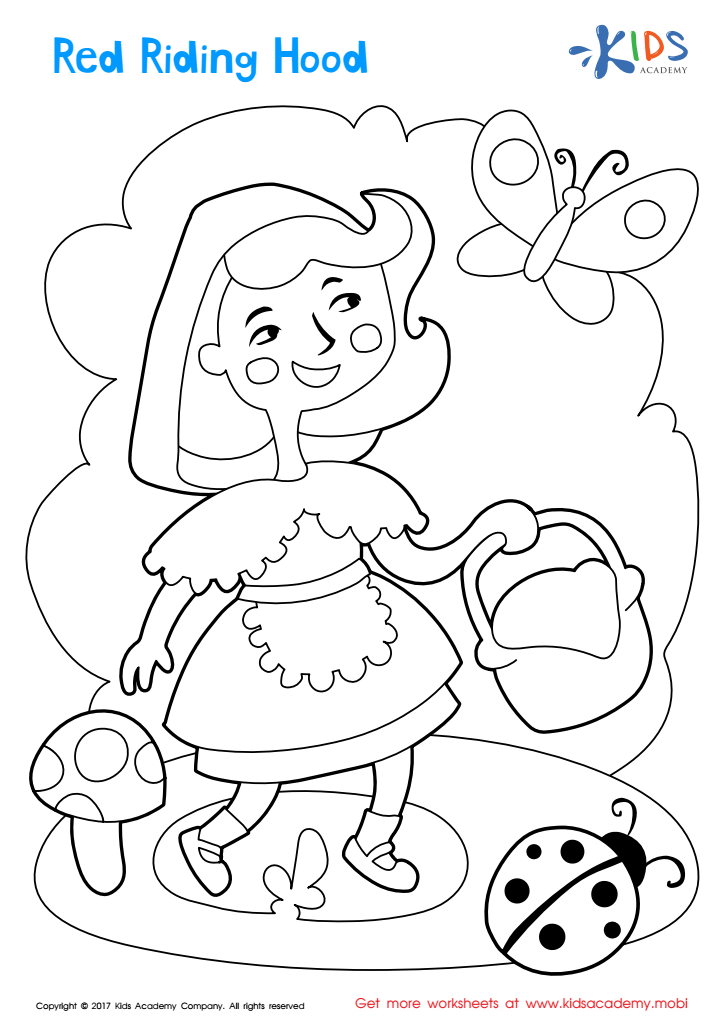
Red Riding Hood Coloring Page
Assign to My Students
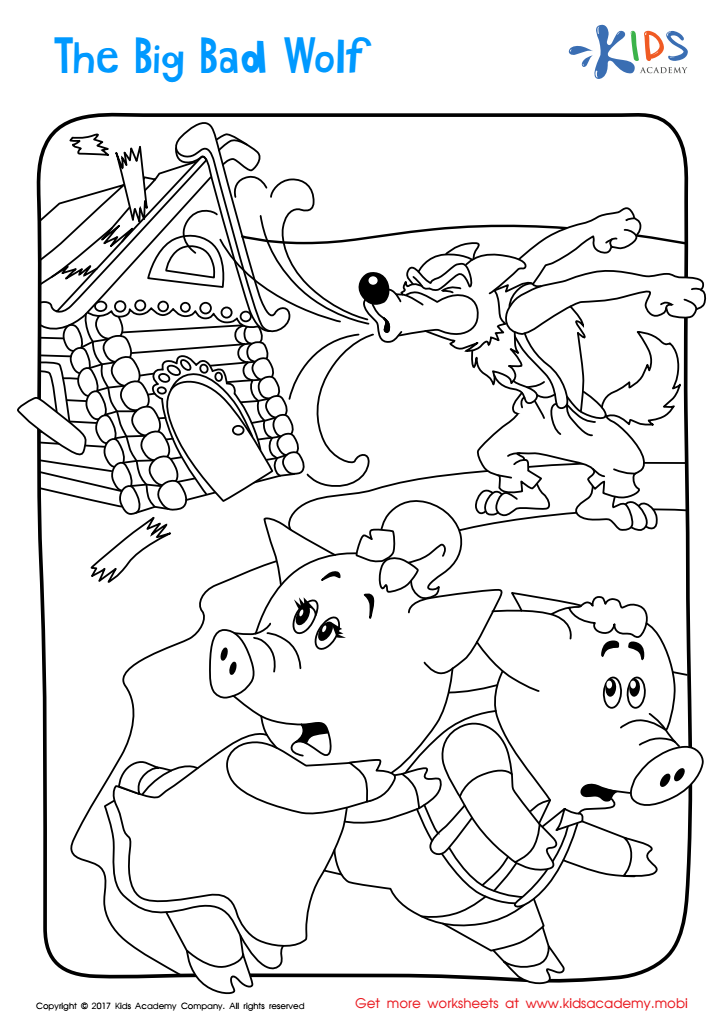
Big Bad Wolf Printable Coloring Page
Assign to My Students






.jpg)
Color recognition and reading comprehension are essential building blocks in a 3-year-old’s development, laying the foundation for future learning. Parents and teachers should place importance on these skills as they foster cognitive and social-emotional growth.
Color recognition is crucial because it enhances a child's visual perception. By identifying and distinguishing between colors, children improve their ability to categorize, which is a fundamental aspect of logical thinking and problem-solving. Additionally, recognizing and naming colors is often a child's first step toward expanding their vocabulary, which directly contributes to language development.
Reading comprehension at this age, though very basic, focuses on understanding the meaning of simple words and pictures. It encourages early literacy skills, such as listening, memory, and critical thinking. When a child understands a story or concept, it boosts their curiosity and love for reading, fostering a lifelong passion for learning.
Integrating color recognition with reading can make learning more engaging for 3-year-olds. For instance, colorful books and activities can capture their attention and interest more effectively. This combined approach aids in longer retention of information and encourages interactive learning, crucial for young minds.
Therefore, nurturing these skills prepares children for more complex cognitive tasks in kindergarten and beyond, promoting overall academic success and personal growth.








