Categorization skills Science Worksheets for 3-Year-Olds
3 filtered results
-
From - To
Enhance your 3-year-old's learning with our engaging Categorization Skills Science Worksheets! Designed to introduce young learners to the concept of grouping objects based on similarities and differences, these worksheets encourage critical thinking and observational skills. From sorting animals and plants to classifying colors and shapes, children will enjoy hands-on activities that make learning fun. Each worksheet promotes cognitive development and helps little ones make sense of the world around them. Perfect for parents and educators looking to support early childhood education, our printable worksheets boost confidence and foster a love for discovery. Explore categorization in an enjoyable, interactive way today!
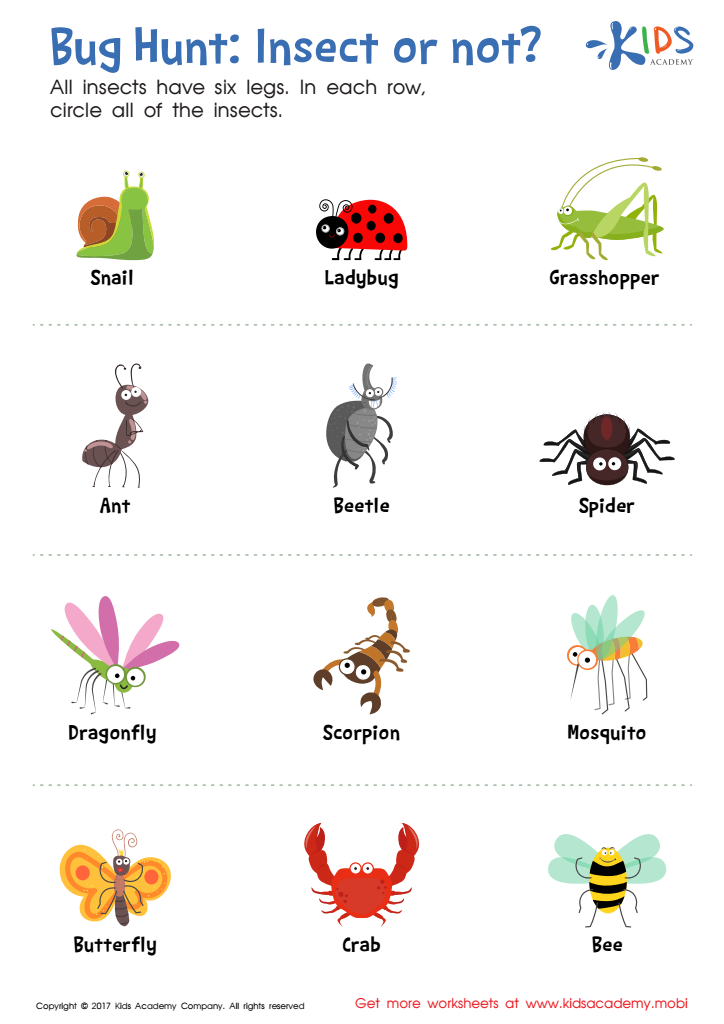
 Assign to My Students
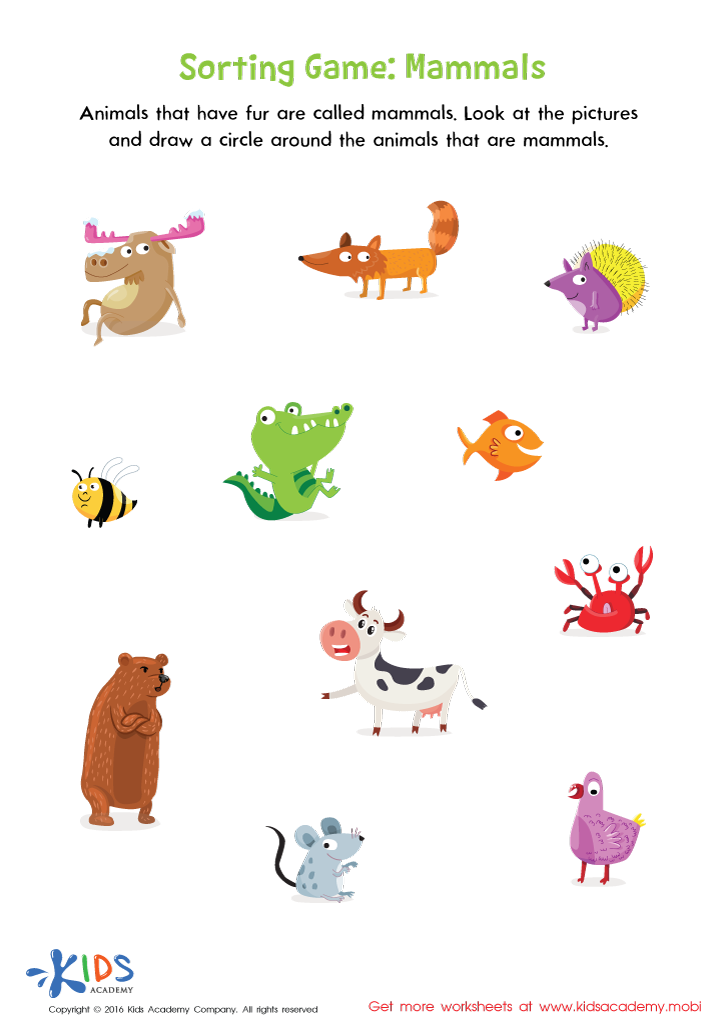
Mammals Sorting Worksheet
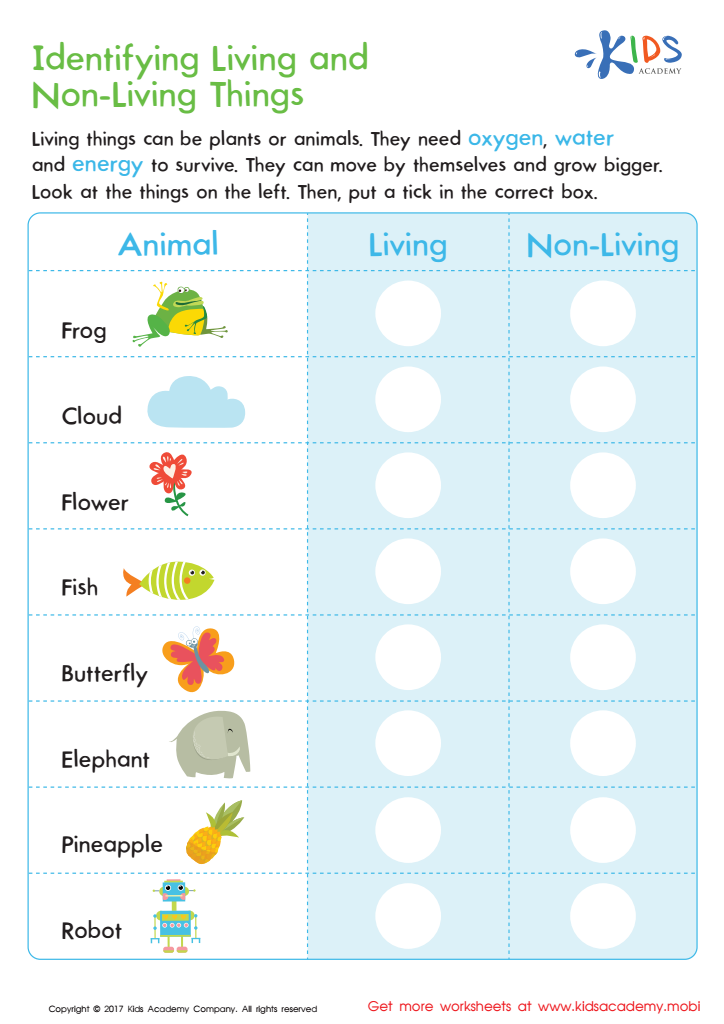
Identifying Living or Non–living Worksheet






Categorization skills in science are essential for 3-year-olds as they lay the foundation for critical thinking and cognitive development. By teaching young children to categorize objects, animals, or events, parents and teachers help them make sense of the world around them. Categorization enables kids to organize their environment, distinguishing between different shapes, colors, sizes, and properties, which enhances their observational skills and aids in memory retention.
Furthermore, these skills are integral to early scientific exploration. As children learn to categorize, they engage in basic scientific processes such as observing, comparing, and predicting. For instance, sorting leaves by shape or color introduces concepts like taxonomy in nature, fostering a curiosity about the environment.
Moreover, categorization supports language development; as children describe their grouped objects or concepts, they expand their vocabulary and communication skills. This foundational skill also enhances problem-solving abilities, which are crucial for success in later school years.
Therefore, by focusing on categorization skills through playful activities and guided exploration, parents and teachers create rich learning experiences that not only promote early scientific understanding but also equip children with essential foundations for lifelong learning.







