Handwriting practice Writing Worksheets for 3-Year-Olds
8 filtered results
-
From - To
Engage your little learners with our tailored Handwriting Practice Writing Worksheets for 3-Year-Olds! These fun and engaging worksheets are specially designed to develop early writing skills in young children. Each worksheet combines playful activities with educational tasks, guiding preschoolers through the basics of handwriting. By tracing letters, shapes, and simple words, kids will enhance their fine motor skills and hand-eye coordination in an enjoyable way. Perfect for parents and teachers, our worksheets provide a solid foundation to help your child confidently start their writing journey. Nurture early literacy with Kids Academy's expertly crafted handwriting practice worksheets!
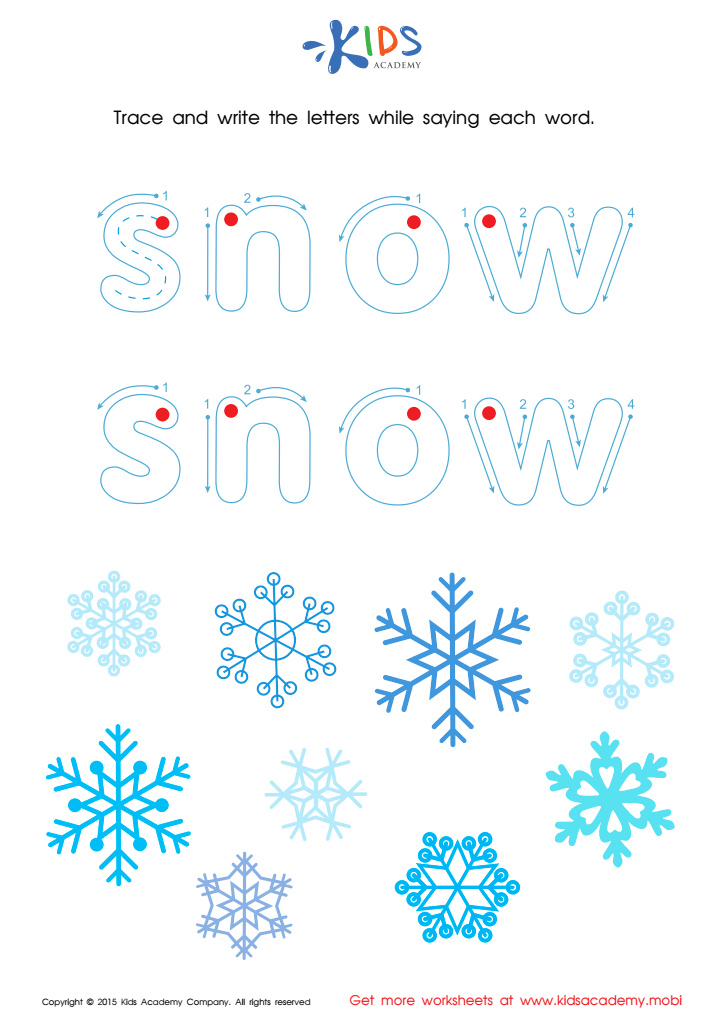
Snowflake Tracing Winter Words Worksheet
 Assign to My Students
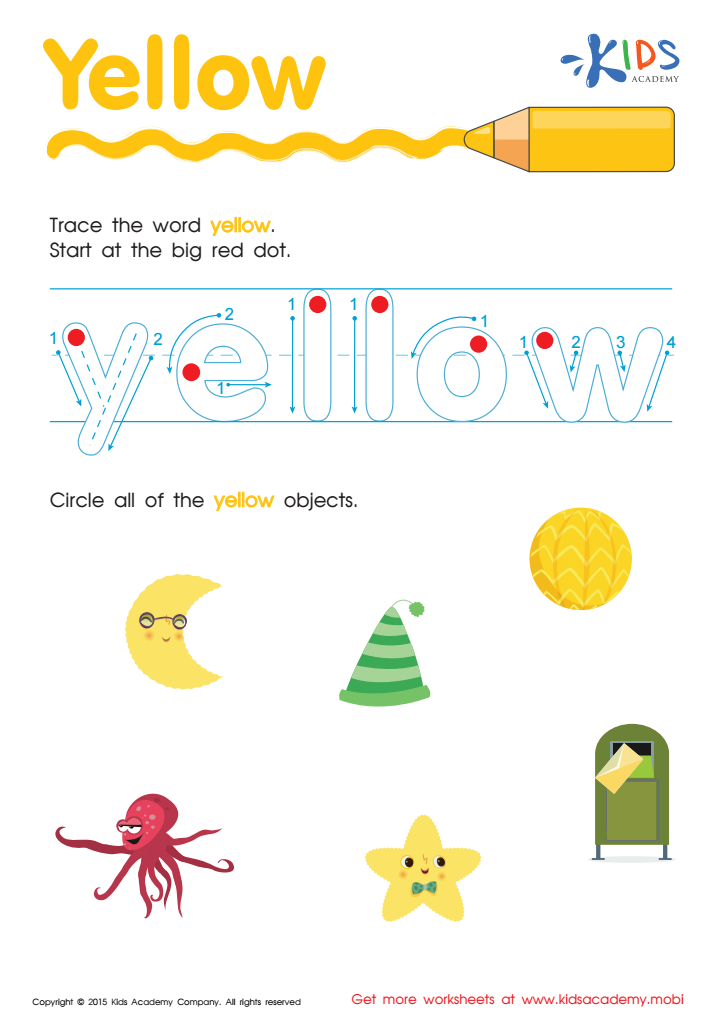
Yellow Tracing Color Words Worksheet
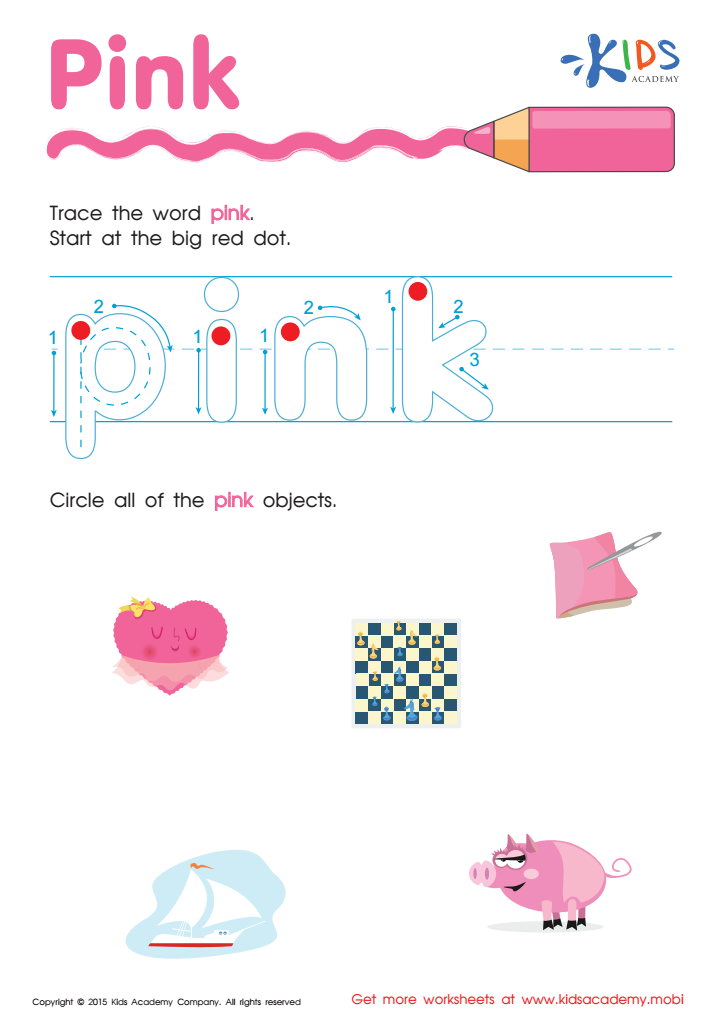
Pink Tracing Color Words Worksheet
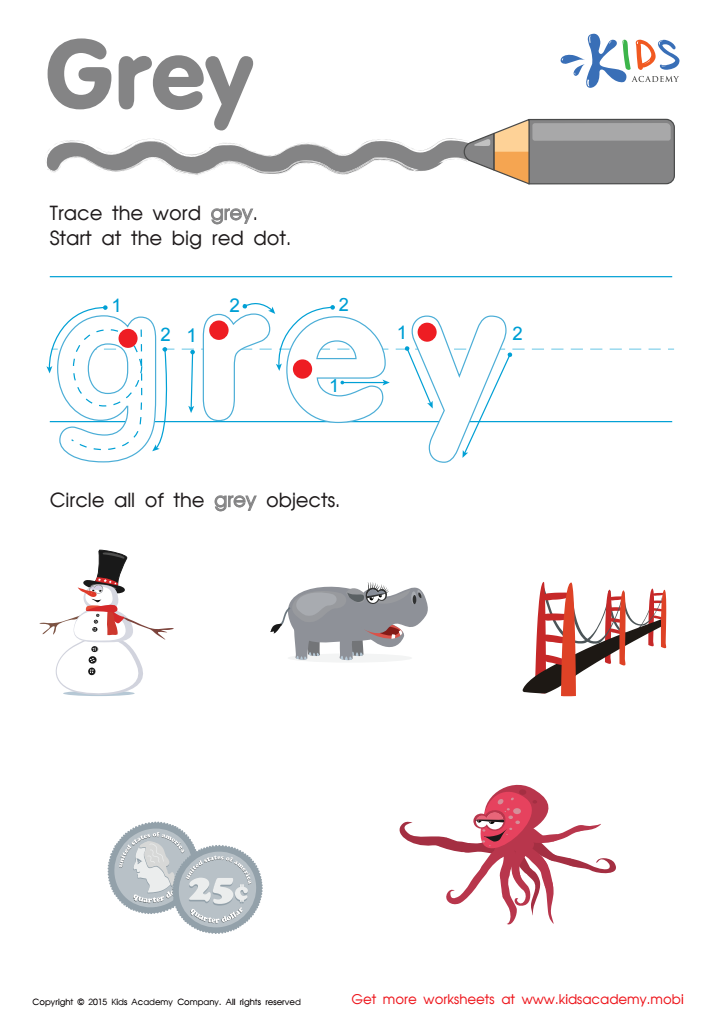
Grey Tracing Color Words Worksheet
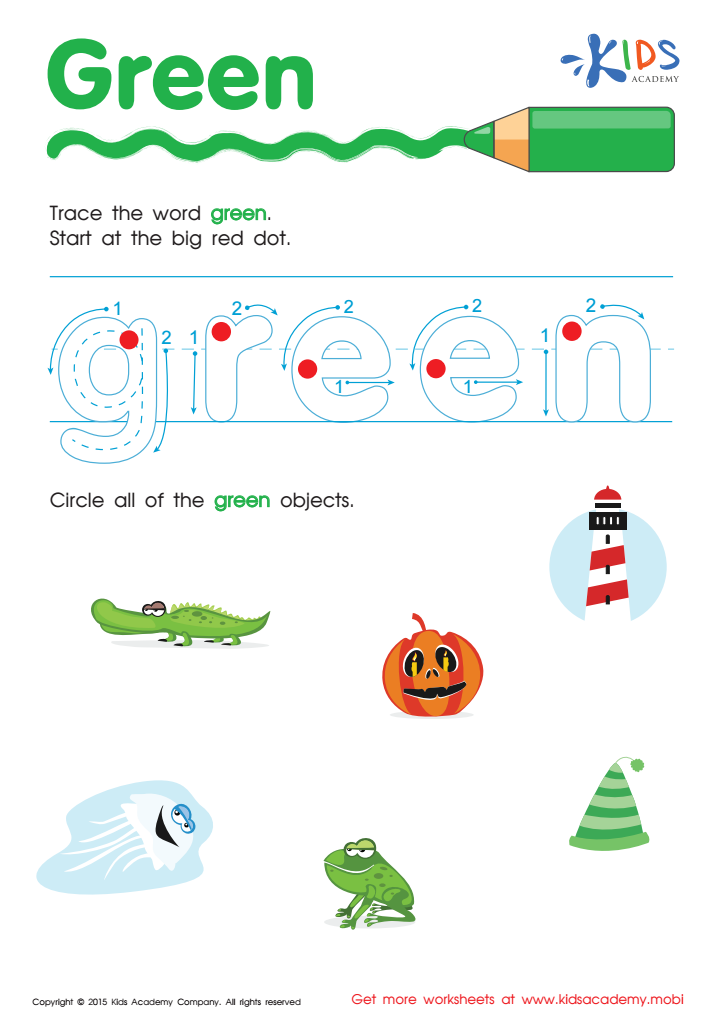
Green Tracing Color Words Worksheet
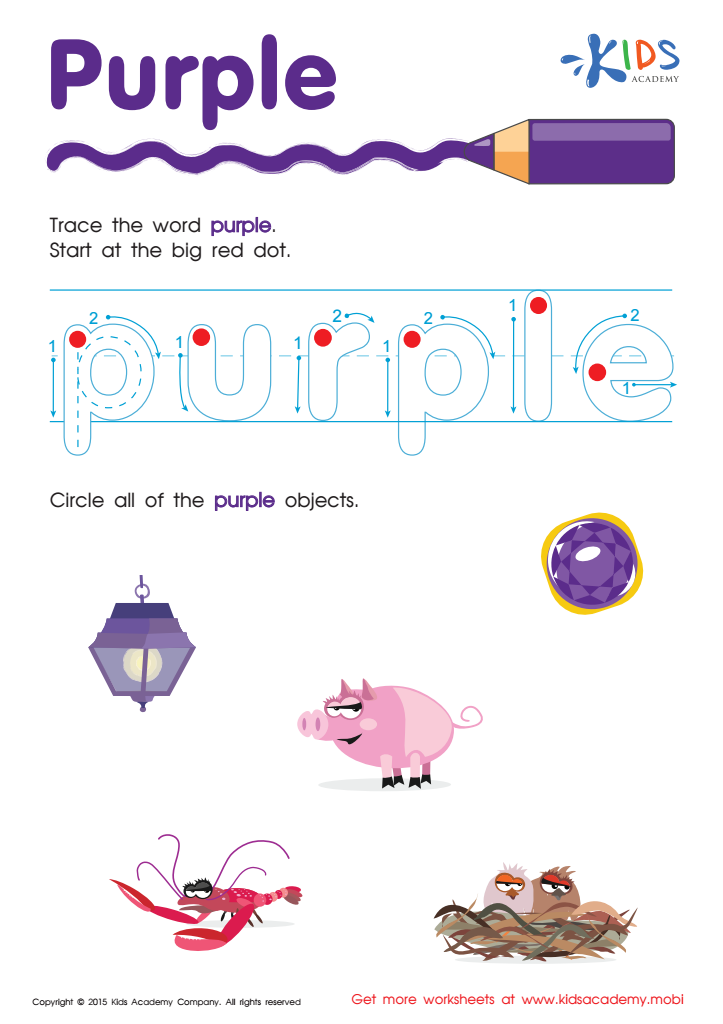
Purple Tracing Color Words Worksheet
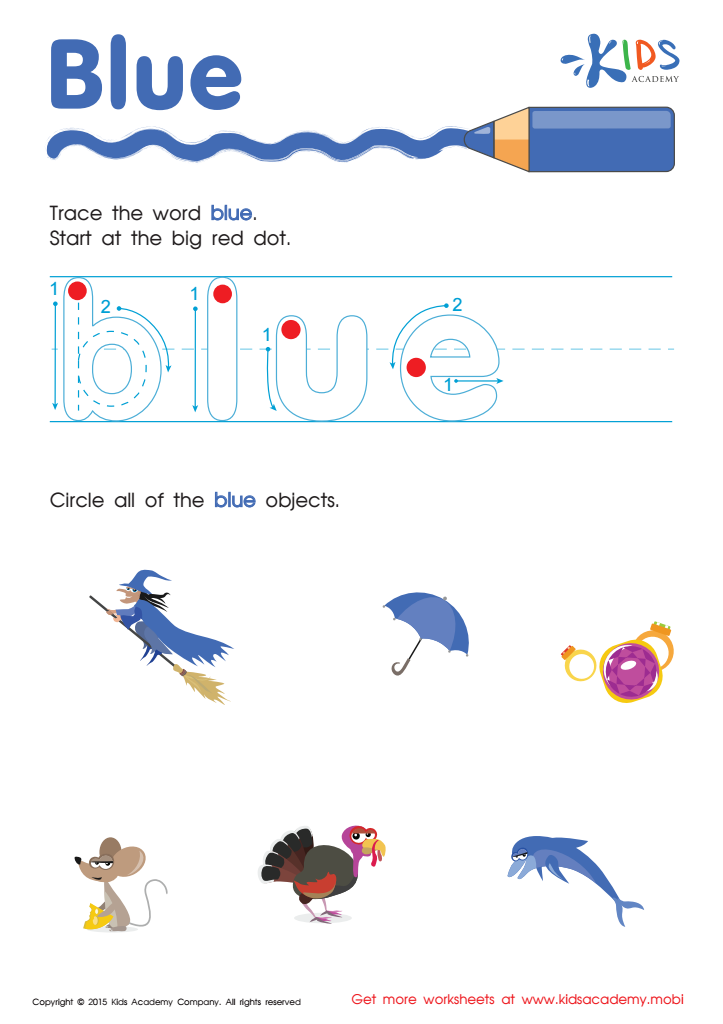
Blue Tracing Color Words Printable
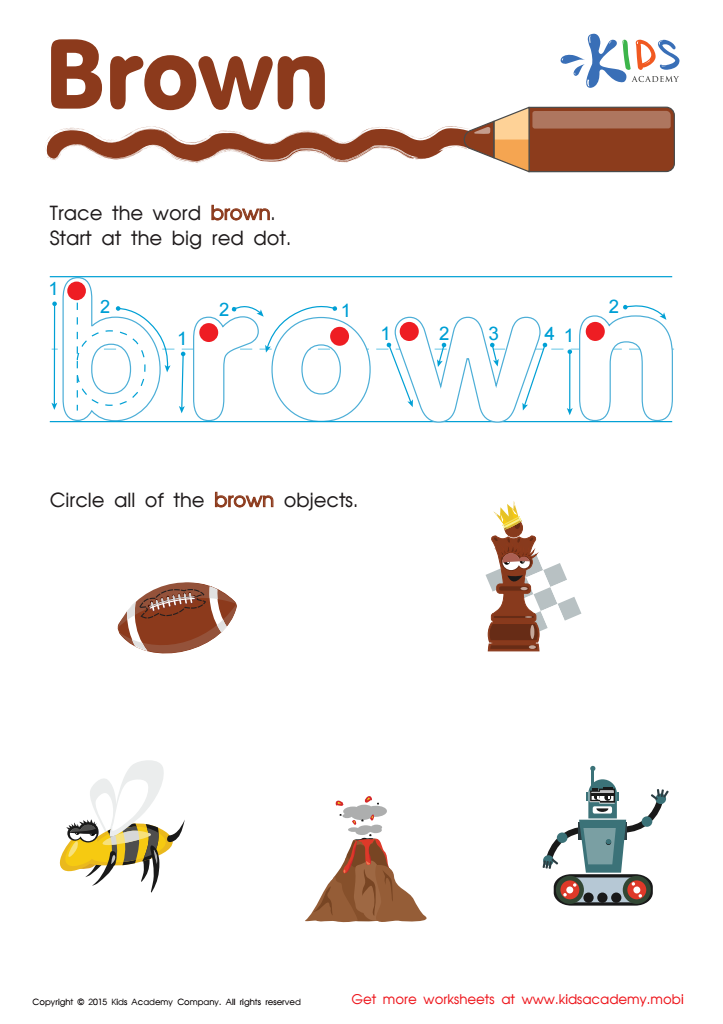
Brown Tracing Color Words Worksheet



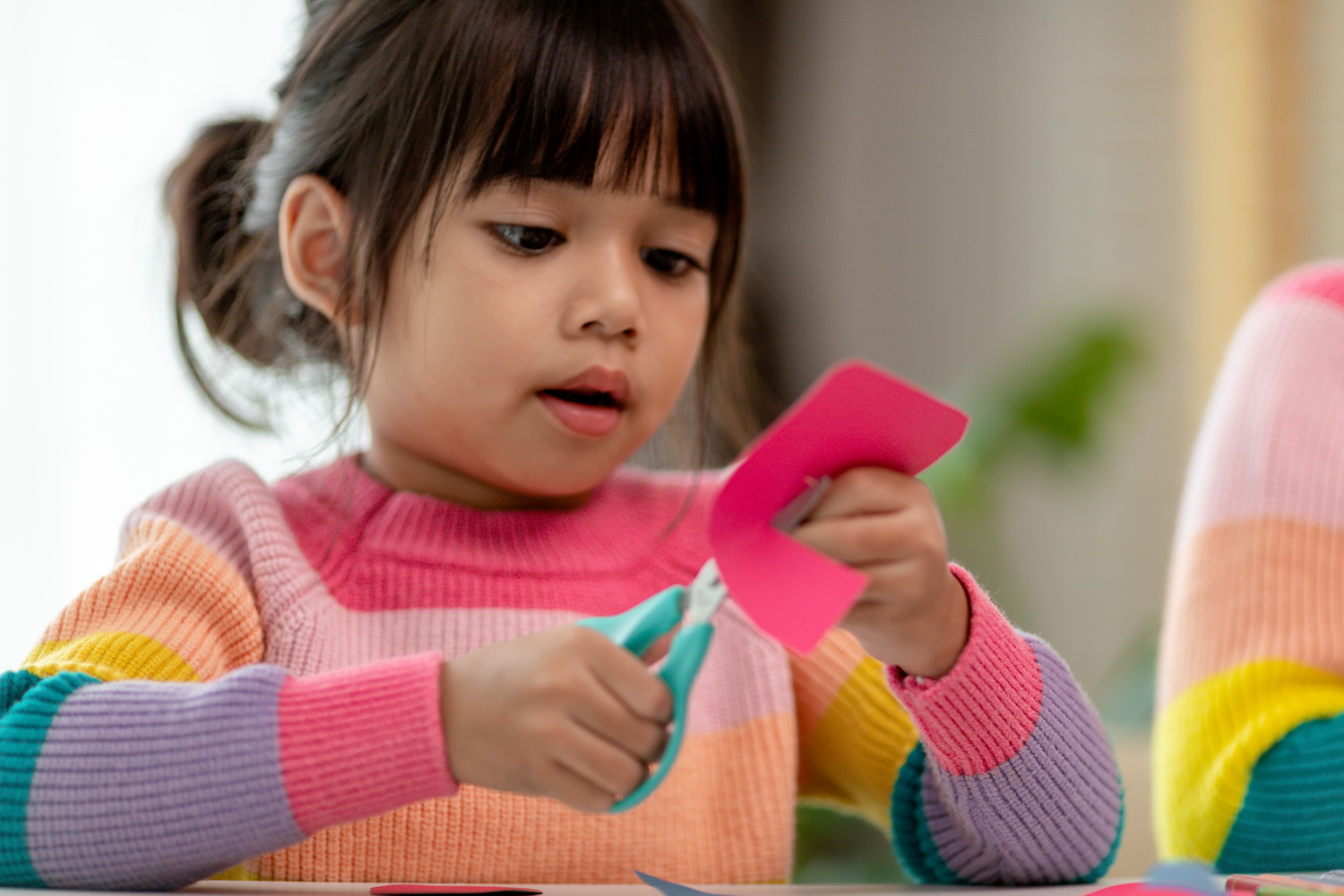




Handwriting practice is more than just learning letters; it's a critical foundation for a child’s overall development. For 3-year-olds, practicing handwriting helps in honing fine motor skills. These are the small muscle movements in hand and fingers required for everyday tasks like buttoning a shirt, using utensils, or tying shoelaces. Developing these skills early will make such tasks much easier as the child grows.
Moreover, handwriting practice aids in cognitive development. It encourages children to pay attention to shapes and forms, enhancing their ability to recognize patterns, which in turn strengthens early reading skills. Writing engages several brain regions simultaneously, fostering connections that improve memory and learning capacity.
Emotionally, mastering a new skill like handwriting boosts a child’s confidence and autonomy. It becomes a tangible way to express thoughts and creativity, lending a sense of achievement that positively impacts self-esteem.
Socially, being able to write promotes interaction. Children can share notes or engage in joint activities that involve writing, improving both communication skills and relationships.
Ultimately, handwriting practice lays a manually skilled and cognitively enriched foundation, pivotal for future educational success and everyday life. Therefore, parents and teachers should prioritize this practice to give children a robust start on their educational journey.








