Phonics skills development Alphabet Worksheets for Ages 4-5
5 filtered results
-
From - To
Boost your child's reading journey with our comprehensive Alphabet Worksheets designed for ages 4-5! These fun and engaging printables are crafted to enhance early phonics skills by helping young learners recognize and sound out letters. Our worksheets offer a variety of joyful activities, from tracing and matching letters to identifying beginning letter sounds. Created by education experts, they ensure foundational phonemic awareness and letter-sound associations, essential for pre-K and kindergarten readiness. Make learning an adventure with our vividly illustrated worksheets and set the stage for confident reading and writing success. Discover the exciting path towards literacy today!
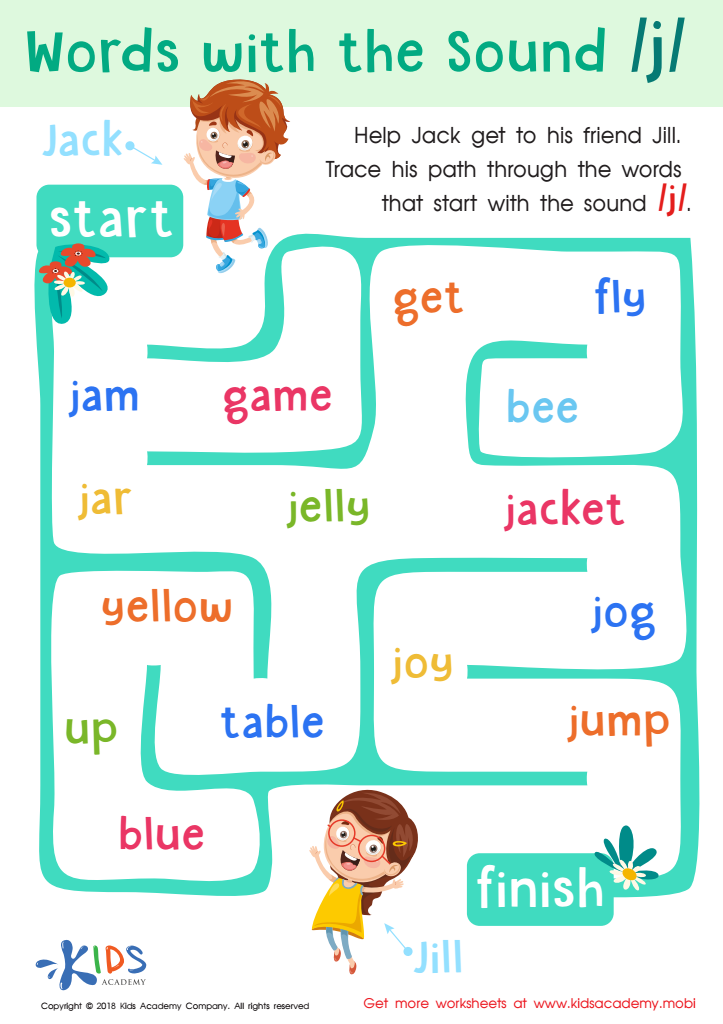
Words with sound j Reading Worksheet
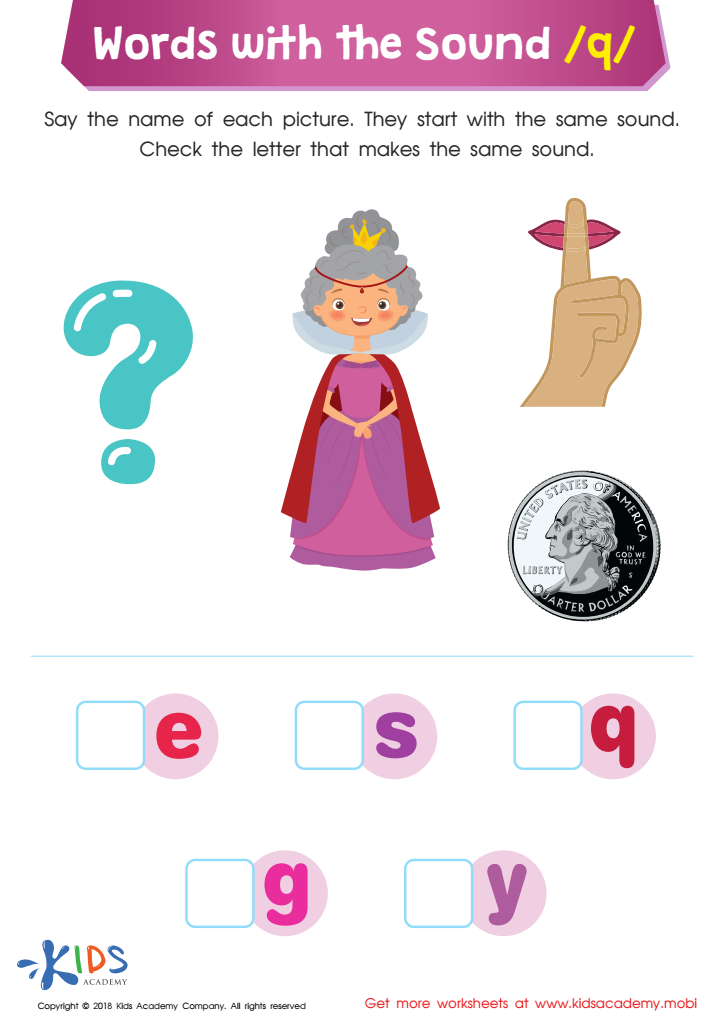
Words with Sound Q Reading Worksheet
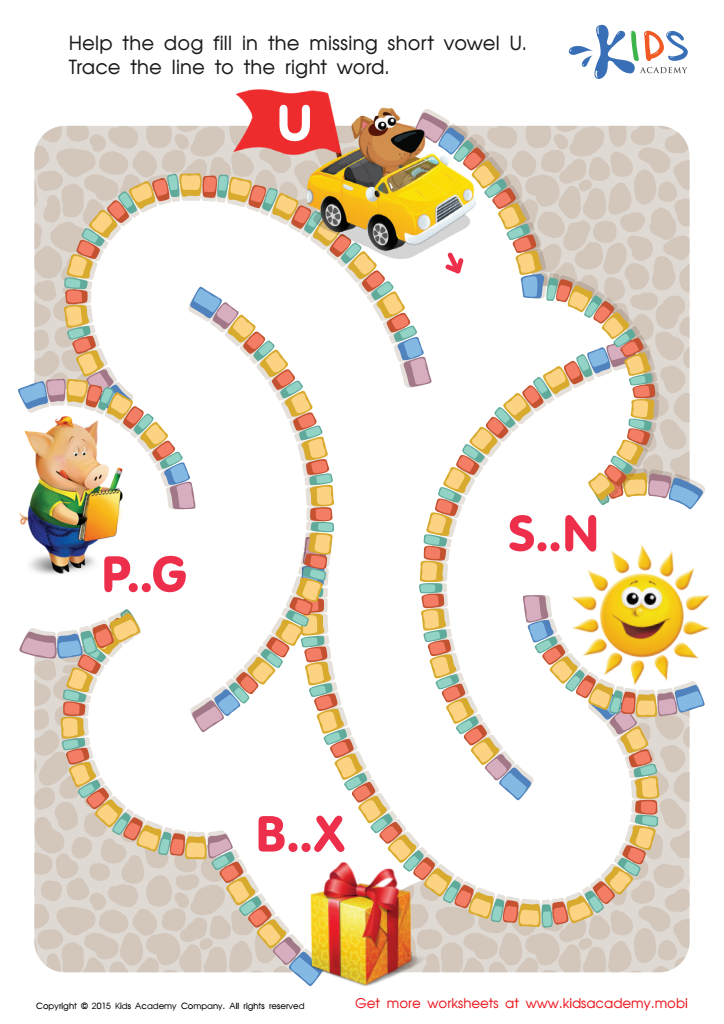
Short Vowel Sound U Worksheet
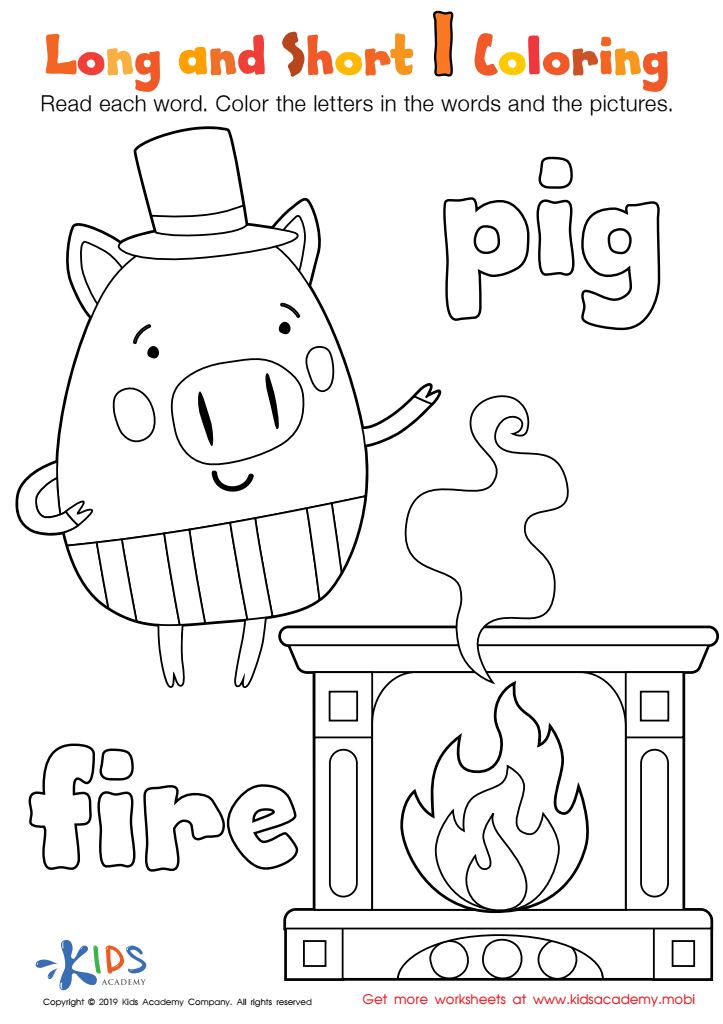
Long and Short I Worksheet
 Assign to My Students
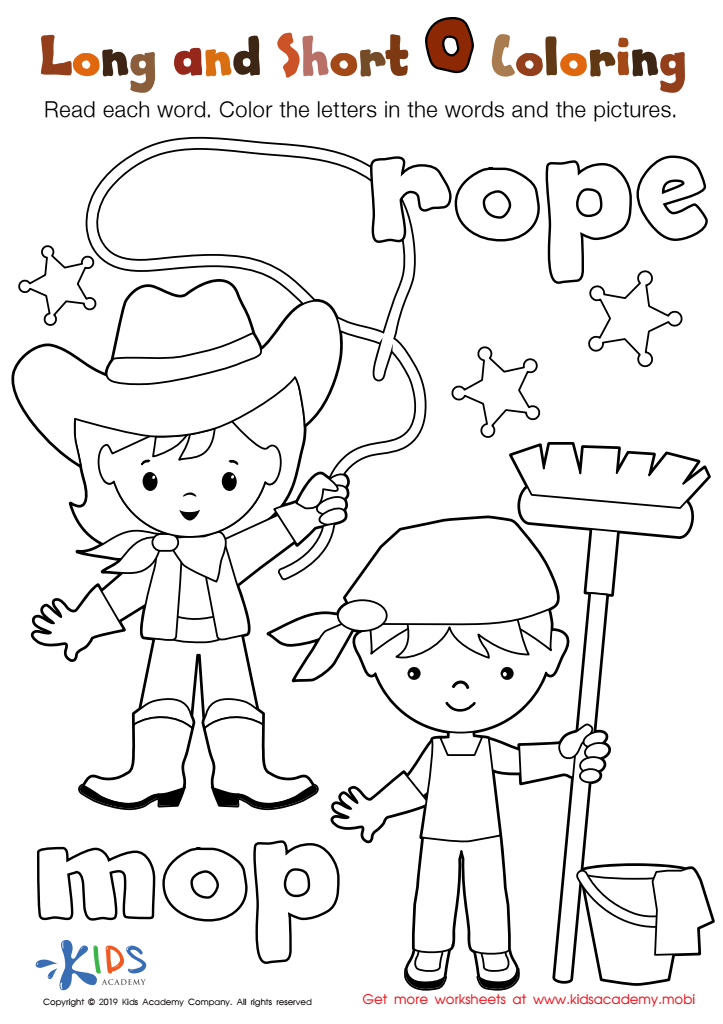
Long and Short O Worksheet
Assign to My Students






Phonics skills development is crucial for children ages 4-5 because it forms the foundation of their reading and writing abilities. At this age, children are at a critical stage of cognitive and linguistic development, where they are highly receptive to learning new skills. By teaching phonics, parents and teachers help children understand the relationship between letters and sounds, which is essential for decoding words. This understanding allows children to read unfamiliar words by sounding them out, thereby enhancing their reading fluency and confidence.
Phonics education also aids in spelling, as children learn to associate sounds with letter patterns, making it easier for them to spell words correctly. This early grasp of phonics leads to better vocabulary and comprehension as children can read a wider range of texts independently.
Moreover, developing phonics skills at an early age boosts children’s phonemic awareness, which research links to long-term literacy success. When children have strong phonics foundations, they're more likely to enjoy reading, showing better academic performance across all subjects. Caring about phonics skills development means investing in children’s future essential communication skills, ultimately preparing them for a bright academic and personal growth trajectory. In short, phonics is the key that unlocks the door to literacy, making it a priority for early education.







