Sound-letter association Alphabet Worksheets for Ages 4-5
3 filtered results
-
From - To
Discover our engaging Sound-Letter Association Alphabet Worksheets for ages 4-5! Designed to spark curiosity and enhance early literacy skills, these worksheets help young learners connect sounds with corresponding letters. Our interactive activities include letter identification, sound matching, and vibrant visuals that inspire creativity while reinforcing phonetic awareness. Perfect for home or classroom use, these resources support children in building a strong foundation for reading and writing. Watch as they gain confidence in recognizing sounds and letters, setting them on the path to literacy success. Explore our diverse collection and make learning fun and effective today!
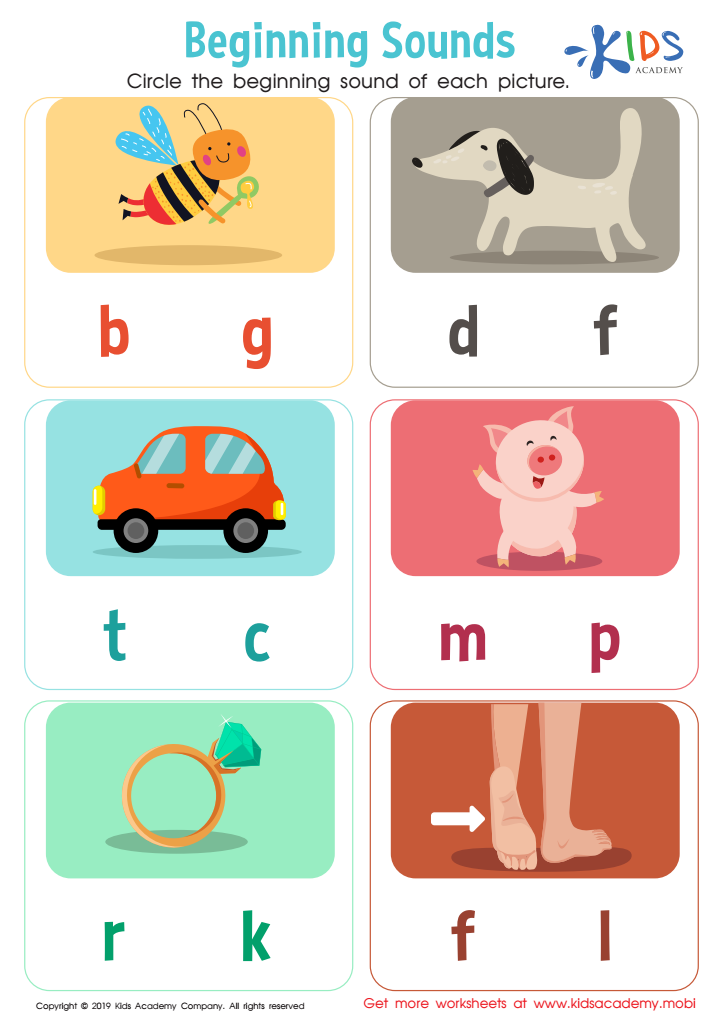
Beginning Sounds Worksheet
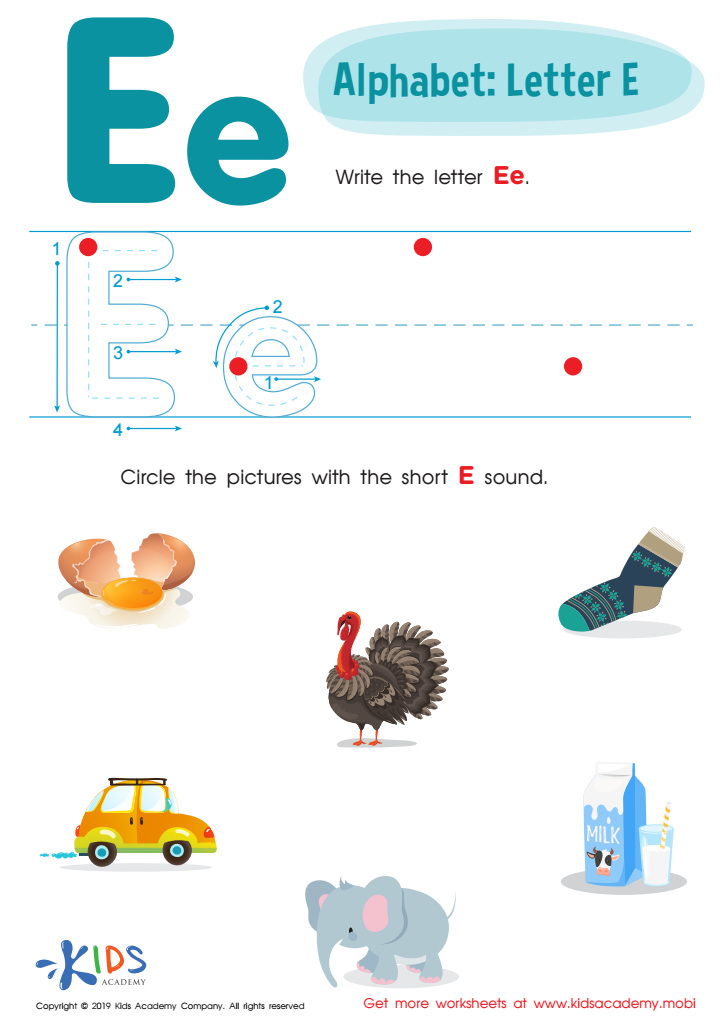
Letter E Tracing Worksheet
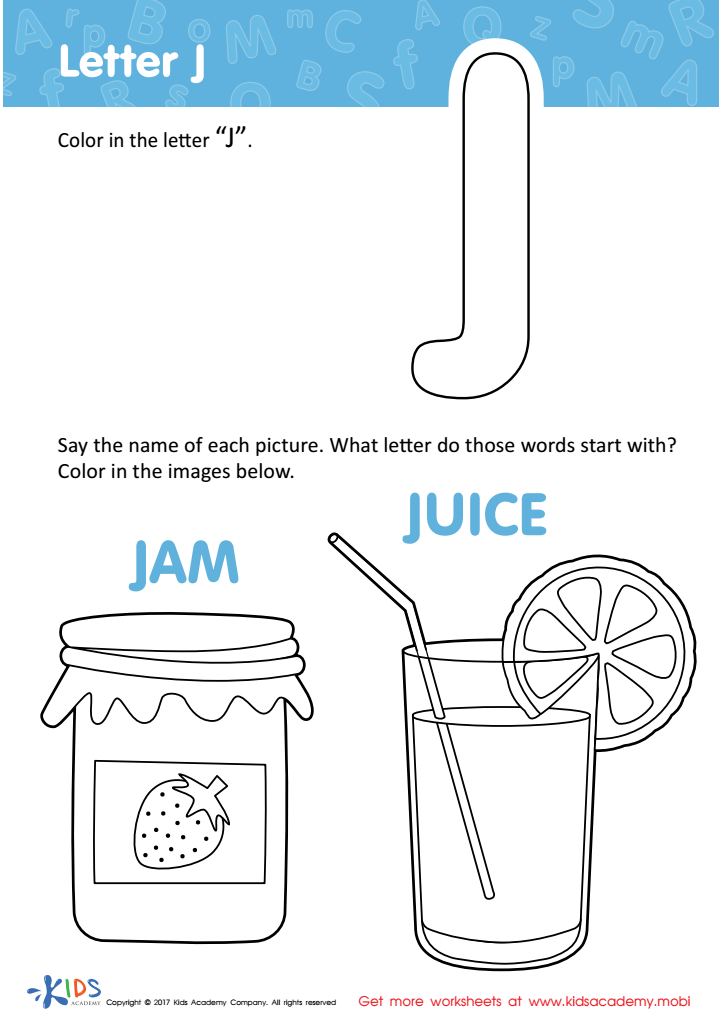
Letter J Coloring Sheet
 Assign to My Students







Sound-letter association, or phonemic awareness, is crucial for children aged 4-5 for several reasons. First, it forms the foundation of literacy, helping young learners connect the sounds they hear in spoken language with the letters that represent those sounds in writing. This skill sets the stage for effective reading and writing development, which are essential in a child's educational journey.
When parents and teachers prioritize sound-letter association, they empower children to decode words, enhancing their vocabulary and early reading skills. Additionally, this understanding fosters confidence as children begin to read independently, which is vital for their motivation and lifelong love of learning.
Moreover, strong phonemic awareness leads to better spelling and writing abilities, as children learn to sound out words and correspond them to letters. It also supports comprehension since children who grasp sound-letter relationships are better equipped to recognize familiar words while reading.
Lastly, by focusing on sound-letter associations, parents and teachers create a stimulating literacy-rich environment that incorporates fun, engaging activities. This not only improves children’s phonemic skills but also enriches their overall language development, setting the stage for future academic success.







