Word identification Alphabet Worksheets for Ages 4-5
3 filtered results
-
From - To
Discover our engaging Word Identification Alphabet Worksheets designed for ages 4-5, perfect for nurturing early literacy skills! These worksheets help young learners recognize and identify words associated with the alphabet. Through fun and interactive activities, children will enhance their vocabulary, improve reading comprehension, and build confidence in word recognition. Our resources are expertly crafted to align with early childhood education standards, making learning both enjoyable and effective. Parents and teachers can easily print these worksheets and incorporate them into daily learning routines, ensuring that children develop essential language skills in a joyful and supportive environment. Start your child’s literacy journey today!
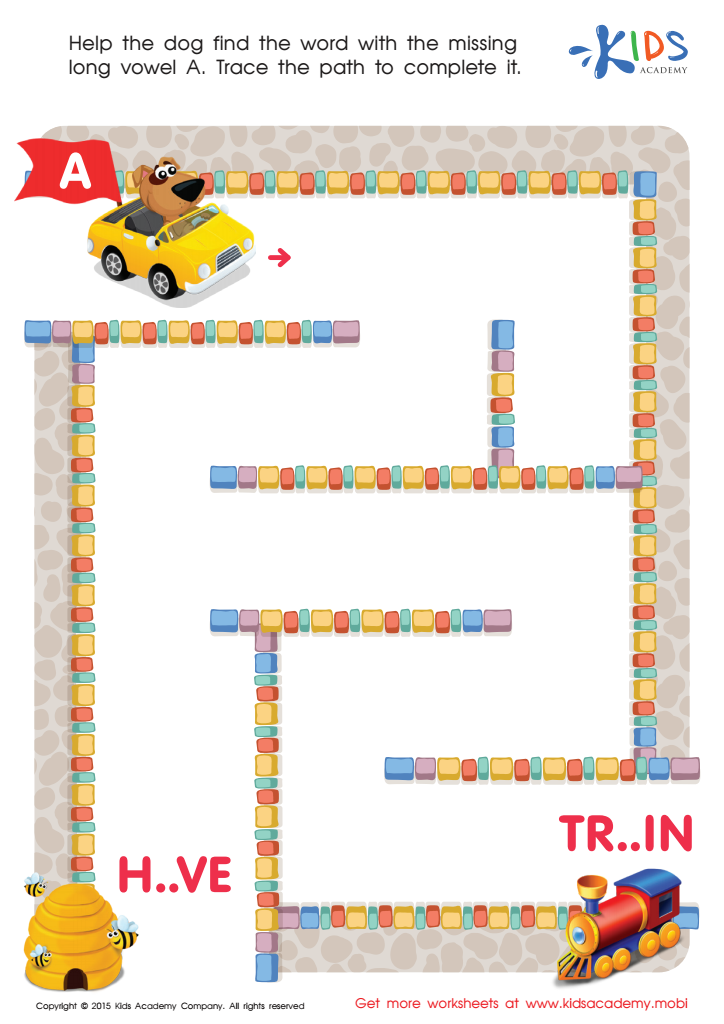
Long Vowel Sound A Worksheet
 Assign to My Students
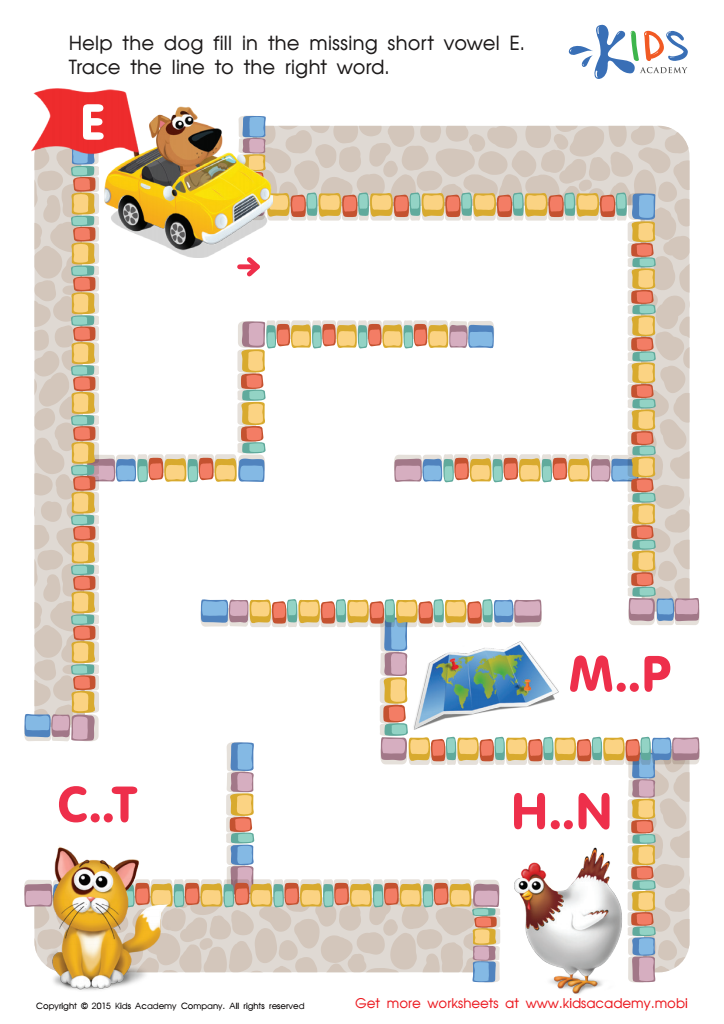
Short Vowel Sound E Worksheet
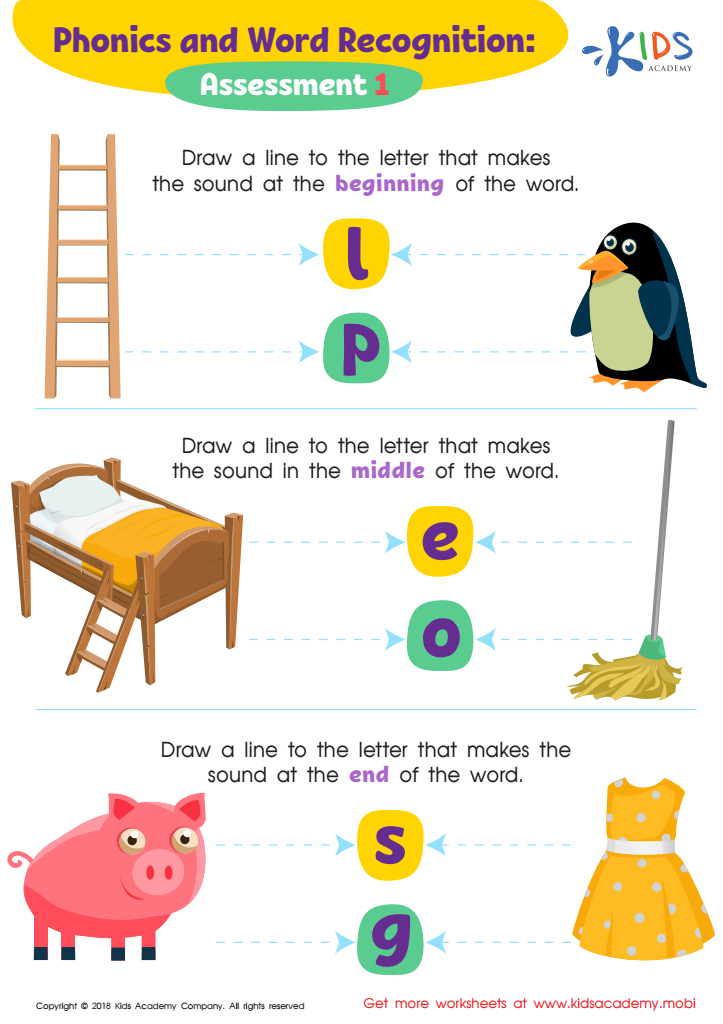
Phonics and Word Recognition: Assessment 1 ELA Worksheet








Understanding word identification and the alphabet is crucial for children aged 4-5, as it lays the foundation for their literacy development. At this early age, children are like sponges, eagerly absorbing information, and mastering the alphabet significantly enhances their ability to recognize and decode words. Parents and teachers should prioritize this understanding because proficiency in word identification is linked to overall academic success.
Moreover, learning the alphabet supports language skills, enriching vocabulary and facilitating effective communication. It encourages children to engage with books, fostering a love of reading that extends beyond the classroom. When children can identify letters and the sounds they produce, they gain confidence in their ability to read, write, and express themselves.
Additionally, pairing alphabet knowledge with fun activities, such as games and songs, can create enjoyable learning experiences. This positive reinforcement encourages a growth mindset towards education. Ultimately, emphasizing word identification and the alphabet helps promote cognitive development and critical thinking, preparing young learners to tackle more complex literacy challenges as they progress in their education. In summary, early attention to these skills enriches literacy, boosts self-esteem, and sets children on a path to lifelong learning and achievement.







