Phonics Skills Phonics Worksheets for Ages 4-5 - Page 2
26 filtered results
-
From - To
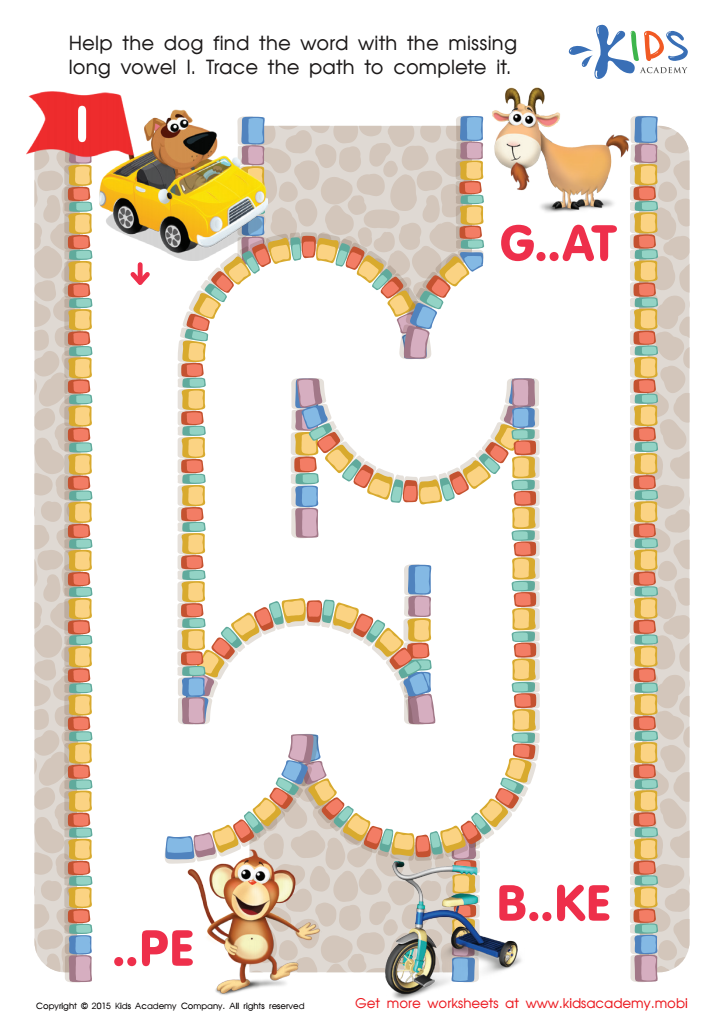
Long Vowel Sound I Worksheet
 Assign to My Students
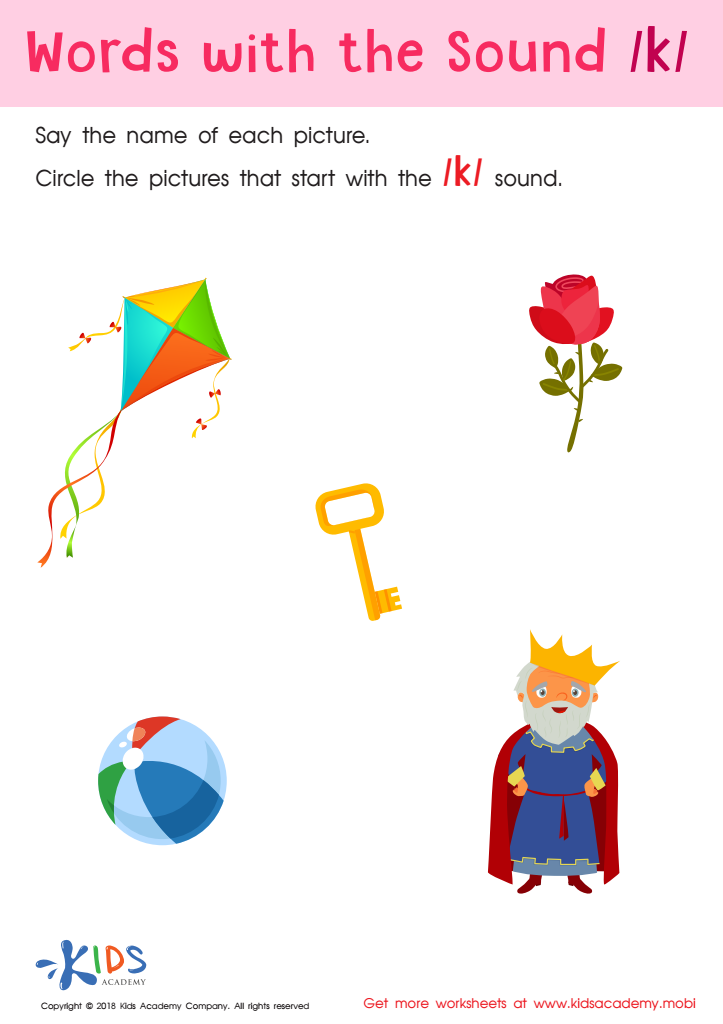
Words with sound k Reading Worksheet








Phonics skills are foundational for young learners aged 4-5, making them crucial for parents and teachers to prioritize. At this developmental stage, children are beginning to explore language, sounds, and letters, providing an opportune moment for phonics instruction. Phonics teaches children the relationships between sounds and letters, equipping them with the tools to decode words. This understanding fosters early reading skills, which are essential for academic success across all subjects.
Moreover, strong phonics skills enhance vocabulary and comprehension, enabling children to become confident readers and writers. When children grasp phonics, they can tackle new words independently, leading to increased motivation and a love for reading. Furthermore, phonics supports the development of critical thinking and problem-solving skills as children learn to sound out words and make connections.
For teachers, incorporating phonics strategies in the classroom cultivates an inclusive and effective learning environment, aiding diverse learners. For parents, fostering phonics at home builds a strong literacy foundation and encourages positive school experiences. Ultimately, investing time and resources in phonics education ensures children are well-prepared for future learning challenges, allowing them to thrive both academically and personally.







