Phonics Skills Short Vowels Worksheets for Ages 4-5
6 filtered results
-
From - To
Boost your child's reading foundation with our Phonics Skills Short Vowels Worksheets, perfect for ages 4-5. These engaging worksheets from Kids Academy aim to enhance early literacy skills by focusing on short vowel sounds. Each worksheet combines fun activities with effective learning techniques, such as matching, coloring, and tracing. By practicing these skills, children will improve their ability to read and understand simple words. Start building solid reading foundations today with our expert-designed worksheets, tailored to make learning enjoyable and effective for your young learner. Visit Kids Academy for more resources to support your child's educational journey.
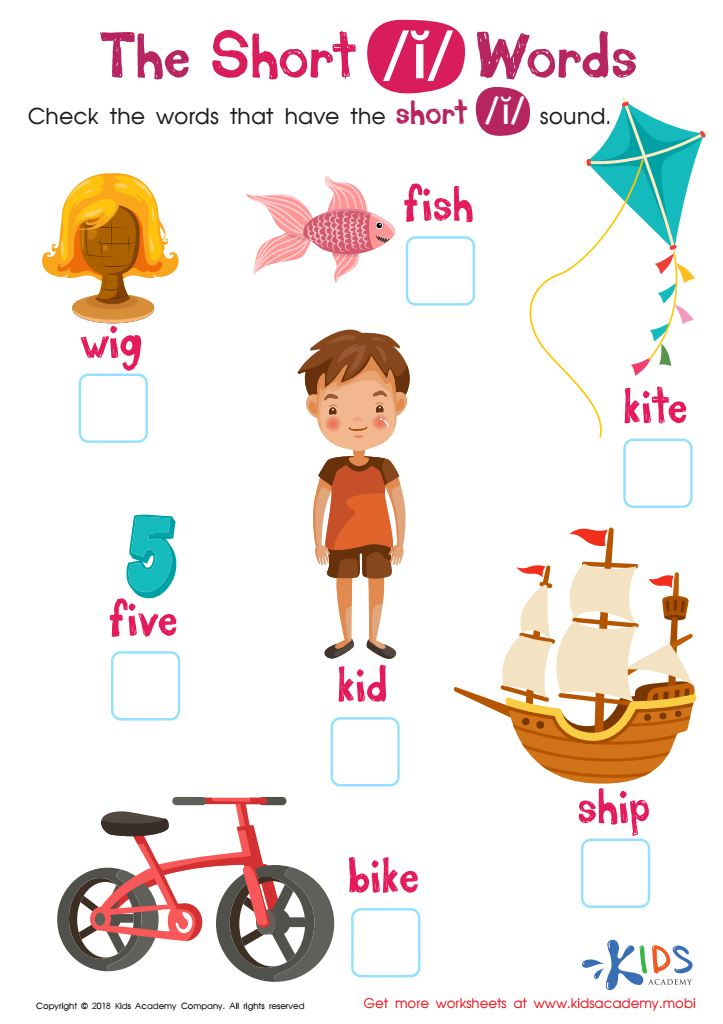
The Short I Words Reading Worksheet
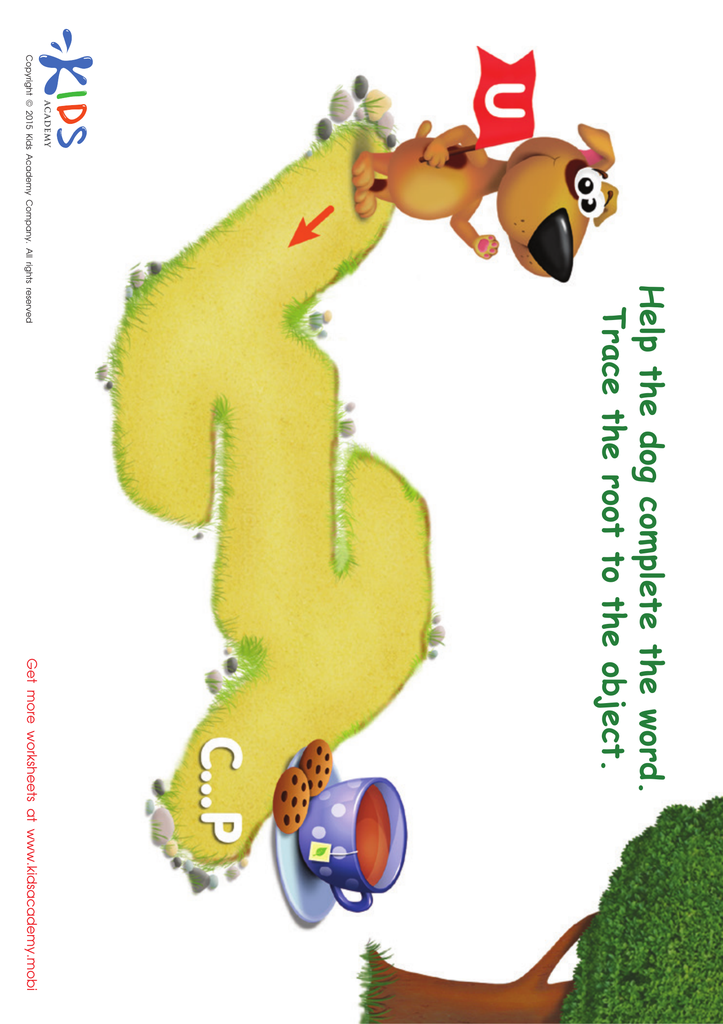
Short Vowel Sound U Worksheet Worksheet
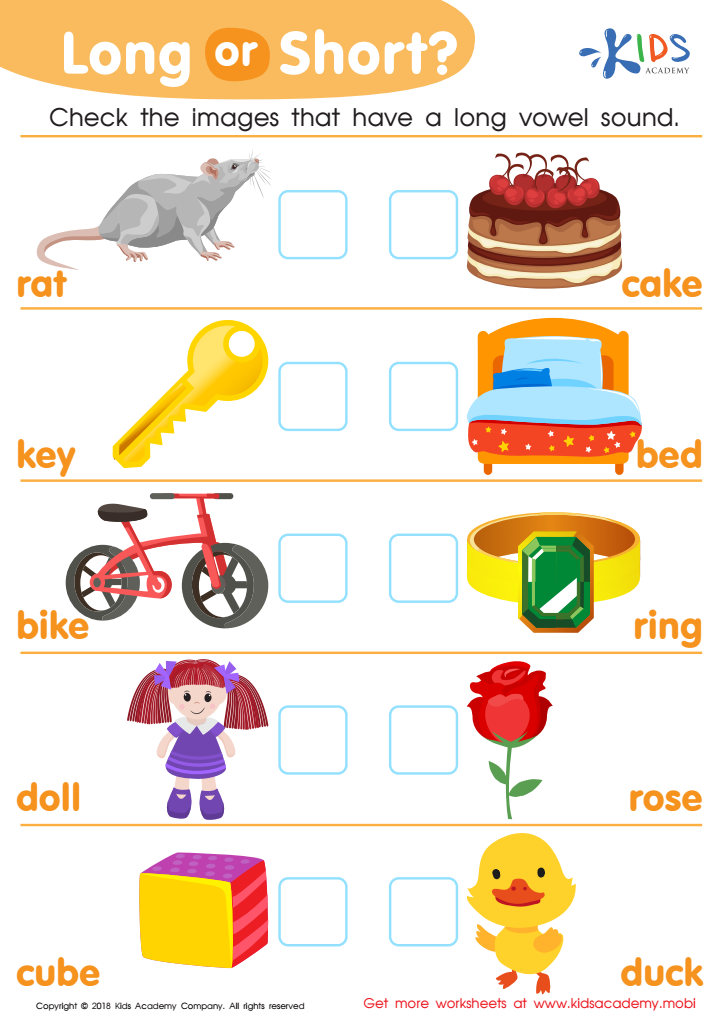
Long or Short Reading Worksheet
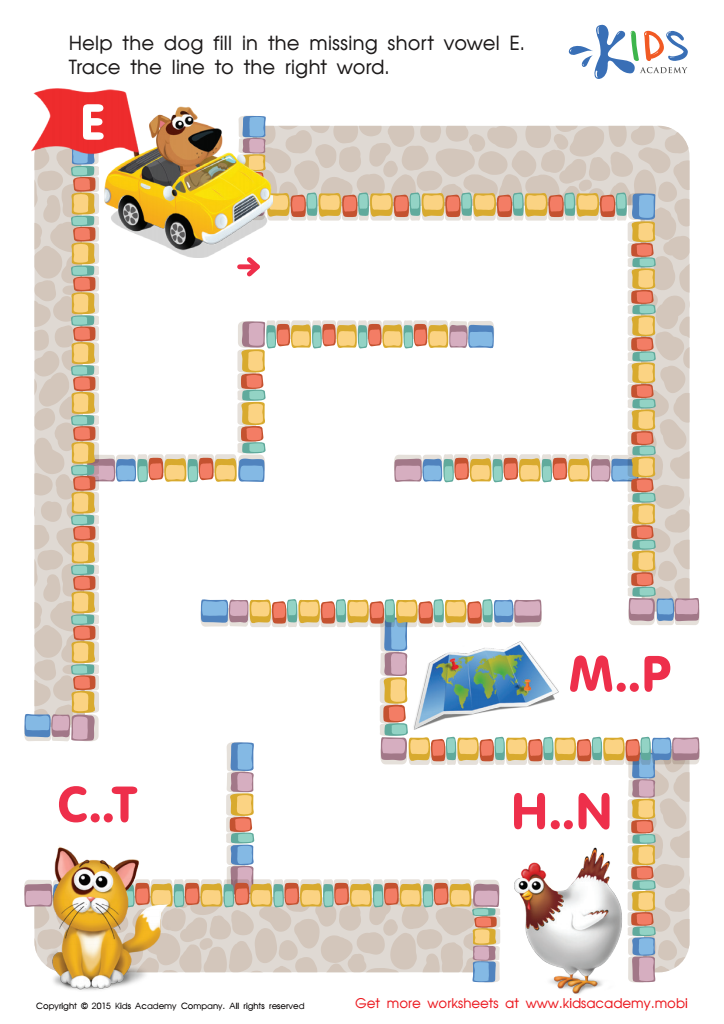
Short Vowel Sound E Worksheet
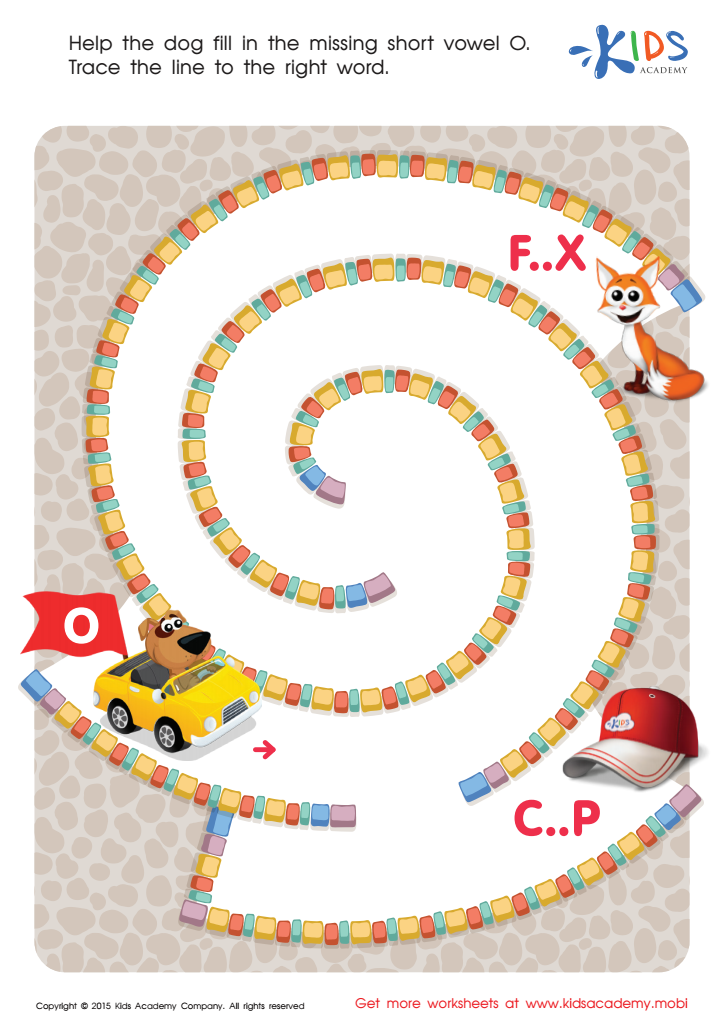
Short Vowel Sound O Worksheet
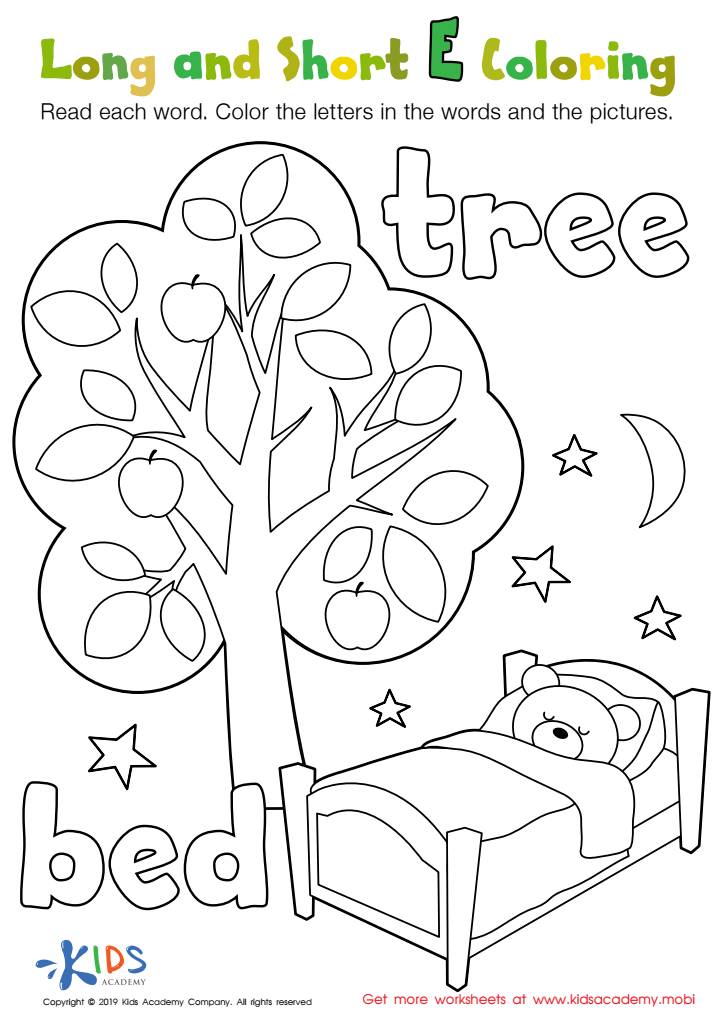
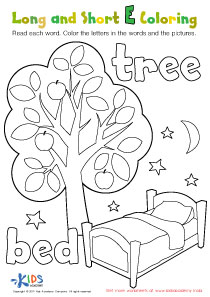
Long and Short E Worksheet
 Assign to My Students



Phonics skills, especially short vowels, are foundational for early literacy development in children ages 4-5. At this stage, kids are in the pre-reading or beginning reading phase, where the ability to recognize and decode letters and sounds plays a critical role in their overall reading journey. Short vowels (a, e, i, o, u) are some of the most common sounds in English, found in many high-frequency words that children first learn to read, write, and speak.
Understanding short vowel sounds helps children start blending sounds to form simple words like ‘cat,’ ‘dog,’ ‘pen,’ ‘hit,’ and ‘cup.’ This knowledge not only aids in their phonemic awareness—the ability to hear, identify, and manipulate individual sounds in words—but also builds a foundation for more complex phonics patterns. Early success with phonics boosts children's confidence and motivation to read, leading to a positive attitude towards learning.
For parents, reinforcing phonics skills at home through practice and play-based activities provides a supportive environment. For teachers, systematic phonics instruction helps them track children's progress effectively and address learning gaps early. Overall, strong phonics skills are crucial, as early literacy is directly linked to long-term academic success and lifelong learning. Caring about this foundational skill ensures that children have the tools they need for effective communication and learning.