Handwriting Skills Tracing Letters Worksheets for Ages 4-5
9 filtered results
-
From - To
Enhance your child's handwriting with our "Handwriting Skills Tracing Letters Worksheets for Ages 4-5." These engaging and educational worksheets are crafted to help young learners practice their ABCs through fun tracing activities. Ideal for preschool and kindergarten students, our worksheets provide guided tracing lines aiding in the development of fine motor skills and letter recognition. Each sheet is designed to make learning enjoyable, ensuring that children build a solid foundation in handwriting. Use our printable tracing letters worksheets to support your child's early writing skills, boosting their confidence and setting them on the path to academic success.
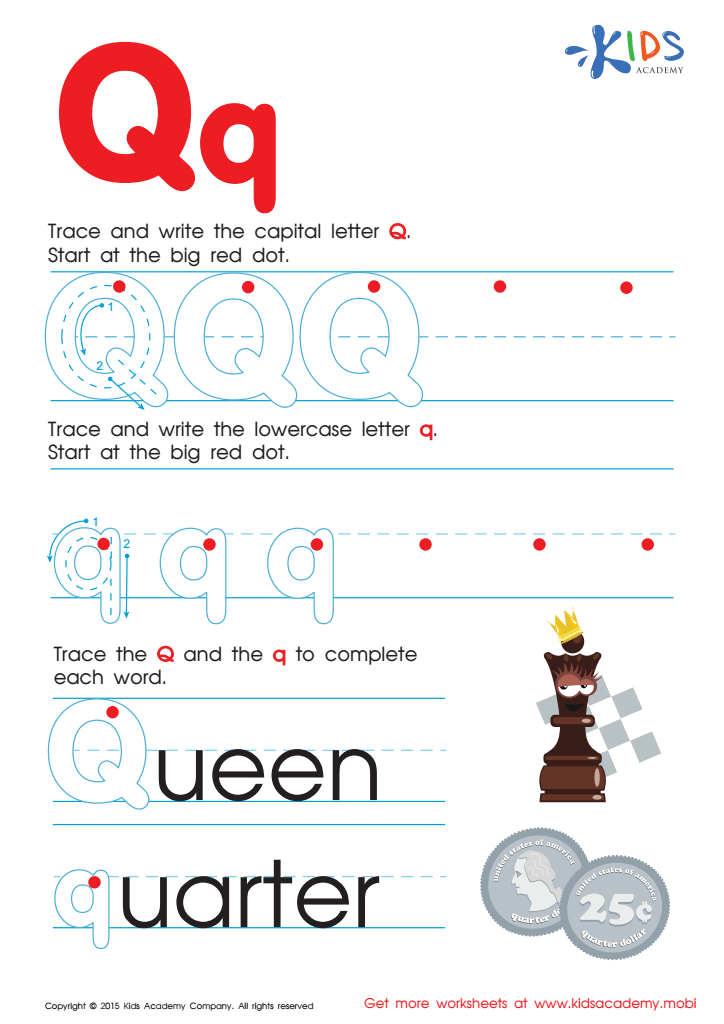
Letter Q Tracing Page
 Assign to My Students
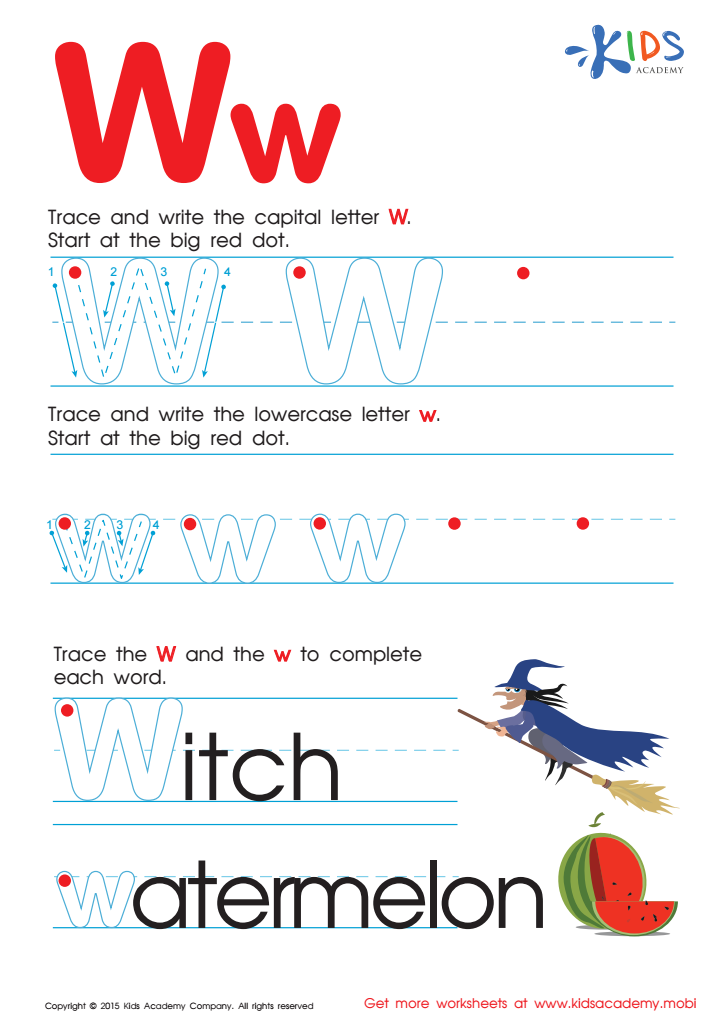
Letter W Tracing Page
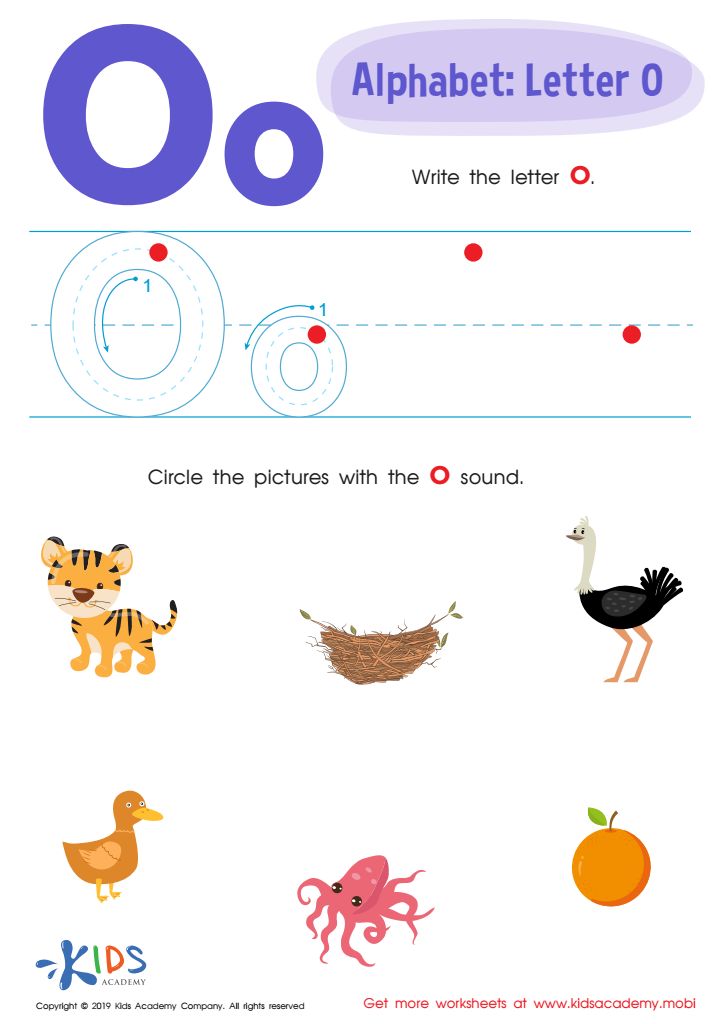
Letter O Tracing Worksheet
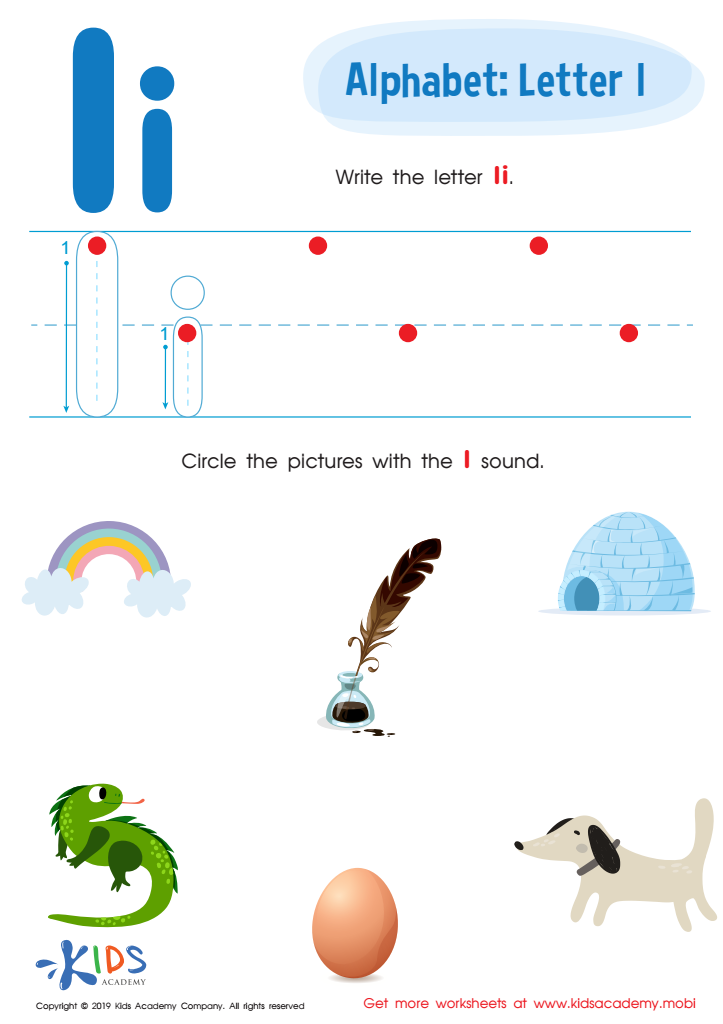
Letter I Tracing Worksheet
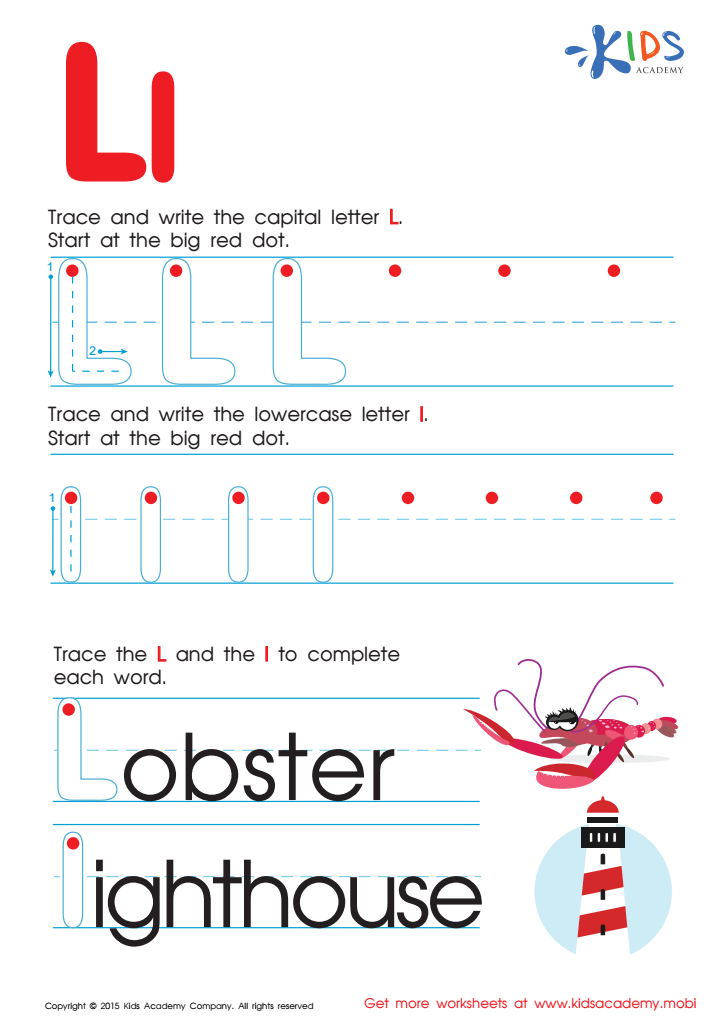
Letter L Tracing Page
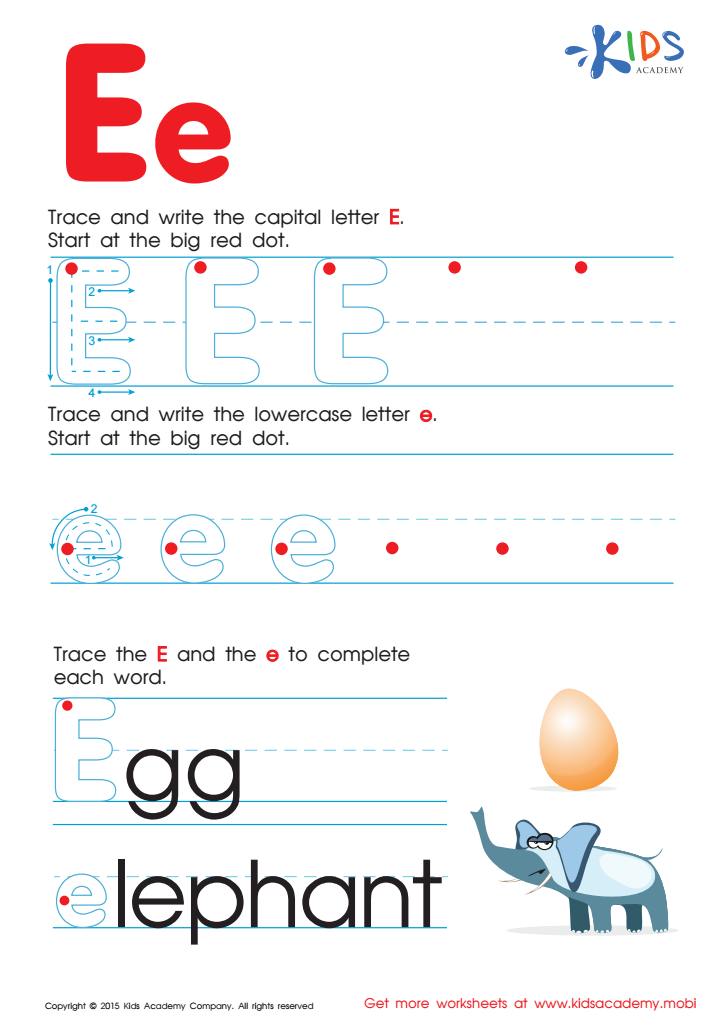
Letter E Tracing Page
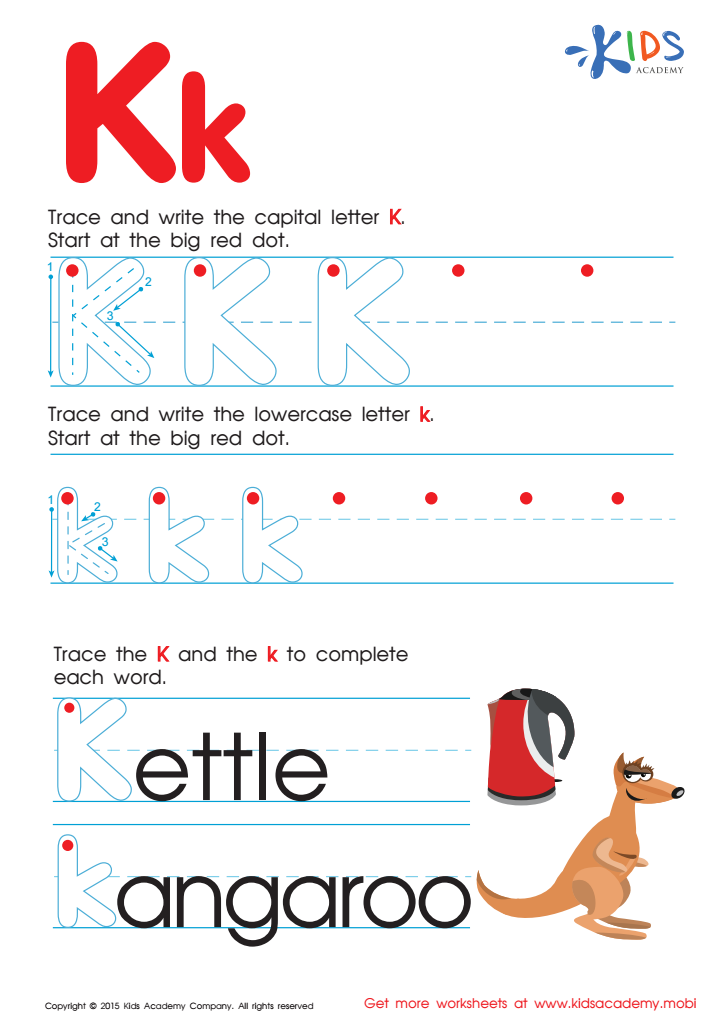
Letter K Tracing Page
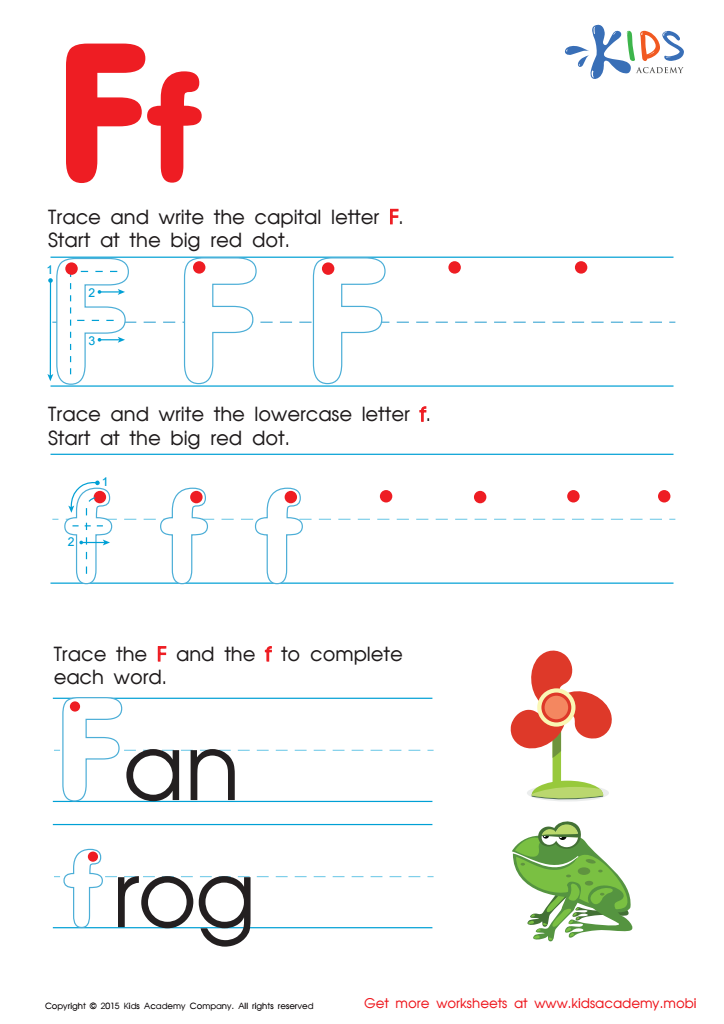
Letter F Tracing Page
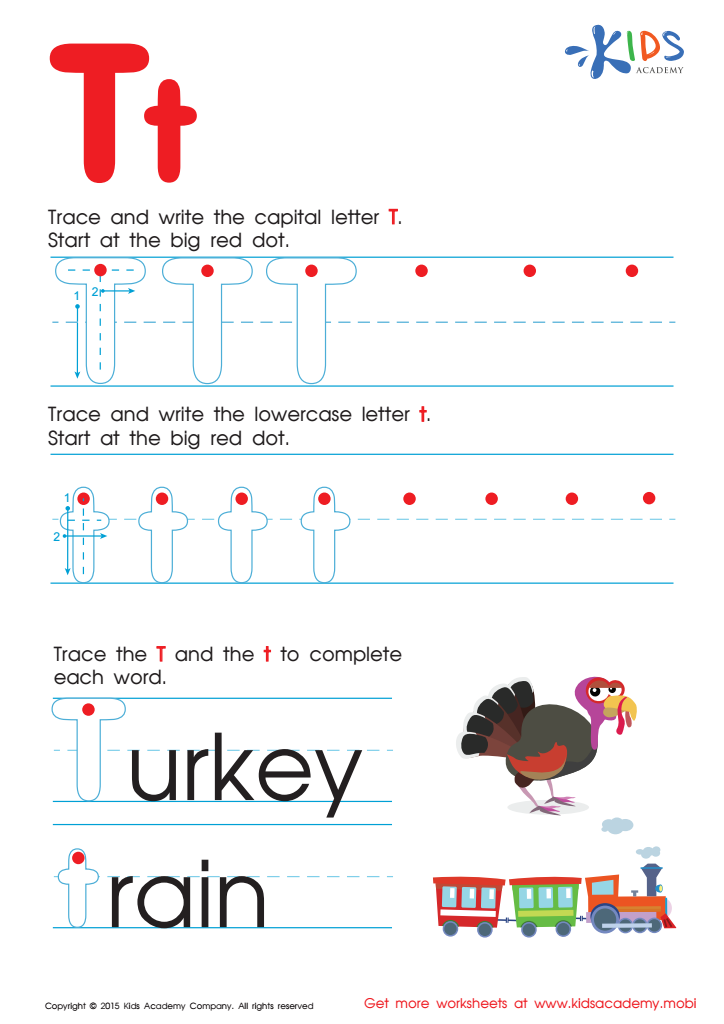
Letter T Tracing Page








Handwriting skills, particularly tracing letters, are vital for children aged 4-5 as they form the foundation for future academic success and personal development. At this age, kids are just beginning to develop fine motor skills, which are crucial for hand-eye coordination and the ability to perform tasks requiring precision. Tracing letters engages these fine motor skills, helping children gain better control over their hand movements.
Furthermore, learning to trace letters enhances cognitive development by improving memory and concentration. As kids repeatedly practice forming each letter, they start to recognize patterns and shapes, which is essential for reading development. Recognizing and writing letters correctly also builds literacy skills, including spelling and word recognition, setting the stage for more complex language skills later on.
For teachers and parents, focusing on handwriting skills teaches children the value of practice and patience. Achieving proficiency requires consistent practice, which instills a sense of discipline and diligence. Social development benefits as well; effective handwriting ensures that children can communicate clearly and share their thoughts confidently as they progress through their educational journey.
In summary, focusing on handwriting skills and tracing letters at ages 4-5 provides children with essential tools for academic readiness, fine motor development, and cognitive and social skill enhancement, ultimately fostering a well-rounded foundation for lifelong learning.








