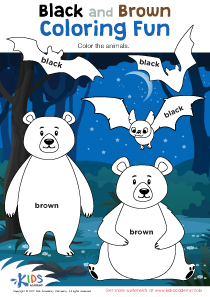
Word Recognition English for Beginners Worksheets for Ages 4-5
4 filtered results
-
From - To
Discover engaging "Word Recognition English for Beginners Worksheets" designed specifically for children aged 4-5! These worksheets aim to enhance early literacy skills in a fun and interactive way. With vibrant visuals and simple exercises, young learners will dive into the basics of word identification, phonics, and vocabulary building. Perfect for ESL learners, each worksheet is crafted to reinforce essential language skills through matching, tracing, and coloring activities. Develop your child's confidence as they recognize and understand new words in English, setting a solid foundation for their future language journey. Explore our rich selection and watch your child thrive in learning!
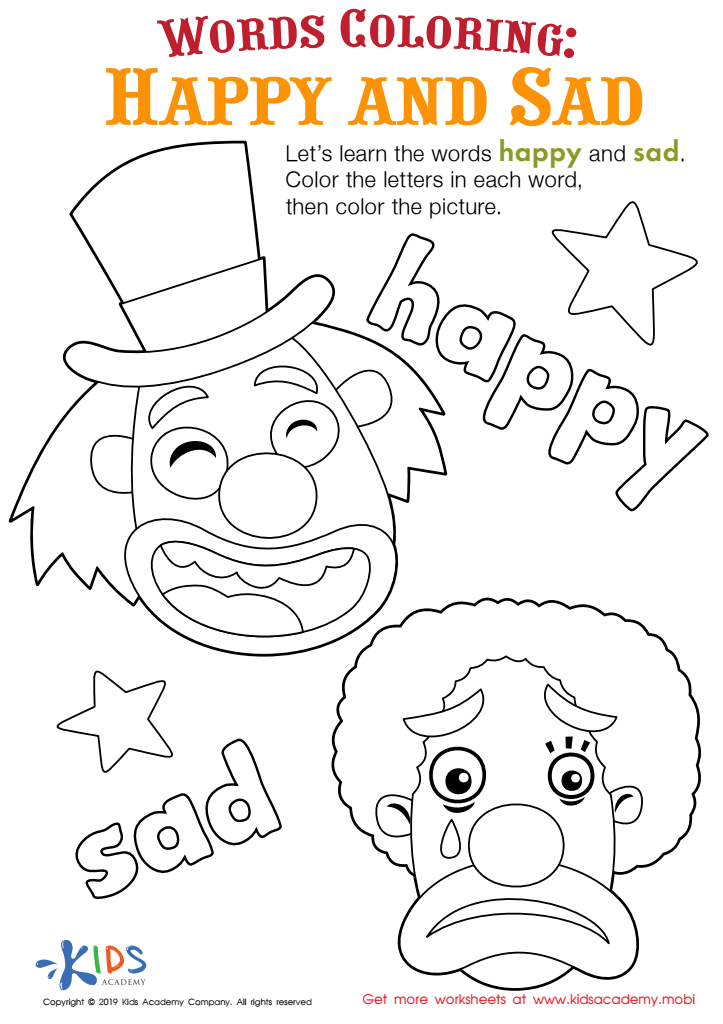
Happy and Sad Words Coloring Worksheet
 Assign to My Students
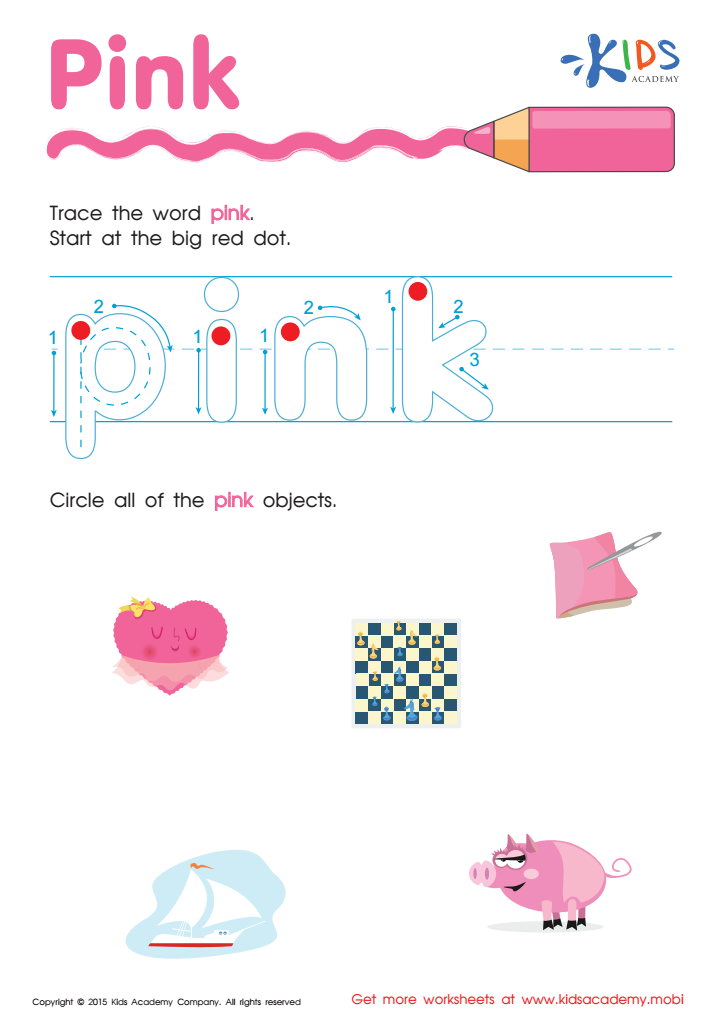
Pink Tracing Color Words Worksheet
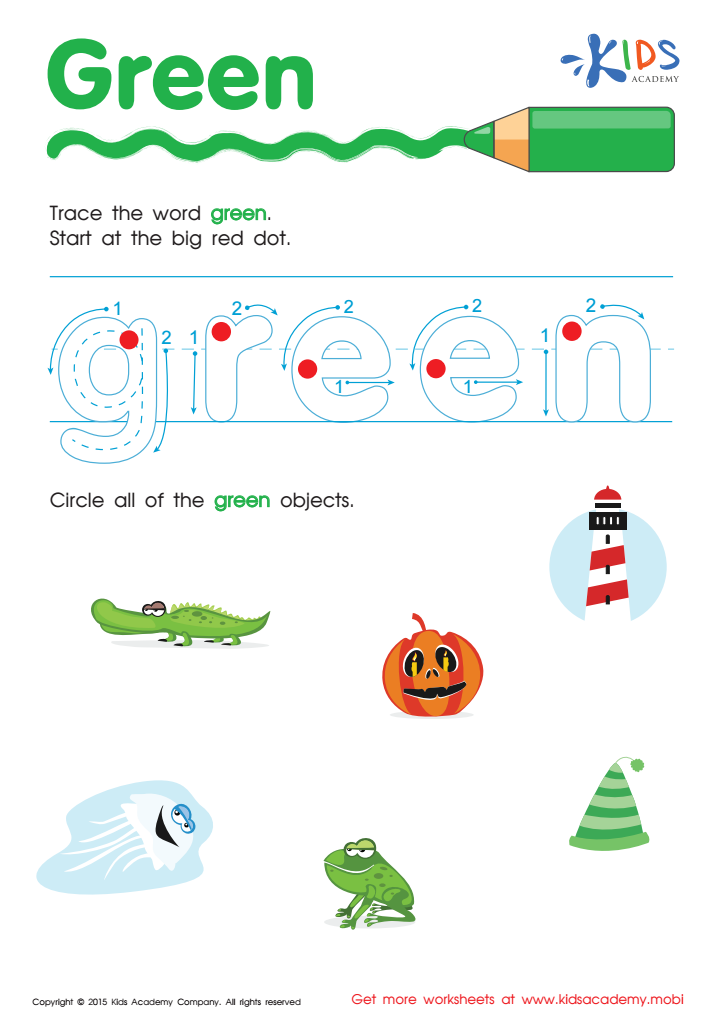
Green Tracing Color Words Worksheet
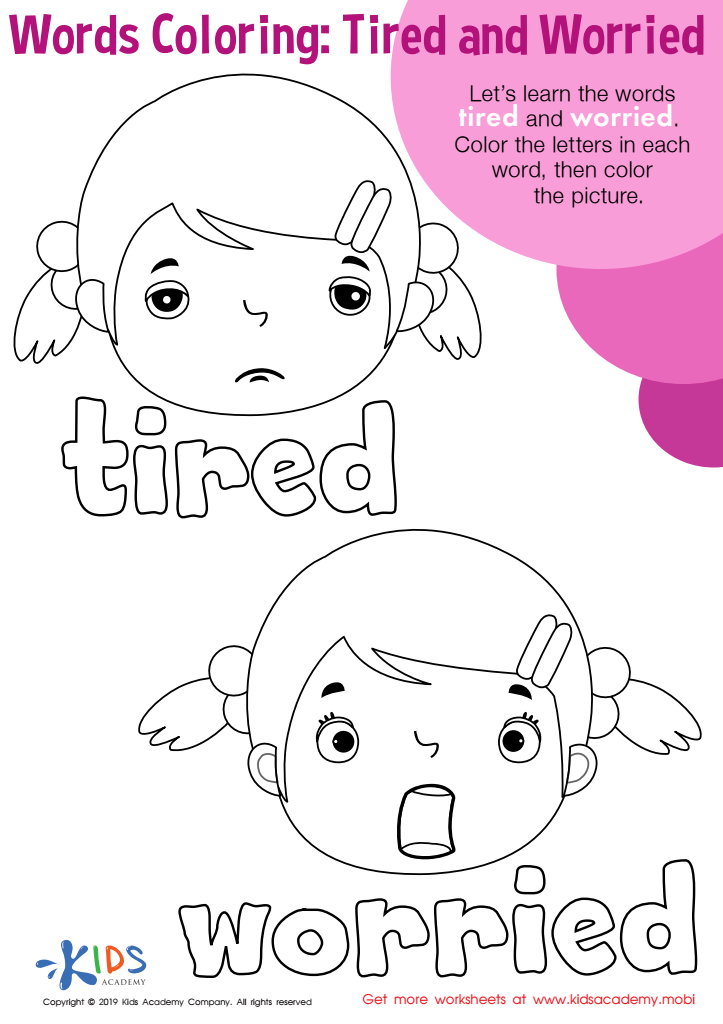
Tired and Worried Words Coloring Worksheet
Assign to My Students





Word recognition is crucial for early literacy development, especially for children aged 4-5. During this foundational stage, children's brains are highly receptive to language, making it the perfect time to introduce them to the basics of reading. When parents and teachers prioritize word recognition, they enhance children's vocabulary, phonemic awareness, and comprehension skills, which serve as building blocks for future reading success.
Understanding words helps children decipher texts more effortlessly, fostering confidence in their reading abilities. As they become familiar with frequently used words, their decoding skills strengthen, enabling them to transition from picture books to more complex texts with ease. This instills a love for reading, promoting cognitive growth and critical thinking.
Moreover, word recognition activities can be integrated into fun games and everyday experiences, making learning engaging and interactive. Involving parents in reading activities at home reinforces the school's curriculum, creating a supportive and united approach to literacy.
Ultimately, investing time in word recognition for learners at this age not only equips them with essential reading skills but also lays a strong foundation for lifelong learning and academic success. This investment speaks volumes in nurturing a prosperous future for our youngest learners.