Animal identification Worksheets for Ages 4-5 - Page 2
41 filtered results
-
From - To
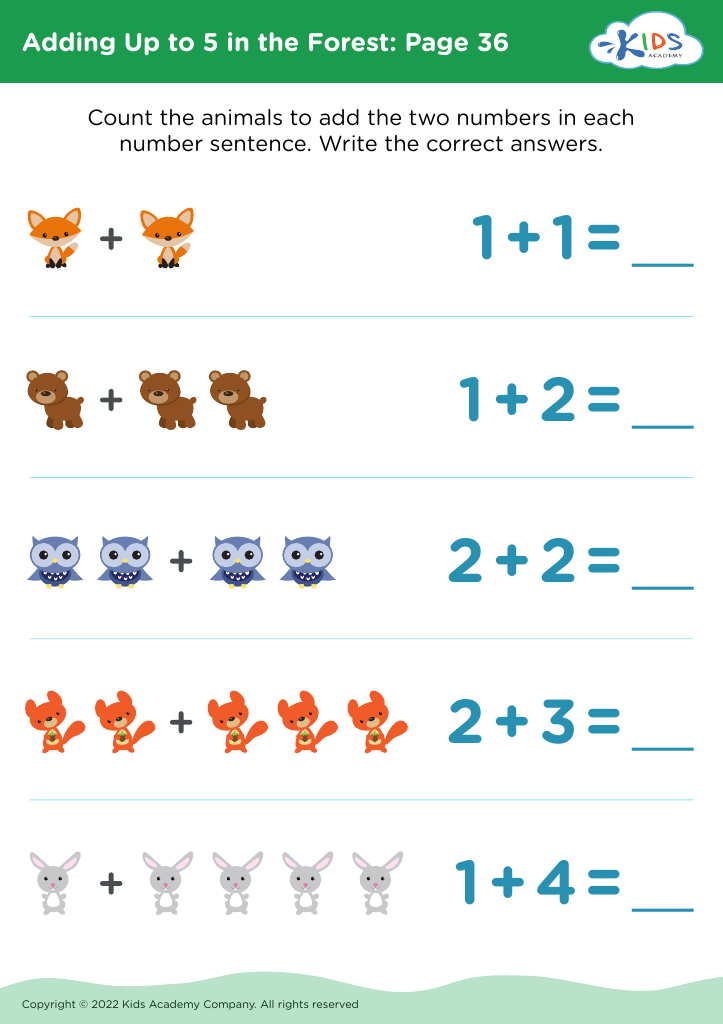
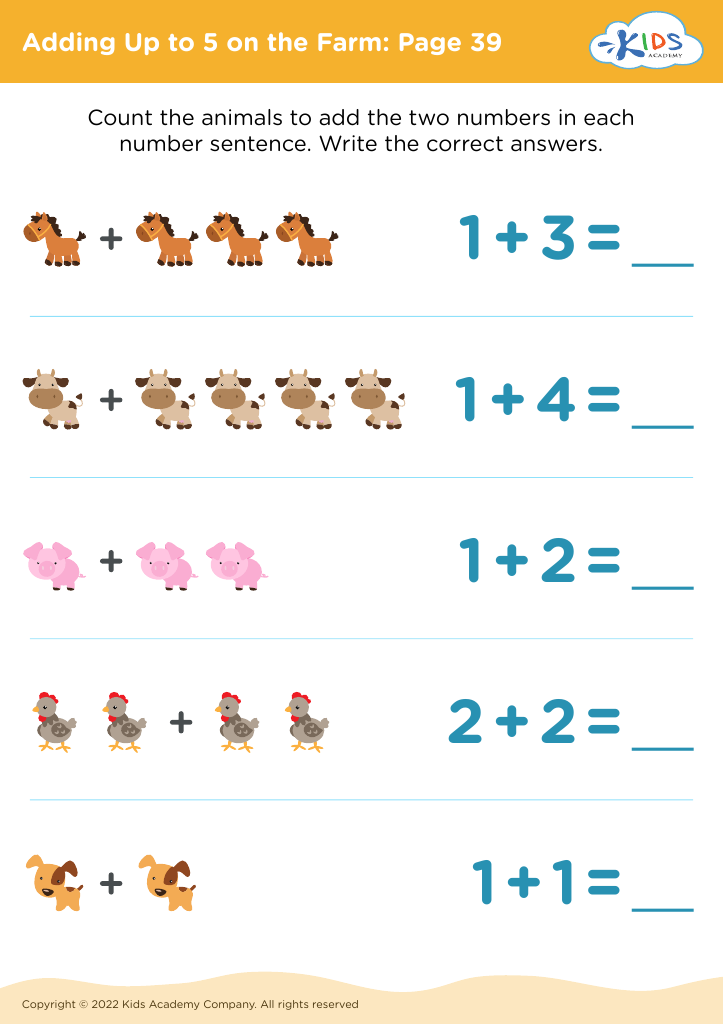
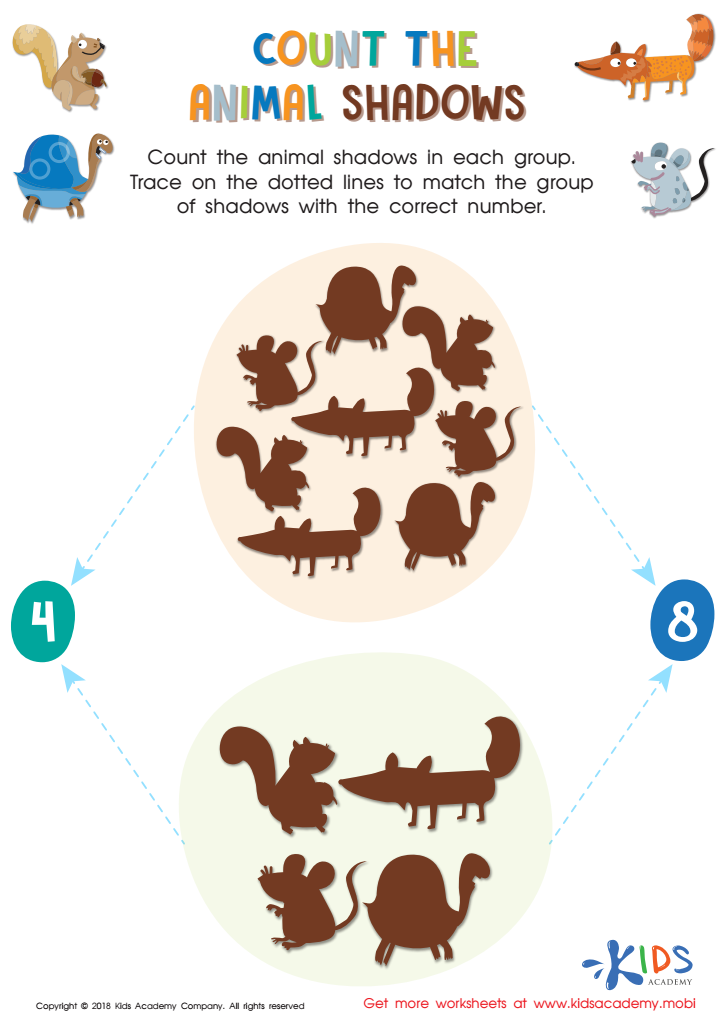
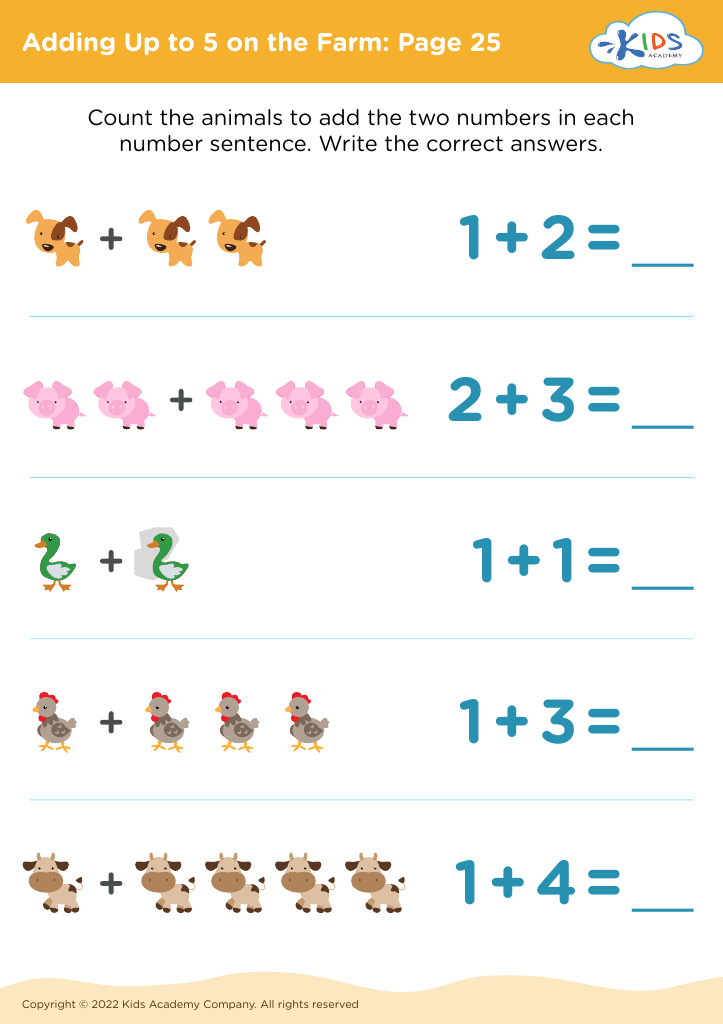
Count the Animal Shadows Worksheet
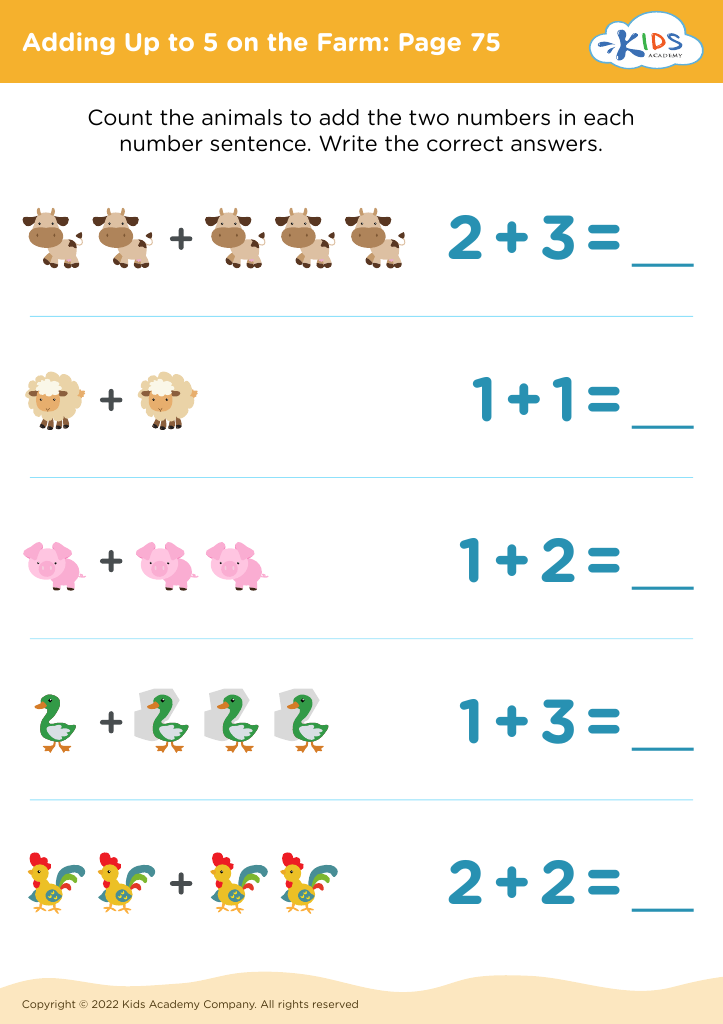
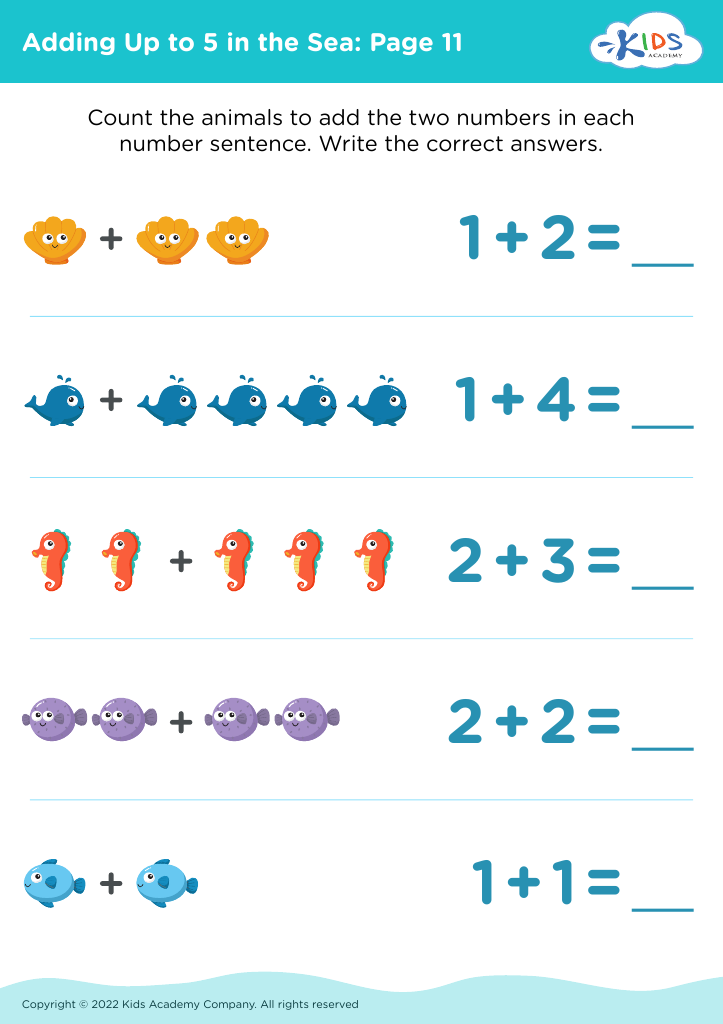
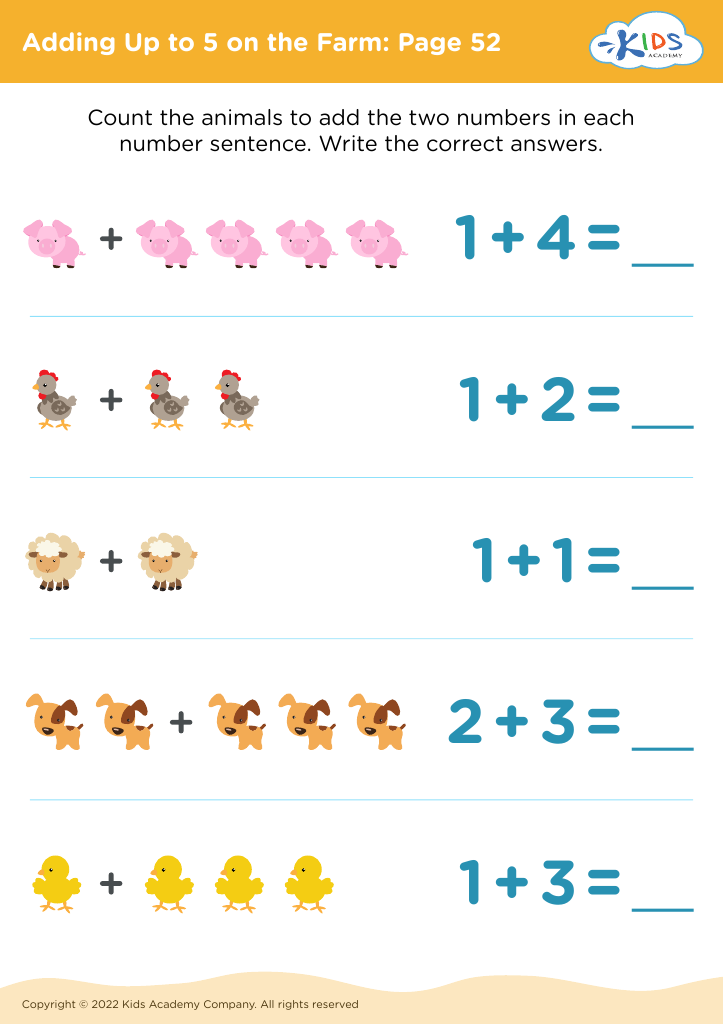
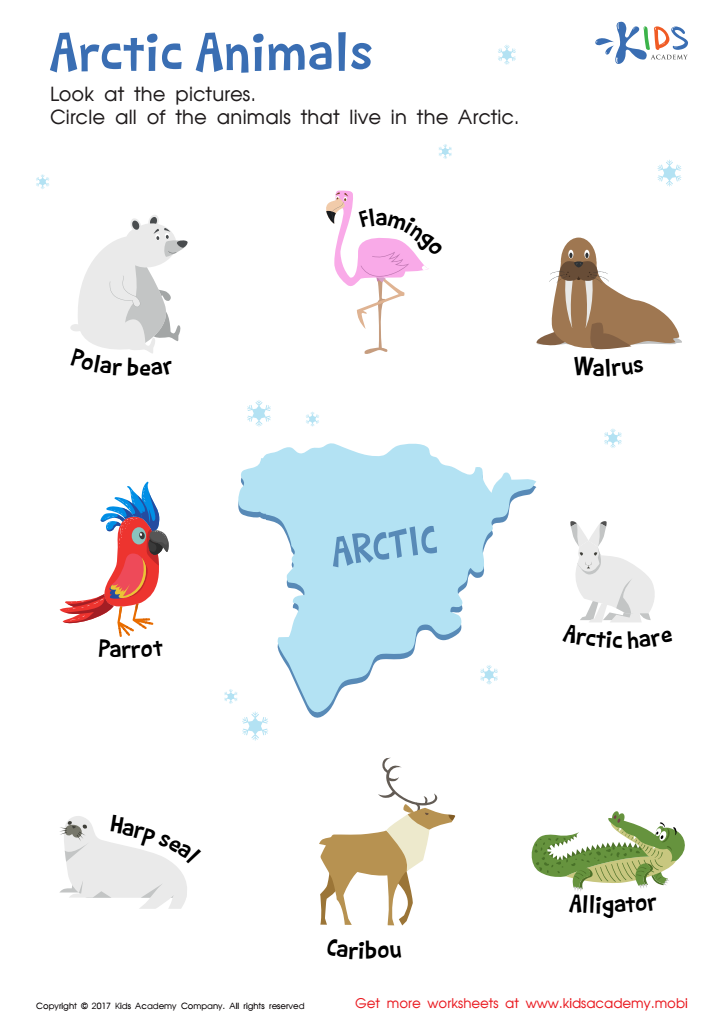
Arctic Animals Worksheet
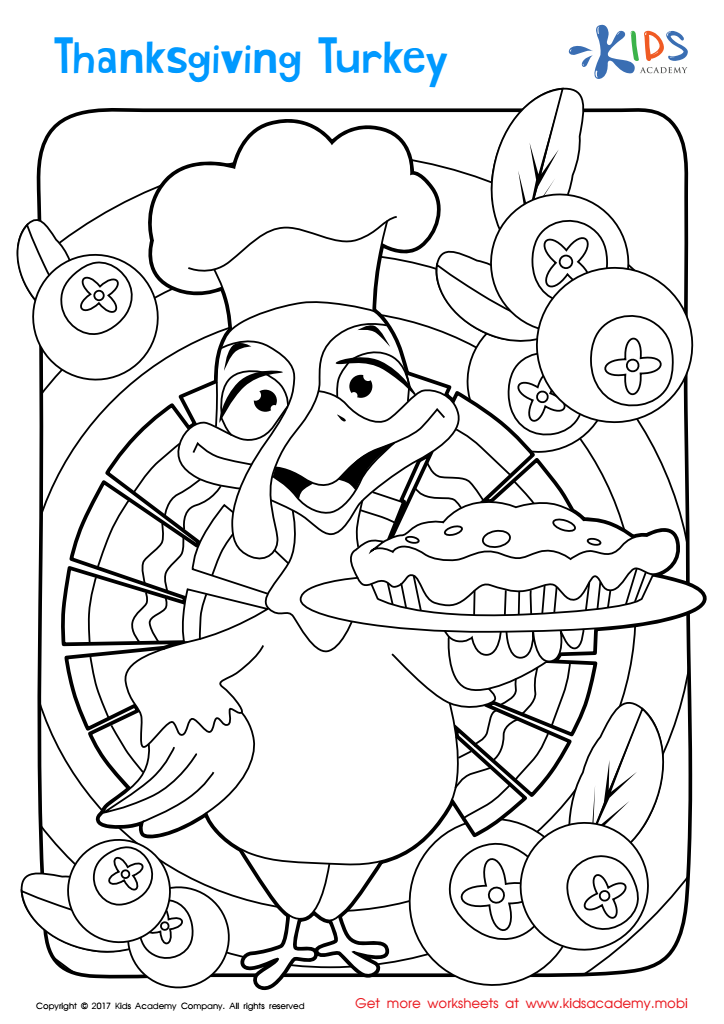
Turkey Thanksgiving Day Worksheet
 Assign to My Students
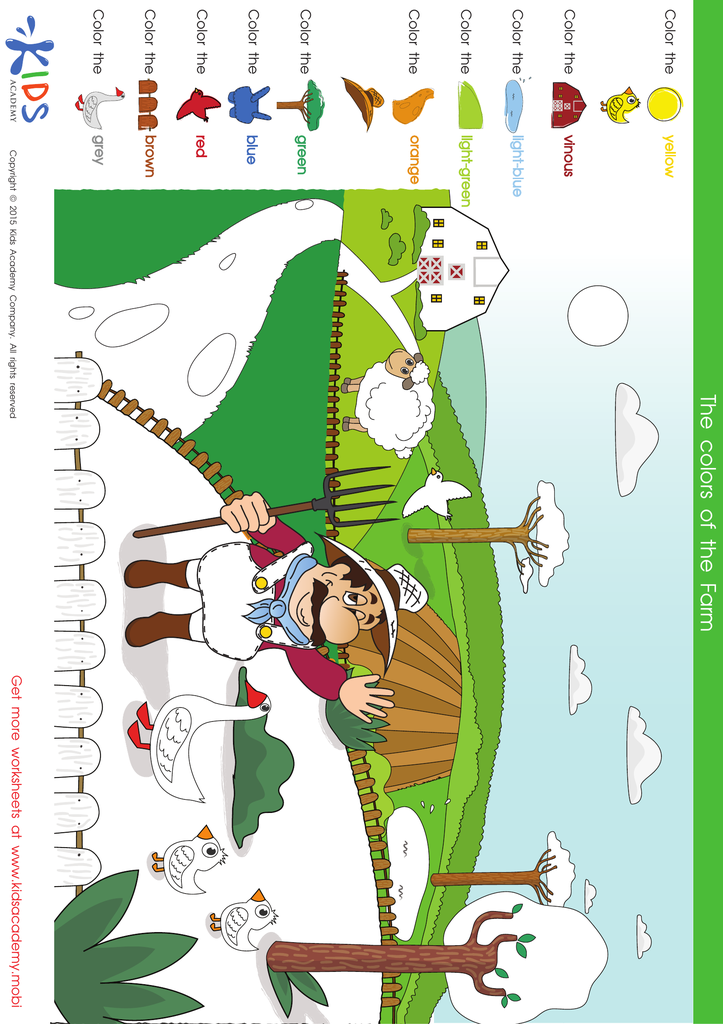
Color the Farmer and His Geese Coloring Pages
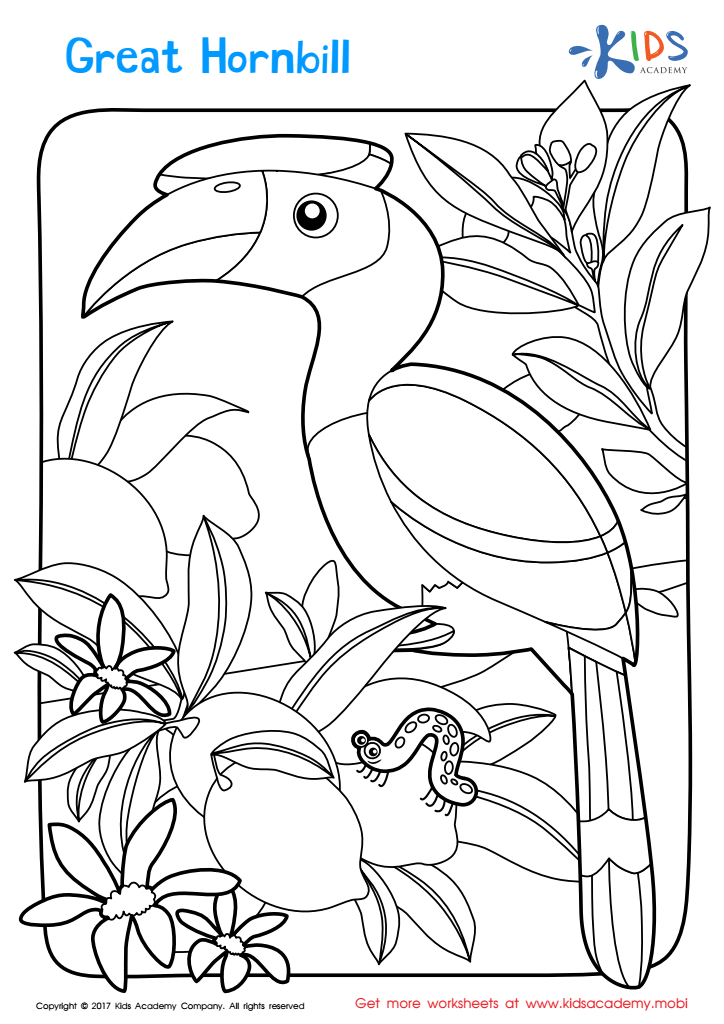
Great Hornbill Worksheet
Assign to My Students
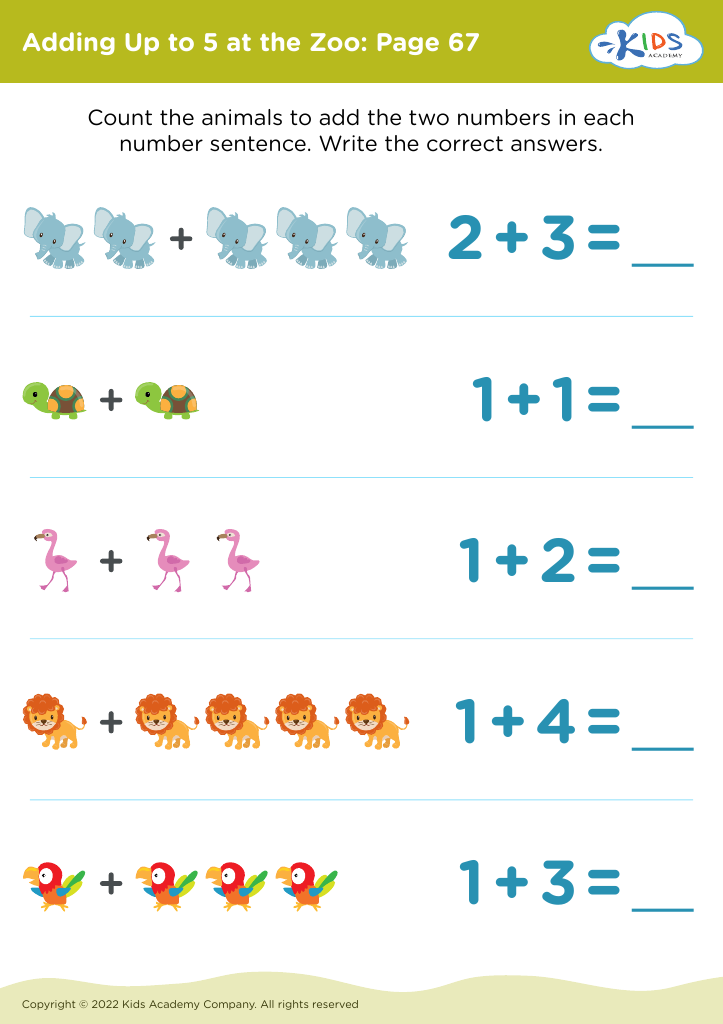
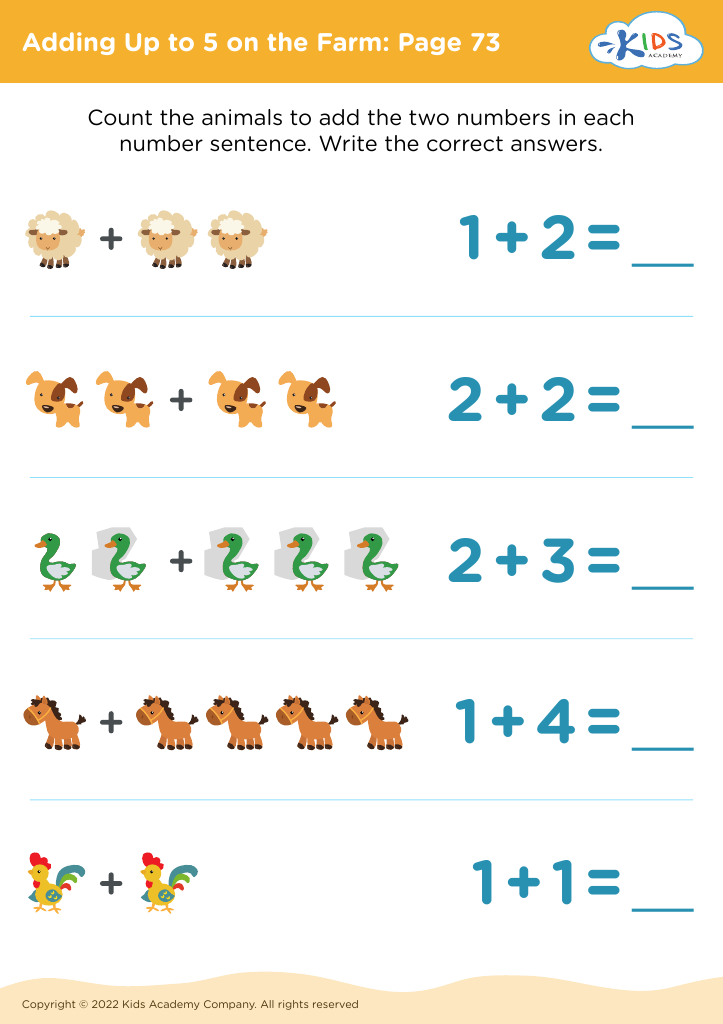
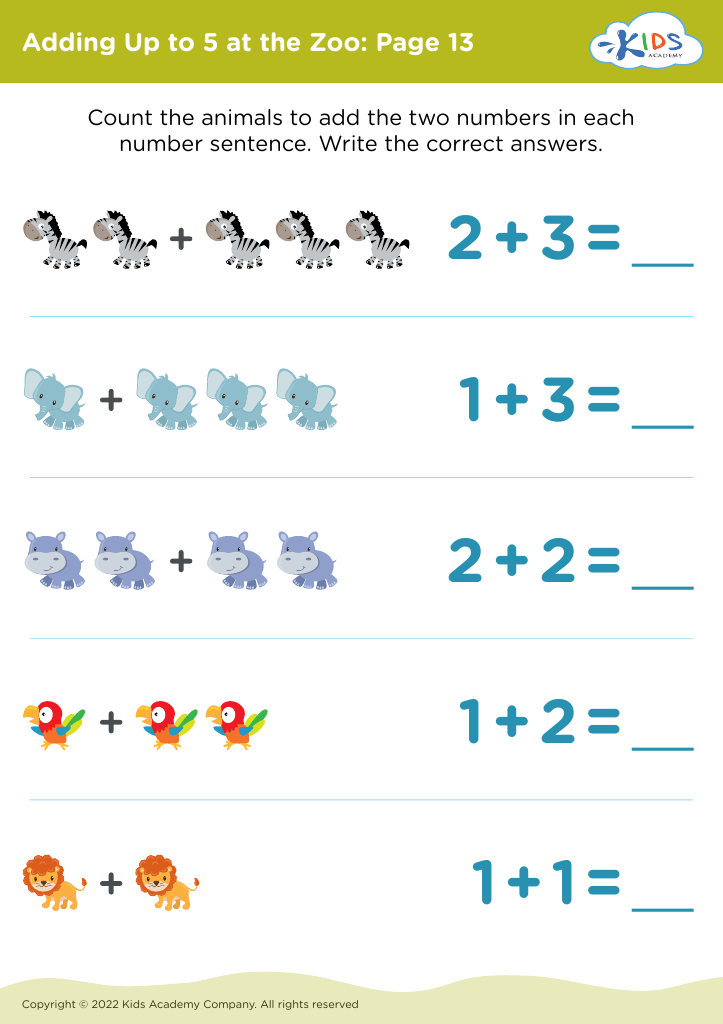








Parents and teachers should care about animal identification for children aged 4-5 because it provides a gateway to learning about the natural world and fosters essential cognitive skills. At this age, children are naturally curious and eager to explore their environment. Identifying animals helps them build their observational skills, enhances their vocabulary, and supports their ability to categorize information.
Understanding different animals also encourages empathy and respect for living beings, forming the basis of lessons about biodiversity and the importance of conserving our planet. By engaging in activities like visiting a zoo, reading animal books, or crafting animal art, adults can create stimulating learning experiences that cater to a young child's imagination.
Moreover, animal identification can serve as a foundation for social skills, as children often share their newfound knowledge with peers and adults, promoting communication. It also ties into various learning domains, such as science, language development, and fine motor skills through drawing or craft activities.
Furthermore, introducing children to the world of animals early on fosters a love for nature and potentially motivates future learning in science and environmental stewardship. Overall, nurturing a child's interest in animal identification enriches their educational experience and personal development.








