
Attention to Detail Worksheets for Ages 4-5
16 filtered results
Difficulty Level
Grade
Age
-
From - To
Subject
Activity
Standards
Enhance your child's focus and observation skills with our "Attention to Detail Worksheets for Ages 4-5." Designed to foster meticulousness and precision, these engaging activities challenge young learners to distinguish subtle differences, complete patterns, and follow instructions carefully. Each worksheet is expertly crafted to promote critical thinking and cognitive development in a fun, age-appropriate manner. Perfect for early learners, these printables will help your 4-5-year-old build essential skills that pave the way for academic success. Discover the joy of learning through detail-oriented exercises today!
Favorites
With answer key
Interactive
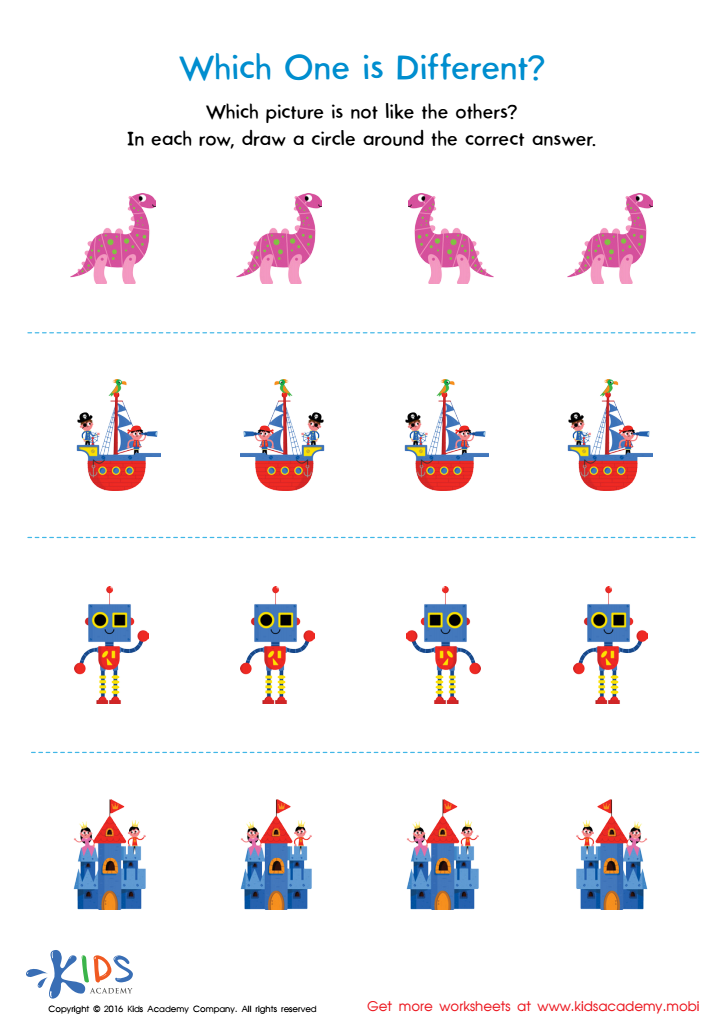
Which One Is Different Worksheet
Preschoolers can hone logical reasoning and critical analysis skills with this "Which one is Different?" worksheet. Kids must look closely and pick out unique attributes of objects and images. It's a skill that can serve them throughout their lifetime.
 Assign to My Students
Which One Is Different Worksheet
Worksheet
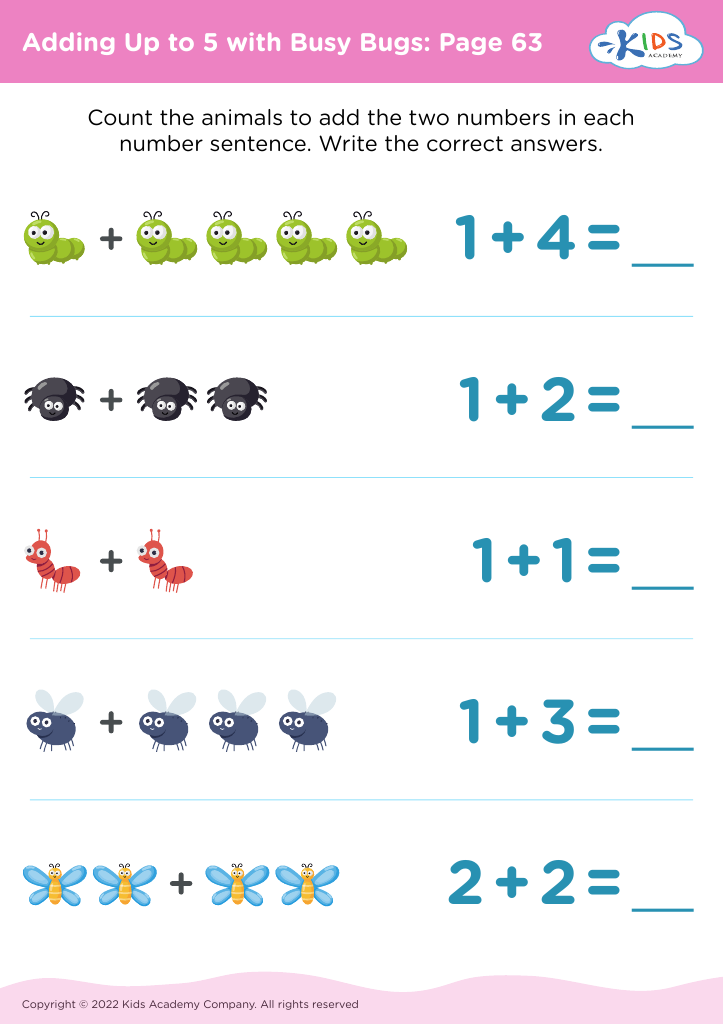
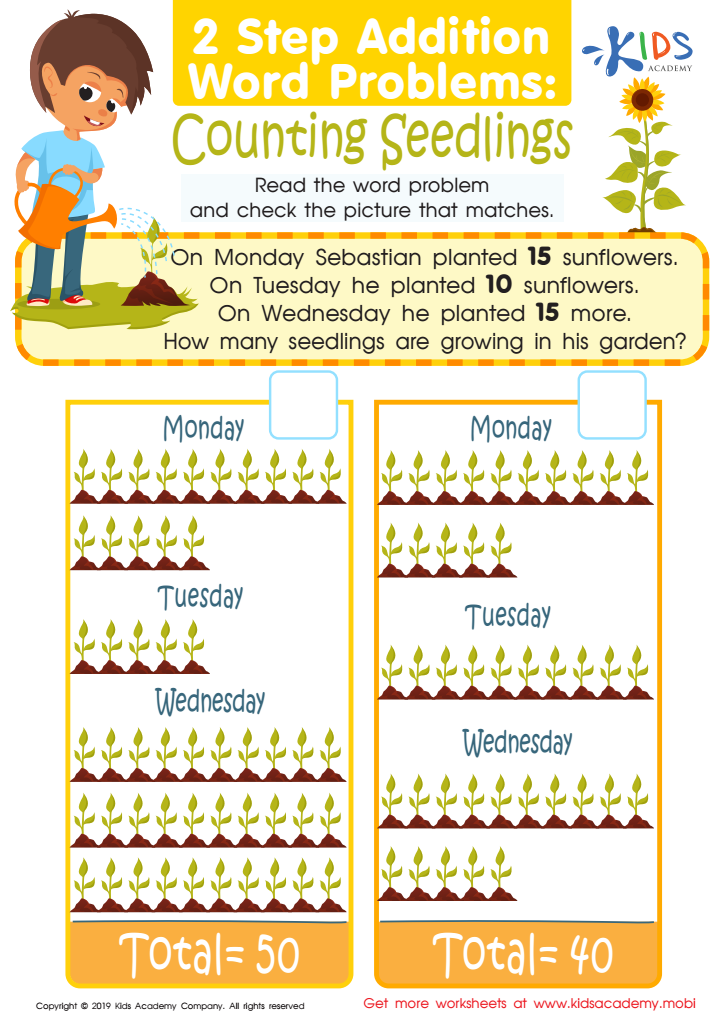
Counting Seedlings Worksheet
Understanding math word problems is key. Multiple steps can prove challenging - this free worksheet provides one-to-one picture representation to help kids solve multi-step addition word problems. Strengthen addition skills by choosing the matching picture to the answer.
Counting Seedlings Worksheet
Worksheet
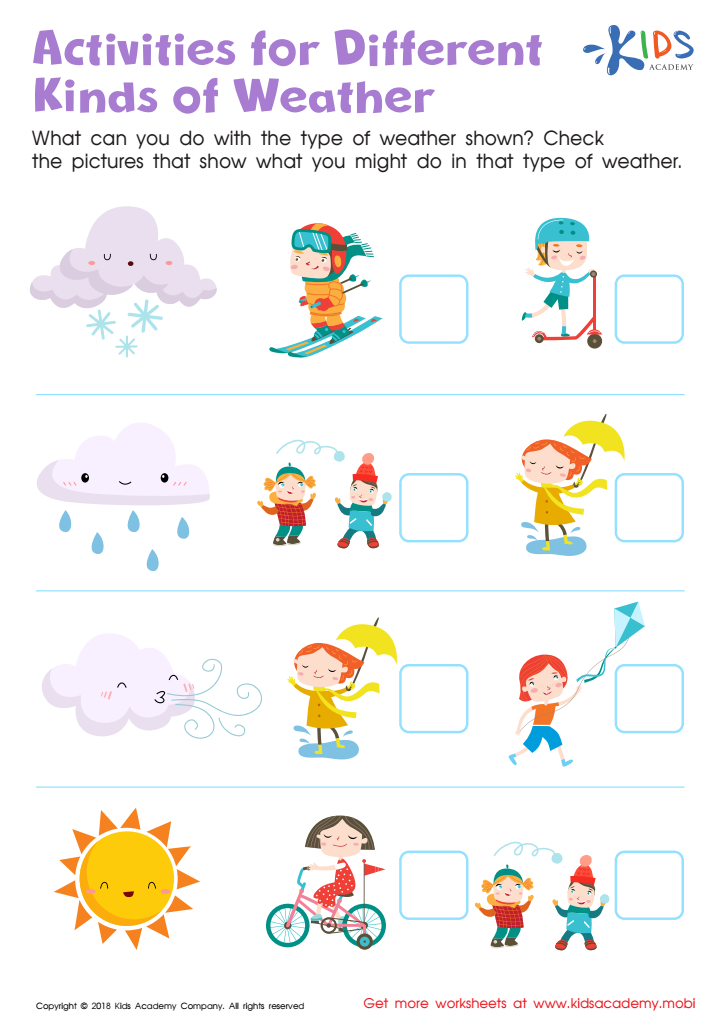
Activities for Different Kinds of Weather Worksheet
Help your child explore the changing seasons with this interactive worksheet. Ask them to name the different seasons and activities associated with each type of weather. Show the pictures and explain what they can do in that kind of weather. Have them check off the activities to help them learn and enjoy the changing seasons.
Activities for Different Kinds of Weather Worksheet
Worksheet
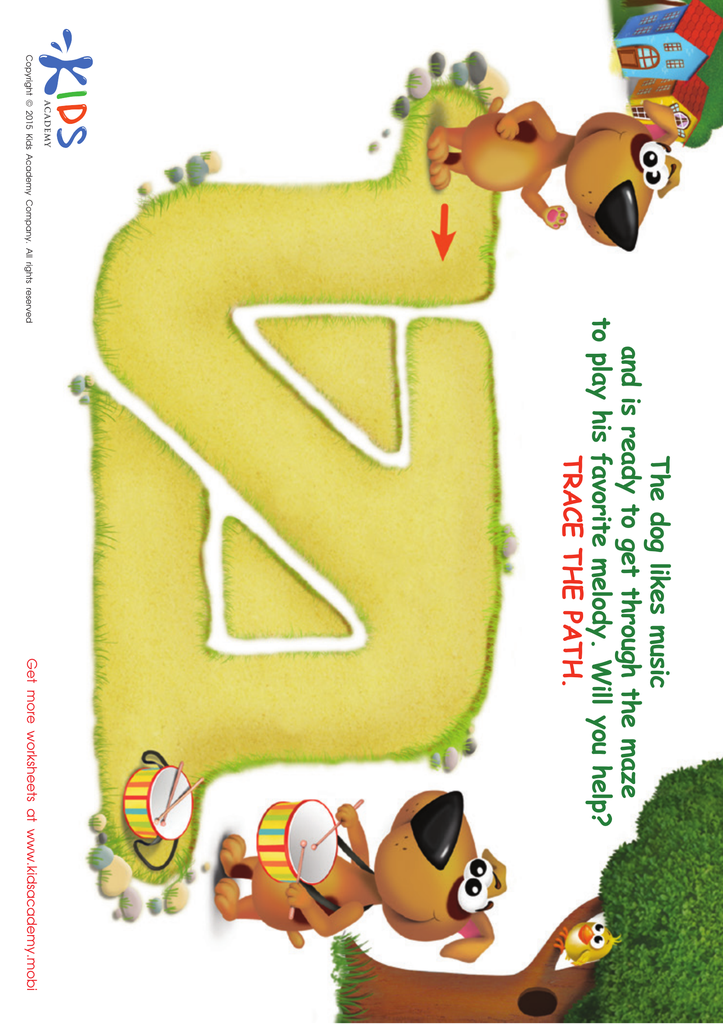
Drummer Maze Worksheet
Enjoy!
Kids Academy's new maze games are perfect for you and your little learners. Help the dog find the drum at the end of the maze! Once they reach it, you can play music together. Visit Kids Academy's website to find free printable mazes and other worksheets. Have fun!
Drummer Maze Worksheet
Worksheet
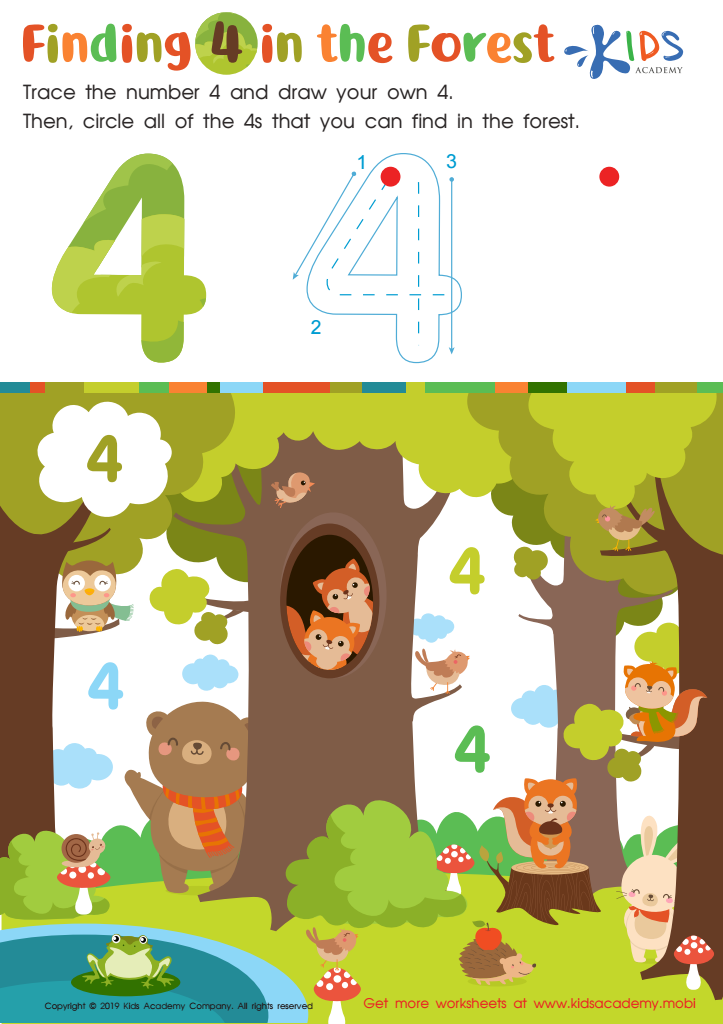
Finding 4 in the Forest Worksheet
Before starting, have your kids count as high as they can. Ask them to identify the setting and point out the 4s. Trace 4 and draw your own. Help your kids circle all the 4s they can find in the forest. How far can they count? How well did they find the hidden 4s?
Finding 4 in the Forest Worksheet
Worksheet
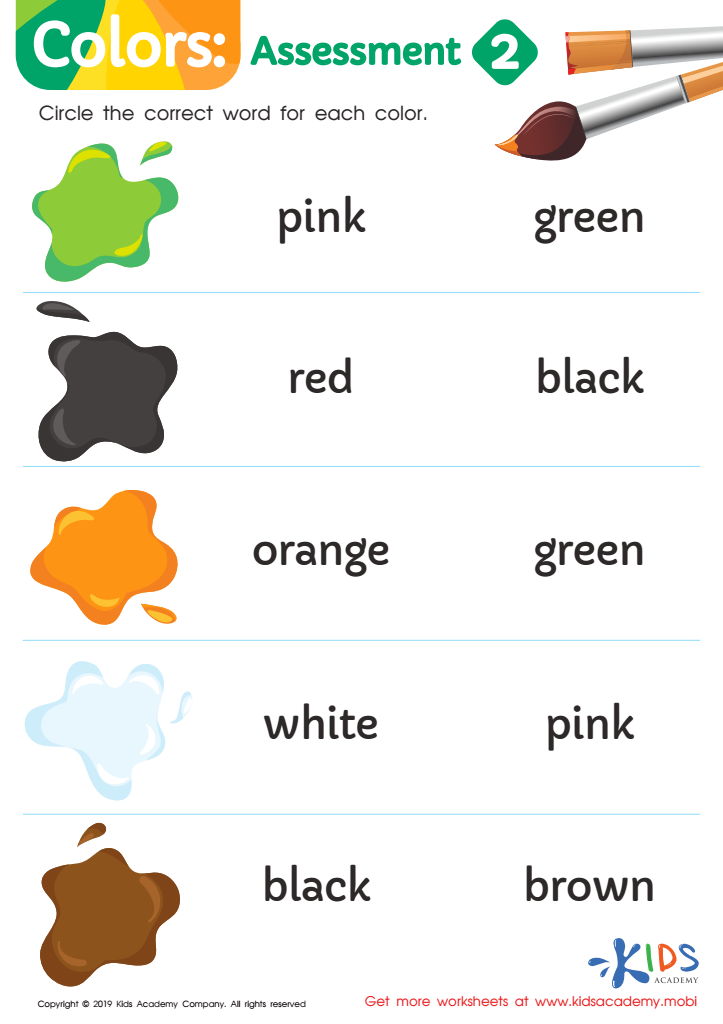
Colors: Assessment 2 Worksheet
Teach color words to young students to build fluency and confidence. Check knowledge with an assessment worksheet. Have students look at paint samples and circle the correct color word. This assessment helps parents and teachers measure a child’s accuracy when reading color words.
Colors: Assessment 2 Worksheet
Worksheet
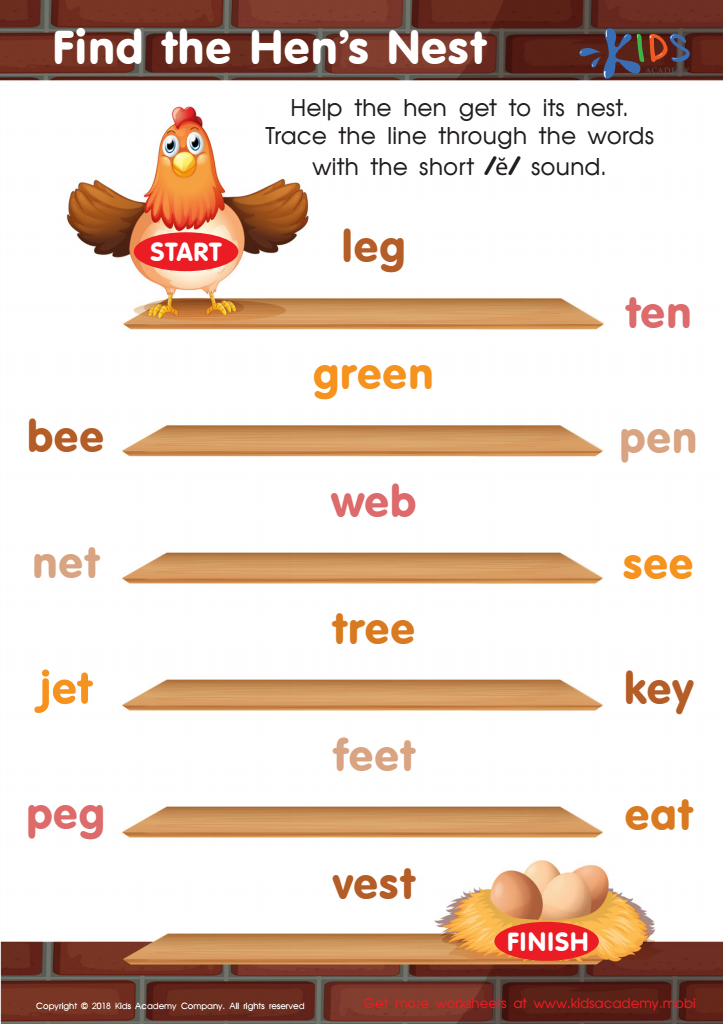
Find Hens Nest Reading Worksheet
Learning the short and long «e» sound can be tricky for kids just starting to learn the alphabet. Make it fun with this worksheet: it leads your kindergarten child to a hen's nest by following words with the short «e» sound. They'll be able to identify words with the sound by the end of the exercise.
Find Hens Nest Reading Worksheet
Worksheet
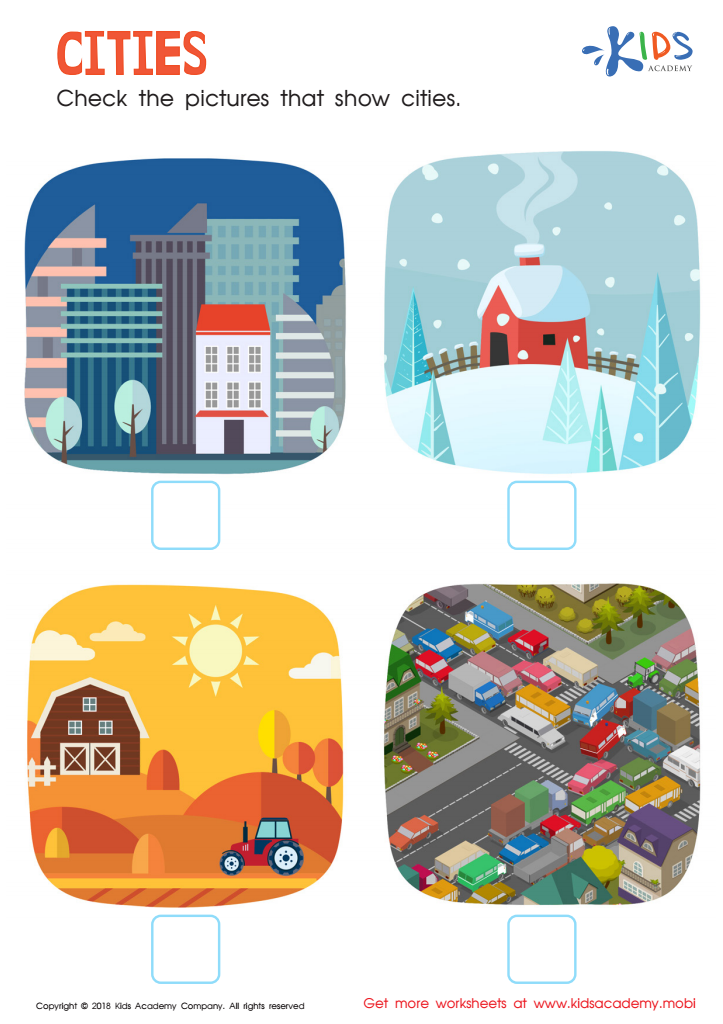
Cities Worksheet
This worksheet helps kids identify similarities and differences between communities. It offers four pictures of different places to live; country, city, etc. Kids use picture clues to determine which one is a city and can practice their geography and map skills. It's a great way for them to learn, allowing them easy success and reinforcement.
Cities Worksheet
Worksheet
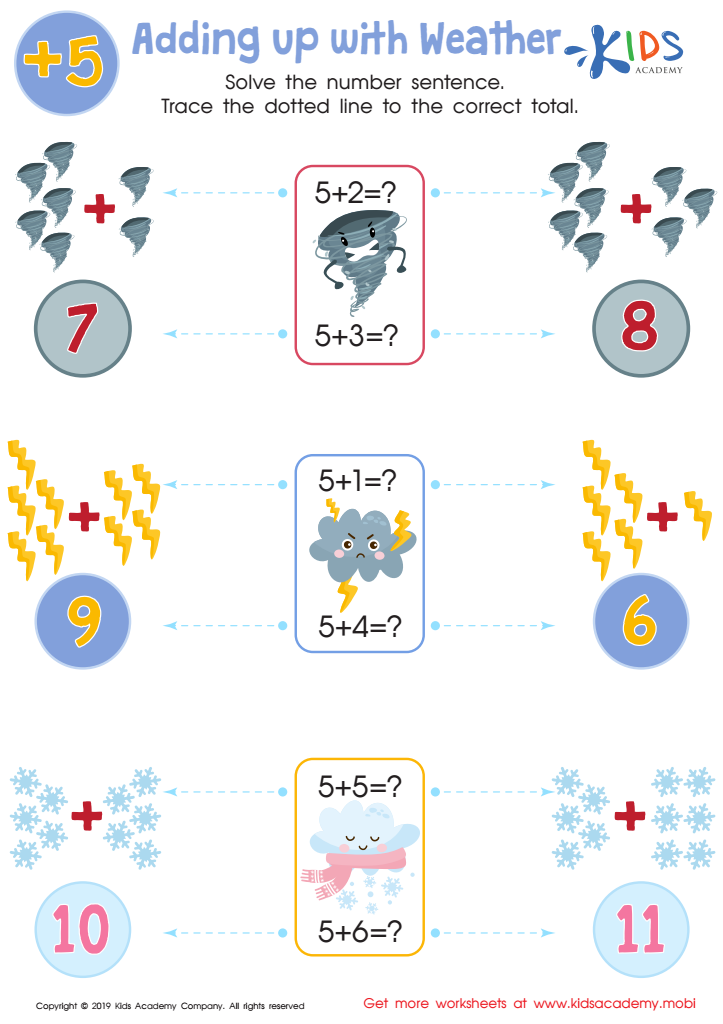
Adding up With Water Worksheet
Ask your kids to name different kinds of weather and what it's like outside now. Then, help them solve the number sentences on the worksheet by tracing the dotted line to the correct total.
Adding up With Water Worksheet
Worksheet
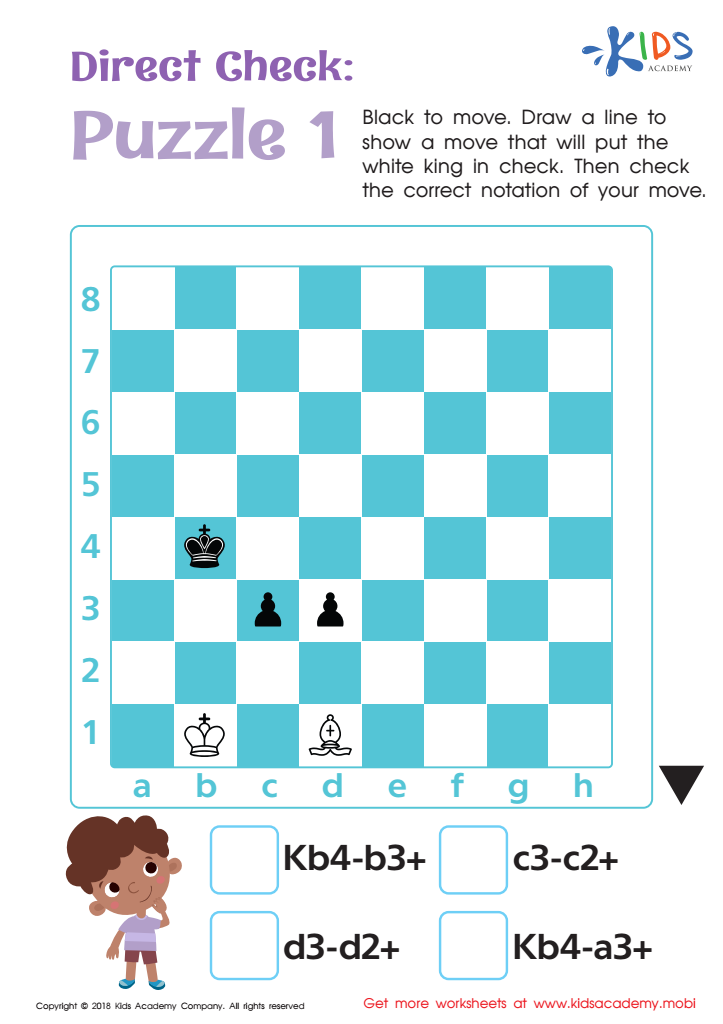
Direct Check: Puzzle 1 Worksheet
Your child can test their chess knowledge with this worksheet. If they've been taking lessons or playing regularly, they'll enjoy connecting the dots to put the white king in checkmate, then checking the correct notation. Challenge their chess skills!
Direct Check: Puzzle 1 Worksheet
Worksheet
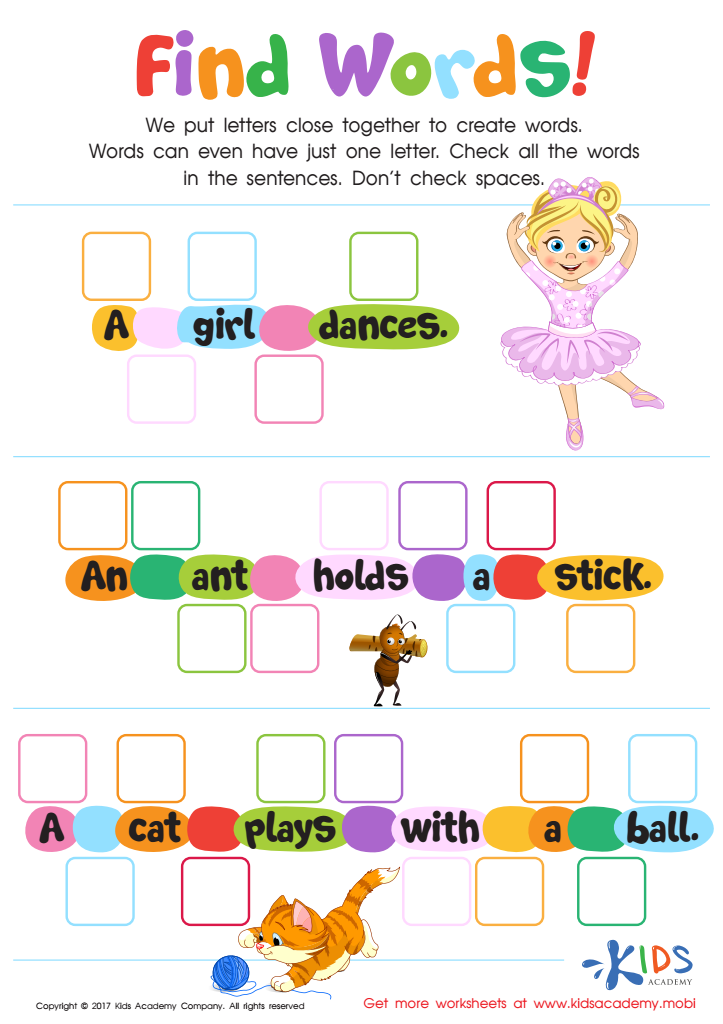
Find Words Worksheet
Help your little learner recognize that one letter words can be words too using this fun worksheet! As they work on it, they'll learn how to spot the gaps between words and become more familiar with written language. Download it now and get them started!
Find Words Worksheet
Worksheet
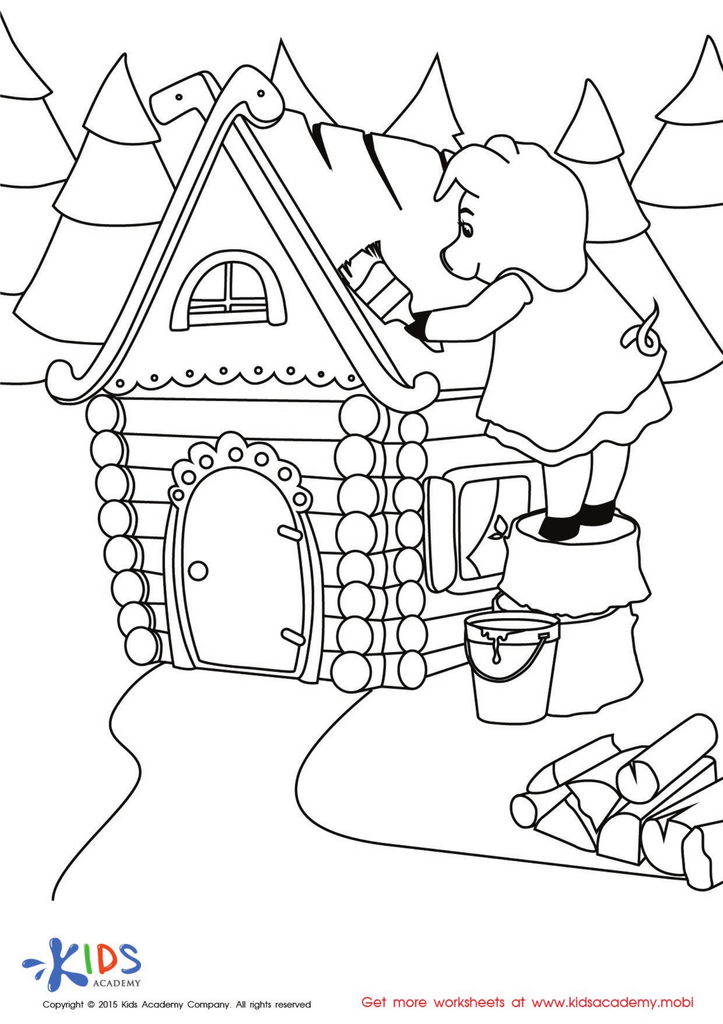
The Three Little Pigs Worksheet
Print out this fun coloring page and unleash your creativity! It features a cute little pig painting her new sticks house. What color will you choose? Work those fine motor muscles and enjoy the picture come to life! See what happens next to the three little pigs.
The Three Little Pigs Worksheet
Worksheet
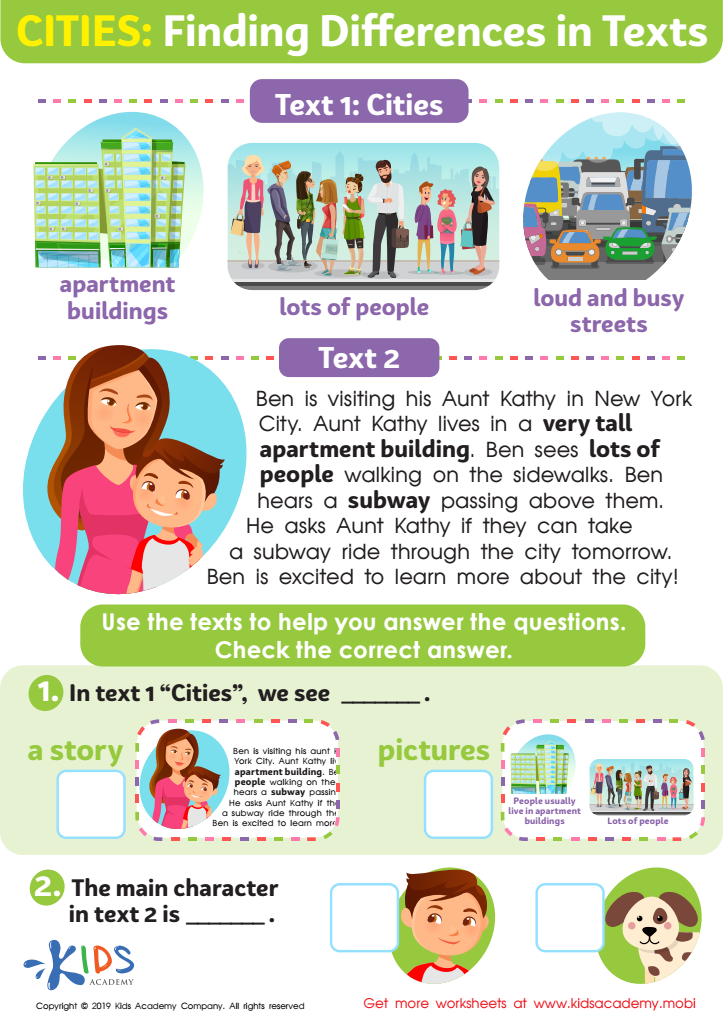
Cities: Finding Differences Worksheet
Critical thinking is essential for reading comprehension. New readers must be able to identify the key information in different text formats. This worksheet helps children learn what they might find in cities and how to differentiate between stories and pictures.
Cities: Finding Differences Worksheet
Worksheet
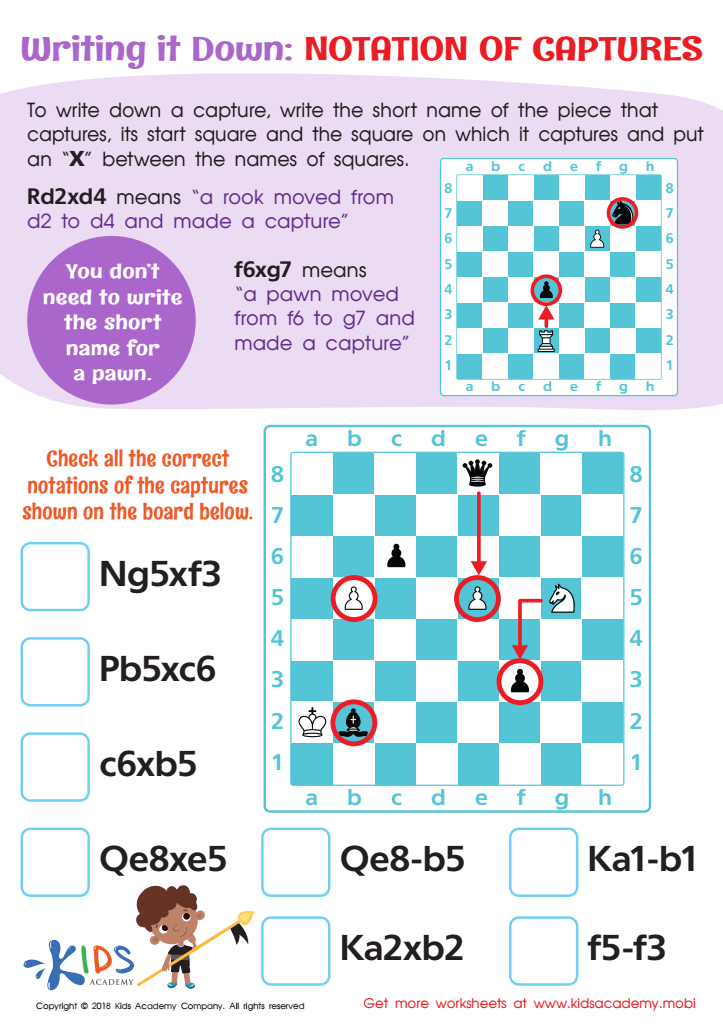
Notation of Captures Writing it Down Worksheet
To teach students how to record captures in chess, use this worksheet. Write down the piece's short name, start sq., and the sq. where it captures, separating them with an X. For example, Rd2Xd4 means a rook moved d2 to d4 and took a piece. Pawn captures don't need a name.
Notation of Captures Writing it Down Worksheet
Worksheet
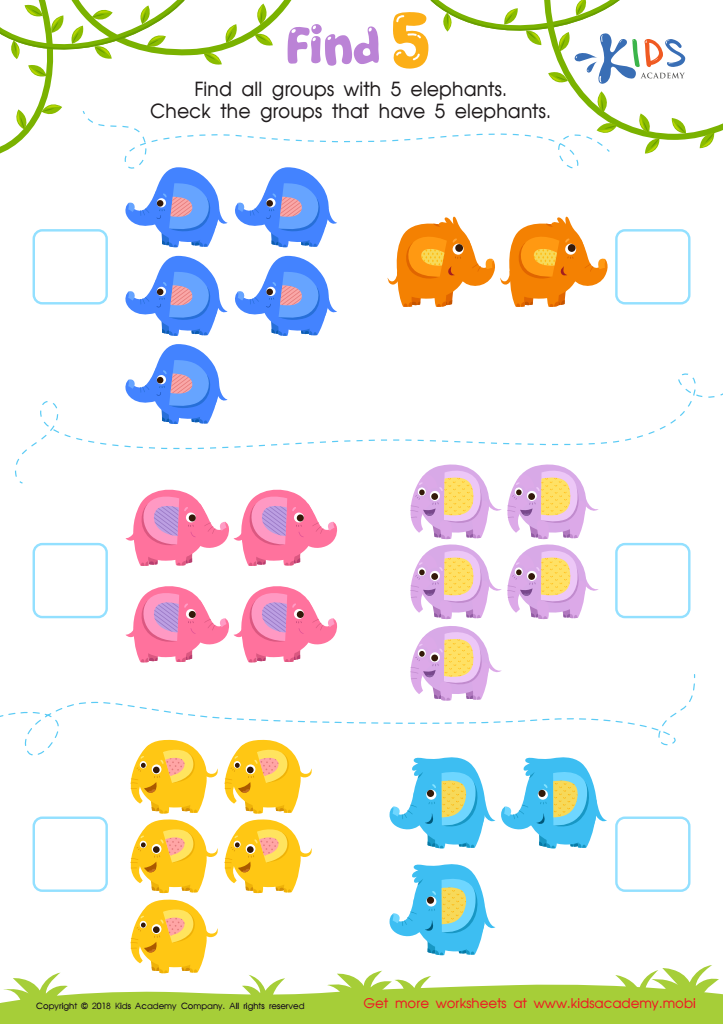
Find 5 Worksheet
Kids will love these cheery elephants that help them discover grouping and counting by fives. It's a great way to start learning addition and multiplication, while also developing fine motor skills. Download the free PDF and let the fun begin.
Find 5 Worksheet
Worksheet
Join Kids Academy for Free
Who is primarily going to use this learning content?








Attention to detail is a crucial skill that lays the foundation for a child's success in school and later in life. At ages 4-5, children are developing rapidly, both cognitively and socially, and their brains are highly receptive to learning new skills. Encouraging attention to detail at this age can have lasting benefits.
Firstly, attention to detail aids in academic learning. Children who develop this skill are better at following instructions, completing tasks accurately, and observing their environment. This prepares them for reading, writing, and math, where recognizing small differences in letters, numbers, and patterns is essential.
Secondly, it helps improve problem-solving skills. Children learn to observe carefully and analyze situations, which fosters critical thinking. This can be just as important in group play as it is in structured learning activities.
Additionally, cultivating attention to detail at an early age can improve focus and patience. These traits are crucial in maintaining persistence in tasks, leading to better learning outcomes and resilience in facing challenges.
Lastly, it enhances social interactions. By paying attention to details, children become more empathetic, recognizing and responding to the emotions and needs of others.
Teachers and parents should prioritize this skill through playful activities that require careful observation, such as puzzles, building blocks, or simple matching games. Doing so helps set children on a path to success both academically and in everyday life.








