Critical thinking skills Worksheets for Ages 4-5
12 filtered results
-
From - To
Unlock your child's potential with our engaging Critical Thinking Skills Worksheets for ages 4-5! These thoughtfully designed activities encourage young learners to enhance their reasoning and problem-solving abilities in a fun and interactive way. From puzzles to sorting games, our worksheets challenge kids to think critically while developing essential cognitive skills. Perfect for home or classroom use, these resources support early childhood education by fostering creativity and confidence in young minds. Explore our collection to provide your child with the necessary tools to navigate and understand the world around them, laying the foundation for lifelong critical thinking abilities. Begin their learning journey today!
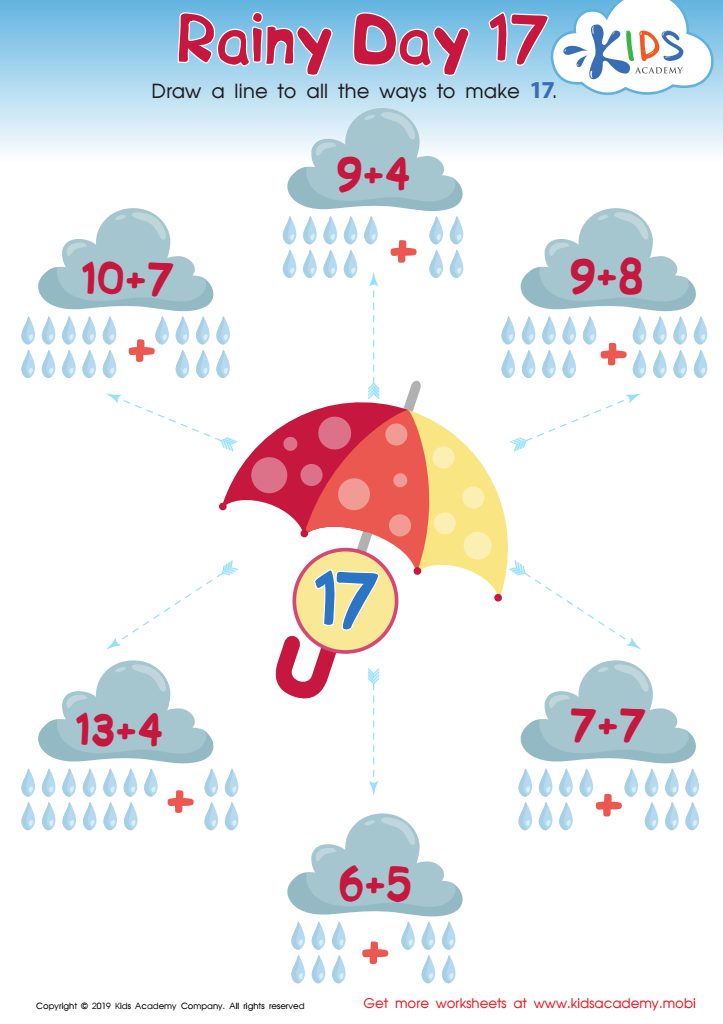
Rainy Day 17 Worksheet
 Assign to My Students
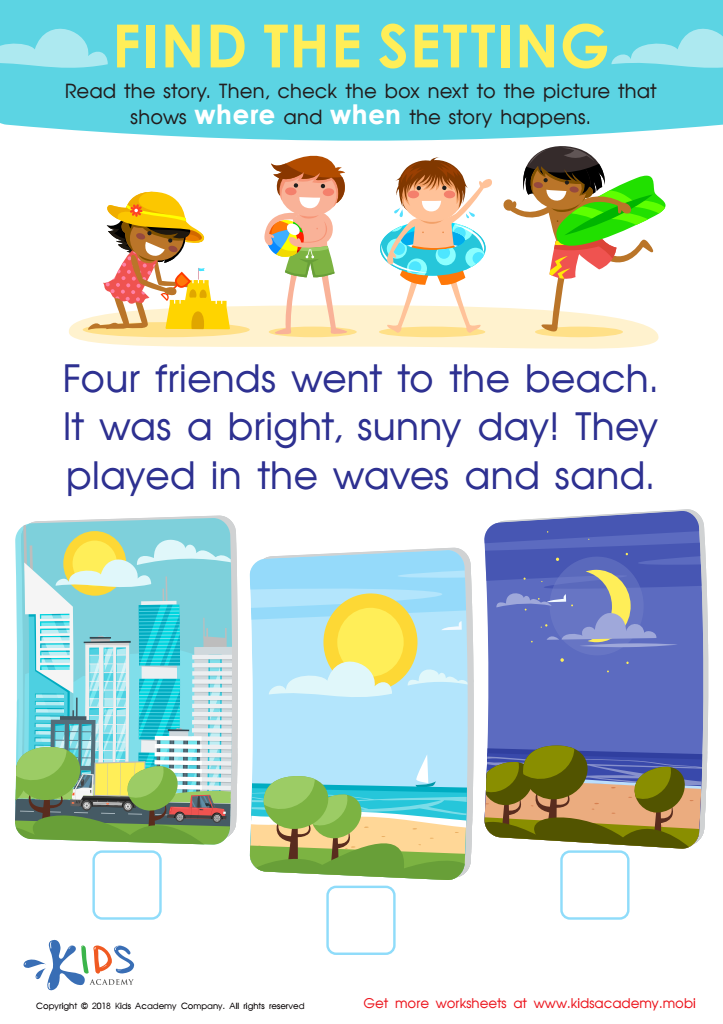
Find the Setting Worksheet
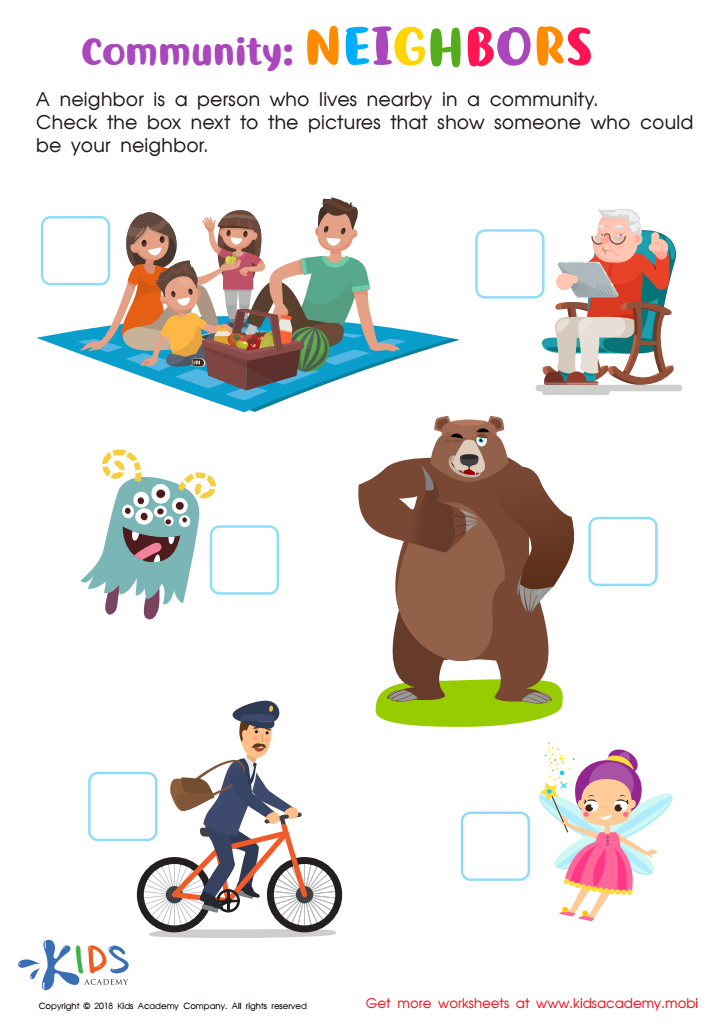
Community: Neighbors Worksheet
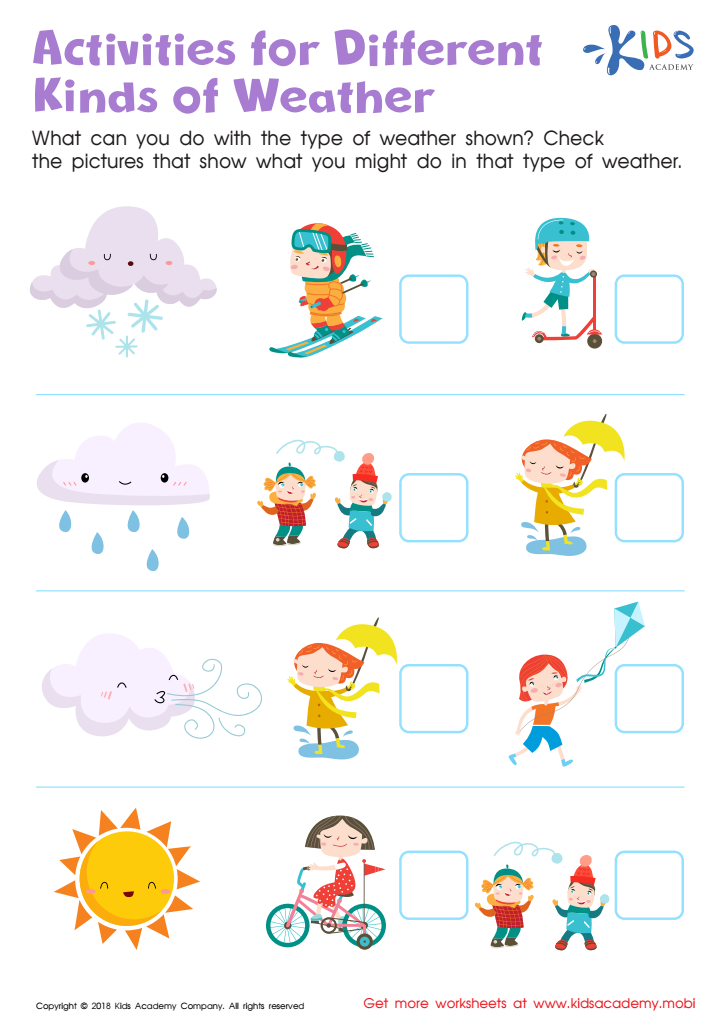
Activities for Different Kinds of Weather Worksheet
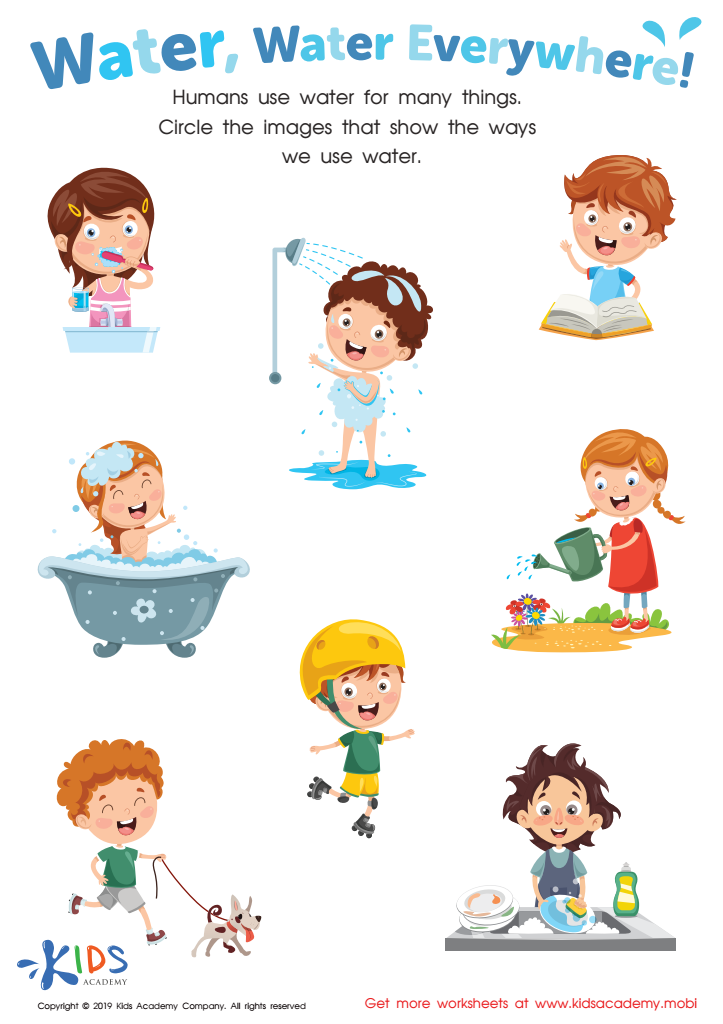
Water, Water Everywhere! Worksheet
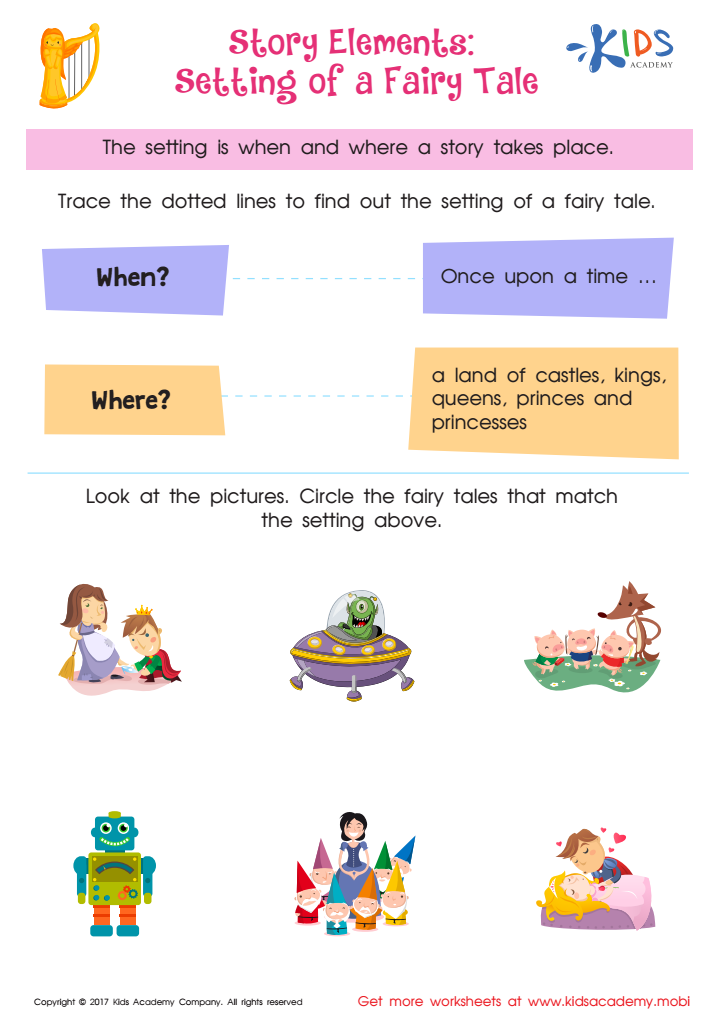
Story Elements: Setting of a Fairy Tale Printable
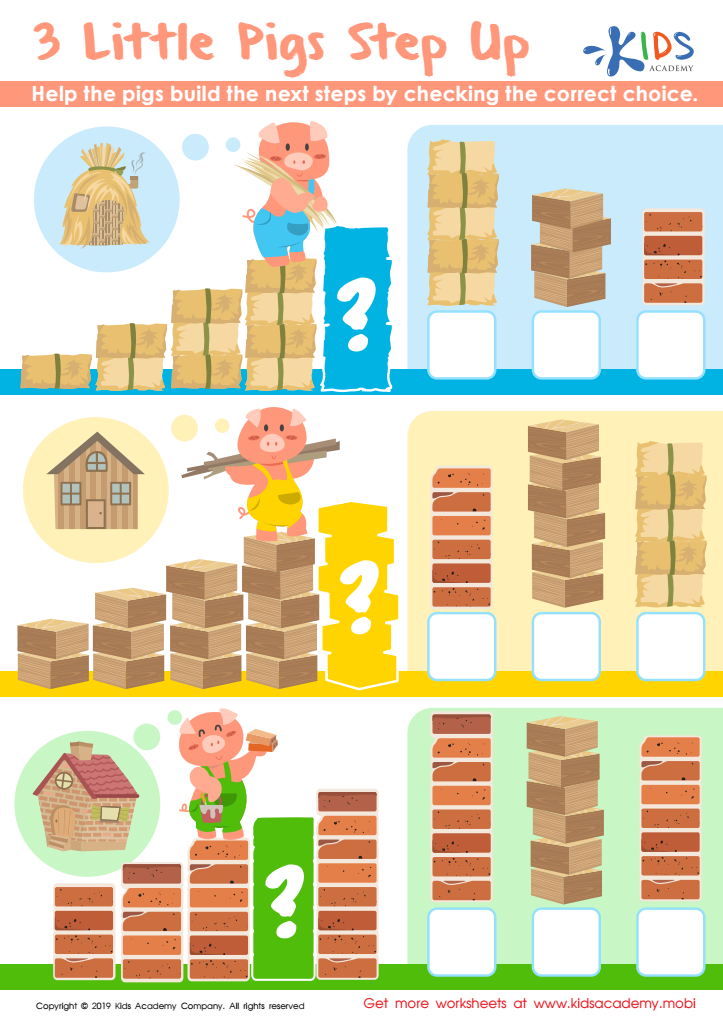
3 Little Pigs Step Up Worksheet
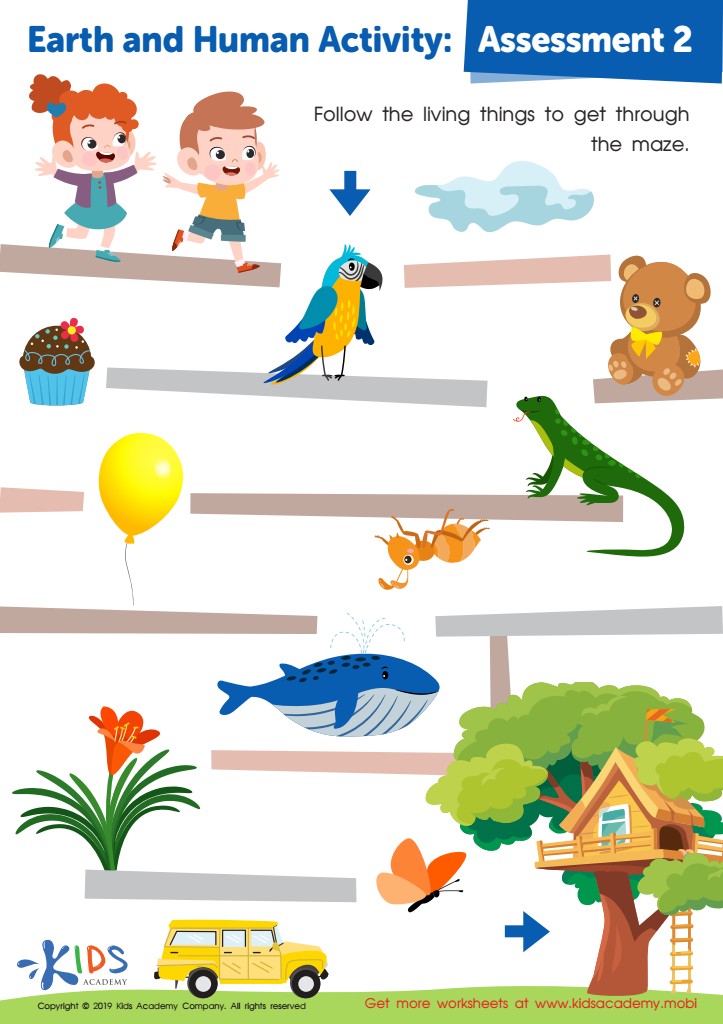
Earth and Human Activity: Assessment 2 Worksheet
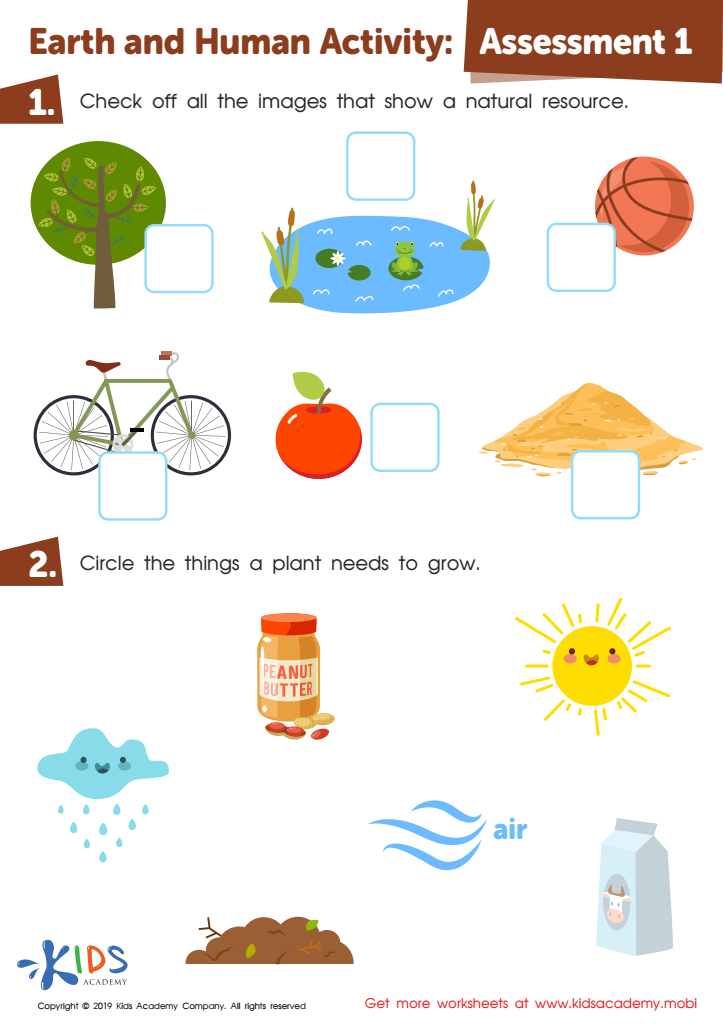
Earth and Human Activity: Assessment 1 Worksheet

The Three Little Pigs Worksheet
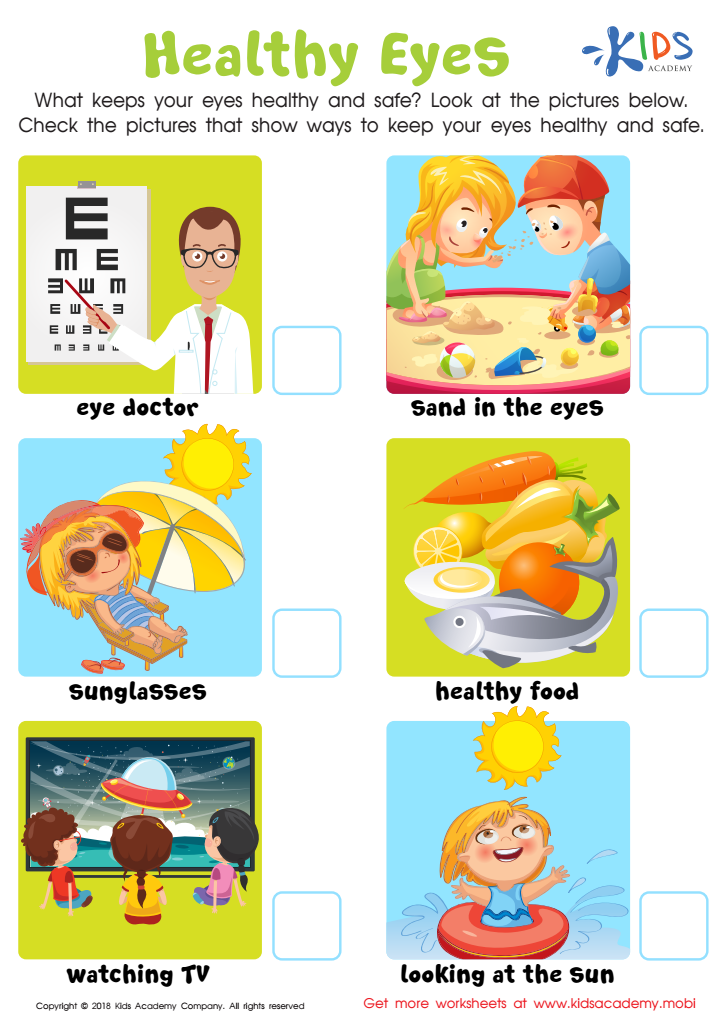
Healthy Eyes Worksheet
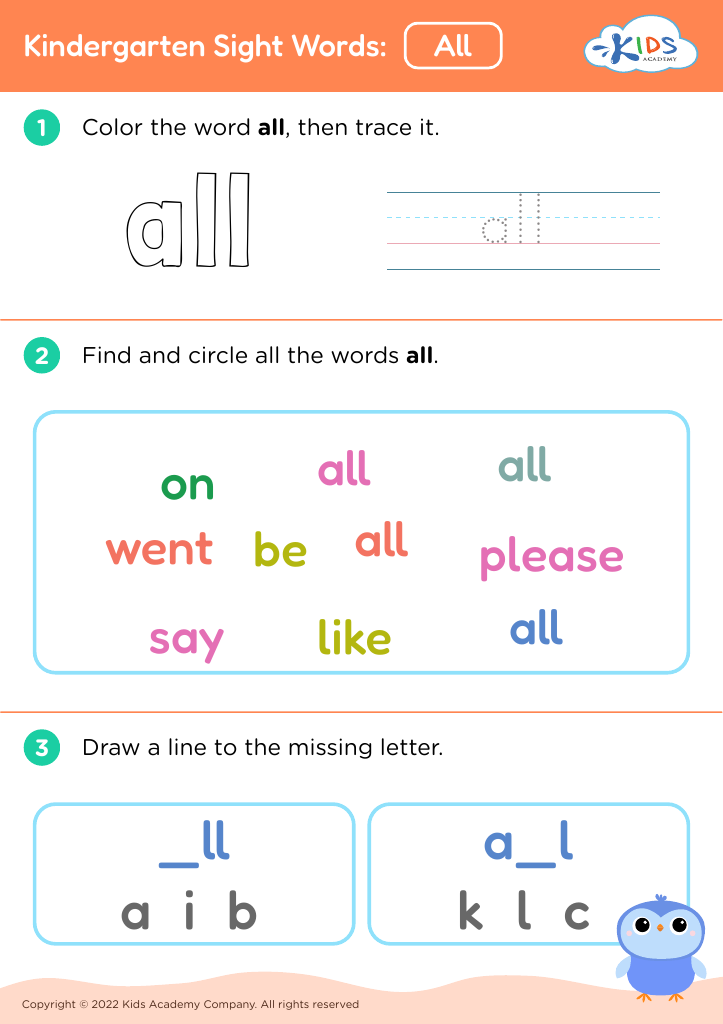







Critical thinking skills are essential for children aged 4-5, laying a foundation for their future learning and development. At this stage, children's brains are rapidly developing, making it a crucial period to cultivate their ability to analyze, evaluate, and solve problems. Encouraging critical thinking fosters independence, as children learn to make decisions and explore their environment with curiosity and confidence.
Parents and teachers should care about these skills because they promote cognitive development and enhance social-emotional learning. When children engage in critical thinking, they learn to question their surroundings, express opinions, and consider different viewpoints. This process nurtures creativity and innovation, preparing them for complex challenges in later years.
Moreover, critical thinking supports academic success. Early exposure to problem-solving tasks, storytelling, and open-ended questions encourages a love for learning and intellectual resilience. Children equipped with these skills are more likely to excel in school and develop a lifelong ability to think analytically.
Ultimately, fostering critical thinking in early childhood helps shape well-rounded individuals who can navigate an ever-changing world, enabling them to become thoughtful and engaged citizens in the future. Hence, parents and teachers play a pivotal role in nurturing these skills at this formative age.








