Data interpretation Worksheets for Ages 4-5
4 filtered results
-
From - To
Our Data Interpretation Worksheets for ages 4-5 offer a fun and engaging way for young learners to develop essential skills in understanding and analyzing data. With colorful visuals and easy-to-follow activities, children will learn to identify patterns, compare quantities, and draw simple conclusions. These worksheets are designed to enhance critical thinking and problem-solving abilities, giving kids a head start in math and logical reasoning. Perfect for classroom use or at-home practice, our printable resources are crafted to align with early learning standards, ensuring a solid foundation in data interpretation for your little ones.
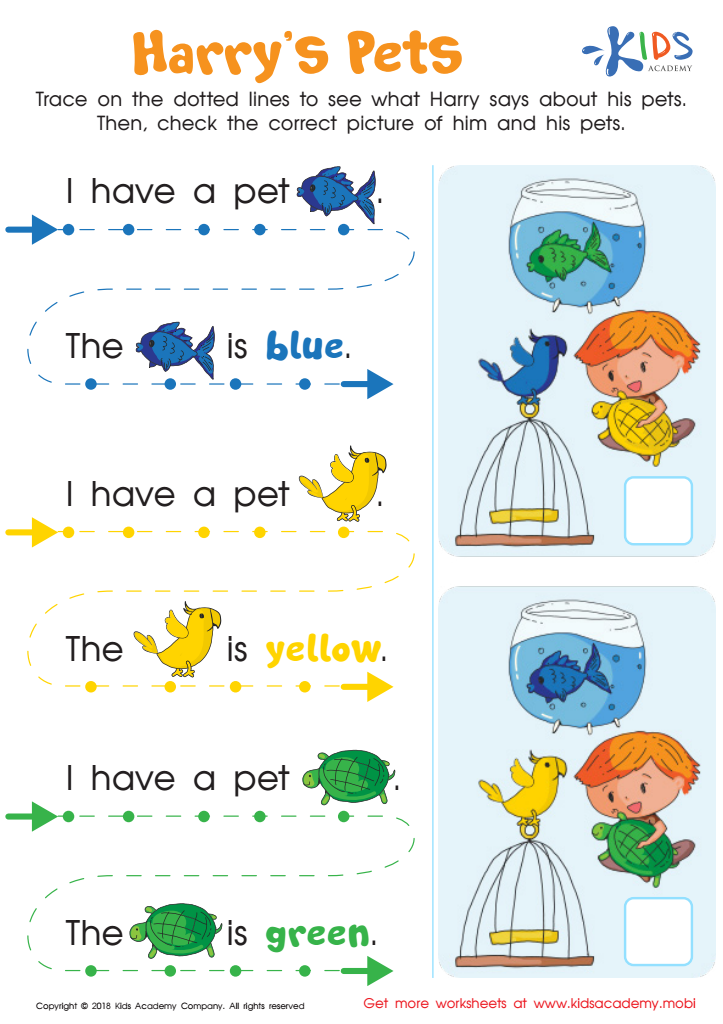
Read from Left to Right: Harry's Pets Worksheet
 Assign to My Students
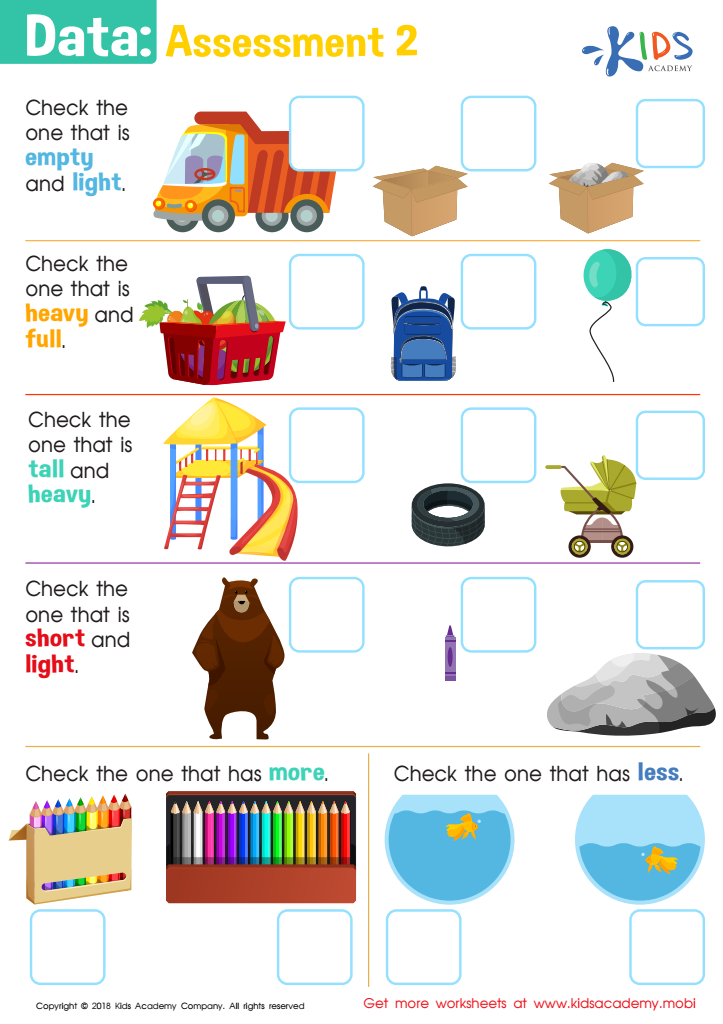
Data: Assessment 2 Worksheet
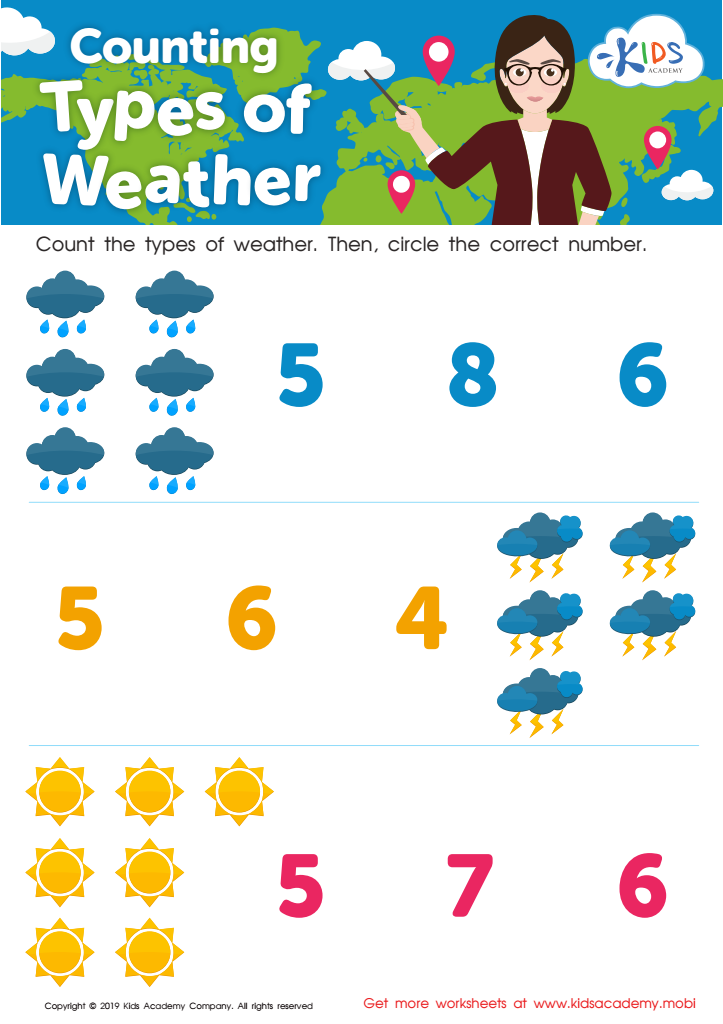
Counting Types of Weather Worksheet
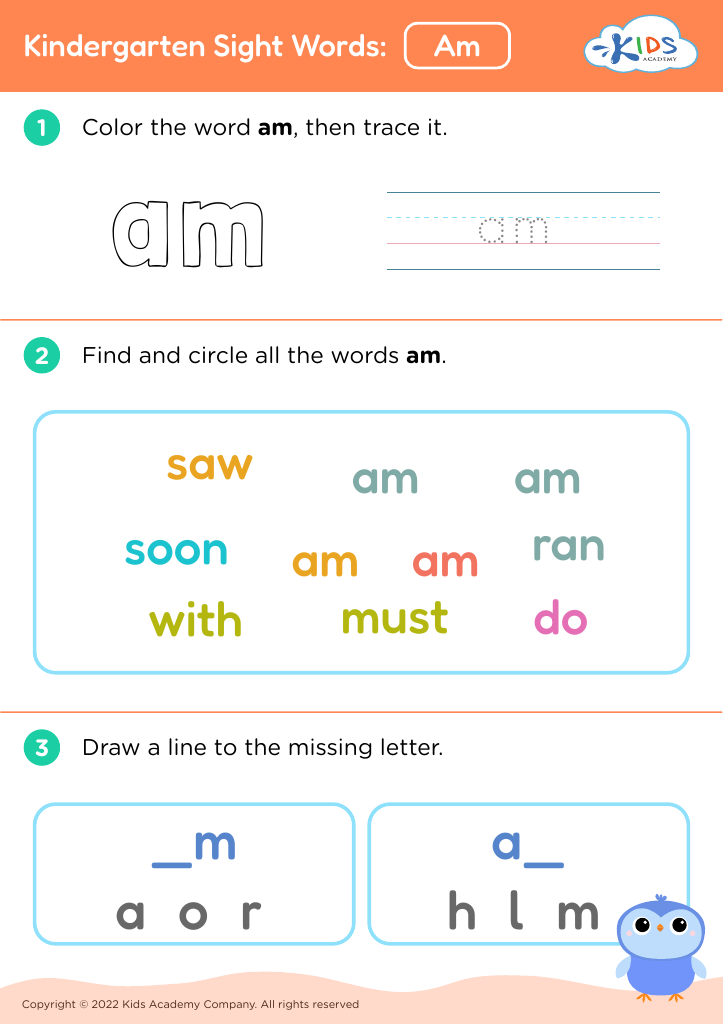




.jpg)


Parents and teachers should value data interpretation for children aged 4-5 because it cultivates critical foundational skills that are essential for their broader cognitive development. At this early stage, children's minds are highly flexible and capable of absorbing new information rapidly, making it an optimal period for nurturing analytical thinking and problem-solving abilities through simple data interpretation activities.
Engaging young children in basic data activities, such as sorting, categorizing, or visualizing information in charts and graphs, helps them make sense of the world around them. These tasks encourage the development of key mathematical concepts, such as counting, comparing, and recognizing patterns, which are fundamental for future success in STEM fields.
Moreover, data interpretation promotes curiosity and enhances observational skills. Children learn to ask questions, make predictions, and derive conclusions based on evidence. This lays the groundwork for scientific thinking and fosters a mindset of inquiry.
For parents and teachers, focusing on these skills also emphasizes the importance of detail, attention, and logical reasoning in everyday life. Early exposure to data interpretation ensures children are better prepared for academic challenges ahead, promoting confidence and an enduring enthusiasm for learning. Thus, fostering these abilities at a young age can have long-term benefits, contributing significantly to a child's academic and personal growth.








