Fine motor skills improvement Worksheets for Ages 4-5
5 filtered results
-
From - To
At Kids Academy, we offer engaging Fine Motor Skills Improvement Worksheets specially crafted for children ages 4-5. These tailored activities are designed to boost hand-eye coordination, dexterity, and precision. Our vivid and interactive worksheets feature trace and color tasks, cutting exercises, and simple puzzles to captivate young learners. By integrating playful elements with essential skill-building techniques, our worksheets foster confidence and foundational growth. Perfect for parents and educators seeking tools to enhance early childhood development. Visit us today to access our collection and give your child a head start in mastering fine motor skills in a fun and educational way!
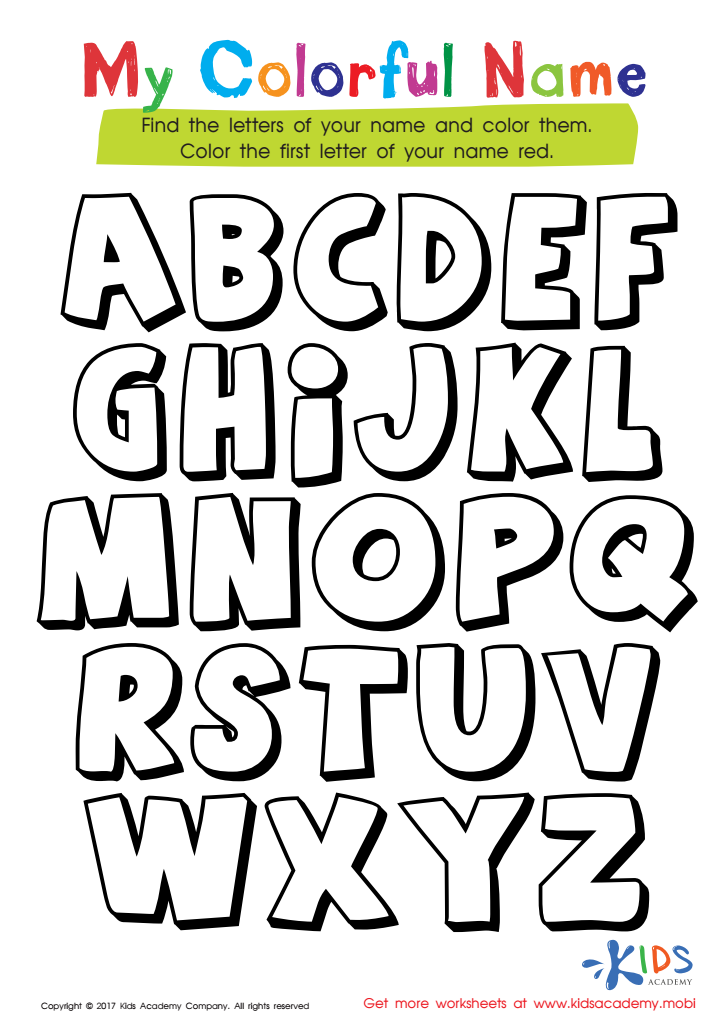
My Colorful Name Worksheet
 Assign to My Students
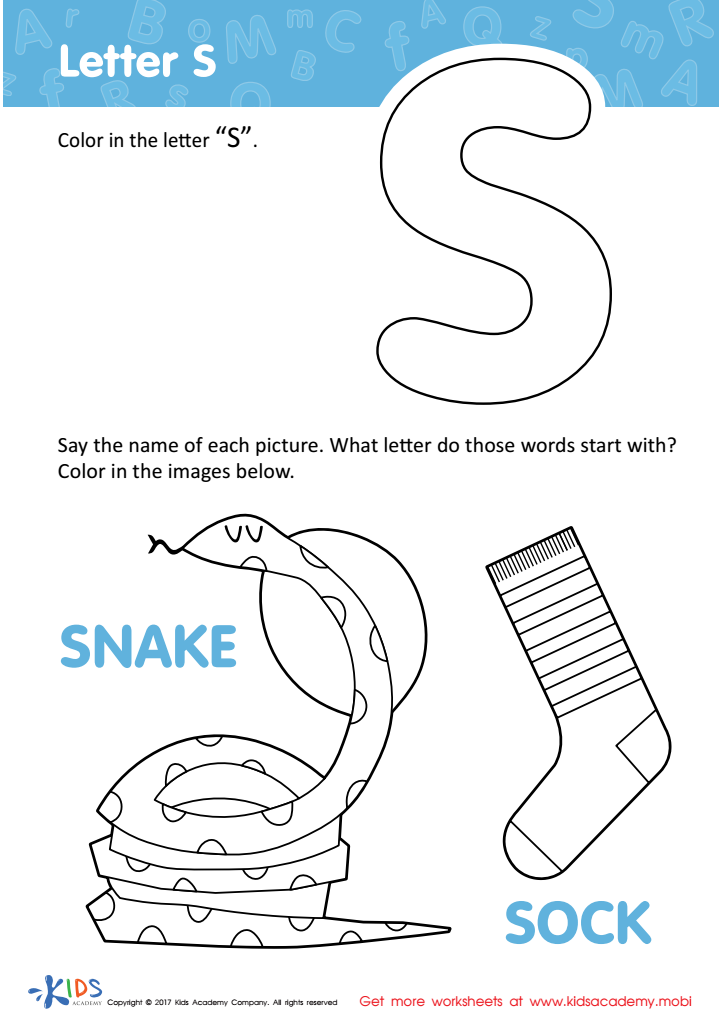
Letter S Coloring Sheet
Assign to My Students
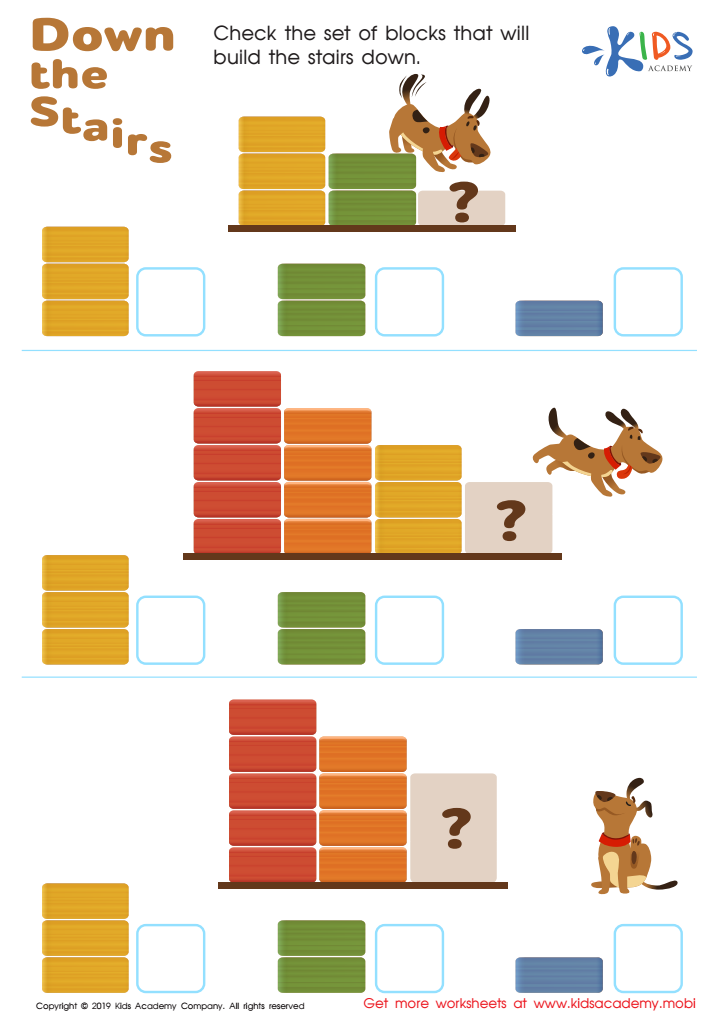
Down the Stairs Worksheet

Count the Cherries and Trace the Number 10 Printable
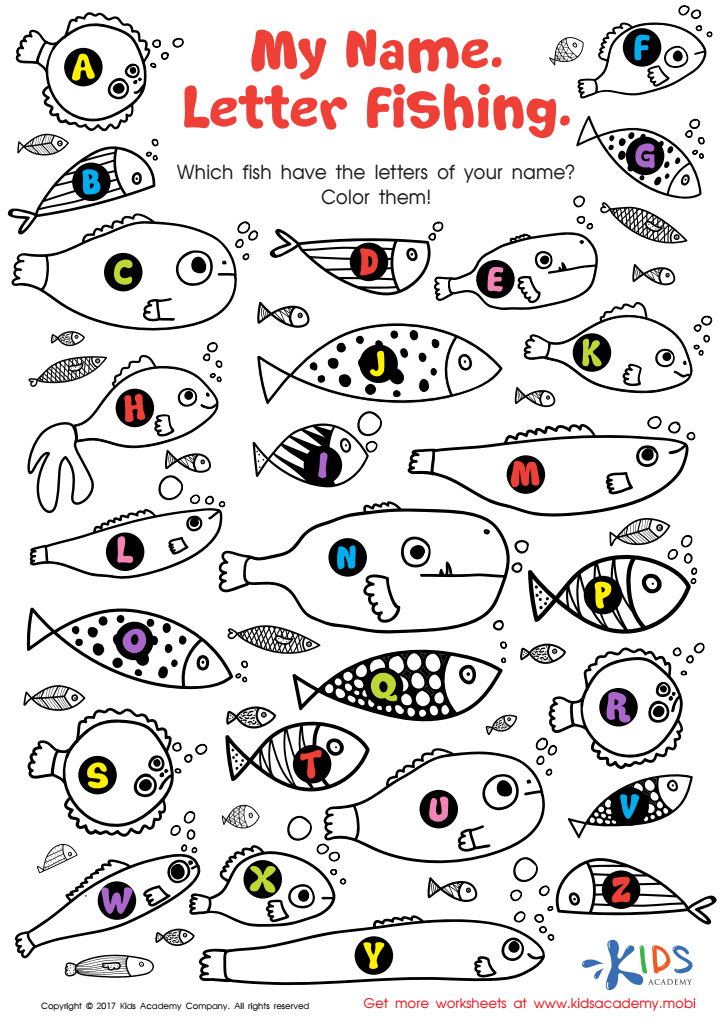
My Name: Letter Fishing Worksheet
Assign to My Students






.jpg)

Fine motor skills are critical for children aged 4-5 because these skills lay the foundation for essential daily activities and broader academic success. Fine motor skills involve the coordination of small muscles, particularly in the hands and fingers. By focusing on improving these abilities, parents and teachers can significantly aid a child's overall development and independence.
At this age, children are beginning to write, button clothes, use utensils, and perform other tasks requiring precise hand and finger movements. Enhancing fine motor skills boosts their capability to undertake such tasks effectively. It builds their confidence and self-esteem because they can accomplish more on their own.
Improved fine motor control also supports cognitive development. Activities that promote these skills, like cutting with scissors, drawing, or playing with building blocks, simultaneously engage the brain's problem-solving and creative areas. These actions can develop their hand-eye coordination, memory, and planning abilities.
Moreover, ensuring that children develop fine motor skills early sets the stage for their successful transition to kindergarten and beyond. Teachers can focus more on teaching content rather than skills if the children already have good finger control for holding pencils or navigating touchscreens.
Hence, prioritizing fine motor skill development in the early years is key to fostering holistic growth, leading to more adept and confident young learners.








