Enhance your child's learning journey with our Identification Skills Worksheets for ages 4-5! Designed to develop essential skills, these engaging worksheets focus on helping young learners identify shapes, colors, animals, and objects. Each printable activity encourages observation and critical thinking, promoting early cognitive development in a fun and interactive way. Suitable for home or classroom use, our worksheets make learning enjoyable while building a strong foundation for future academic success. Start fostering your child's identification skills today with our carefully curated worksheets, ensuring a playful and educational experience for preschoolers! Explore our resources and unlock the potential within every child!

Check out this FREE "Identification skills" Trial Lesson for age 4-5!

What Is a Community?

Favorites
With answer key
Interactive
  • 4-5
  • Identification skills
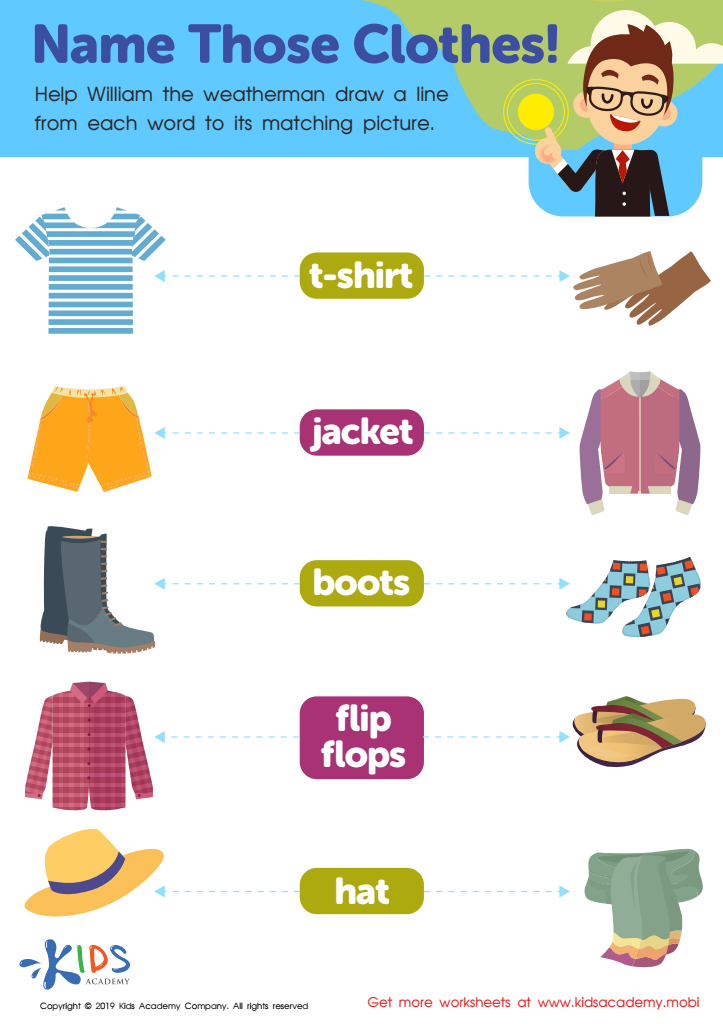
Name Those Clothes Worksheet

Name Those Clothes Worksheet

This worksheet will help your preschooler build their vocabulary, develop life-skills and work on fine motor skills. They'll analyze which clothing goes with the weatherman and match it to the word. It's a fun and interactive way to recognize high-frequency words.
Name Those Clothes Worksheet
Worksheet
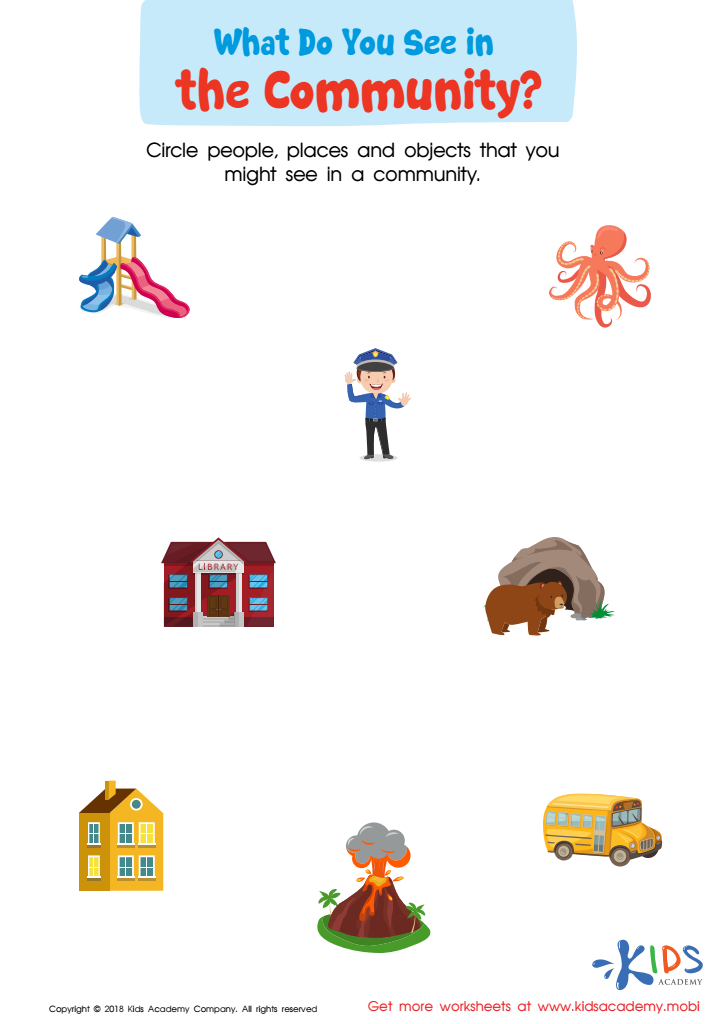
What Do You See in the Community Worksheet

What Do You See in the Community Worksheet

This free social studies PDF can help your children learn about their local community. They'll identify its members, places and objects using engaging and recognizable pictures. As they trace circles around them, they'll also practice fine motor skills. It's a great way to introduce social science concepts and help them understand the importance of community.
What Do You See in the Community Worksheet
Worksheet
Pre-reading Worksheet for Kindergarten

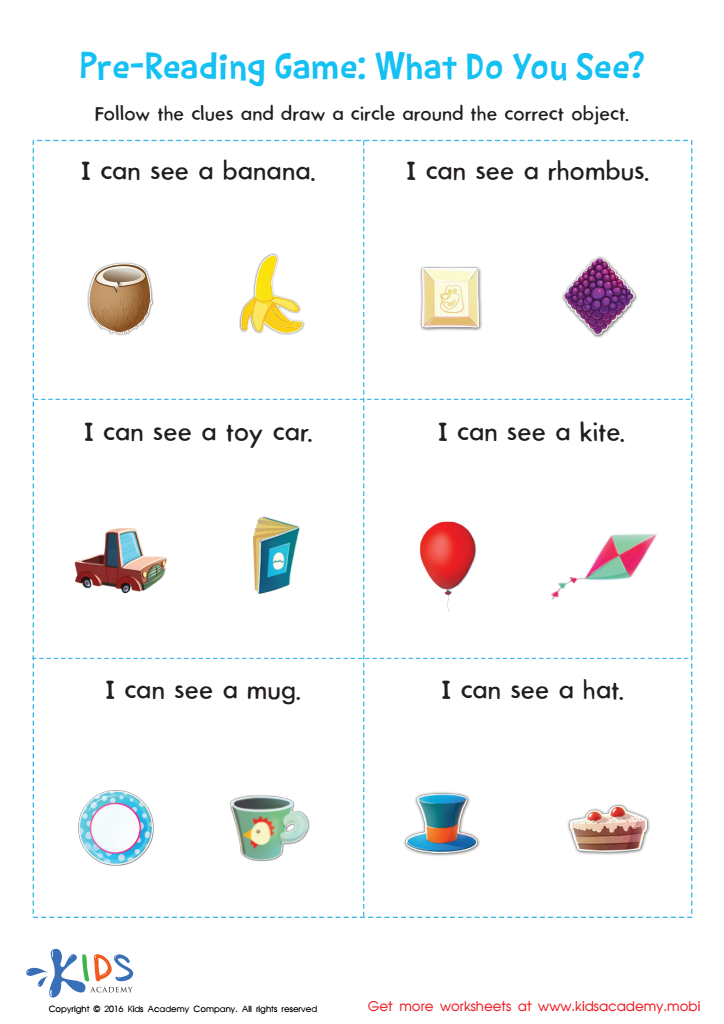
Pre–reading Worksheet: What Do You See?
Get started with this pre-reading worksheet to build your child's early literacy skills. Model, read aloud, and provide consistent repetition for successful learning.
Pre–reading Worksheet: What Do You See?
Worksheet
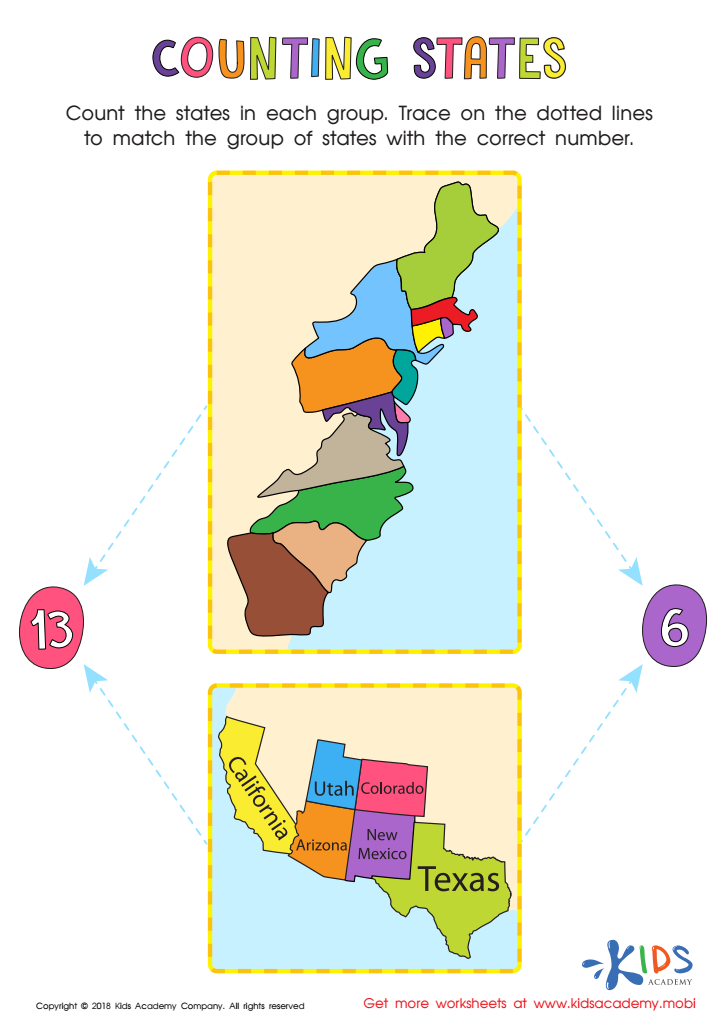
Counting States Worksheet

Counting States Worksheet

This fun and educative worksheet helps your kids learn more about their country. Ask them if they can name all the states, then help them trace on the dotted lines to match each state group to the correct number. Counting together is a fun way to reinforce learning.
Counting States Worksheet
Worksheet
Delightful Bee Anatomy Worksheet

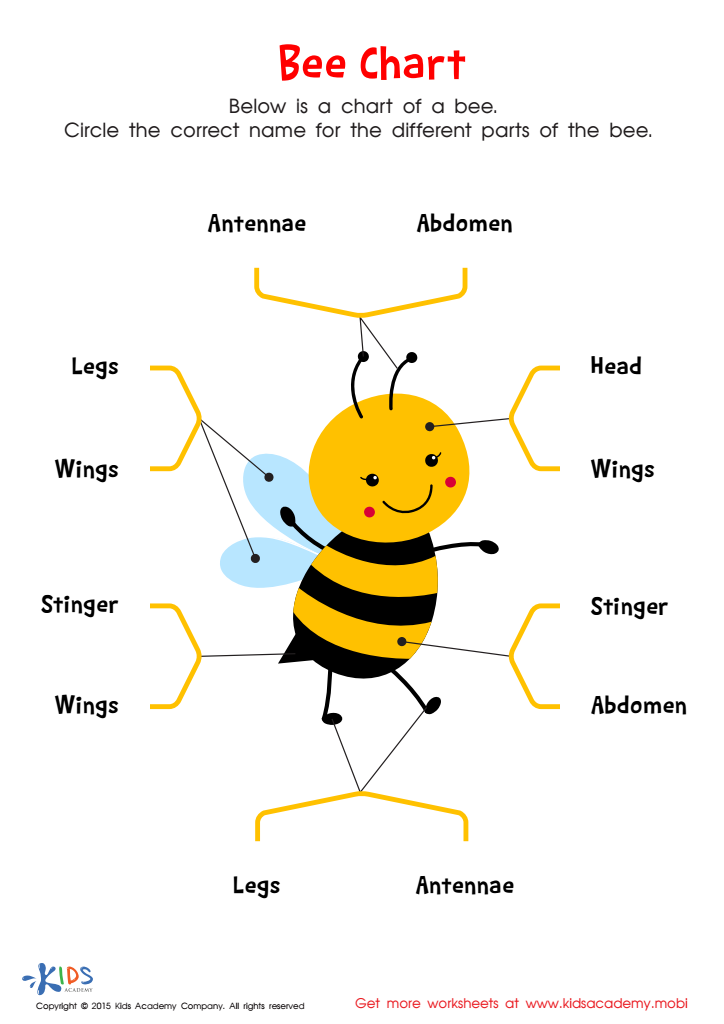
Bee Chart Worksheet

Bee Chart Worksheet
Worksheet
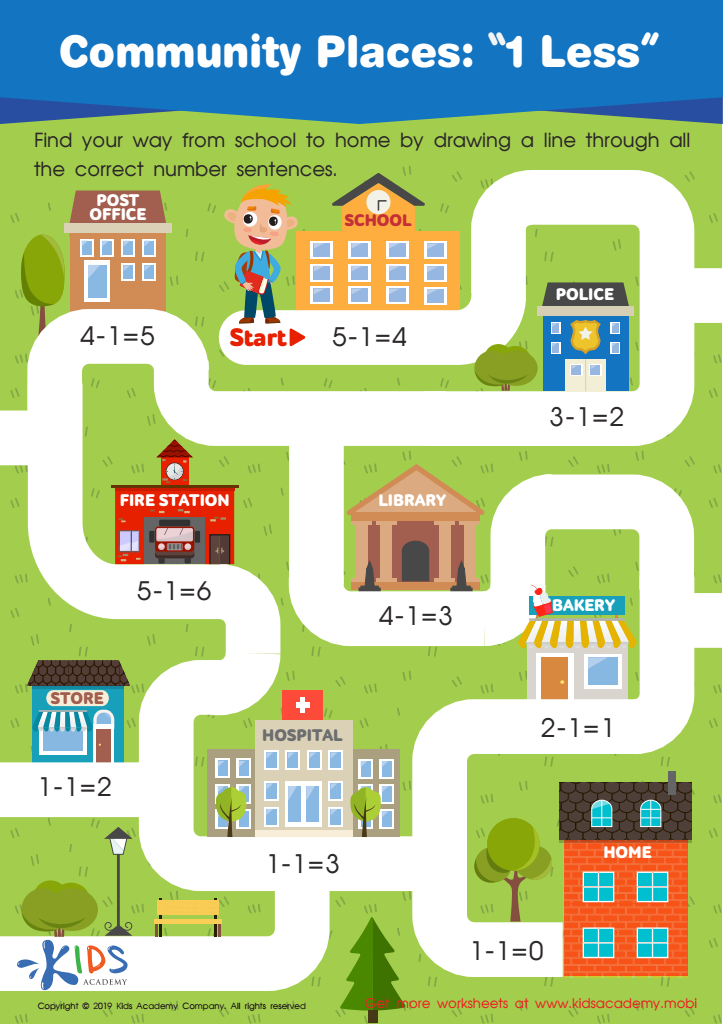
Community Places: 1 Less Worksheet

Community Places: 1 Less Worksheet

Have your kindergarteners draw a line through the correct number sentences as they find their way home from school. Ask them to identify the people, places, and buildings in their community and the jobs they do.
Community Places: 1 Less Worksheet
Worksheet
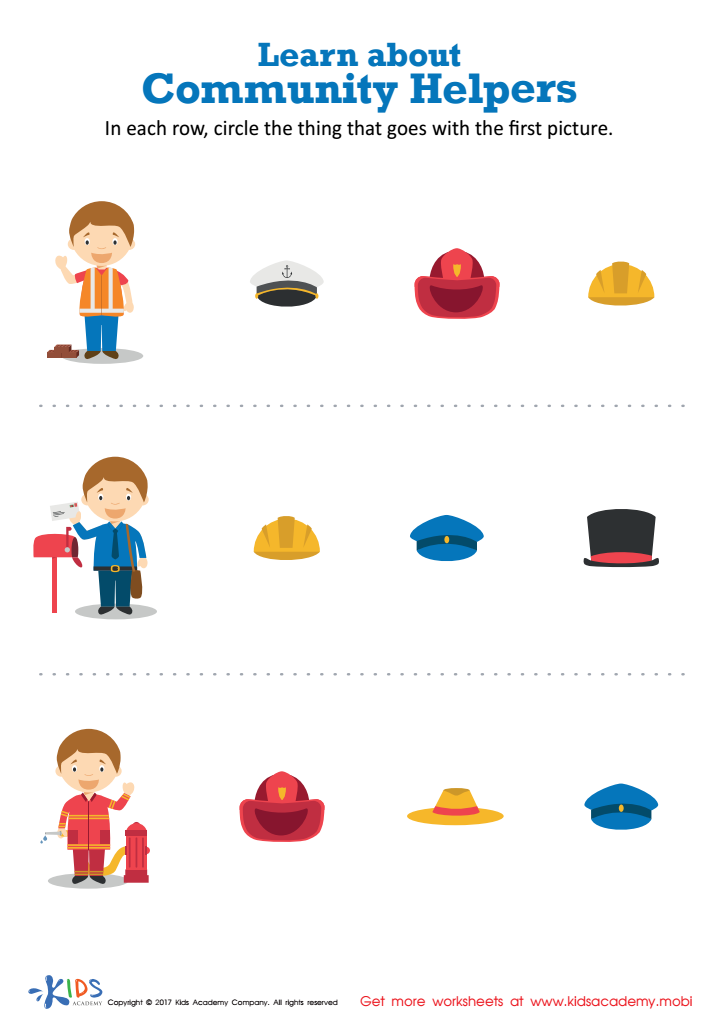
Community Helpers Printable Worksheet

Learn about Community Helpers Printable

Introduce your little one to the amazing and hard-working people in the community with this free worksheet. It will help them use matching and observational skills to match the correct hat to its worker and recognize community helpers. Perfect for early learners, this worksheet uses familiar images to help them gain a deeper appreciation for their community helpers!
Learn about Community Helpers Printable

Worksheet


Identification skills, particularly for children aged 4-5, play a crucial role in their cognitive and social development. At this age, children are keen observers and begin to make sense of the world around them. Developing identification skills helps them recognize and categorize objects, letters, numbers, and sounds, which are foundational for their future learning endeavors.

For parents and teachers, fostering these skills is vital for several reasons. First, it enhances language development; as children learn to identify and name things, they expand their vocabulary and comprehension. Second, it strengthens critical thinking and problem-solving abilities, as recognizing and differentiating between items requires cognitive processing.

Furthermore, strong identification skills support children in social situations, enabling them to interact more confidently with their peers by recognizing common objects or themes during play. This can enhance their emotional intelligence and boost self-esteem.

Investing time in activities that foster these skills—like sorting games, picture books, or nature walks—can yield significant long-term benefits in a child’s academic journey. Ultimately, parents and teachers who prioritize identification skills can provide children with a solid foundation for schooling, helping them navigate future challenges with confidence and ease.