Introducing our engaging Letter-Sound Correlation Worksheets for Ages 4-5, designed to enhance your child's early literacy skills! These interactive activities help young learners connect letters with their corresponding sounds, fostering phonemic awareness essential for reading success. Through colorful illustrations and fun exercises, children will practice identifying letters, matching sounds, and developing their vocabulary in an enjoyable way. Ideal for parents and educators, our worksheets make learning both effective and entertaining. Equip your child with a solid literacy foundation that encourages a lifelong love of reading. Explore these worksheets to inspire your little one's journey into the world of letters and sounds!

Check out this FREE "Letter-sound correlation" Trial Lesson for age 4-5!

Rearrange Sounds to Make Words

Favorites
With answer key
Interactive
  • 4-5
  • Letter-sound correlation
Beginning Sounds Assessment Printable

Beginning Sounds Assessment Printable

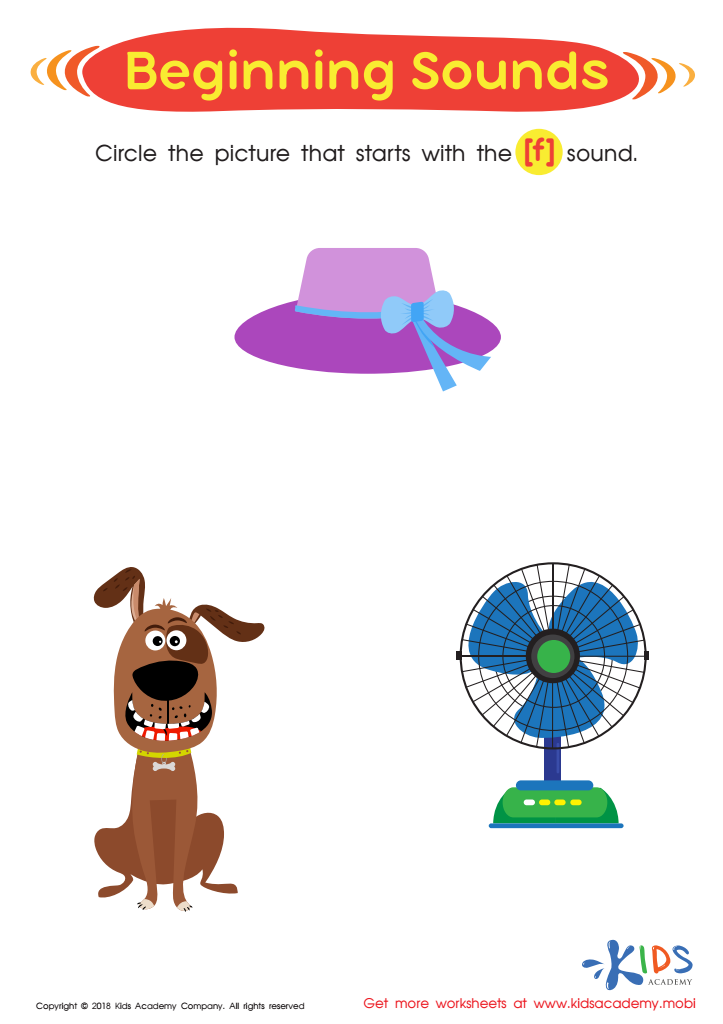
Test your child's knowledge of the alphabet. Ask them to recite the whole alphabet and the words for each letter. For example: A for apple, B for boy. Identify objects on this worksheet, then ask your child which one starts with the letter "f" and have them circle it.
Beginning Sounds Assessment Printable
Worksheet
Letter A Sounds Worksheet

Letter A Sounds Worksheet

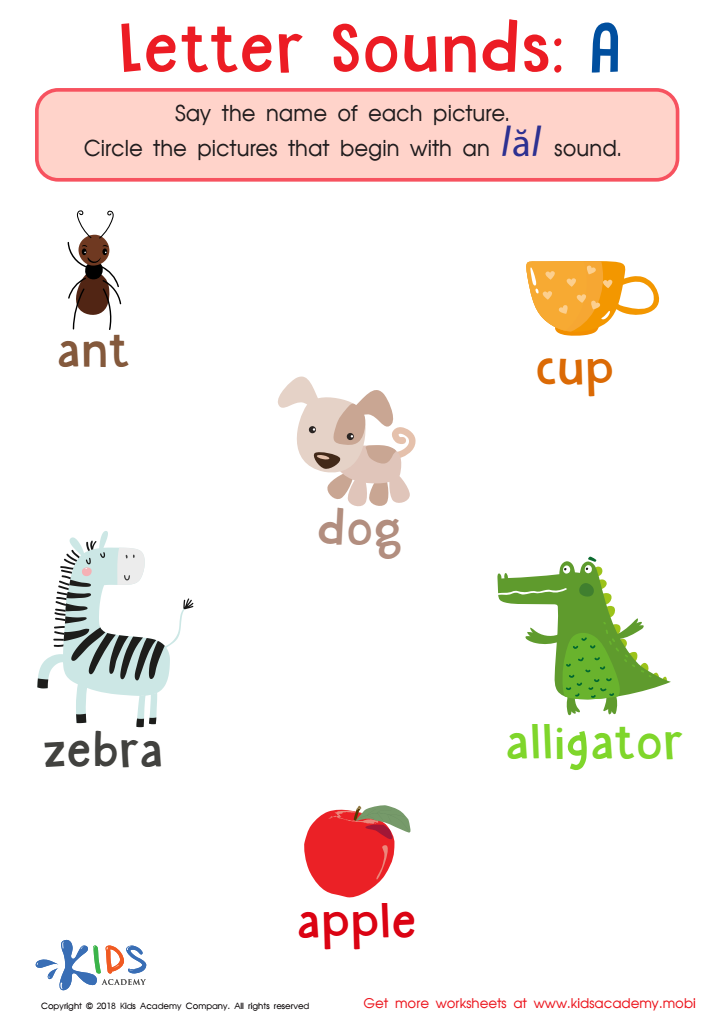
Encourage your new reader to practice the «ă» sound with this fun, free PDF worksheet. With the help of picture clues, they'll say the name of each word and trace circles around the items that start with «ă». This worksheet is an effective way to boost beginning sound skills while having fun!
Letter A Sounds Worksheet
Worksheet
Letter Sounds: J Printable Worksheet

Letter Sounds: J Printable Worksheet

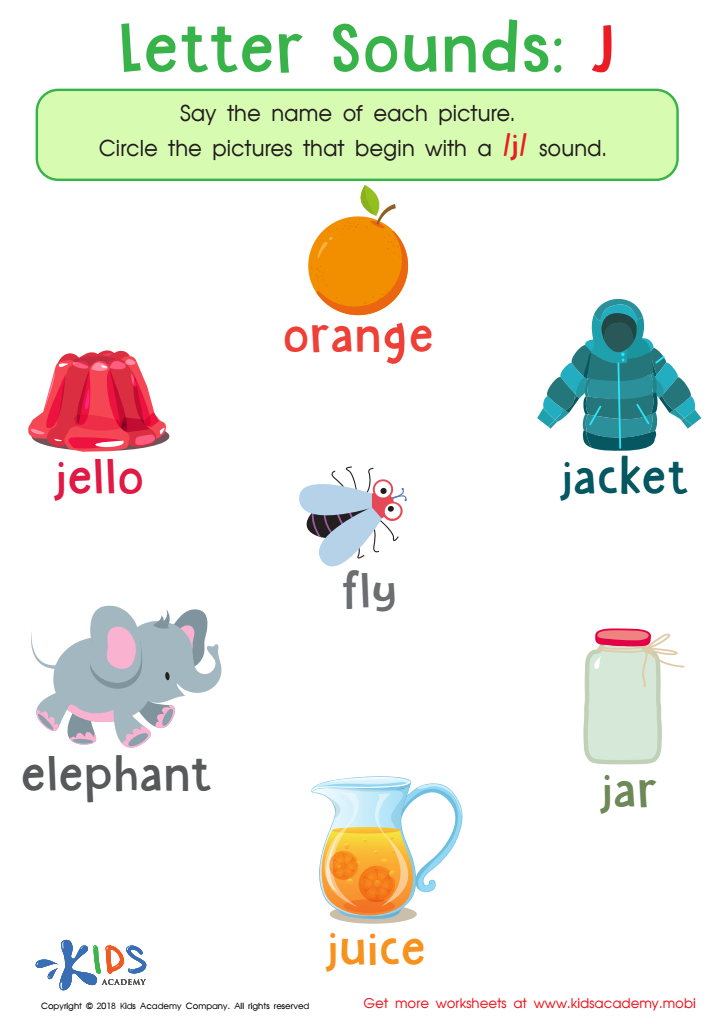
Preschoolers can learn to identify letter sounds by focusing on beginning sounds. This cute and colorful worksheet reviews the hard “j” sound. Kids can point it out by naming the words and circling only those starting with the “j” sound. Read the text out loud and listen closely!
Letter Sounds: J Printable Worksheet
Worksheet
Letter U Sounds Worksheet

Letter U Sounds Worksheet

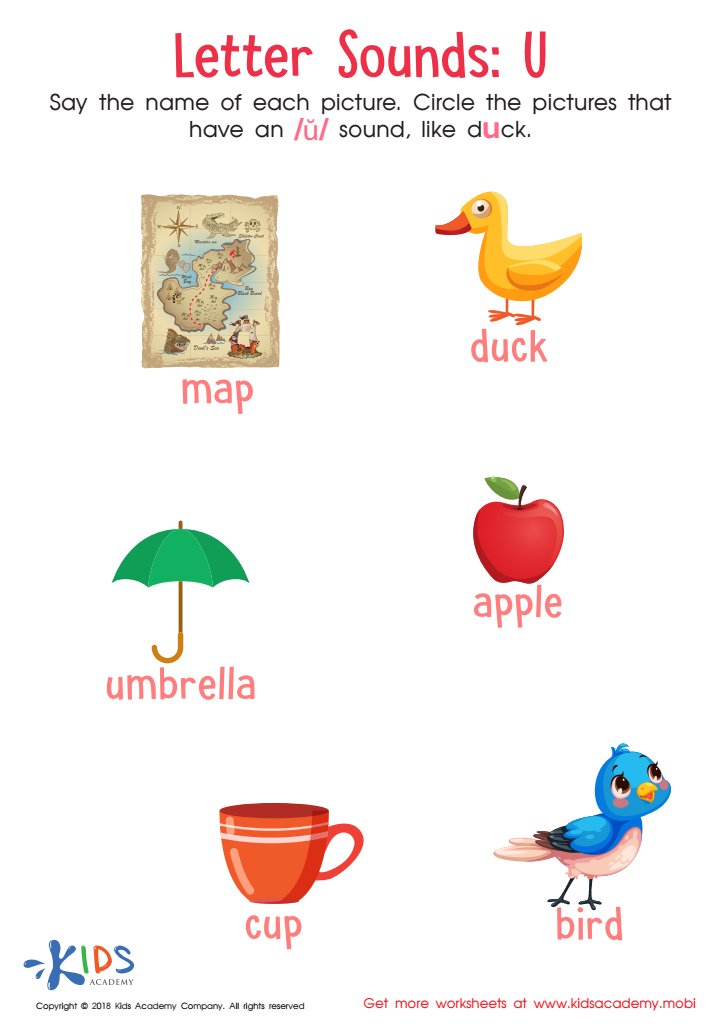
The letter U is special with multiple pronunciations. This worksheet helps kids identify the short «u» in words like duck and cup. Read the words aloud and listen closely to the sounds. Circle only words with the correct sound to complete the sheet. Kids will quickly know that words like "map" don't contain a U.
Letter U Sounds Worksheet
Worksheet
Letter t sounds worksheet

Letter T Sounds Worksheet

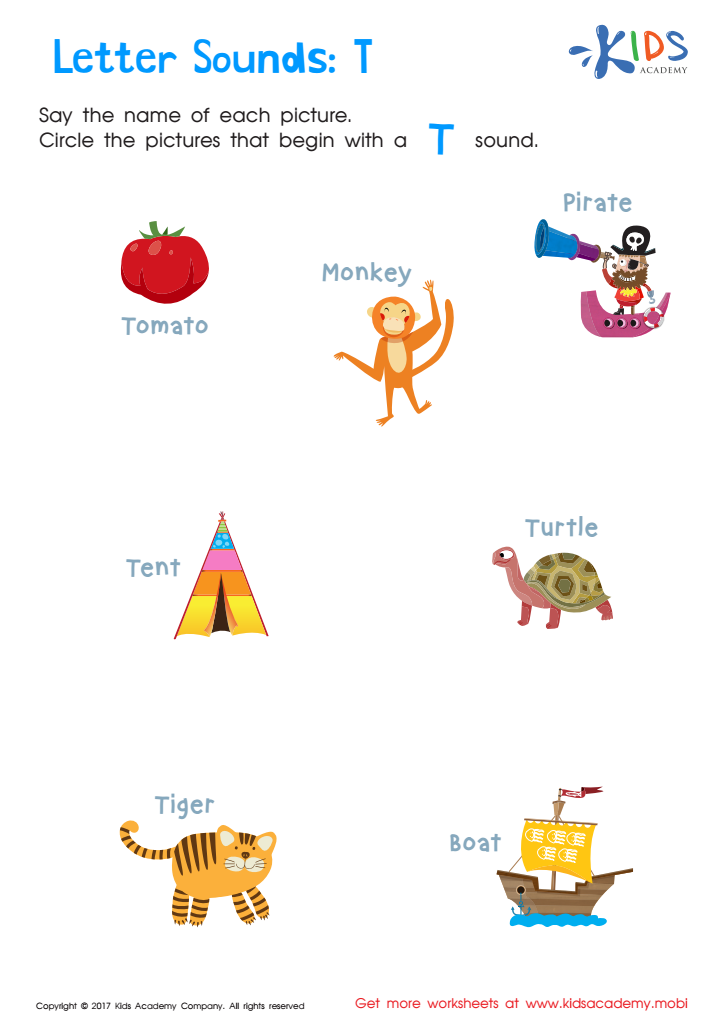
This worksheet is a fun way to help kids learn the t sound. It has familiar pictures and an easy-to-follow format, so kids can quickly recognize and learn the letter t.
Letter T Sounds Worksheet
Worksheet
Matching Consonant Sounds - Part 1 Worksheet Preview

Matching Consonant Sounds: Part 1 Worksheet
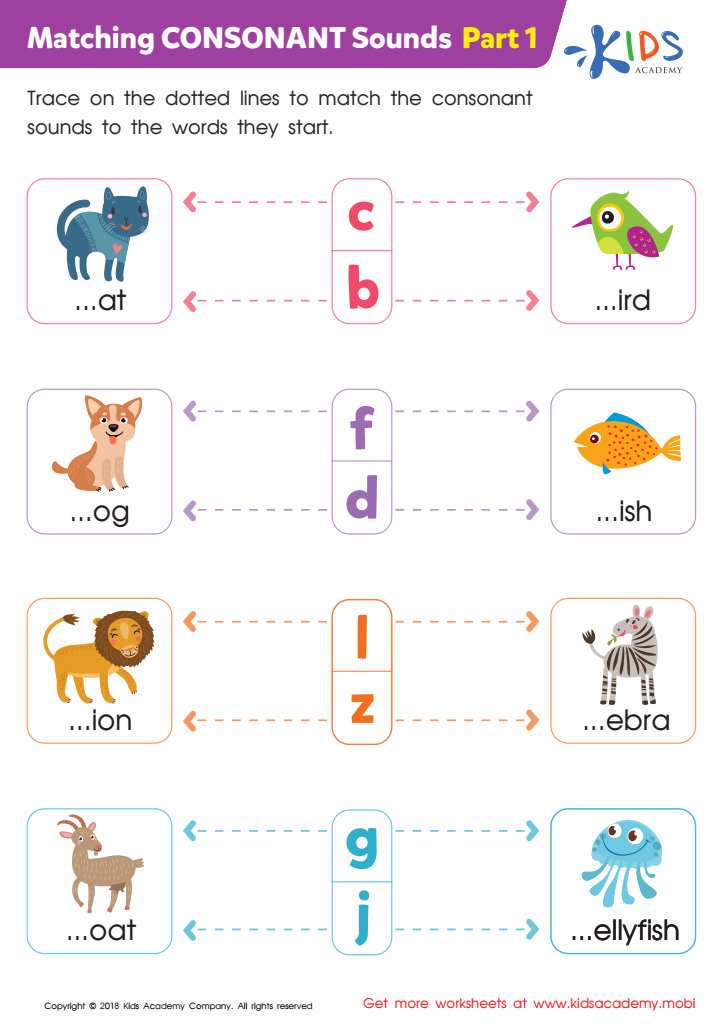
Decide which letter matches each word and picture in this fun phonics worksheet. Slide your finger over each word, trying out each letter to check for matches. Once each pair is solved, trace the dotted lines with pencil to complete the printable. Who knew learning could be so enjoyable?
Matching Consonant Sounds: Part 1 Worksheet
Worksheet
Beginning Sounds Match-up Printable

Match–Up Game: Beginning Sounds Worksheet

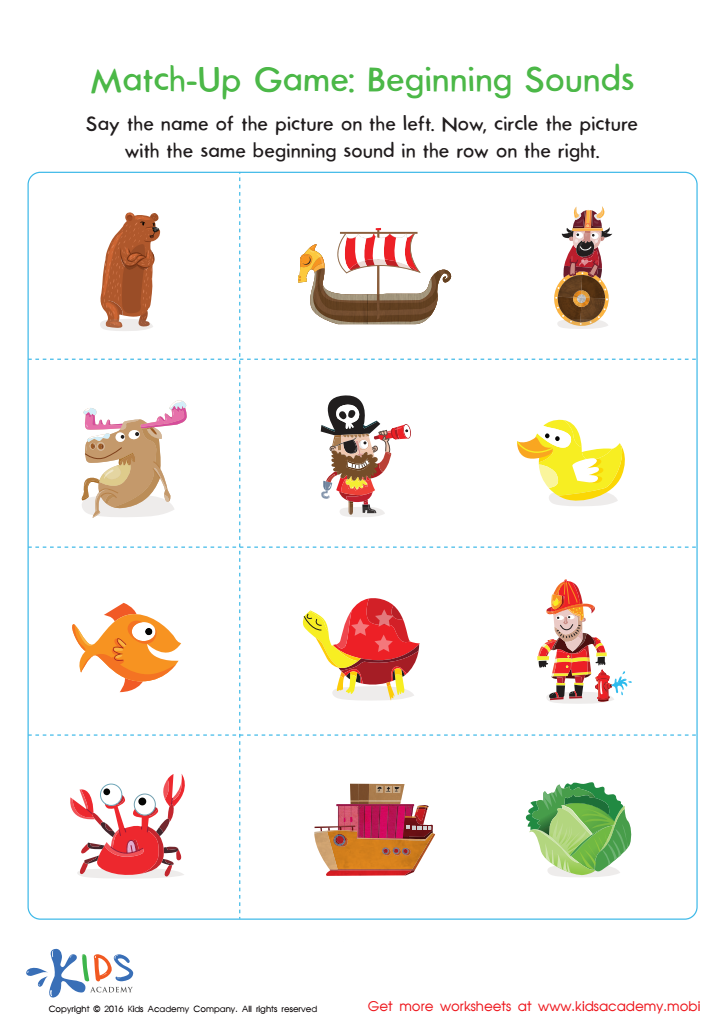
Start today with this beginning sounds match-up printable! Teach your child to solve problems mentally with this beginning sounds match-up printable. They'll learn to categorize pictures based on phonics rules, developing mental stamina and focus. It's an important step for recognizing sounds and letters in print, building a foundation for reading and spelling. Start today and take your child's skills to the next level!
Match–Up Game: Beginning Sounds Worksheet

Worksheet


Letter-sound correlation, commonly known as phonics, is essential for early literacy development in children ages 4-5. Understanding this connection is crucial for parents and teachers as it forms the foundation for reading and writing skills. Mastering letter-sound relationships helps young learners decode words, enabling them to read independently and comprehend texts more effectively.

At this age, children are naturally curious and eager to learn, making it the perfect time to introduce them to the sounds associated with letters. When parents and teachers emphasize letter-sound correlations, they support the development of phonemic awareness, which is the ability to hear, identify, and manipulate sounds in spoken words. This skill not only aids in reading but also enhances spelling and vocabulary acquisition.

Moreover, fostering a strong letter-sound foundation can build children’s confidence and motivation, as they experience success in reading. Engaging activities like songs, games, and storytime can reinforce these skills in a fun, interactive way. Ultimately, when parents and teachers prioritize letter-sound instruction, they empower children to become proficient readers and writers, setting them on a path to lifelong learning and academic success.