Check out this FREE "Reading Skills" Trial Lesson for age 4-5!

High-frequency Words 2

Favorites
With answer key
Interactive
  • 4-5
  • Reading Skills
Letter or Word? Worksheet

Letter or Word? Worksheet

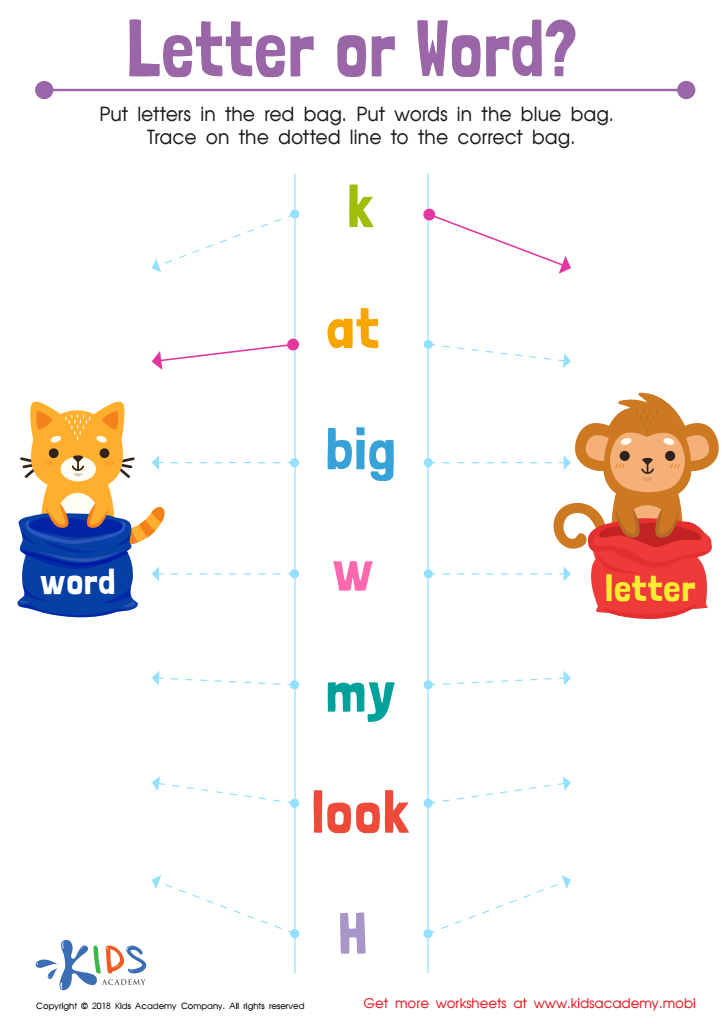
Help your kids differentiate between words and letters. If they can recite their alphabets and identify common words, this tracing sheet will be a breeze. Have them trace on the dotted lines to place the letters in the red bag with the kitten, and the words in the blue bag with the monkey.
Letter or Word? Worksheet
Worksheet
Front of the Book Worksheet

Front of the Book Worksheet

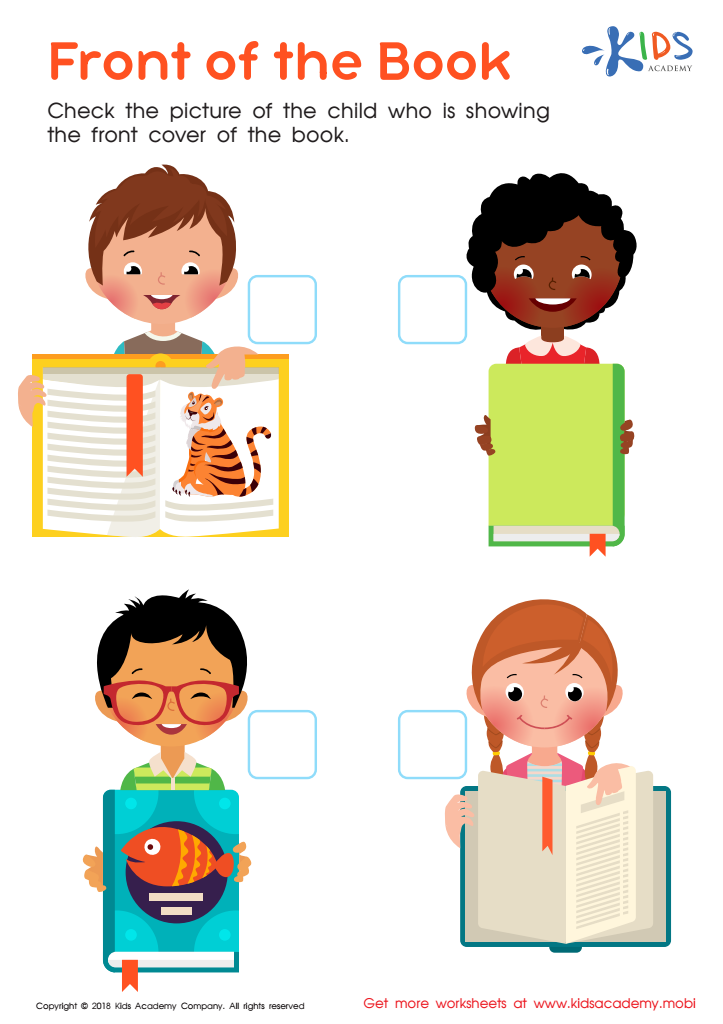
Help your child become a reader with this free worksheet! It's full of fun new friends and is designed to help kids understand concepts about the front of a book. They'll look at each picture and decide which friend is holding the book with the front cover, and check off the correct answer in the given boxes. Get your little one ready to be a reader!
Front of the Book Worksheet
Worksheet
Sight Words Worksheet: The

Sight Words: The Worksheet

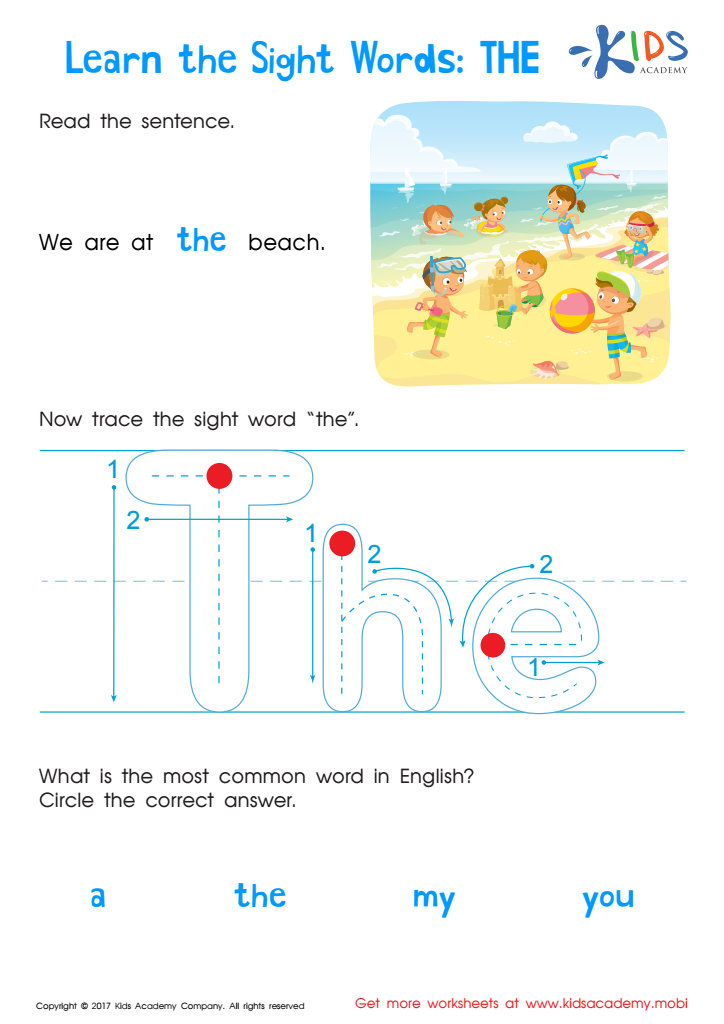
Get the worksheet and start now. The word "the" is an essential part of English. Teaching your child to read and write it is easy with this sight words worksheet. They'll practice reading the word, tracing it, and using it in sentences. It's the perfect way to take your child's language skills to the next level! Get the worksheet today.
Sight Words: The Worksheet
Worksheet
Pre reading worksheet guess my name

Pre Reading Worksheet Guess My Name

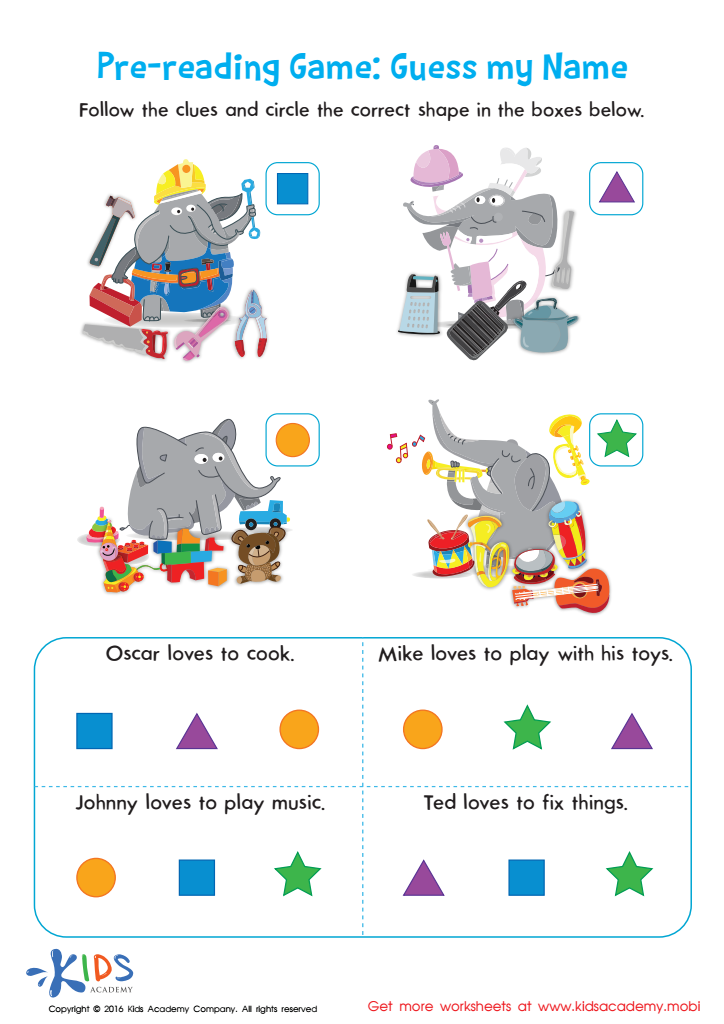
Guess My Name is a fun way to practice inference skills. Guess My Name is a fun pre-reading game to help your child practice drawing inferences from clues. With colorful illustrations, they'll use clues to match each elephant with its sentence and sharpen their inference skills.
Pre Reading Worksheet Guess My Name
Worksheet


Reading skills are crucial for children ages 4-5 because they lay the foundation for future learning and development. At this age, children are particularly receptive to absorbing new information, and developing strong reading skills sets the stage for success in school and beyond. Early reading experiences help children understand the basics of language, such as vocabulary, sentence structure, and phonemic awareness, which are essential components of communication.

Reading to young children fosters a love for books and can make them more eager to learn as they grow. It enhances their cognitive abilities by improving memory, concentration, and critical thinking skills. Additionally, reading promotes emotional bonding; when parents or teachers read with children, it creates an opportunity for stronger relationships and encourages positive social interactions.

Early exposure to reading also encourages children to imagine and explore the world around them, boosting creativity and curiosity. By weaving storytelling and reading time into daily routines, children are more likely to become independent, confident readers in the future. Prioritizing reading skills at this critical age not only supports academic success but also enriches children's lives, equipping them with tools for lifelong learning and problem-solving.