Sequence Understanding Worksheets for Ages 4-5
6 filtered results
-
From - To
Enhance your child's cognitive development with our Sequence Understanding Worksheets designed specifically for ages 4-5! These engaging resources promote critical thinking and logical reasoning as children practice putting images and events in the correct order. Our worksheets features vibrant illustrations and fun scenarios, captivating young learners and ensuring they enjoy the learning process. Perfect for home or classroom activities, these worksheets help build essential sequencing skills vital for reading comprehension, storytelling, and everyday problem-solving. Download today and watch your little ones flourish as they gain confidence in their ability to understand sequences, paving the way for successful learning experiences!
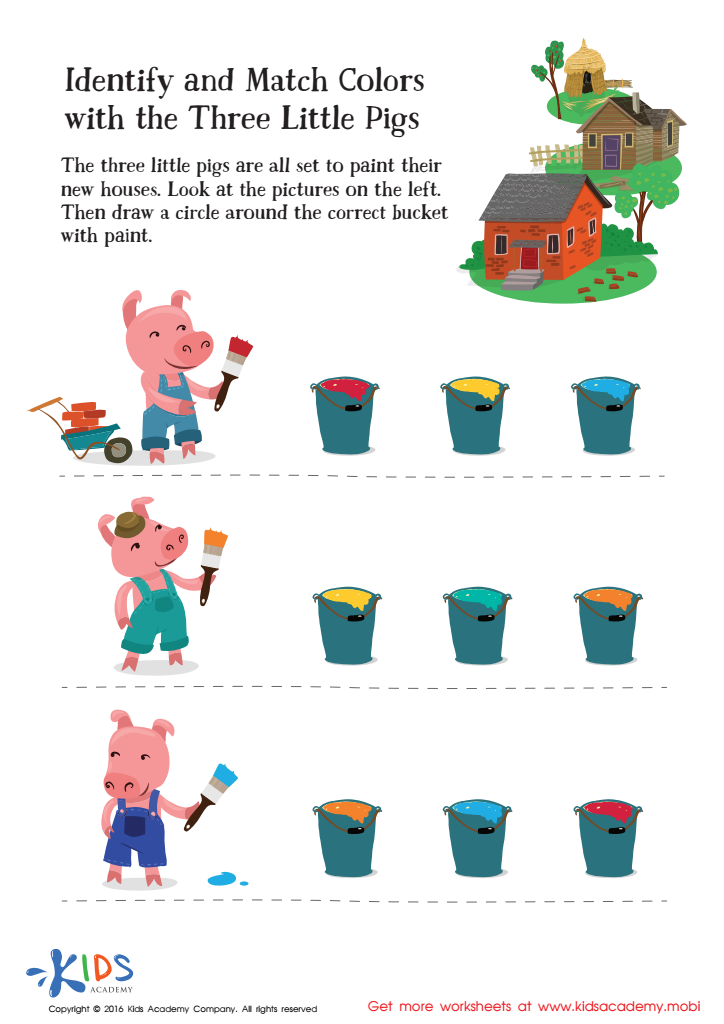
Fairy Tale Worksheet: Identify and Match Colors with Three Little Pigs
 Assign to My Students
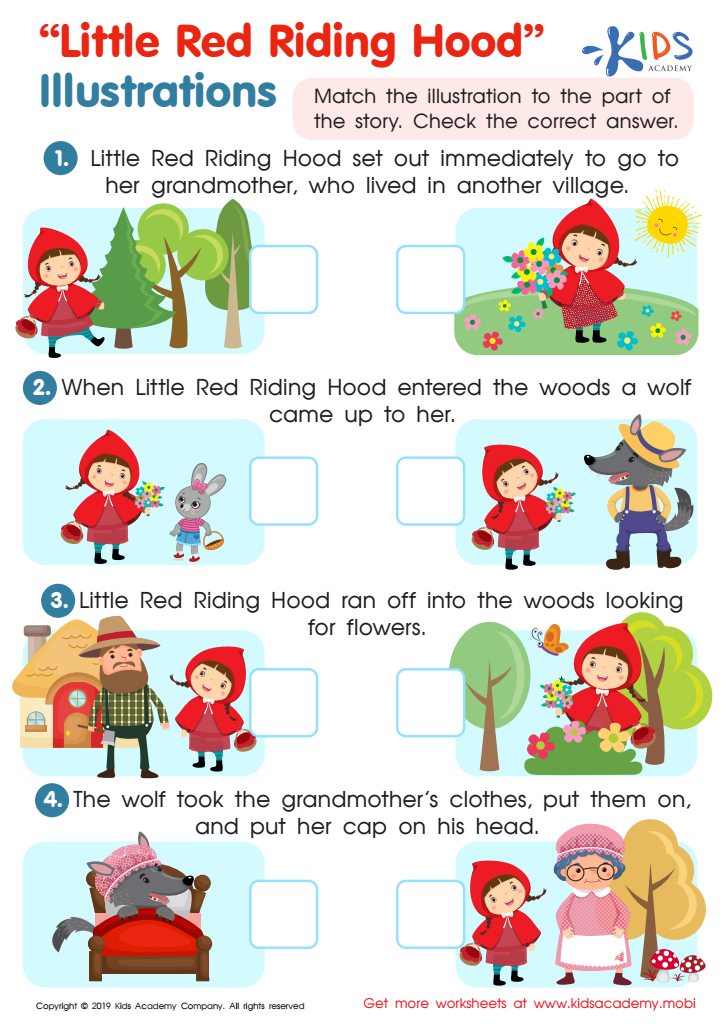
Little Red Riding Hood: Illustrations Worksheet
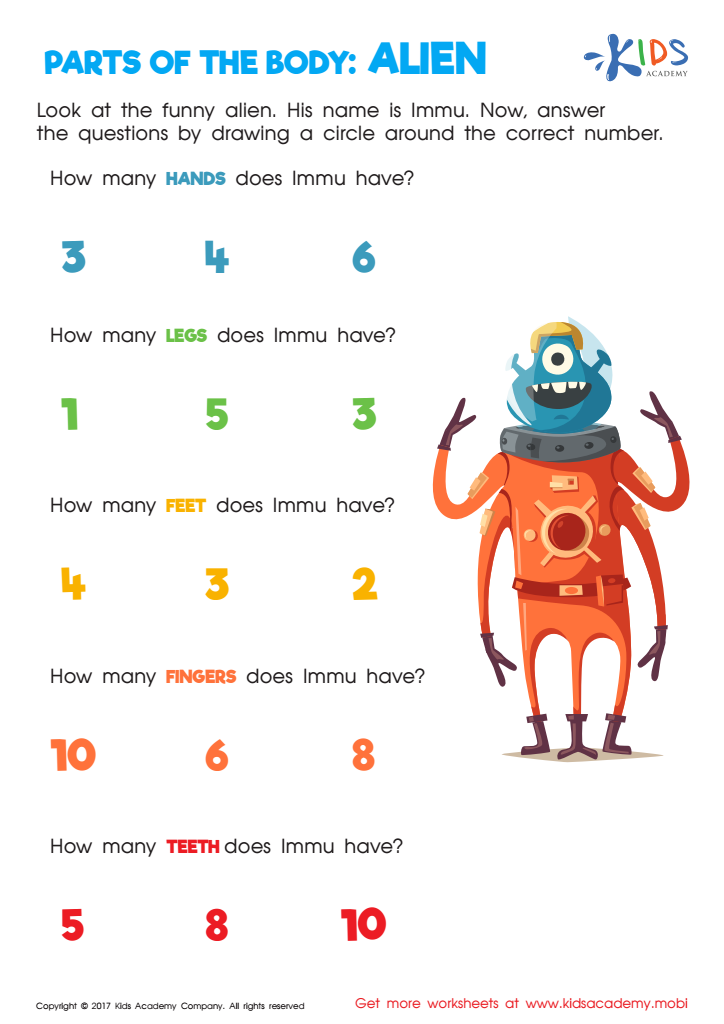
Alien Worksheet
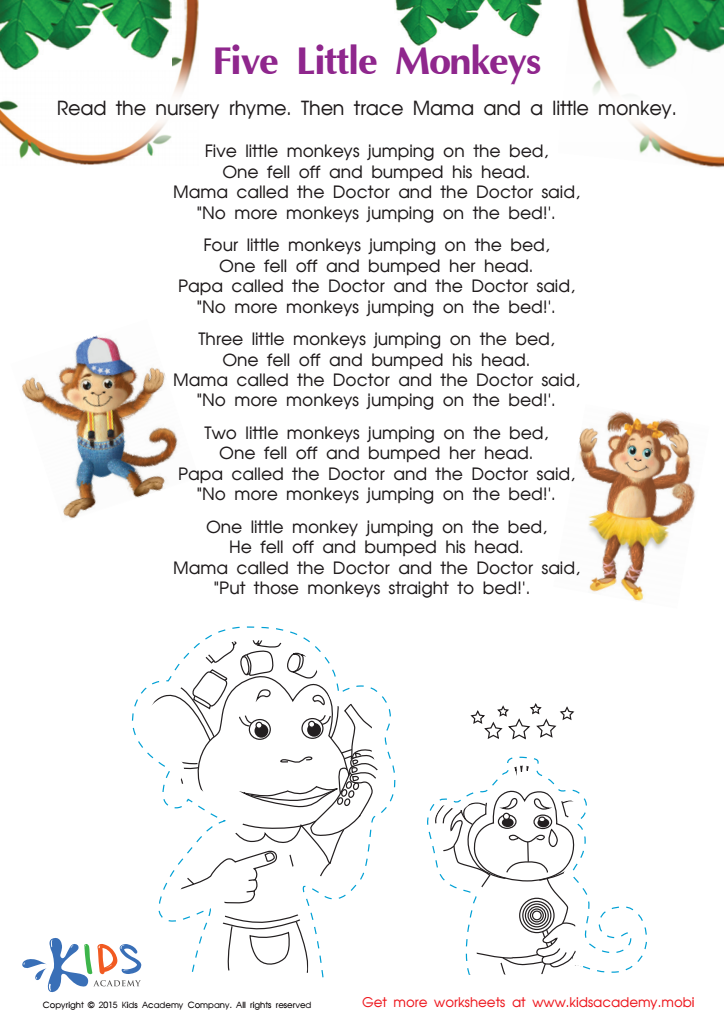
The Five Little Monkeys Nursery Rhyme Worksheet
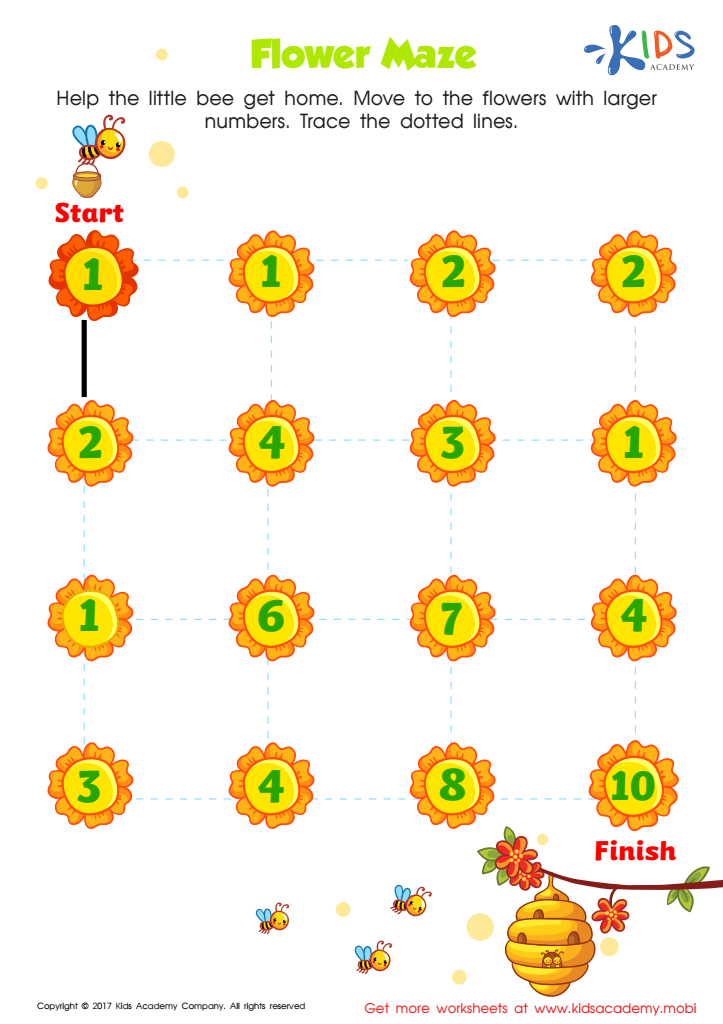
Number Maze For Kindergarten Printable
The Three Little Pigs Worksheet







.jpg)
Sequence understanding is a fundamental cognitive skill that is crucial for early childhood development, particularly for children aged 4-5. At this age, children begin to form the building blocks of logical reasoning, critical thinking, and comprehension. When parents and teachers emphasize sequence understanding, they equip children with the ability to recognize the order of events, which aids in narrative skills and enhances their ability to follow directions.
Understanding sequences helps children develop important life skills, such as problem-solving and planning. For instance, being able to list steps involved in simple tasks like brushing teeth not only fosters independence but also promotes executive functioning. Additionally, sequences underpin essential mathematical concepts, such as patterns and operations, connecting to later skills in mathematics.
Moreover, sequence understanding has notable implications for literacy; it helps children comprehend stories by allowing them to make predictions and relate cause and effect. Engaging in sequencing activities—such as storytelling, order-based games, or simple science experiments—encourages creativity and collaboration in children, fostering social skills.
By prioritizing sequence understanding, parents and teachers lay a strong educational foundation that prepares young children for academic success while promoting their emotional and social development.








