Understanding multiplication Worksheets for Ages 4-5
5 filtered results
-
From - To
Discover the world of multiplication with our engaging worksheets designed specifically for ages 4-5. These activities introduce basic multiplication concepts through fun visuals and interactive exercises, making learning enjoyable and effective. Our worksheets focus on foundational skills, helping young learners grasp the idea of grouping and repeated addition in a playful manner. With colorful illustrations and simple instructions, children will enhance their understanding of numbers while developing essential problem-solving skills. Perfect for at-home practice or classroom use, our multiplication worksheets foster early math confidence and prepare kids for future learning adventures. Start exploring multiplication today and watch your child's skills grow!
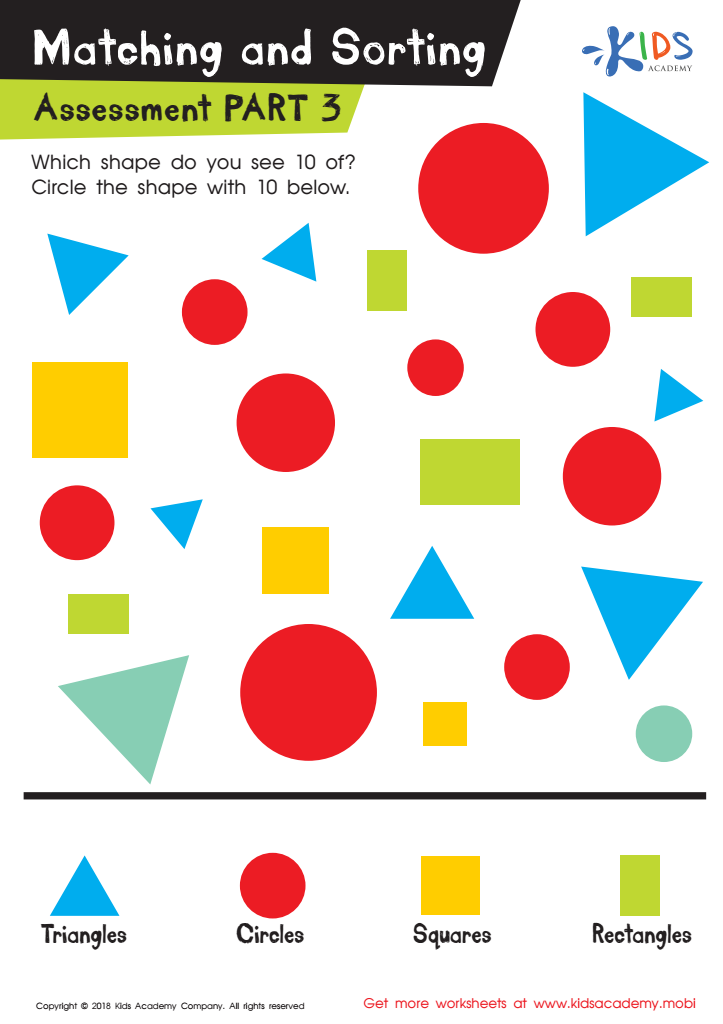
Matching and Sorting for Kindergarten: Assessment 3 Worksheet
 Assign to My Students
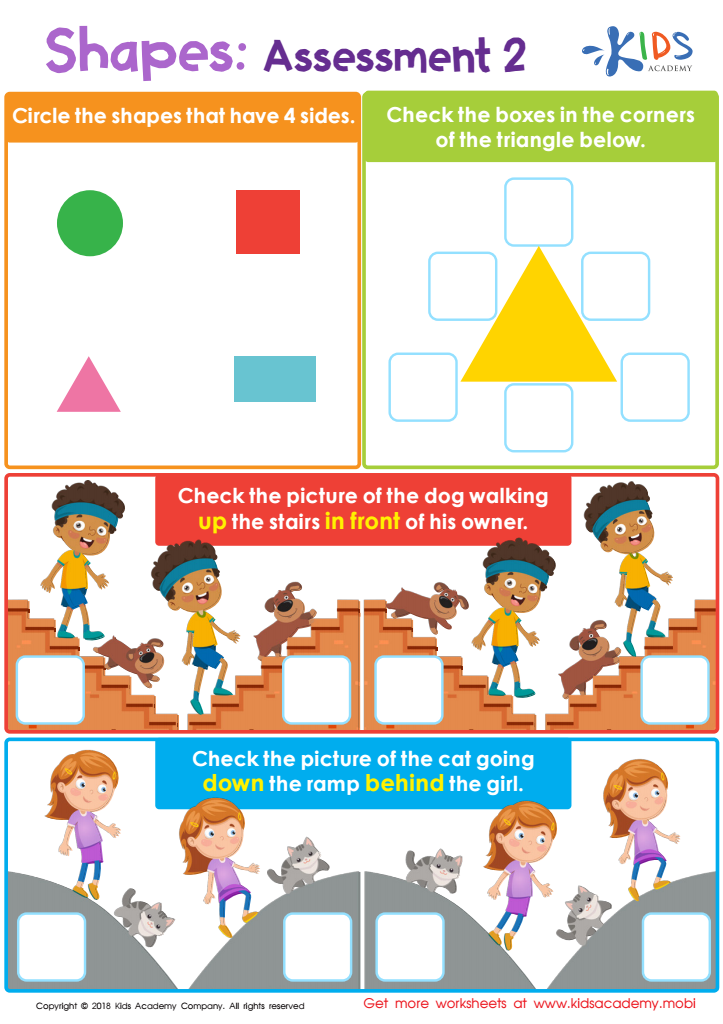
Shapes: Assessment 2 Worksheet

Enrichment: Firefighter Ladders Worksheet
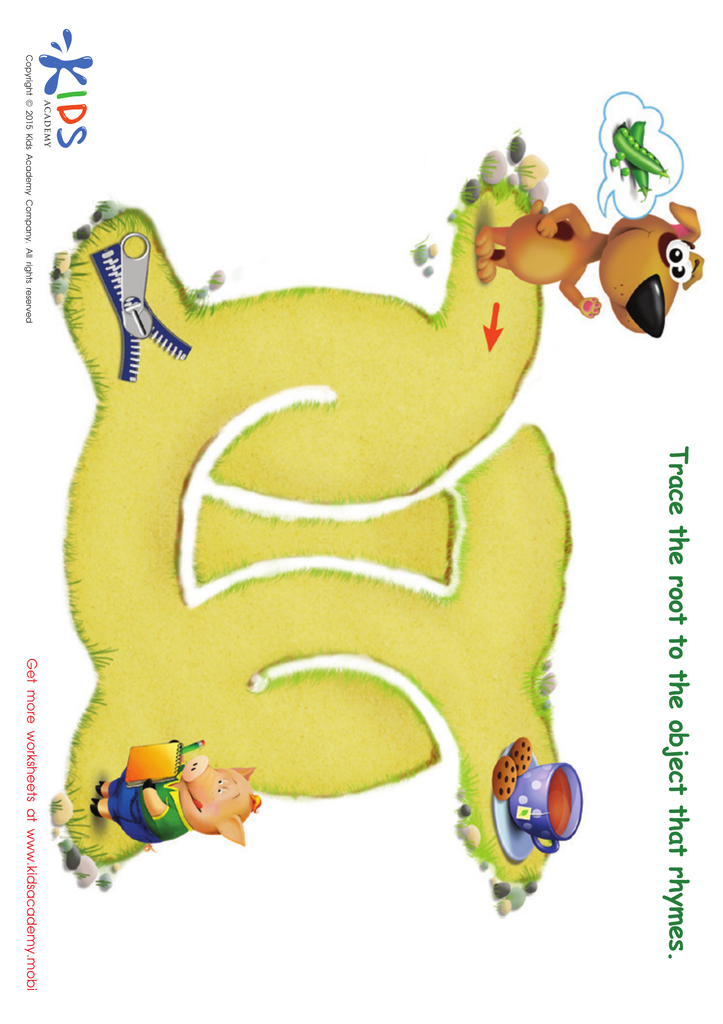
Pea Rhyming Words Worksheet






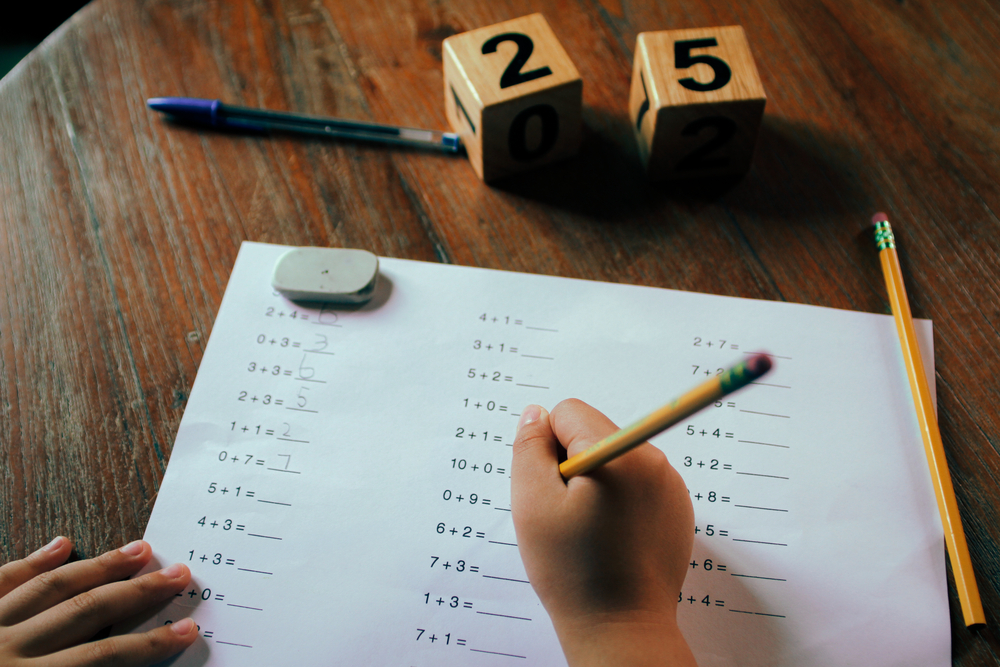
Understanding multiplication at ages 4-5 lays the foundation for a child's math journey, promoting essential cognitive skills and logical thinking. While formal multiplication may not be introduced until later, grasping the concepts of grouping and repeated addition fosters early numerical reasoning. Children begin to recognize patterns and relationships between numbers, which are critical for later arithmetic and problem-solving.
By introducing basic multiplication concepts through engaging activities, such as counting objects in groups or using visual aids like arrays, parents and teachers cultivate a positive attitude towards math. These activities enhance fine motor skills and improve focus, encouraging children to practice critical thinking and perseverance.
Moreover, exploring multiplication early promotes better retention and understanding as children progress in their education. It enables them to tackle more complex math concepts with confidence, reinforcing their self-esteem in learning.
Guardians and educators play a vital role in motivating children and making these early experiences enjoyable. Together, they can create meaningful interactions that illustrate the practical uses of multiplication in daily life—turning abstract concepts into relatable and exciting challenges—setting children up for academic success while nurturing a lifelong love for learning.








