Understanding Quantities Worksheets for Ages 4-5
49 filtered results
-
From - To
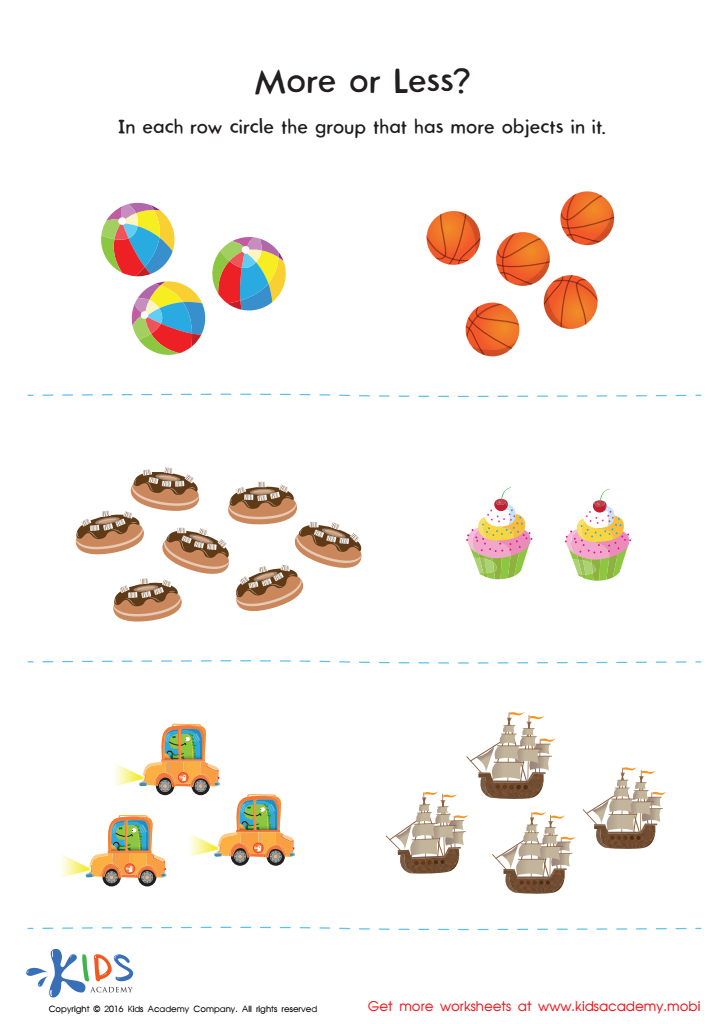
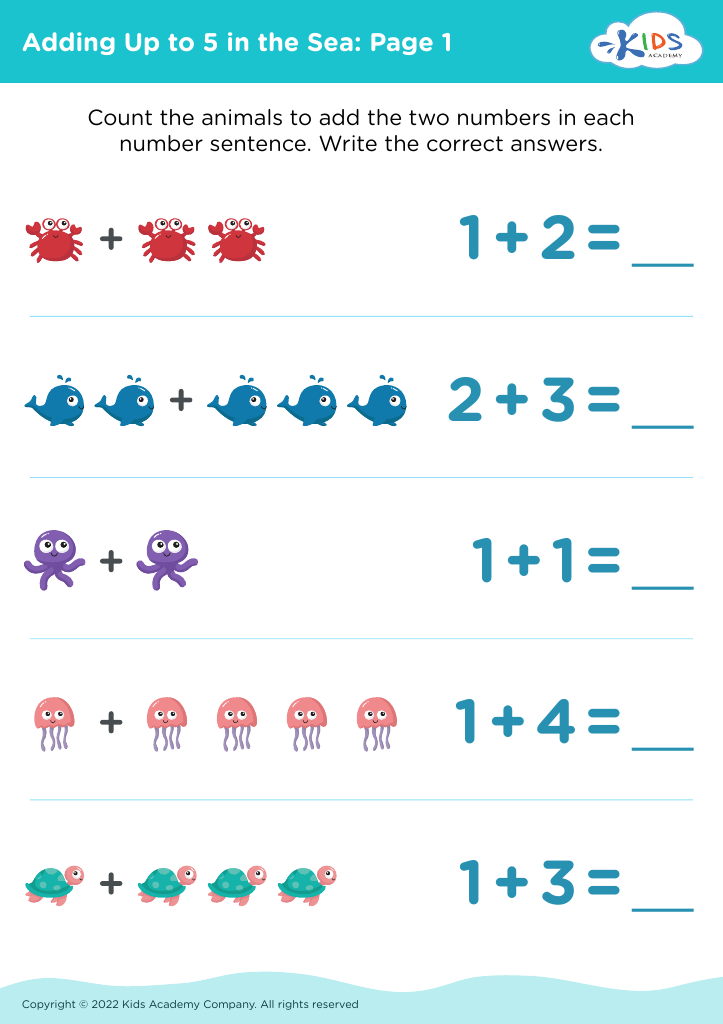
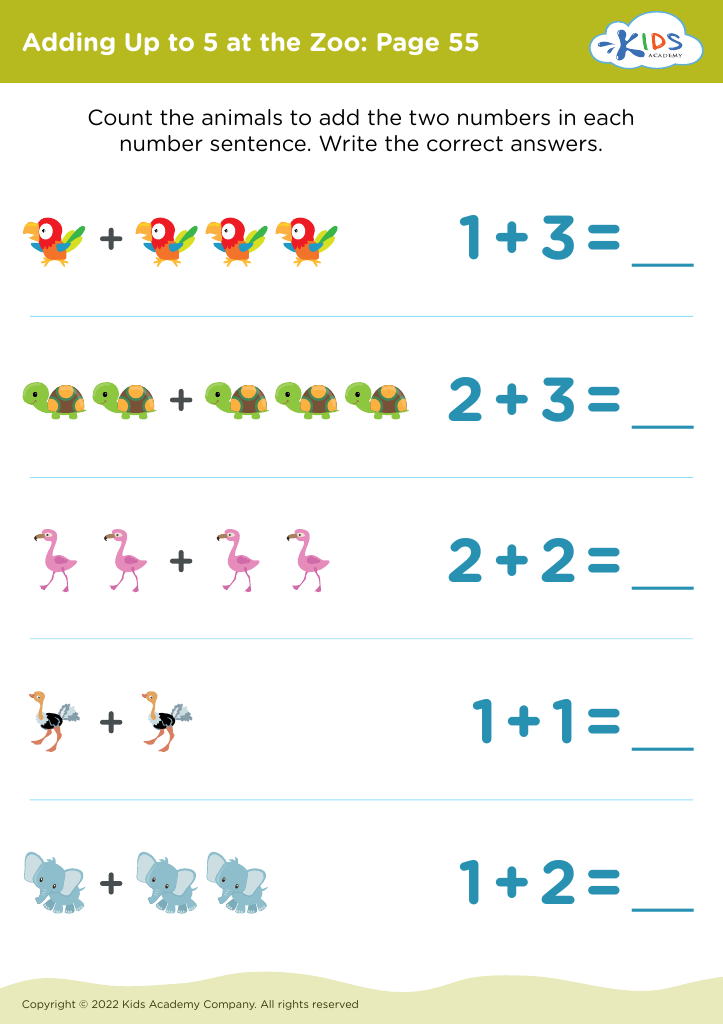
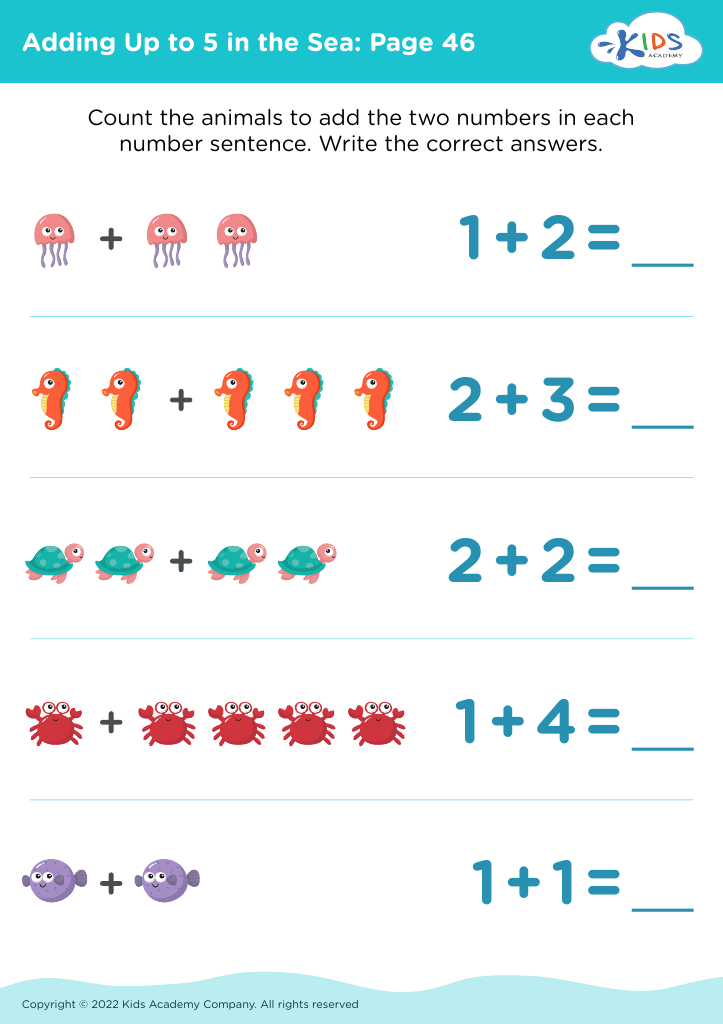
Unlock the world of numbers with our "Understanding Quantities Worksheets" designed specifically for children ages 4-5! These engaging worksheets help young learners grasp the concept of quantities through fun and interactive activities. Your child will enjoy identifying, comparing, and counting various groups of objects, fostering essential math skills and number recognition. Developed by educational experts, our worksheets are easy to print and incorporate into daily learning. Perfect for preschoolers at home or in the classroom, the activities promote critical thinking and problem-solving while building a strong mathematical foundation. Start your child's learning journey today with these captivating resources!
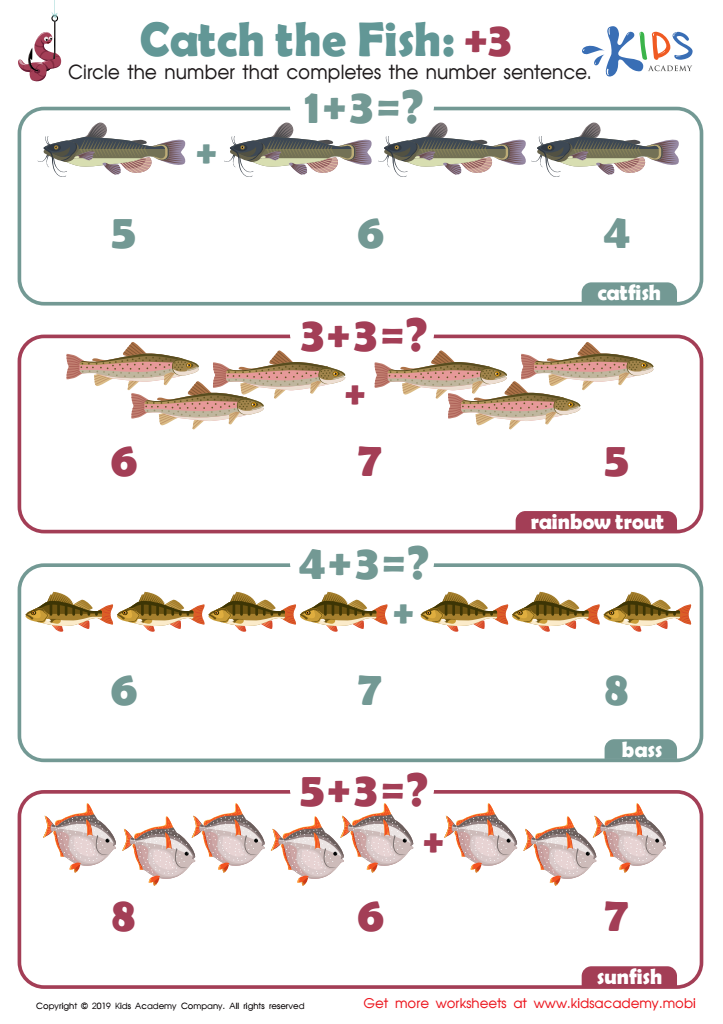
Catch the Fish: +3 Worksheet
 Assign to My Students
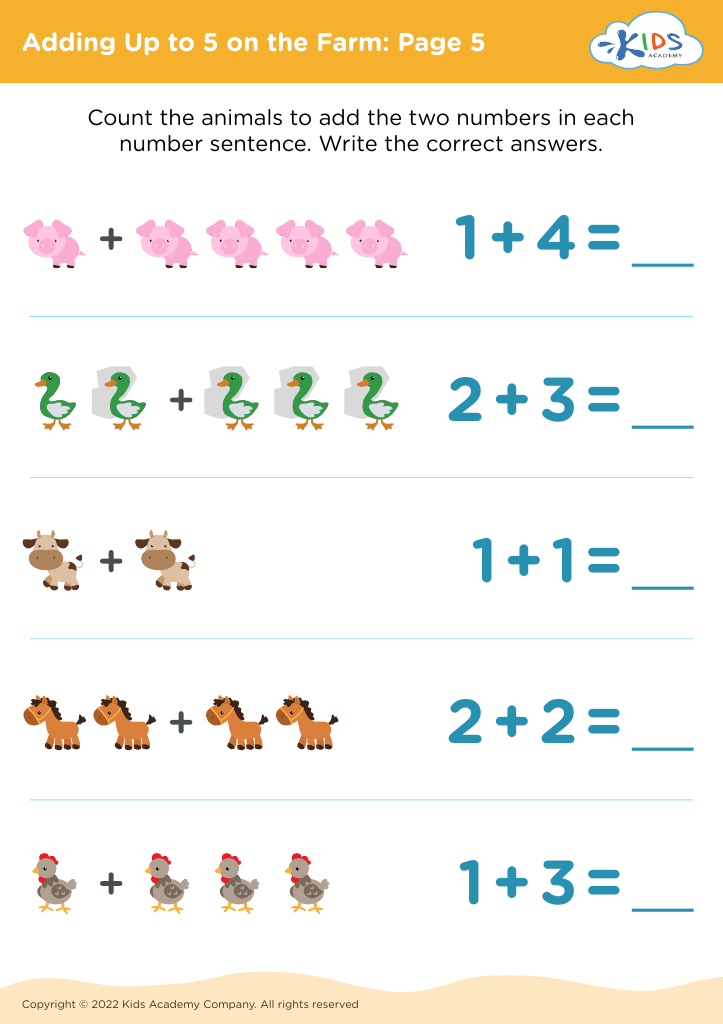
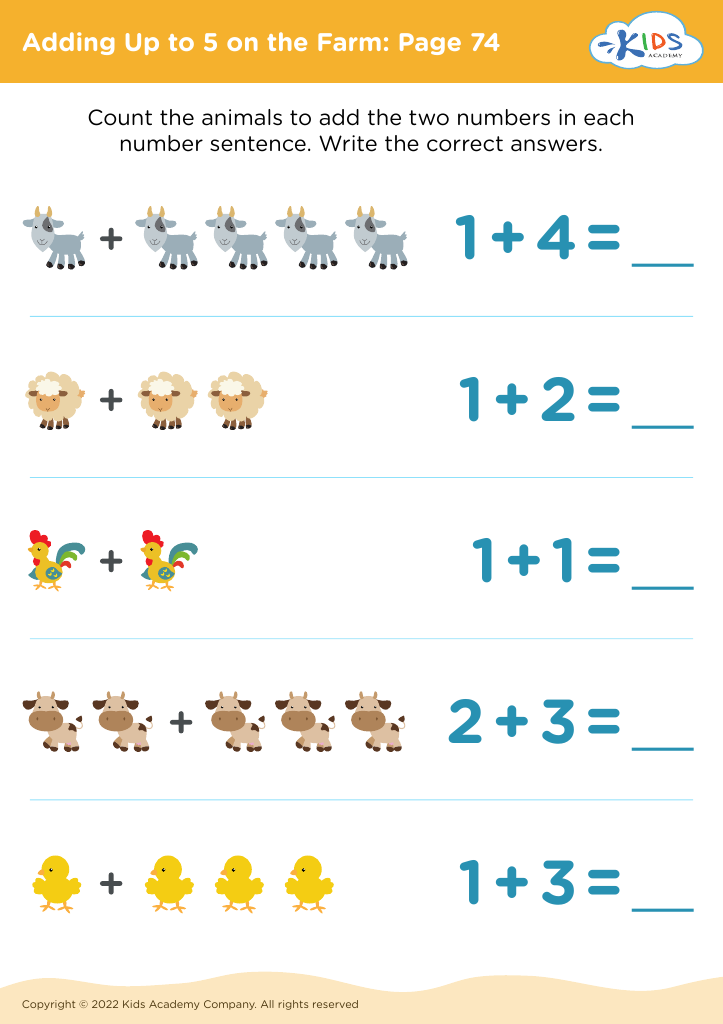
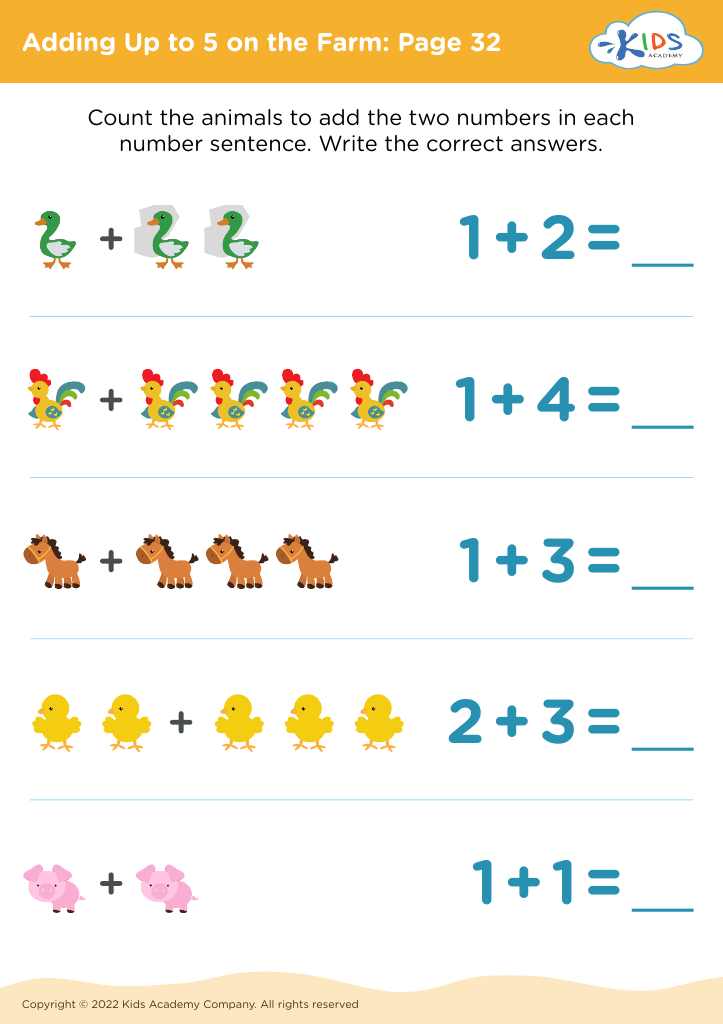
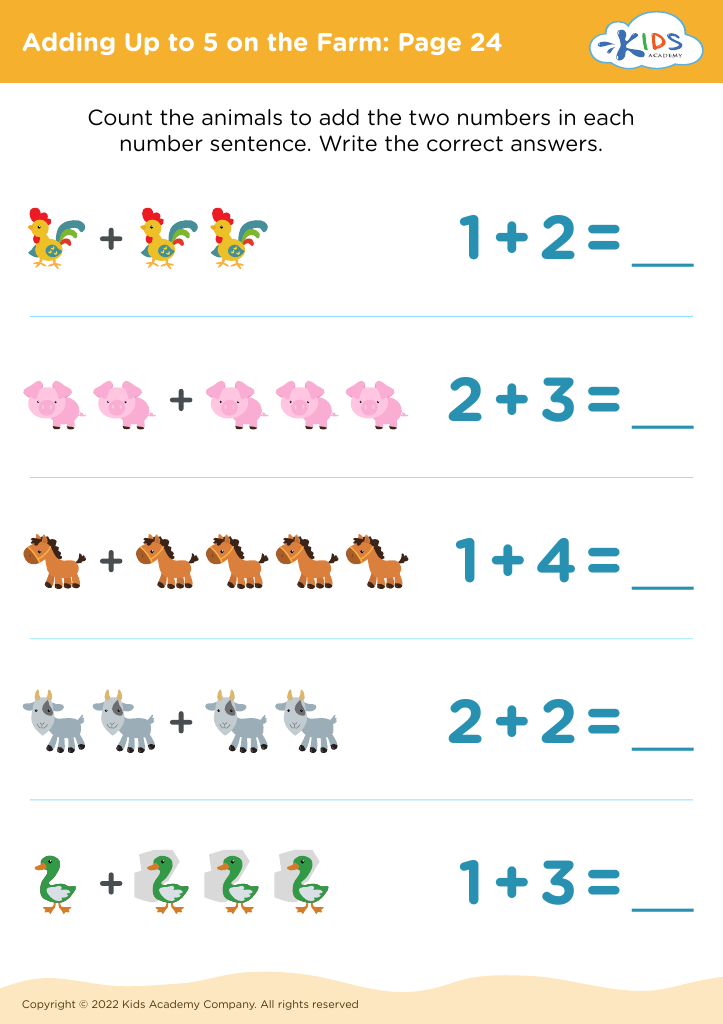
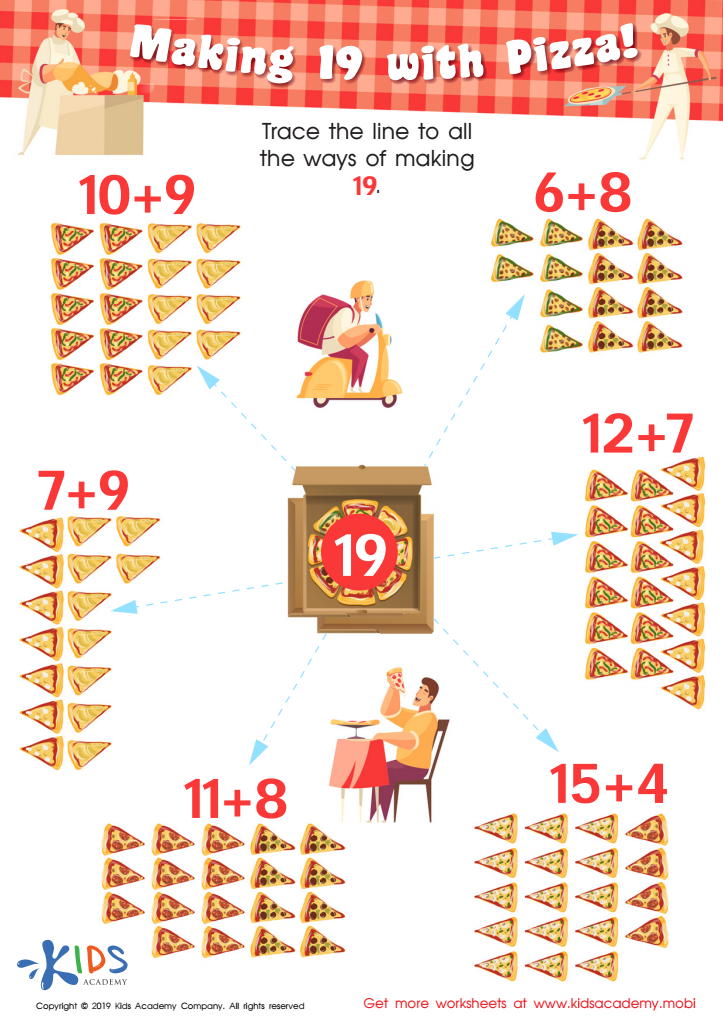
Making 19 with Pizza! Worksheet
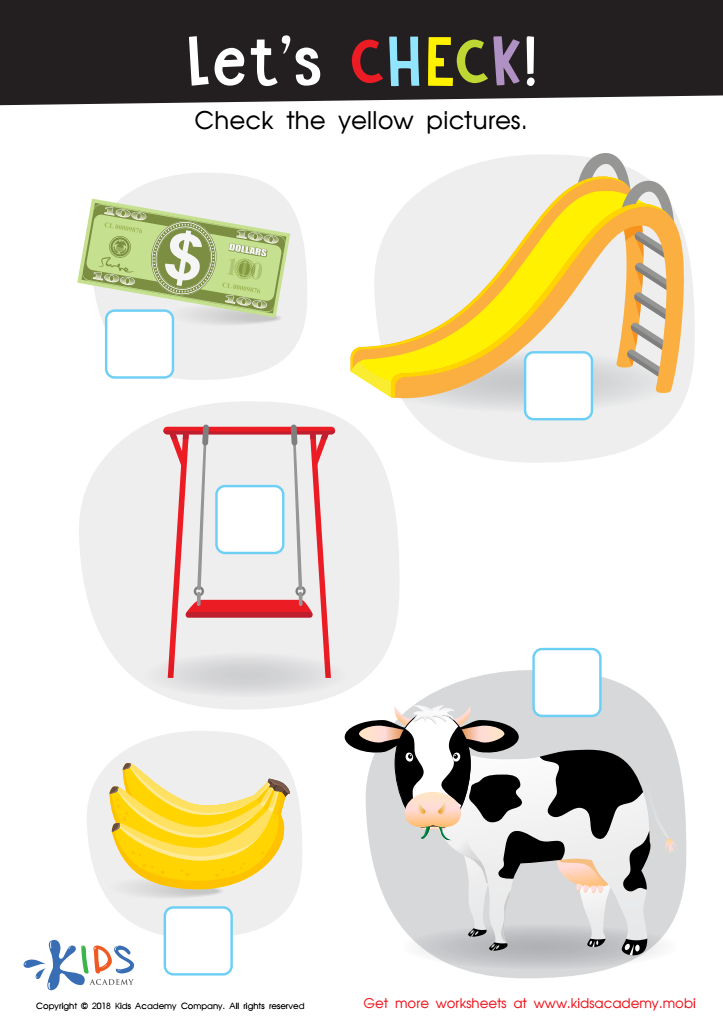
Let's Check! Worksheet
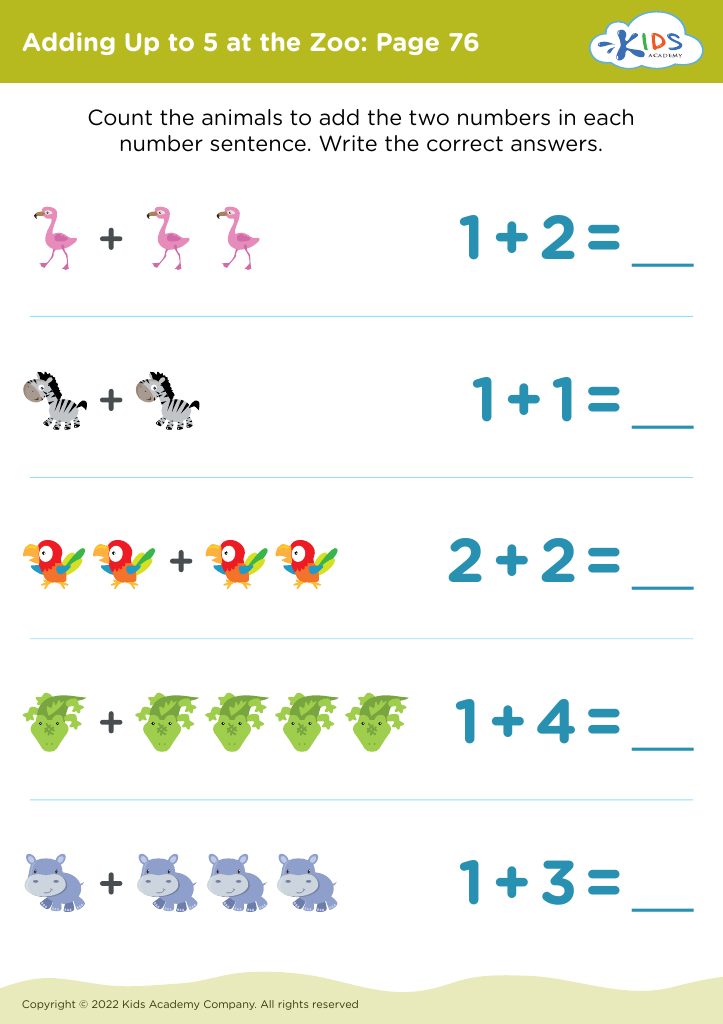
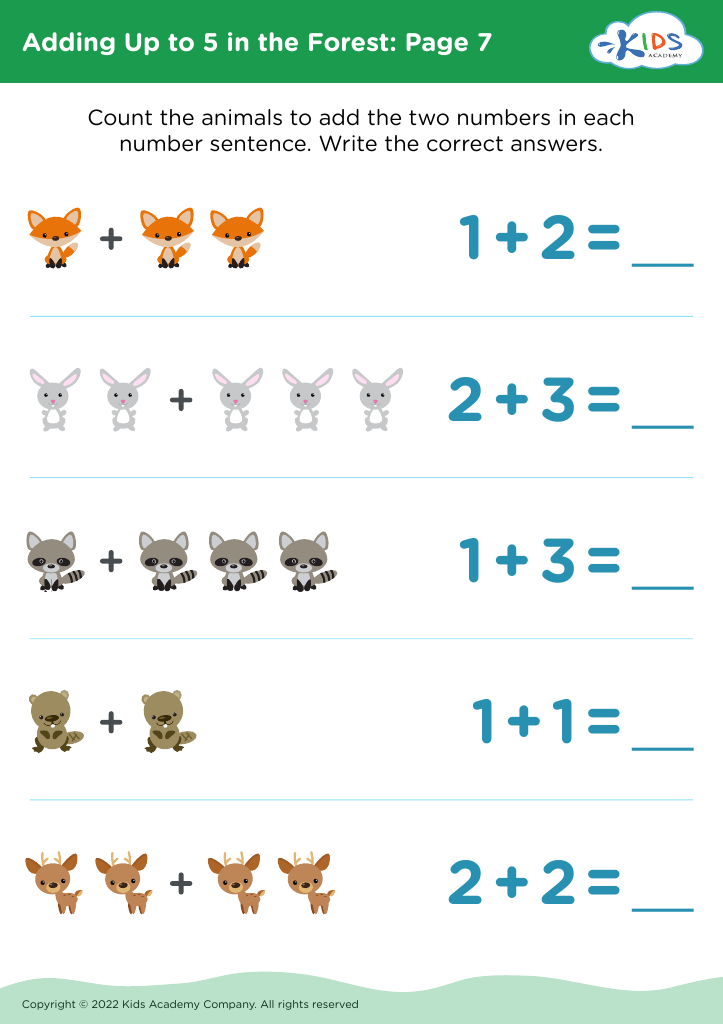
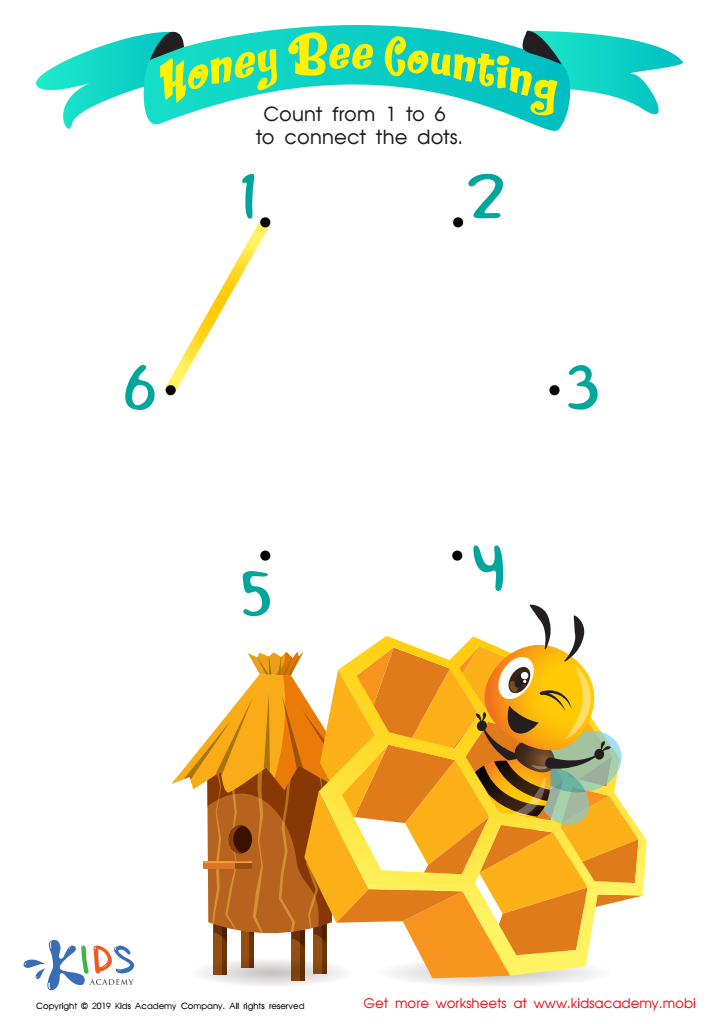
Honey Bee Counting Worksheet
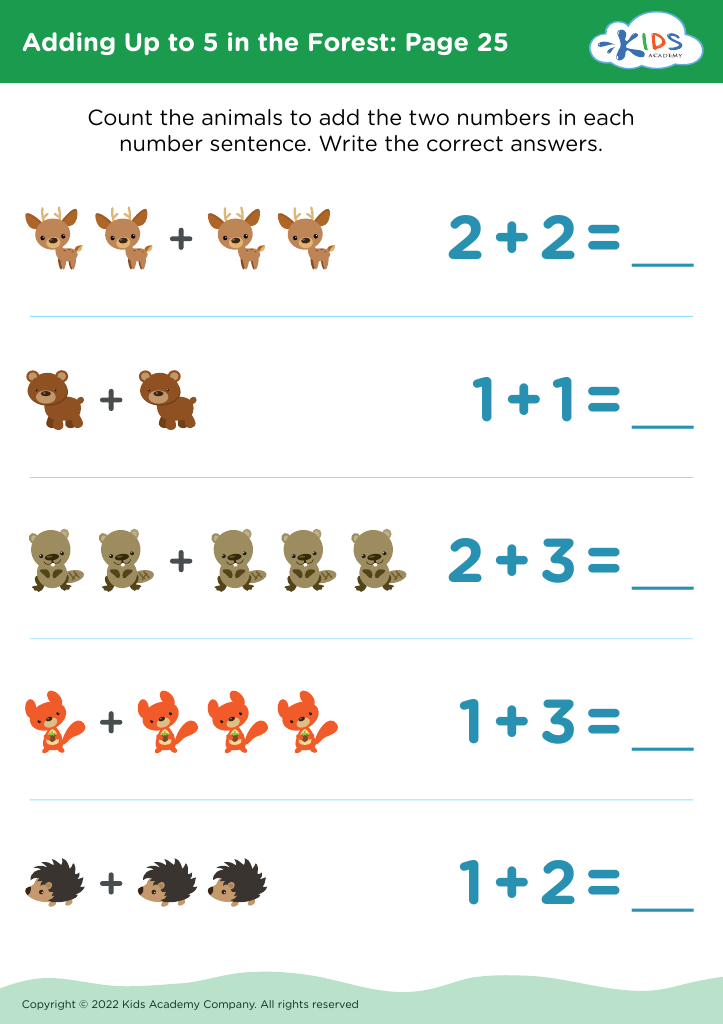








Understanding quantities is a foundational mathematical concept that is crucial for the cognitive development of children aged 4-5. During this stage, children begin to grasp the idea of counting, comparing quantities, and recognizing the significance of numbers in everyday life. Parents and teachers should prioritize this understanding, as it lays the groundwork for future mathematical skills, such as addition, subtraction, and problem-solving.
By nurturing a solid comprehension of quantities, adults can help children develop critical thinking skills, enhance their spatial awareness, and improve their logical reasoning. Engaging activities like counting objects, sorting, and comparing sizes encourage children to explore numbers in a tangible way, making learning enjoyable and effective. Moreover, understanding quantities fosters confidence and a positive attitude towards math, areas where many students struggle later in school.
Furthermore, this comprehension extends beyond math; it is a vital life skill used in cooking, shopping, and daily decision-making. When parents and teachers emphasize the importance of understanding quantities, they help children build a strong mathematical foundation, promoting both academic success and a lifelong love of learning. Investing in these early experiences ensures that children are equipped not only for school but for real-world applications as well.








