Check out this FREE "Visual Learning" Trial Lesson for age 4-5!

T

Favorites
With answer key
Interactive
  • 4-5
  • Visual Learning
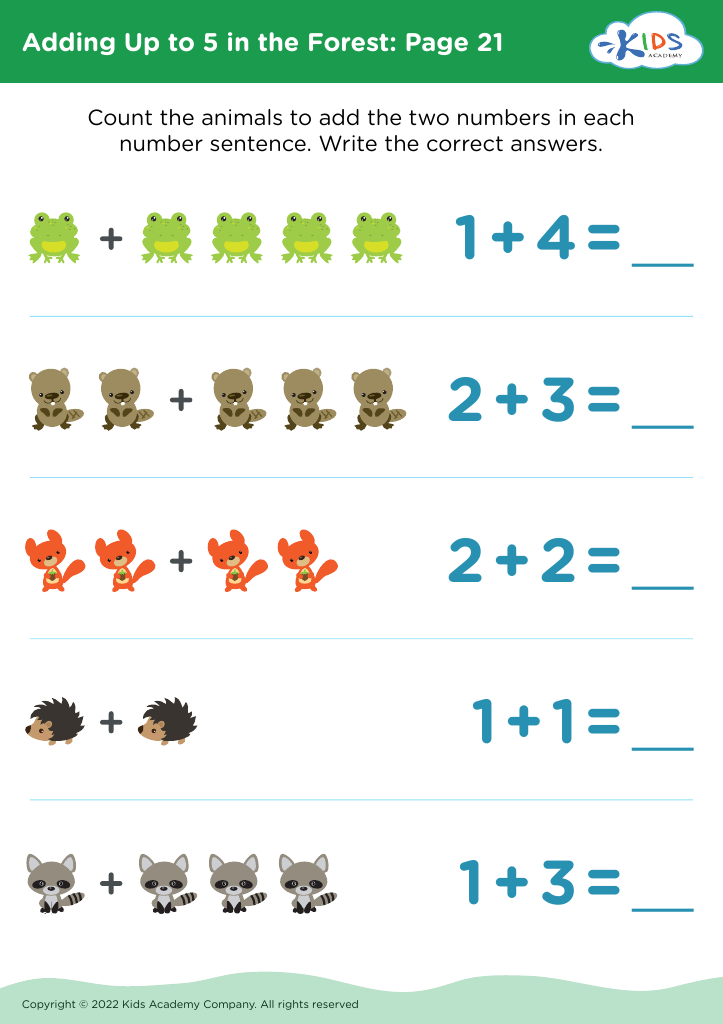
Adding Up to 5 in the Forest: Page 21
Worksheet
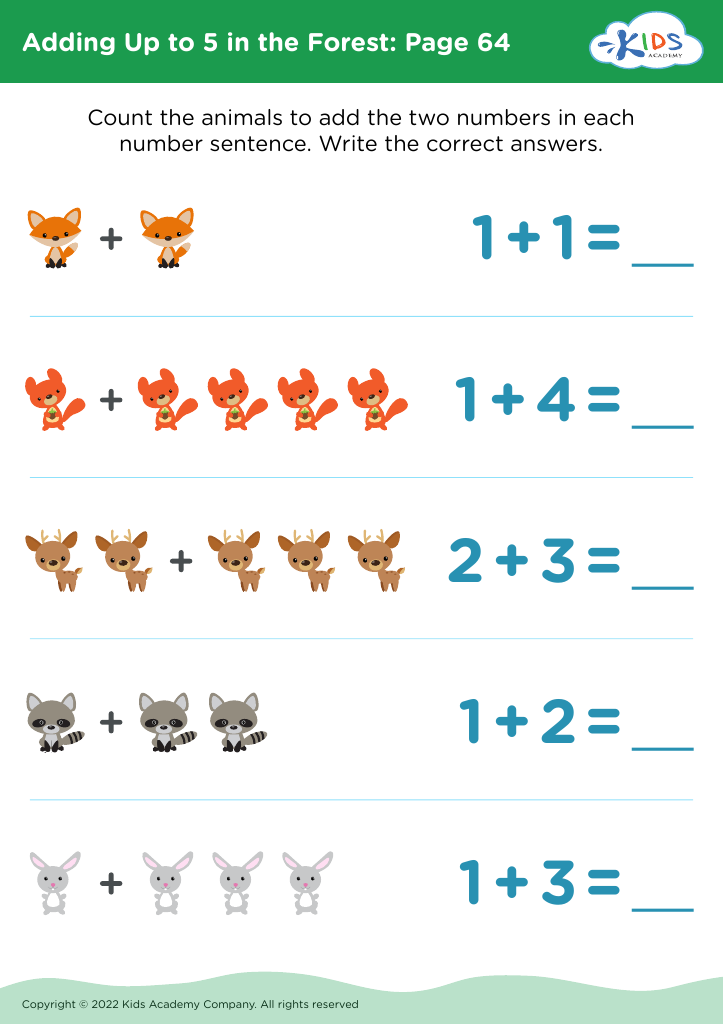
Adding Up to 5 in the Forest: Page 64
Worksheet
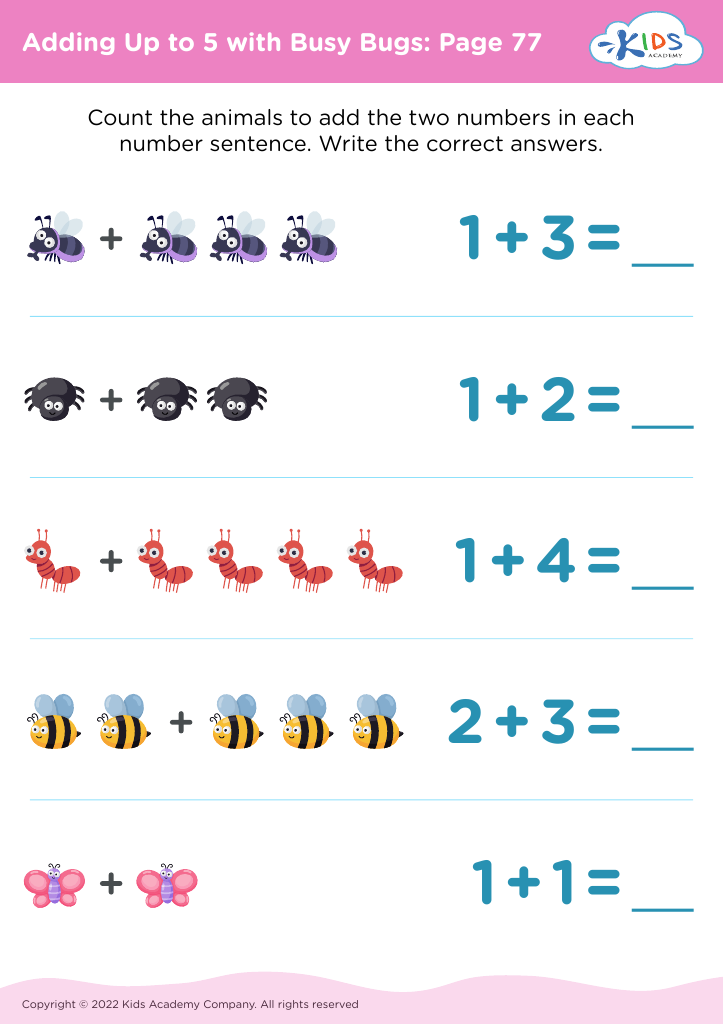
Adding Up to 5 with Busy Bugs: Page 77
Worksheet
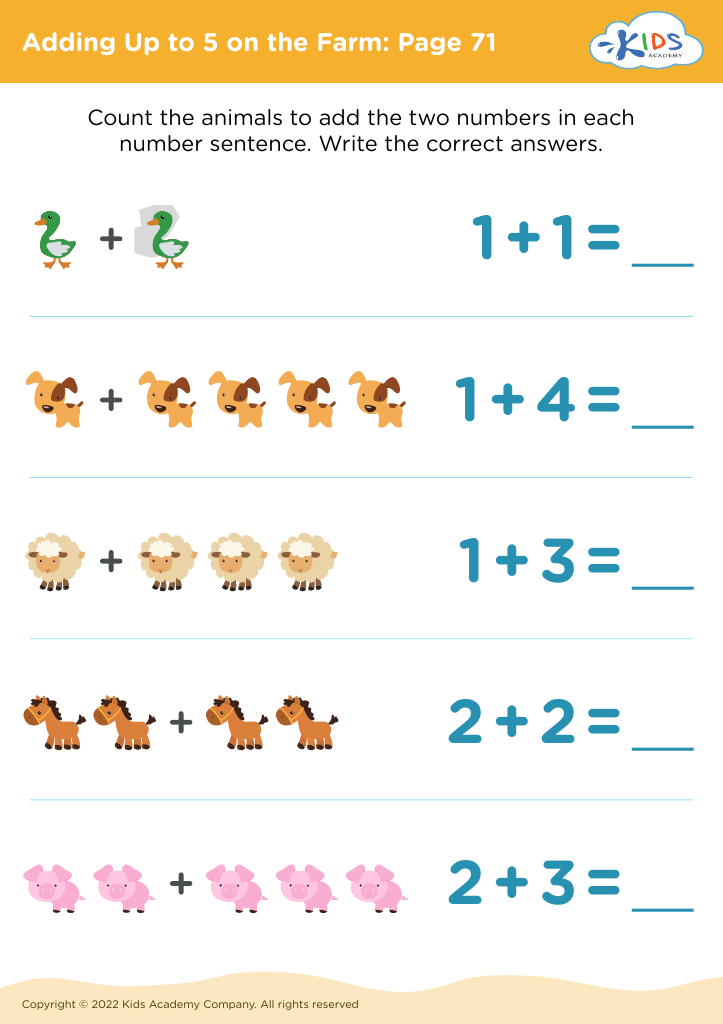
Adding Up to 5 on the Farm: Page 71
Worksheet
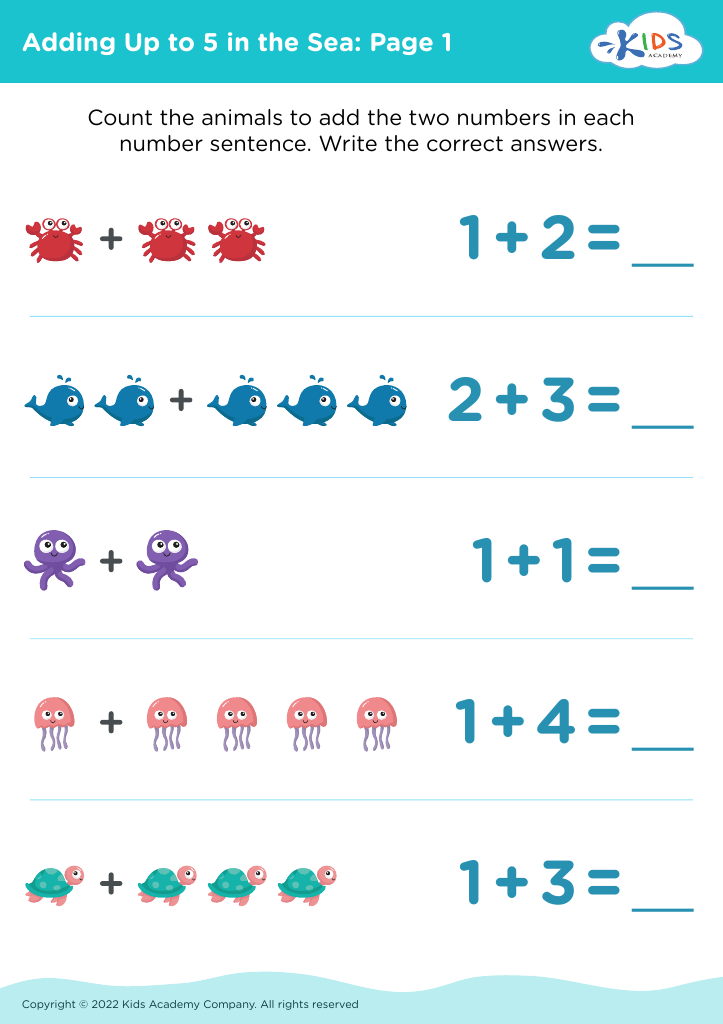
Adding Up to 5 in the Sea: Page 1

Adding Up to 5 in the Sea: Page 1

Adding Up to 5 in the Sea: Page 1
Worksheet
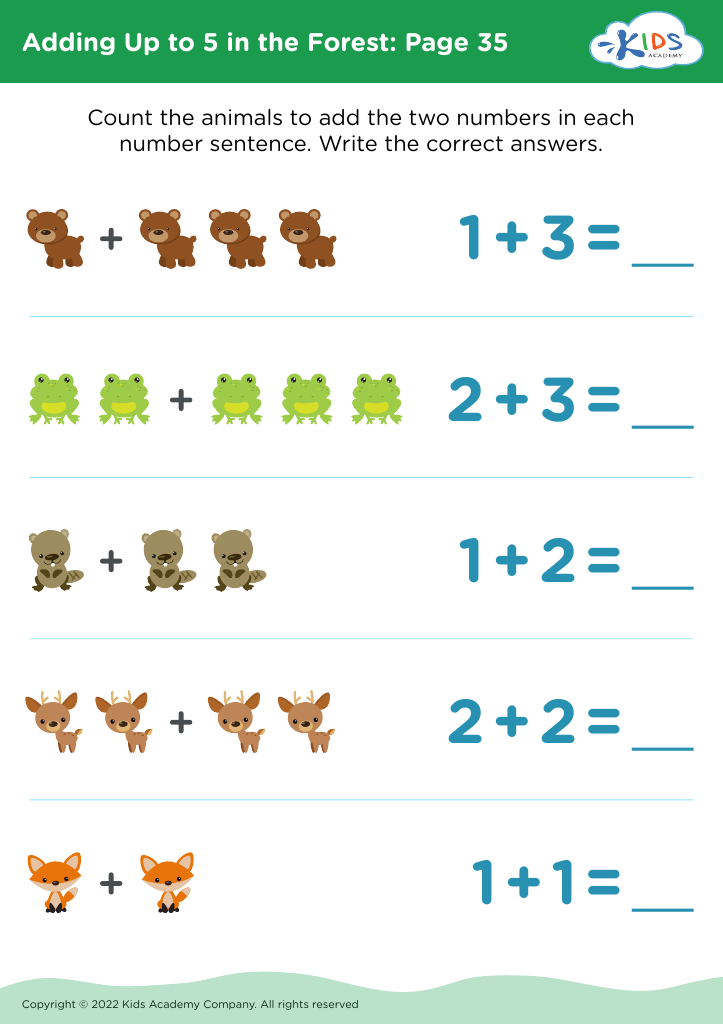
Adding Up to 5 in the Forest: Page 35
Worksheet
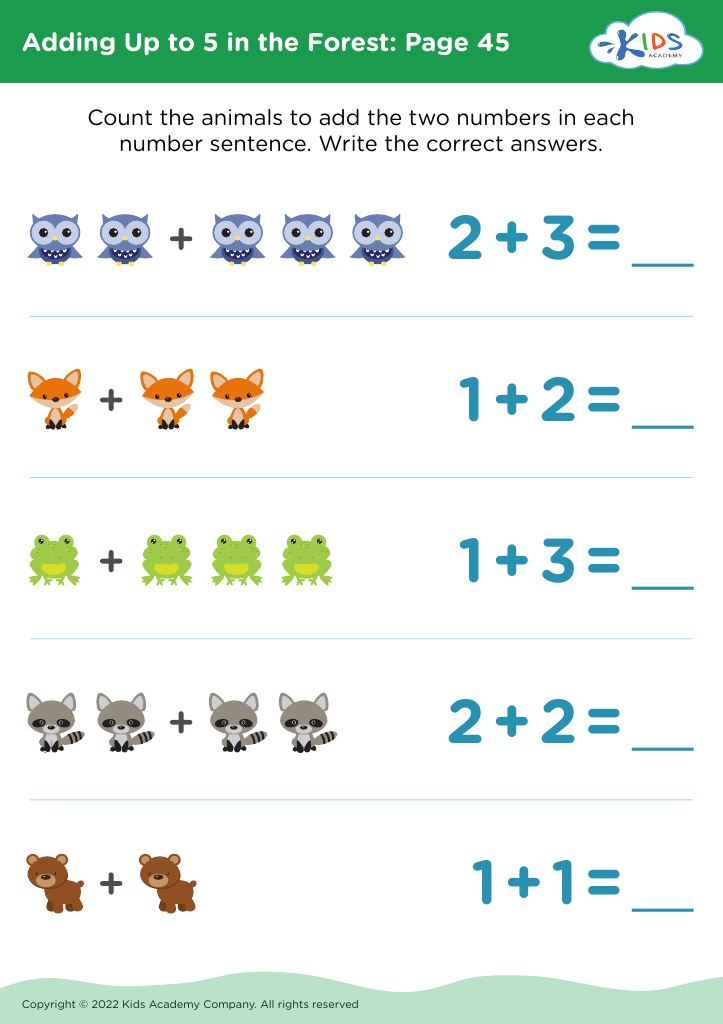
Adding Up to 5 in the Forest: Page 45
Worksheet
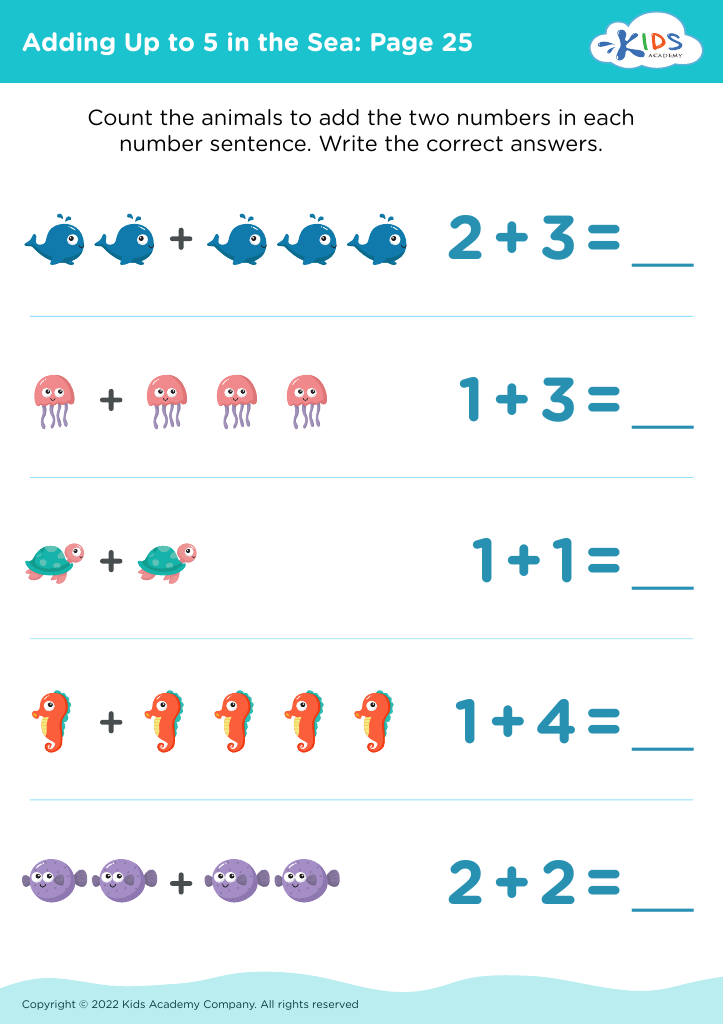
Adding Up to 5 in the Sea: Page 25
Worksheet
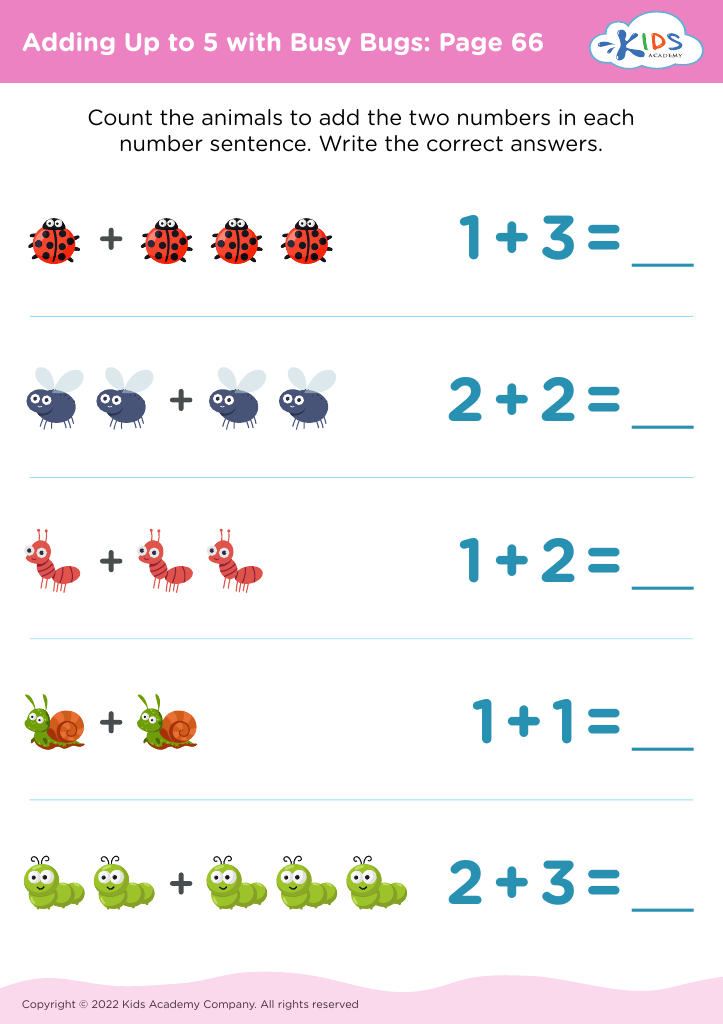
Adding Up to 5 with Busy Bugs: Page 66
Worksheet
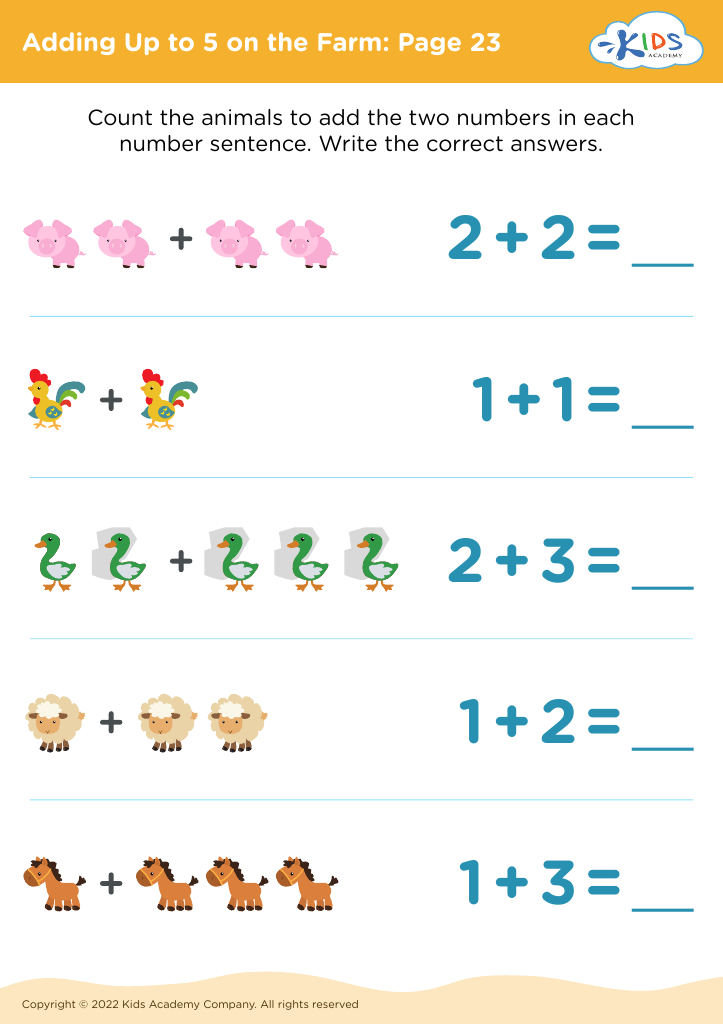
Adding Up to 5 on the Farm: Page 23
Worksheet
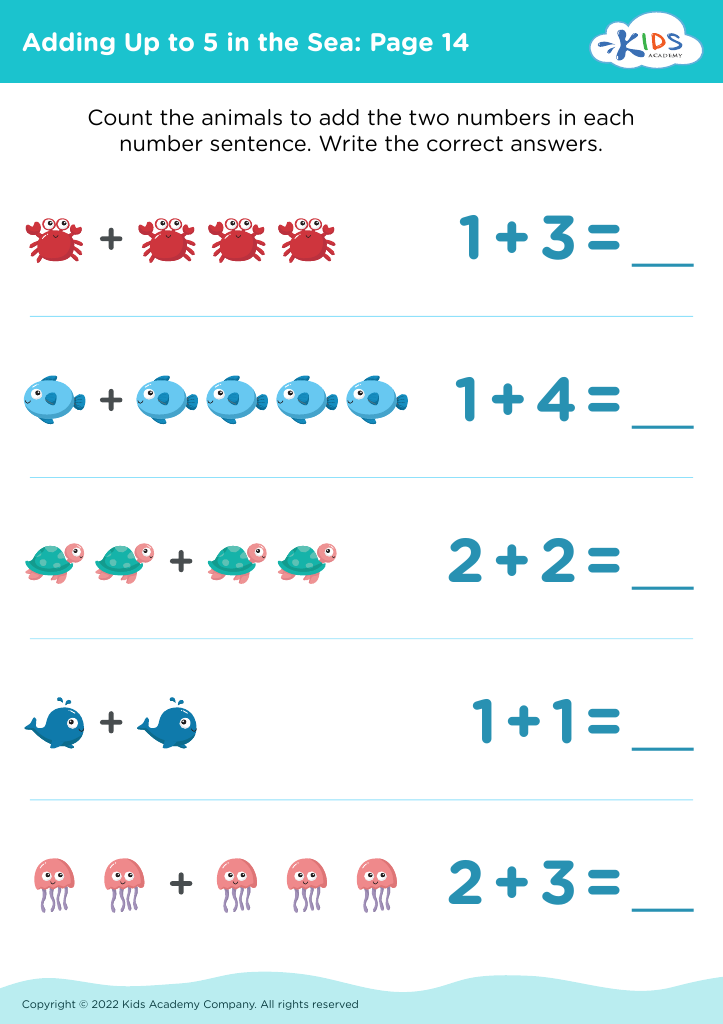
Adding Up to 5 in the Sea: Page 14
Worksheet
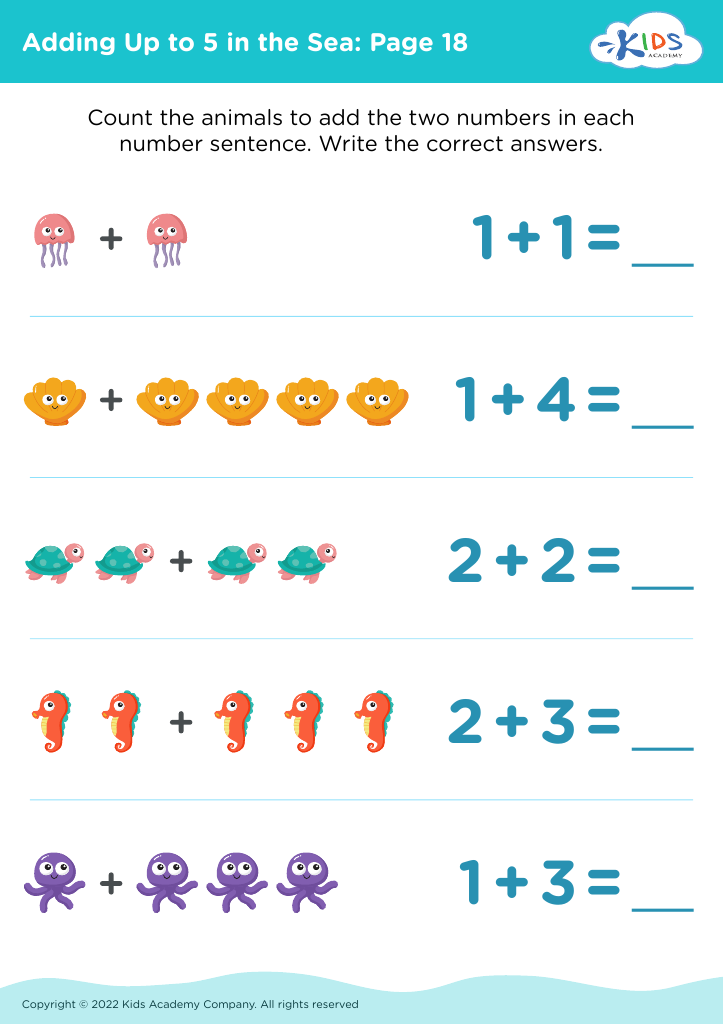
Adding Up to 5 in the Sea: Page 18
Worksheet
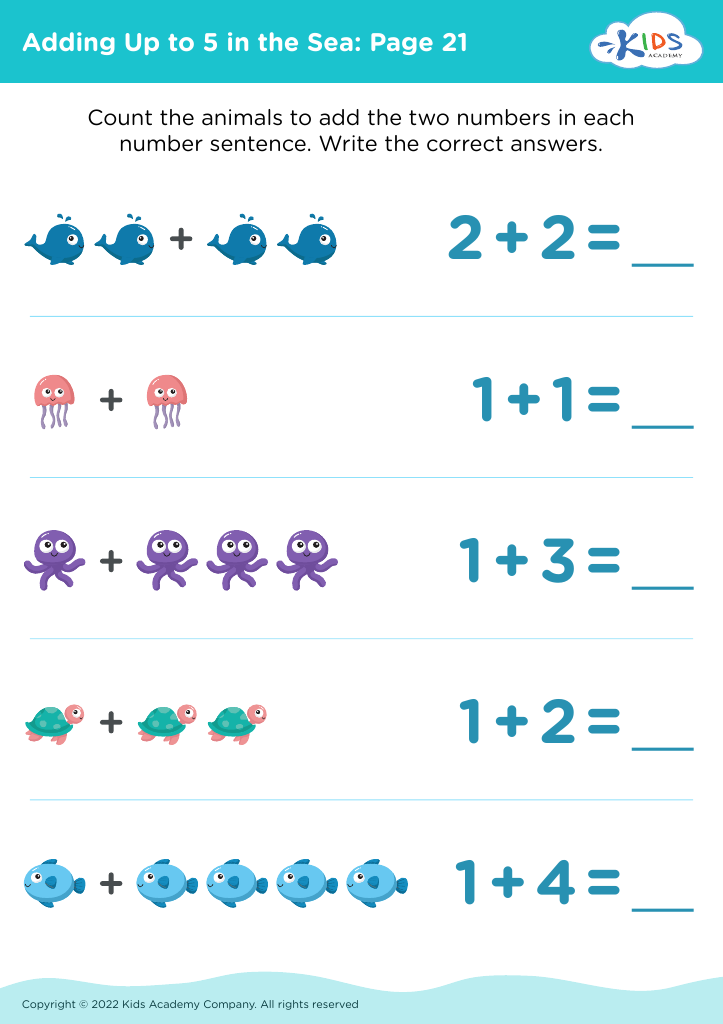
Adding Up to 5 in the Sea: Page 21
Worksheet
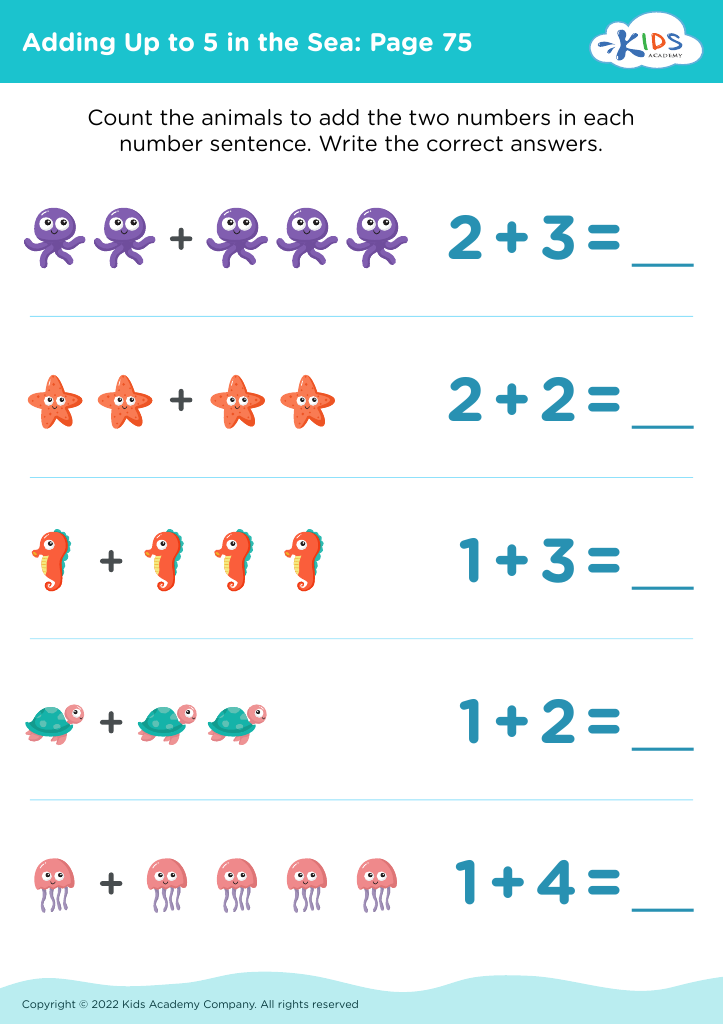
Adding Up to 5 in the Sea: Page 75
Worksheet
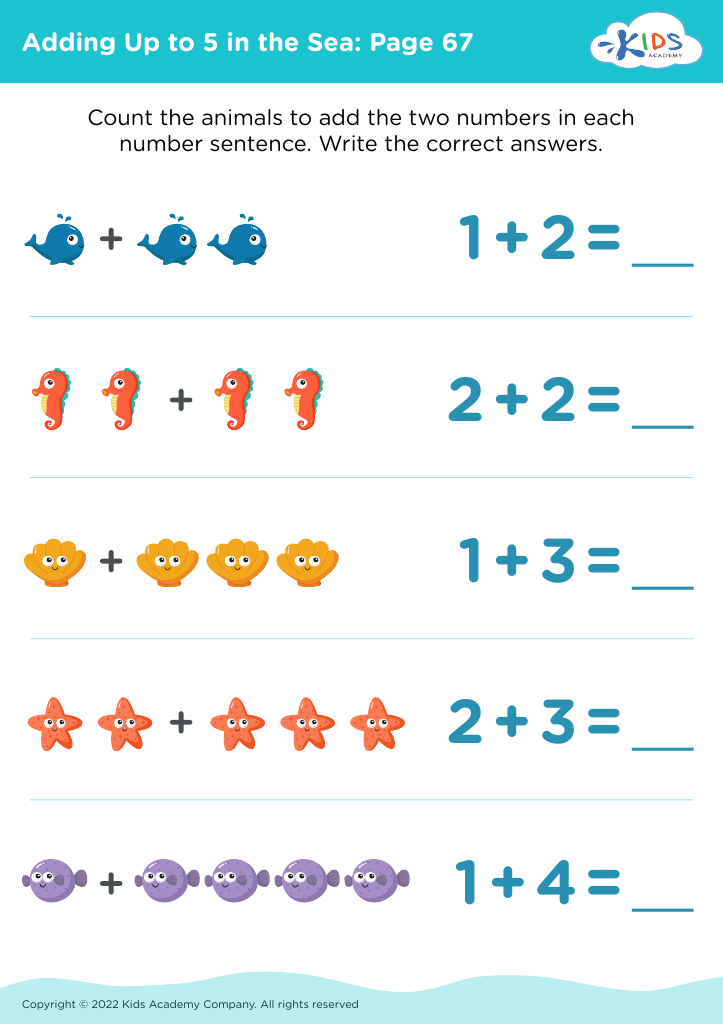
Adding Up to 5 in the Sea: Page 67
Worksheet
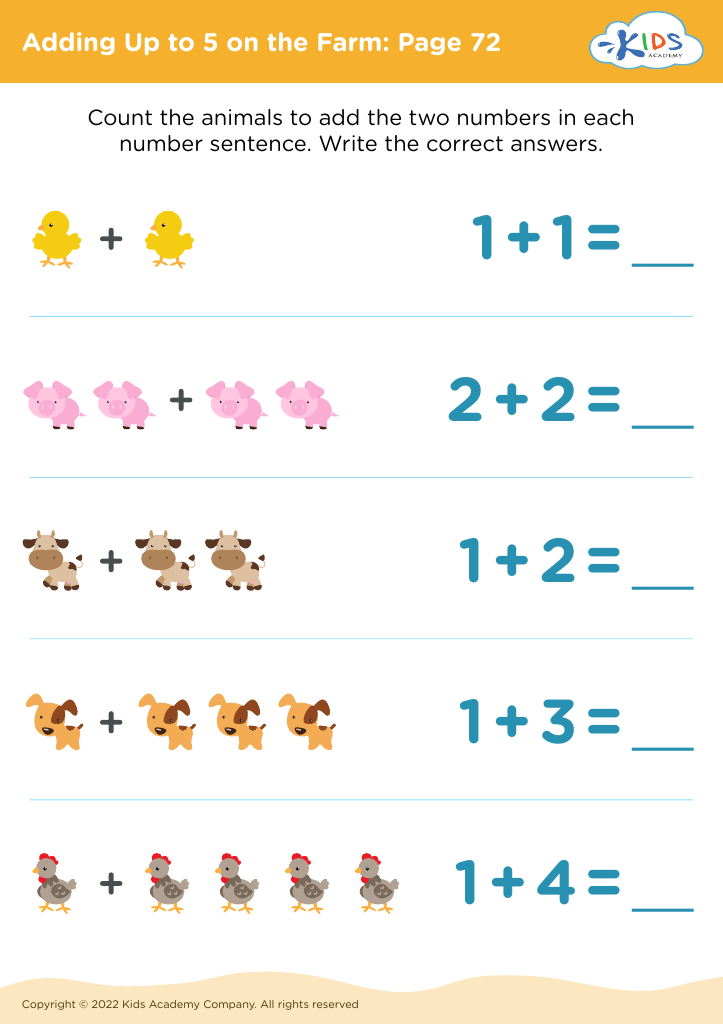
Adding Up to 5 on the Farm: Page 72
Worksheet
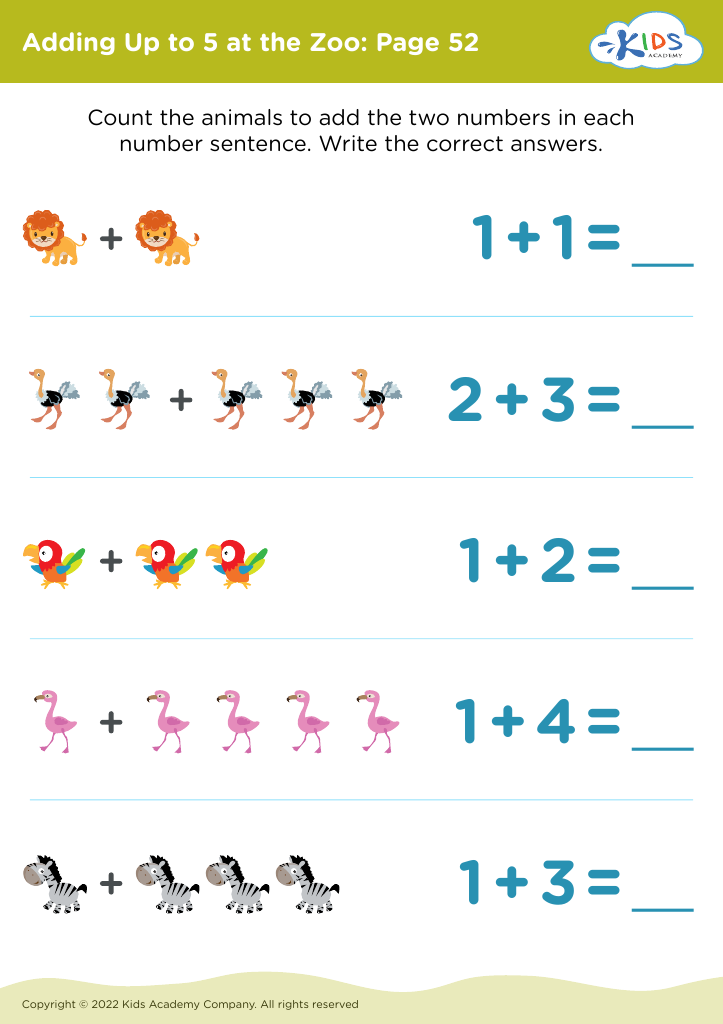
Adding Up to 5 at the Zoo: Page 52
Worksheet
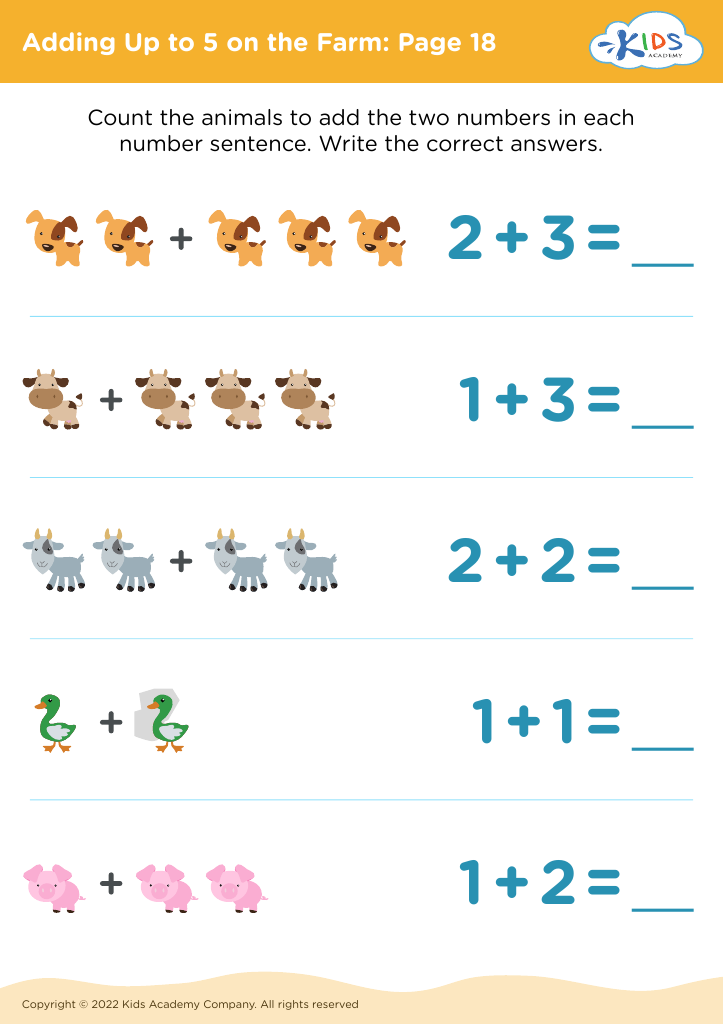
Adding Up to 5 on the Farm: Page 18
Worksheet
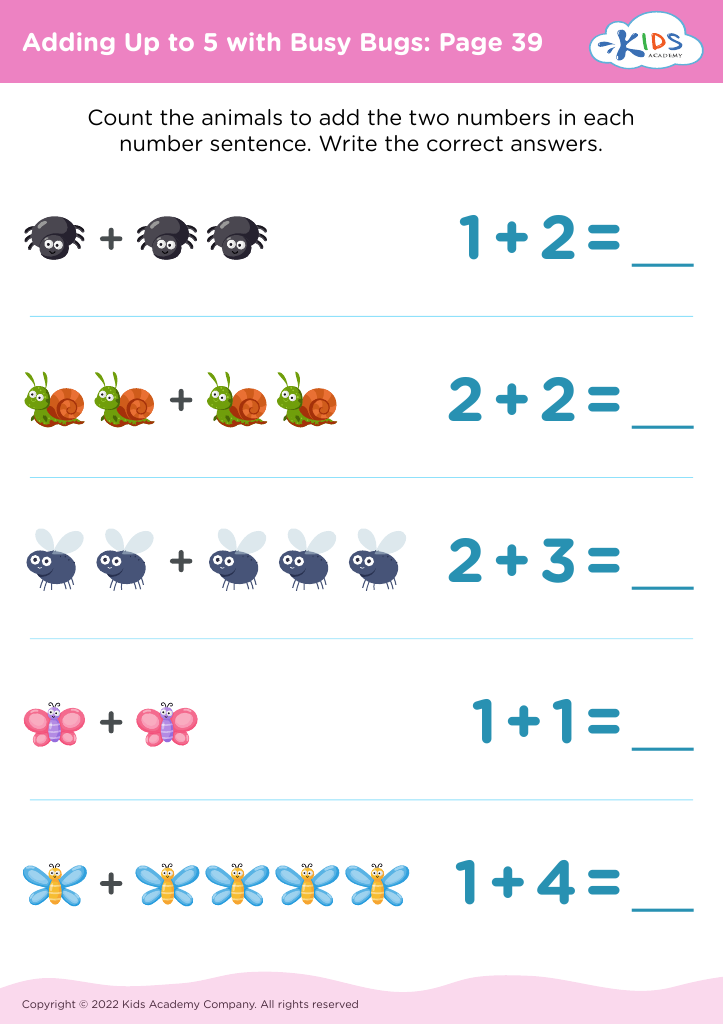
Adding Up to 5 with Busy Bugs: Page 39
Worksheet
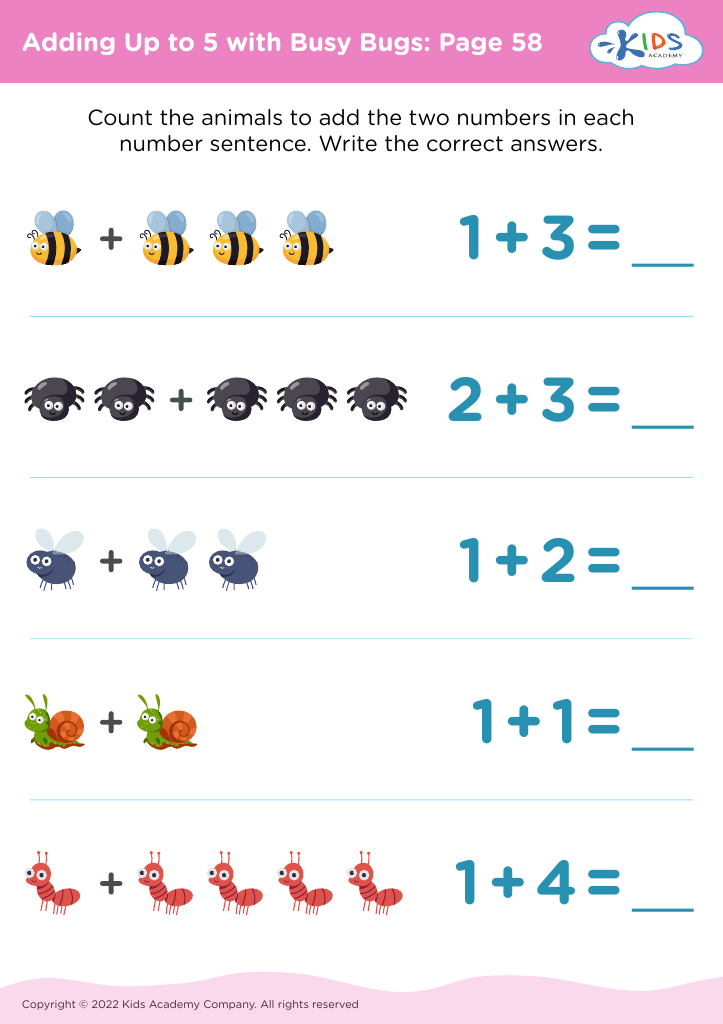
Adding Up to 5 with Busy Bugs: Page 58
Worksheet
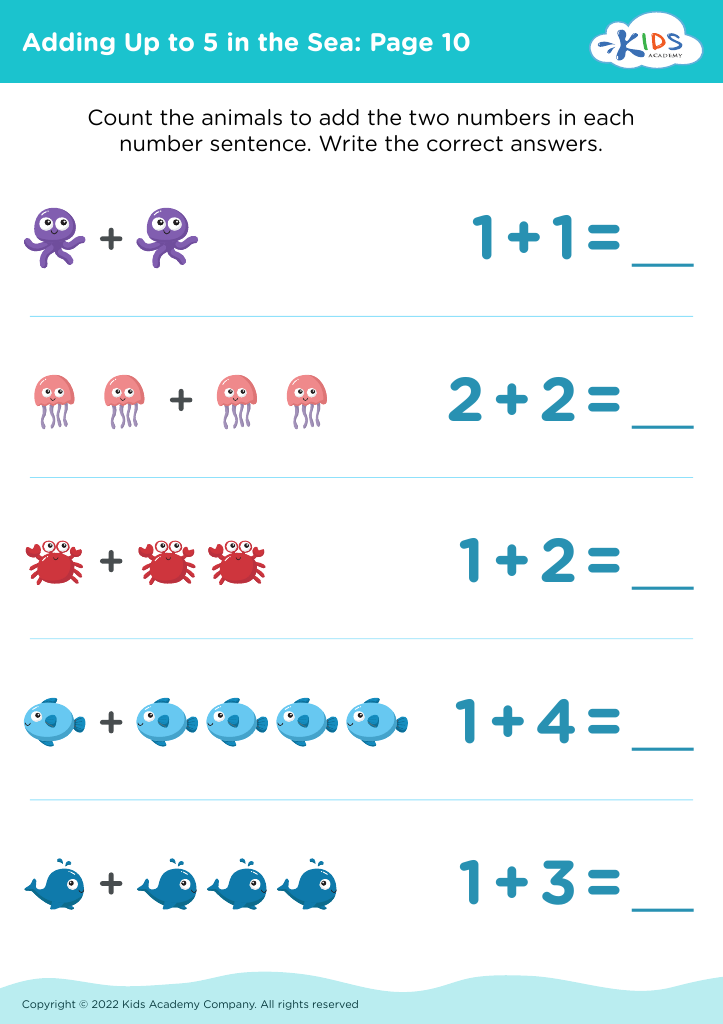
Adding Up to 5 in the Sea: Page 10
Worksheet
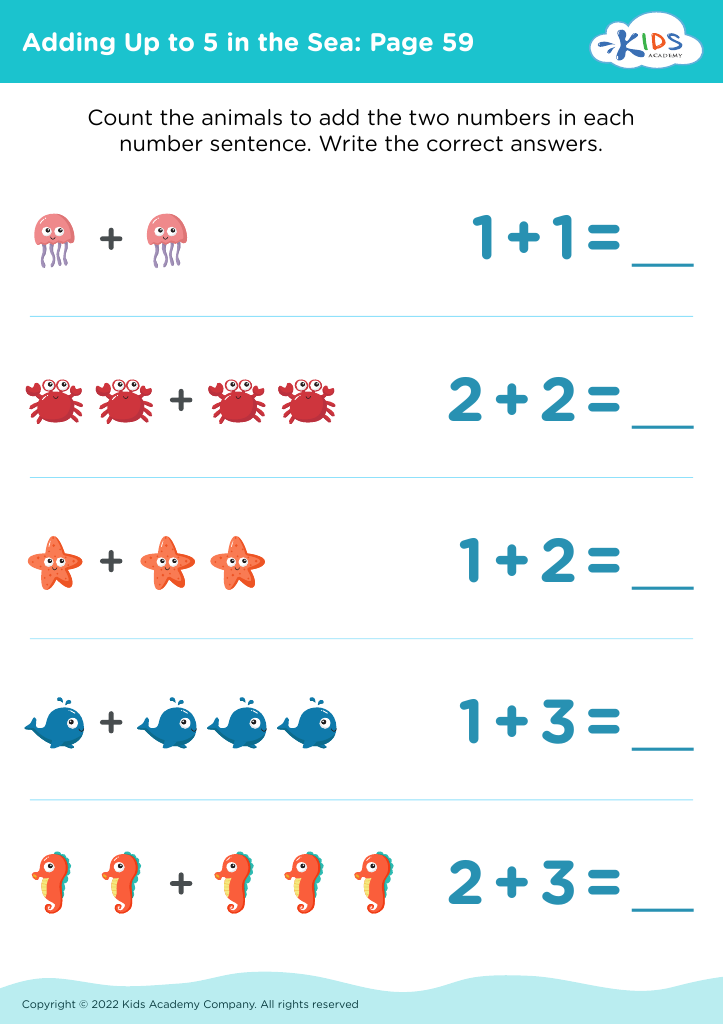
Adding Up to 5 in the Sea: Page 59
Worksheet
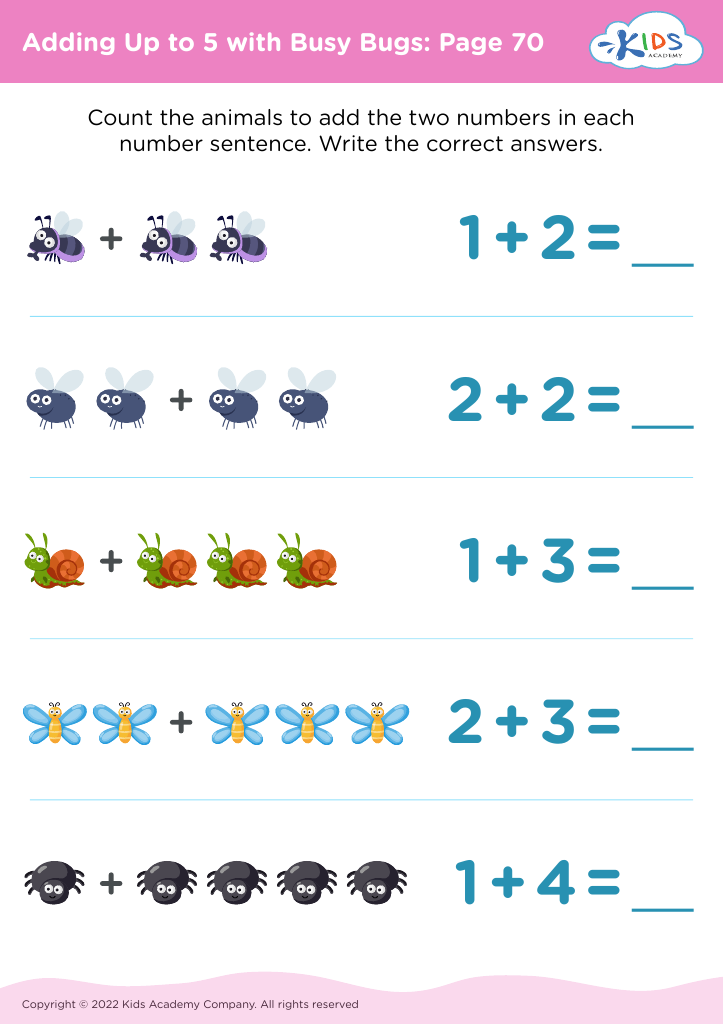
Adding Up to 5 with Busy Bugs: Page 70
Worksheet
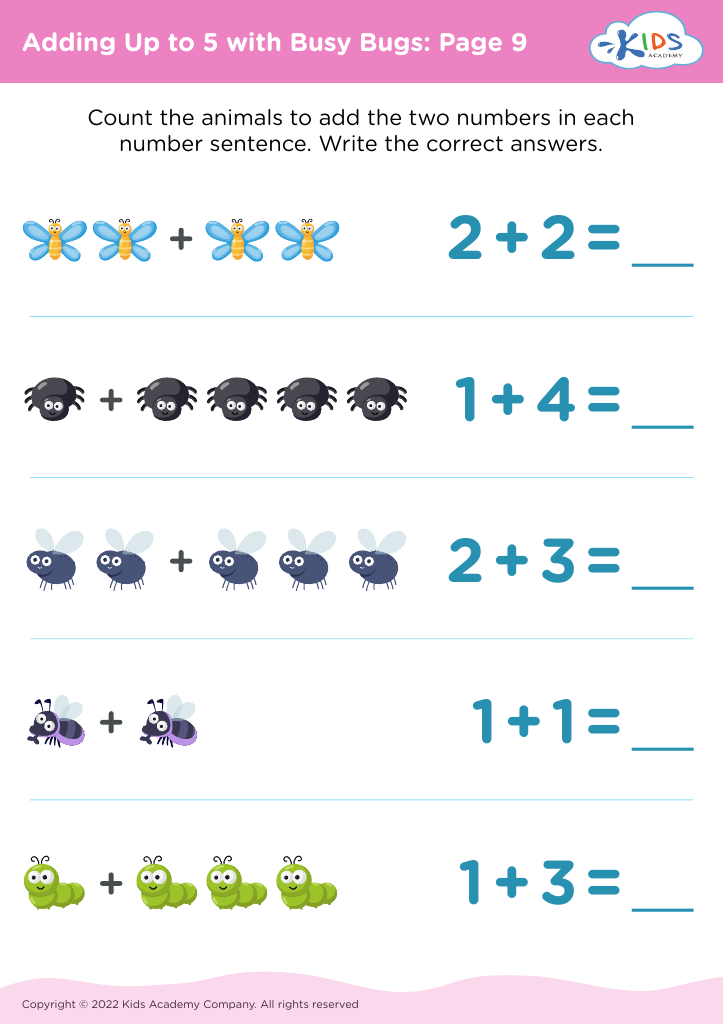
Adding Up to 5 with Busy Bugs: Page 9
Worksheet


Visual learning is crucial for children aged 4-5 as it taps into their natural inclination to learn through sights and illustrations. During this developmental stage, children are highly curious and exploration-focused. Incorporating visual learning strategies can significantly enhance their understanding and retention of information.

Children at this age are often more engaged when information is presented visually through colorful pictures, diagrams, and videos. This approach caters to different learning styles, making education inclusive and accessible. Visual aids help in simplifying complex concepts, fostering better comprehension in subjects like math and reading. For instance, using storybooks with vivid illustrations can aid in narrative structure understanding and vocabulary acquisition.

Moreover, visual learning supports the development of critical thinking and problem-solving skills. When children analyze images or graphs, they engage in deeper cognitive processing. Teachers and parents should embrace visual learning to create a stimulating environment that encourages creativity and exploration. It fosters a love for learning, critical at this formative stage, setting a strong foundation for future educational experiences. By utilizing visual learning, we can equip young learners with essential skills while nurturing their curiosity and passion for discovering the world around them.