Mathematical reasoning Addition & Subtraction Worksheets for Ages 4-5
14 filtered results
-
From - To
Discover our engaging "Mathematical Reasoning Addition & Subtraction Worksheets" designed for children aged 4-5. These worksheets provide a fun and interactive way to introduce young learners to basic mathematical concepts. Fostering critical thinking, our resources focus on addition and subtraction through colorful visuals and age-appropriate exercises. Children will practice their skills while developing problem-solving strategies that lay the foundation for future math success. Perfect for home or classroom use, our worksheets make learning enjoyable and effective. Encourage your little ones to build confidence and fluency in math with these carefully crafted resources that inspire curiosity and a love for numbers!
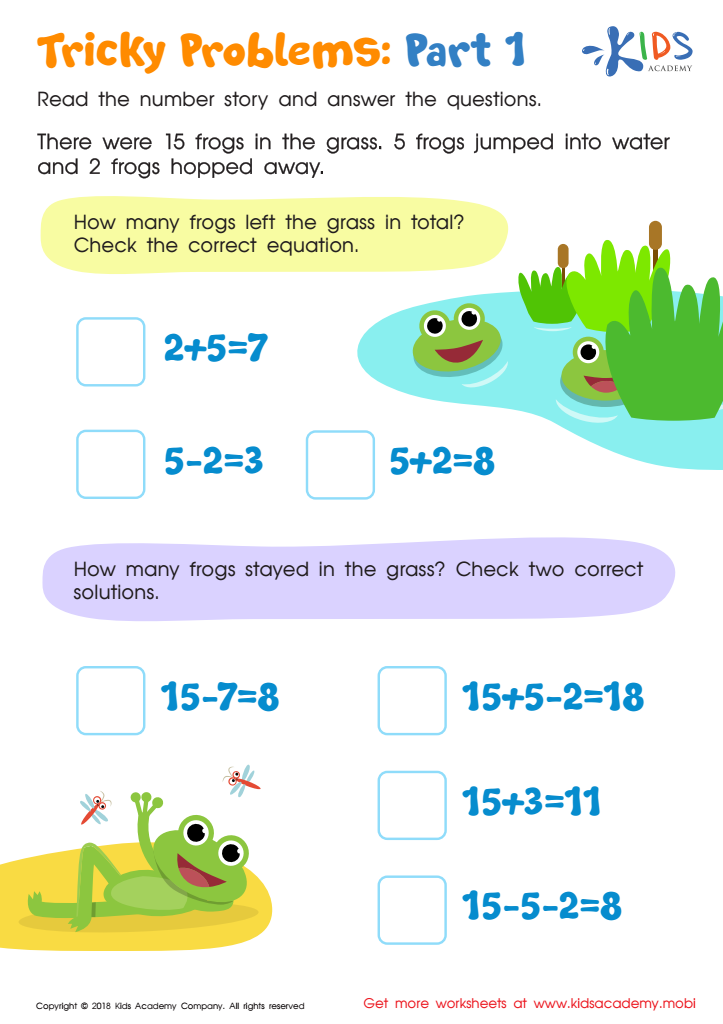
Tricky Problems Worksheet: Part 1
 Assign to My Students
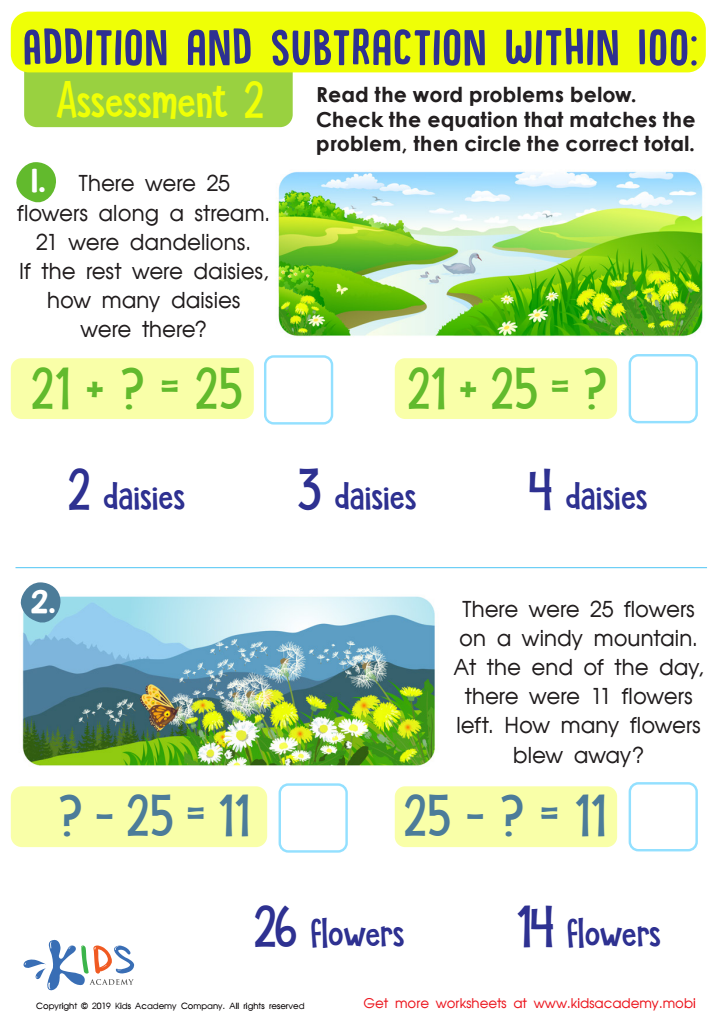
Assessment 2 Math Worksheet
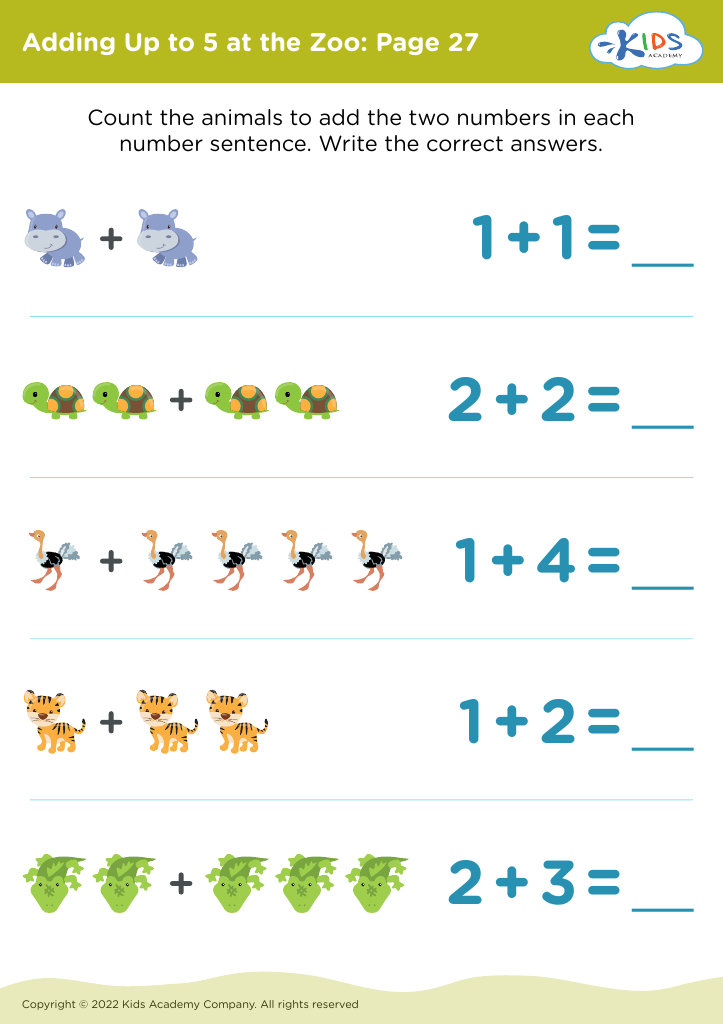
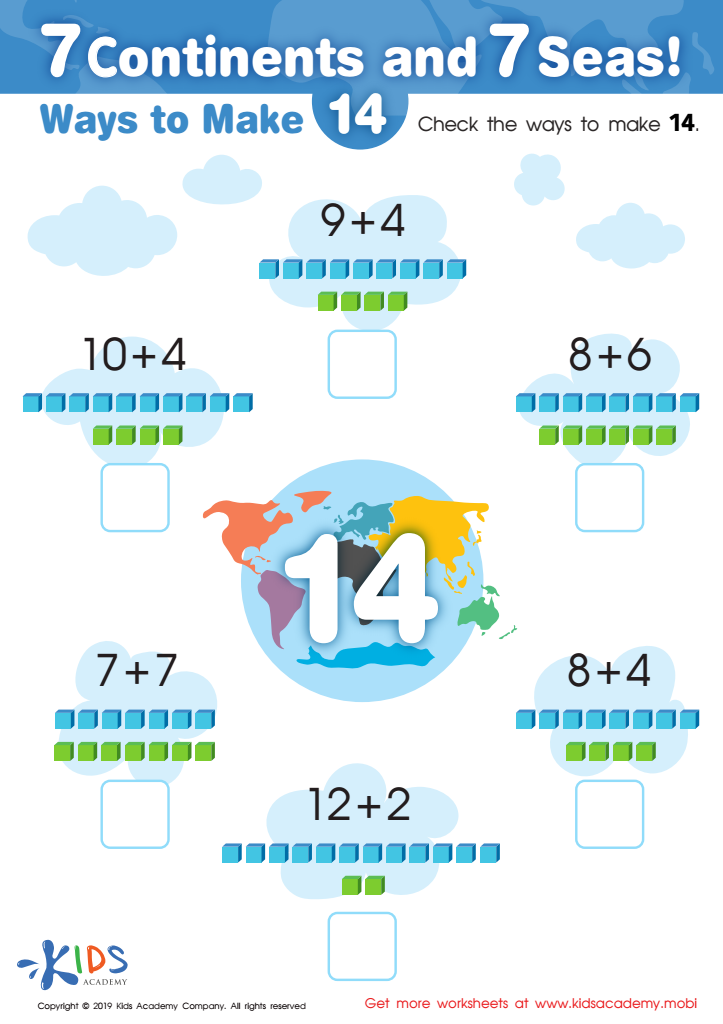
7 Continents and 7 Seas Worksheet
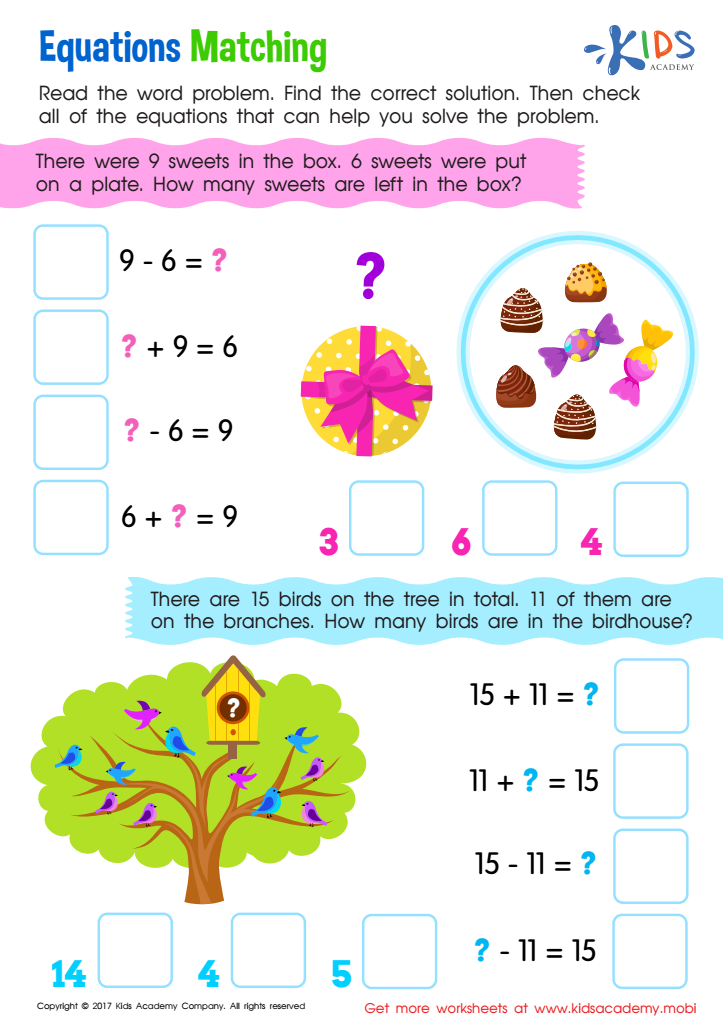
Equations Matching Word Problems Worksheet
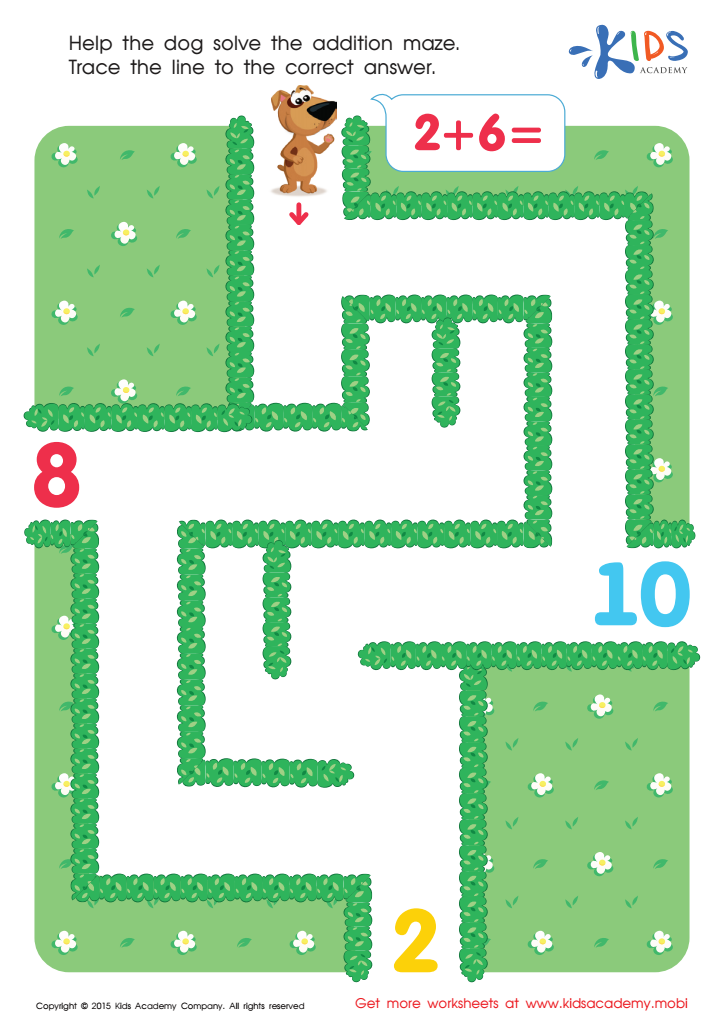
Two Plus Six Addition Worksheet
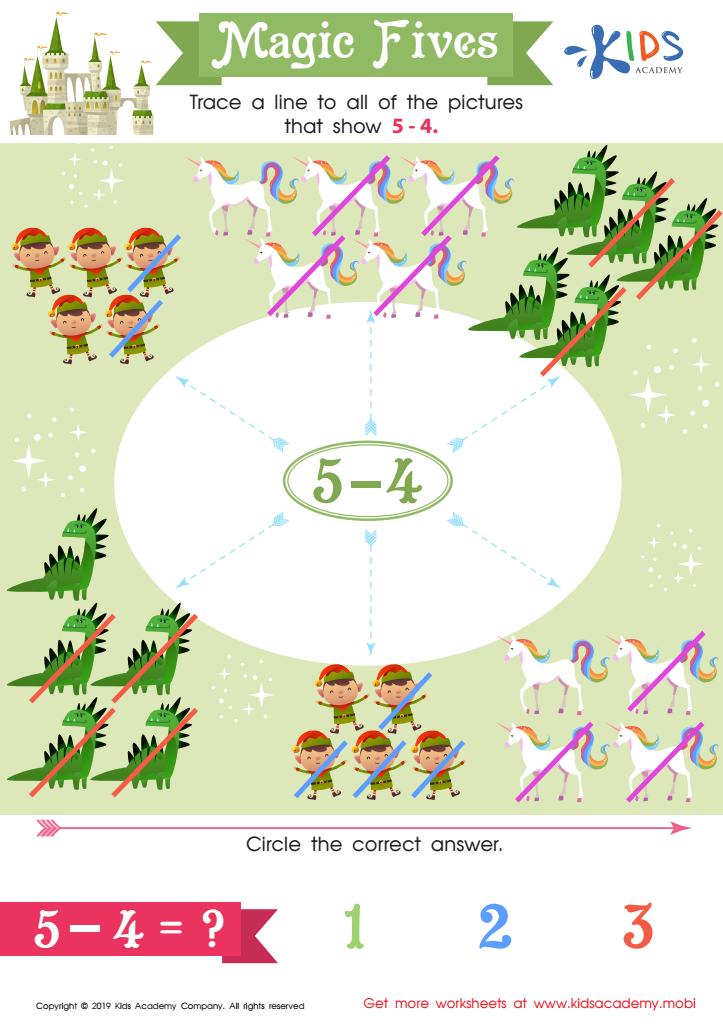
Magic Fives Worksheet
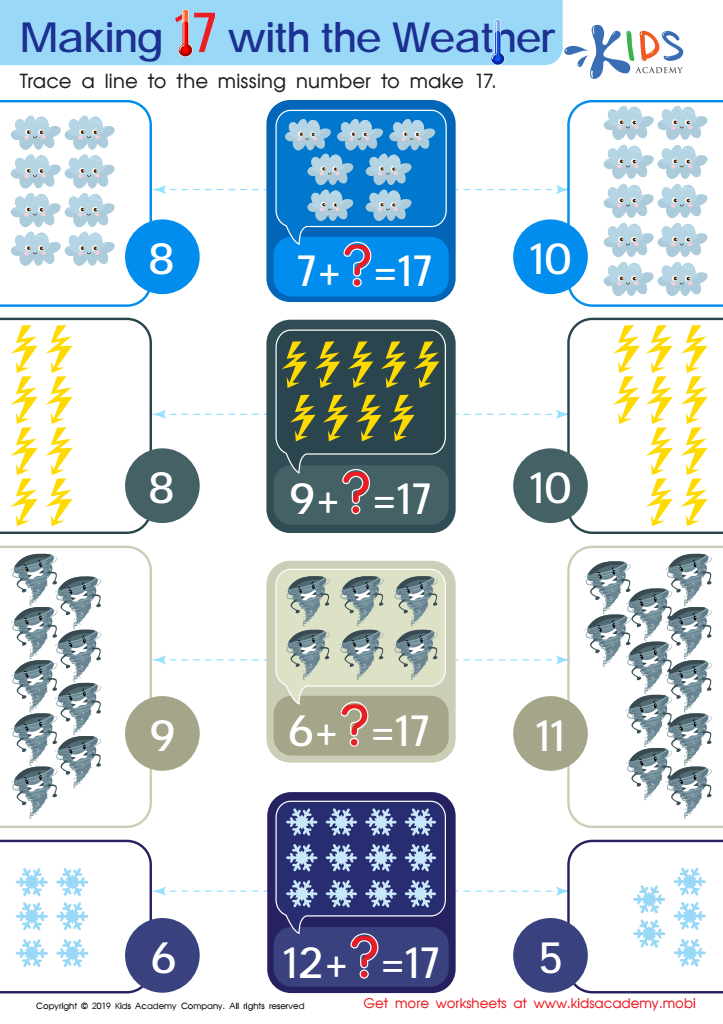
Making 17 with the Weather Worksheet
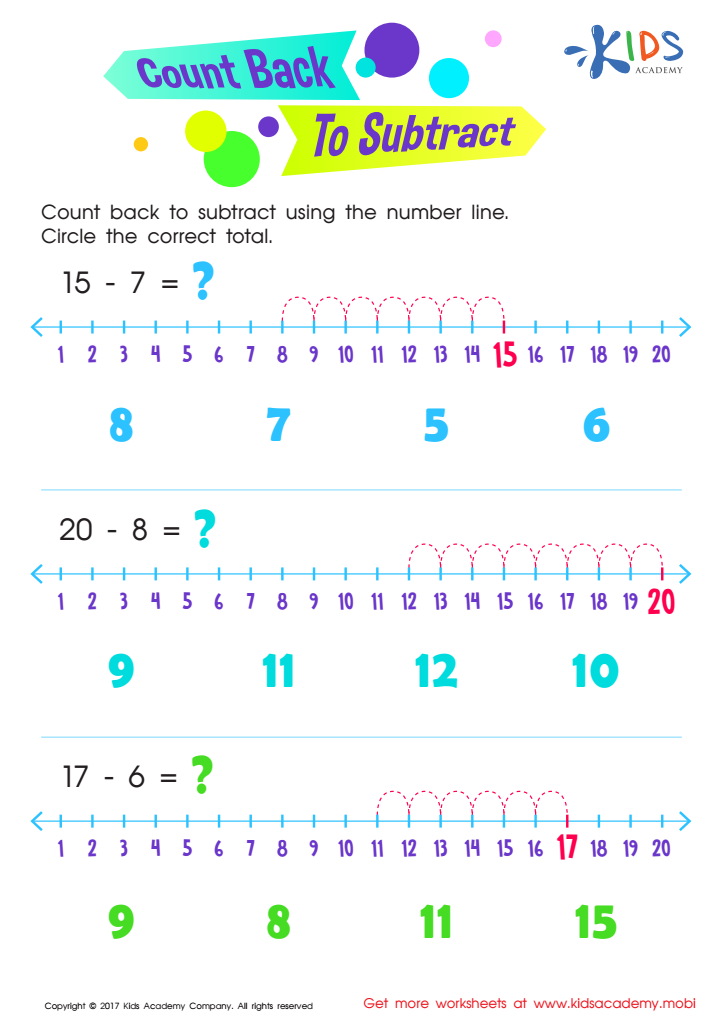
Count Back to Subtract Substraction Worksheet
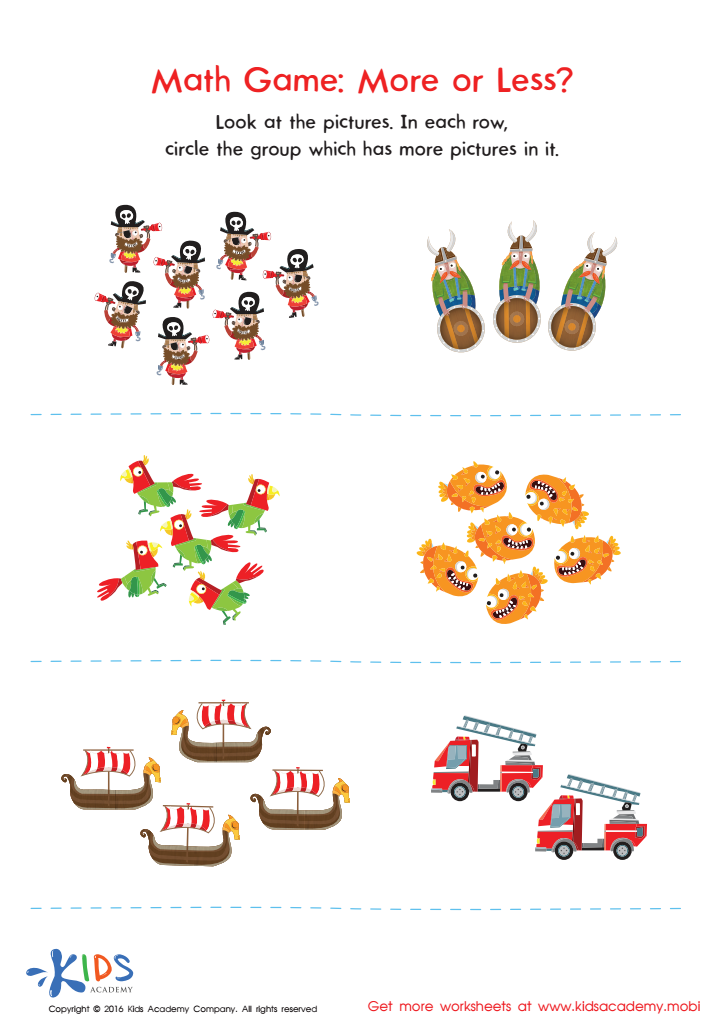
More or Less Worksheet
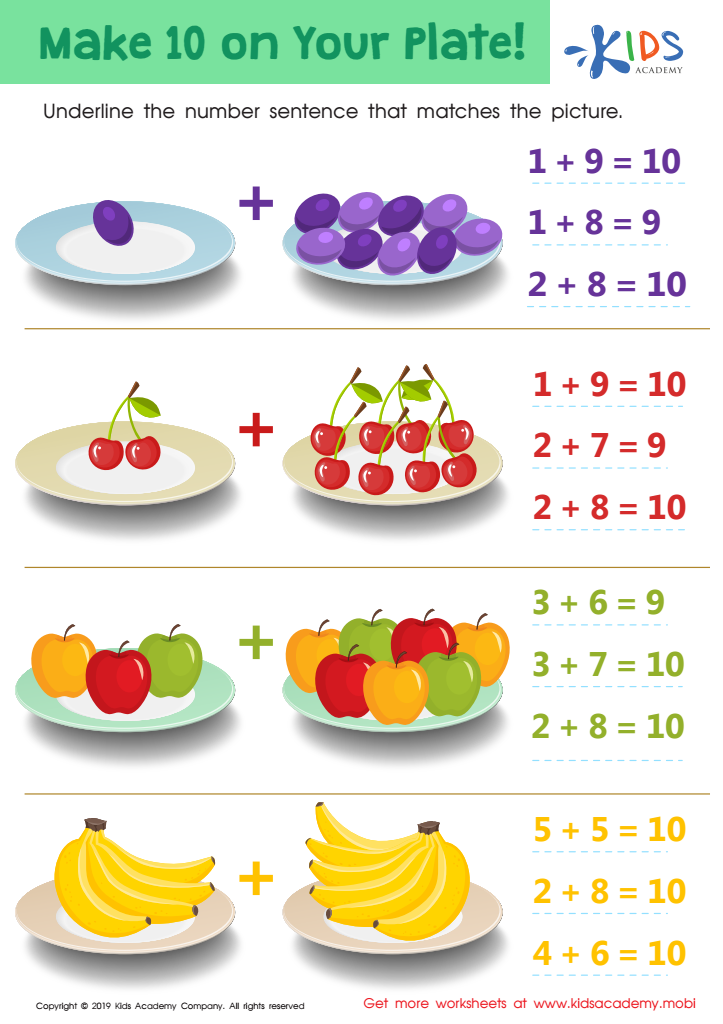
Make 10 on Your Plate! Worksheet
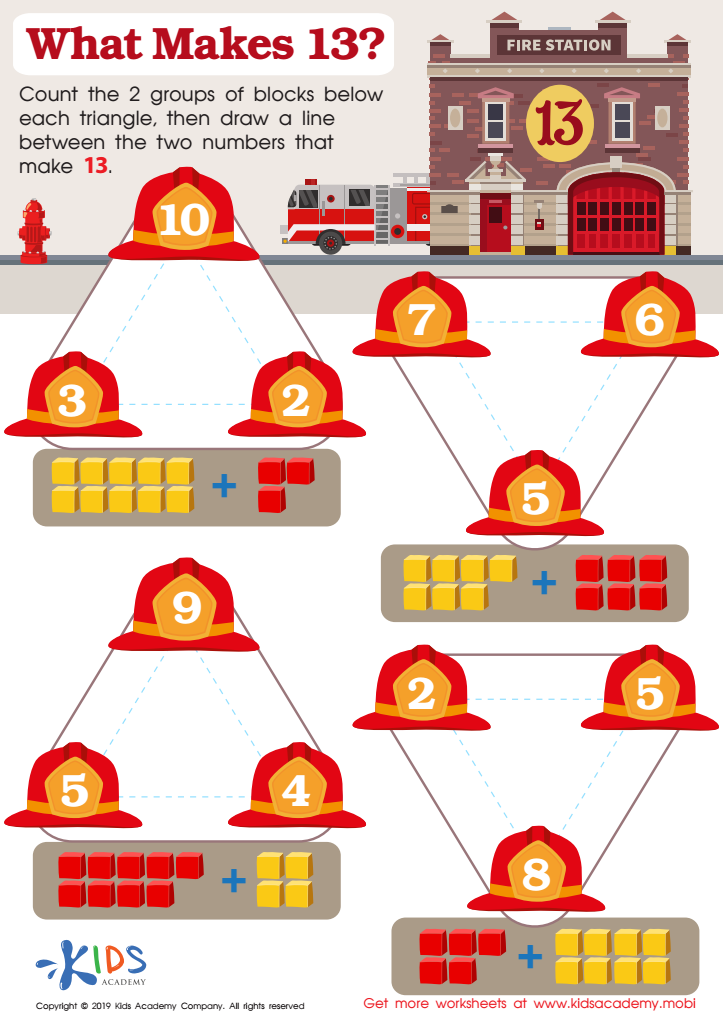
What Makes 13 Worksheet
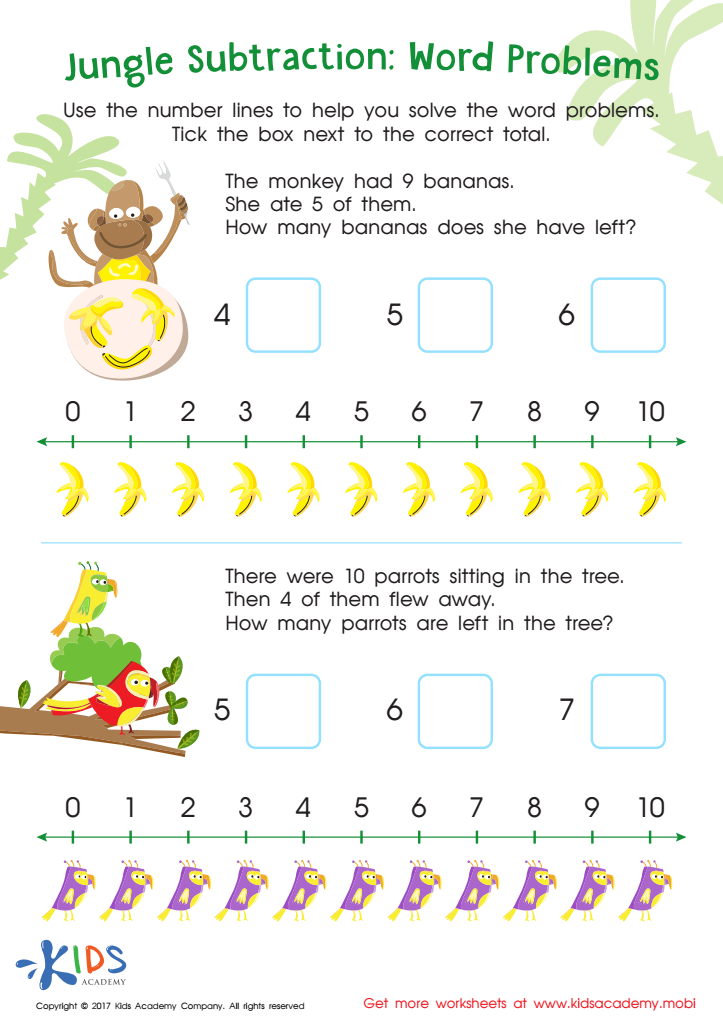
Jungle Subtraction Word Problems Substraction Worksheet








Mathematical reasoning in addition and subtraction is crucial for children aged 4-5, as it lays the foundation for their understanding of math concepts throughout their education. At this stage, children begin to make sense of numbers and their relationships, developing critical cognitive skills. Engaging with addition and subtraction helps them cultivate problem-solving abilities, allowing them to approach real-life situations with a mathematical mindset.
Encouraging mathematical reasoning helps children grasp the concept of quantity and improves their ability to recognize patterns, which is fundamental for future learning. By fostering an early interest in math, parents and teachers promote confidence and a positive attitude towards the subject, reducing anxiety around math in later years.
Moreover, mathematical reasoning isn't isolated but integrated into daily life. Understanding basic addition and subtraction can enhance a child's ability to deal with everyday situations, such as sharing toys or grouping objects. When children see the relevance of math in their world, it becomes more engaging and relatable.
In sum, supporting children's mathematical reasoning at an early age creates lifelong learners who are better equipped to succeed academically and navigate daily challenges with confidence and insight. It empowers them to thrive in an increasingly complex world where mathematical literacy is essential.








