Addition Practice Addition Worksheets for Ages 4-5 - Page 2
70 filtered results
-
From - To
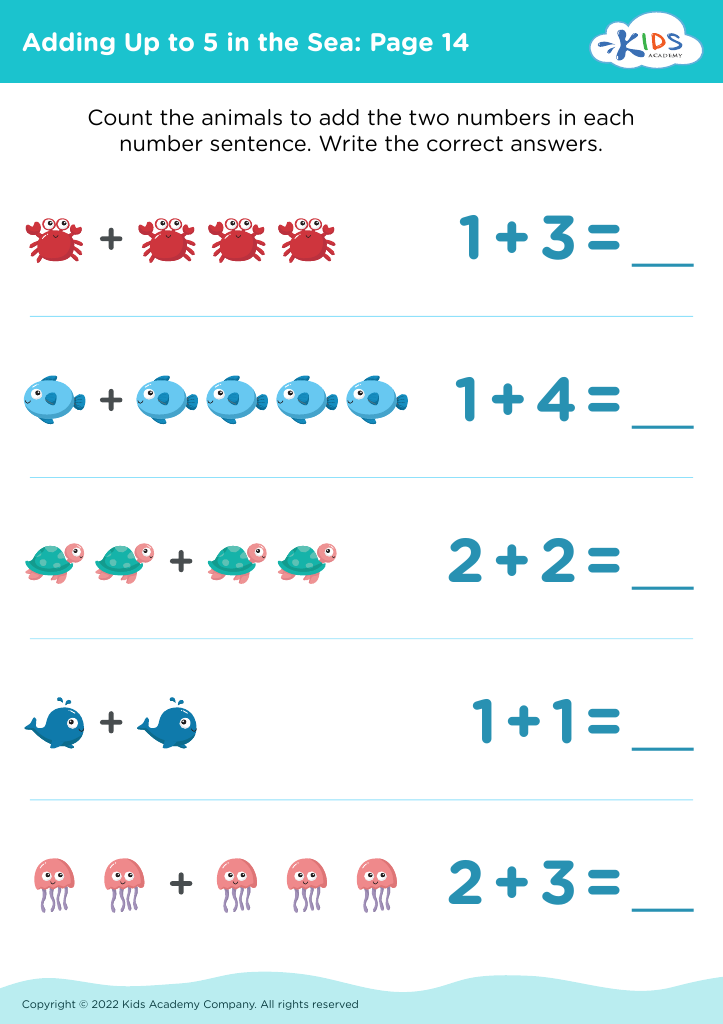
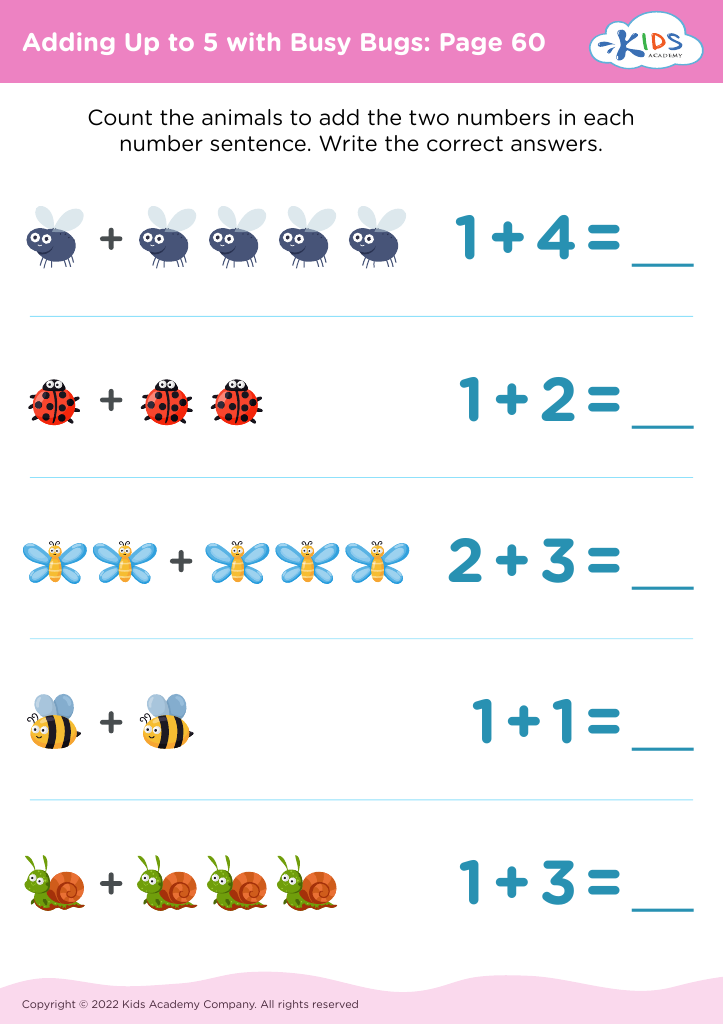
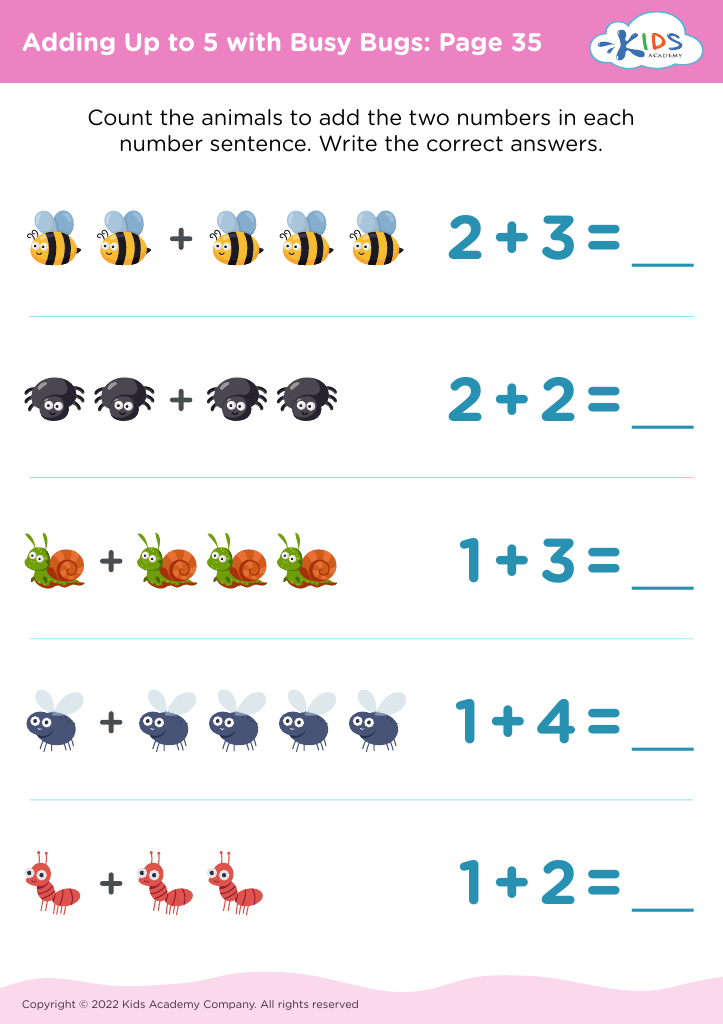
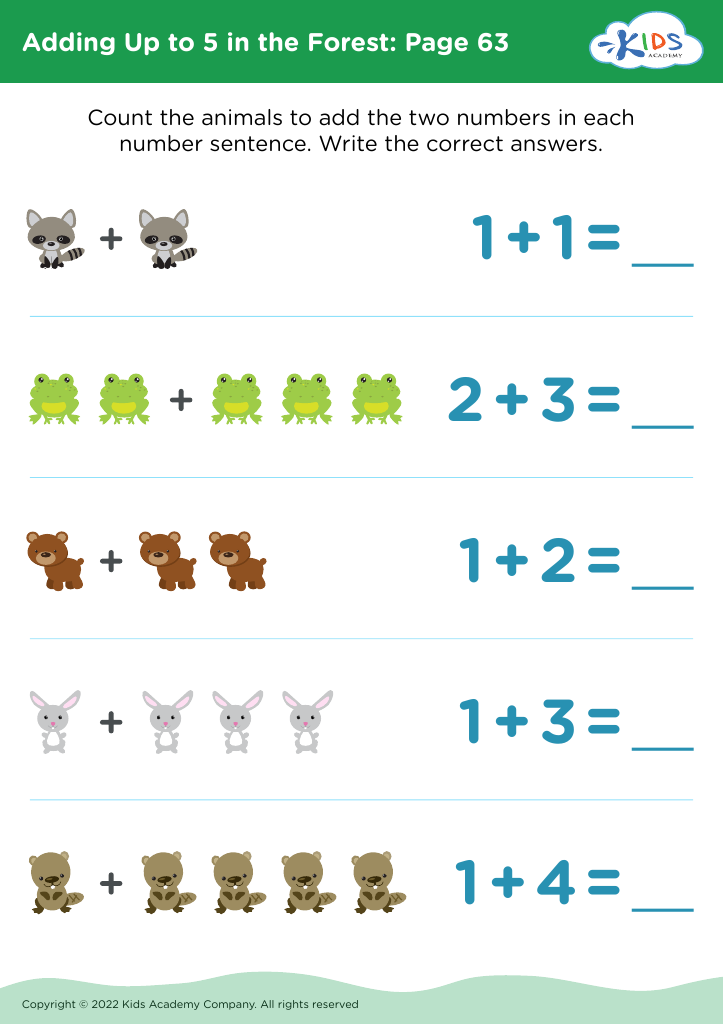
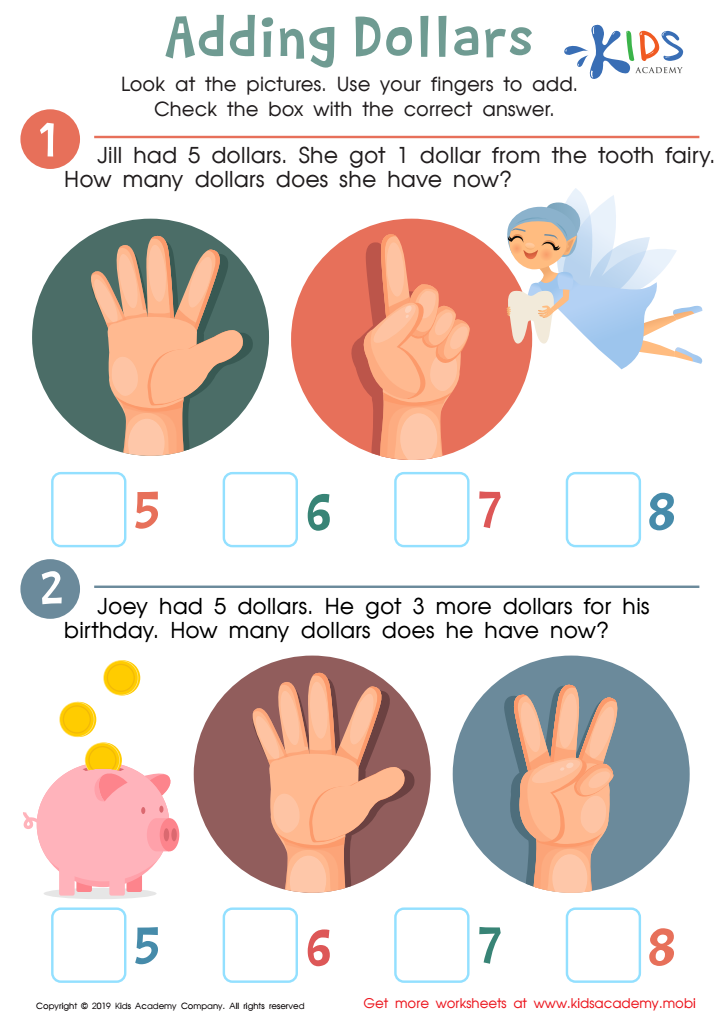
Tooth Fairy Addition Worksheet
 Assign to My Students
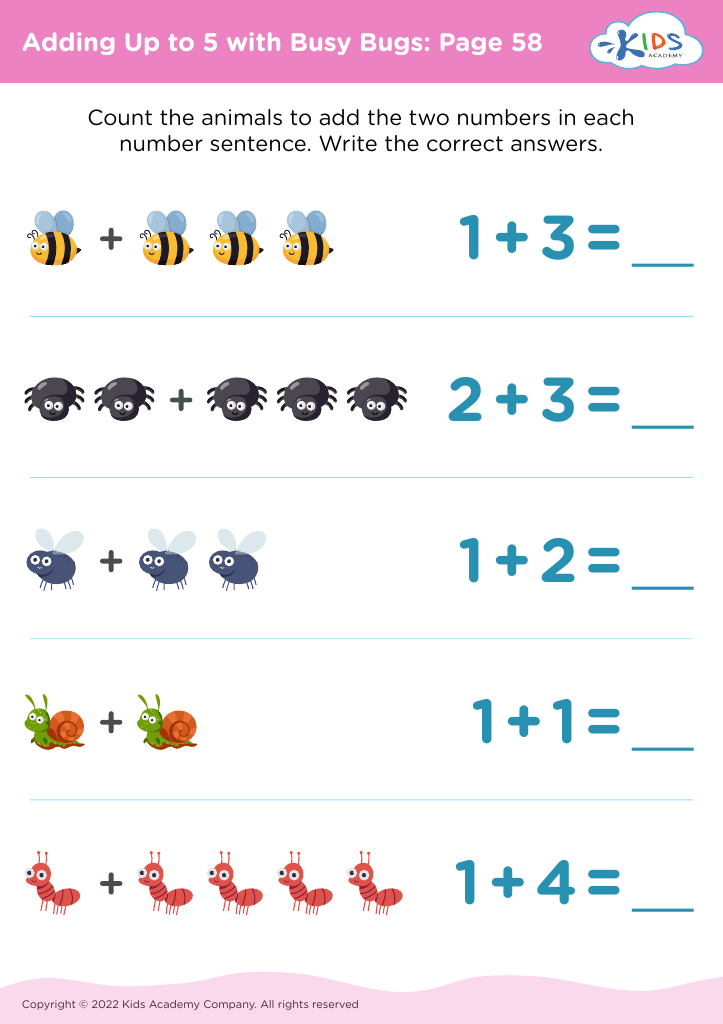
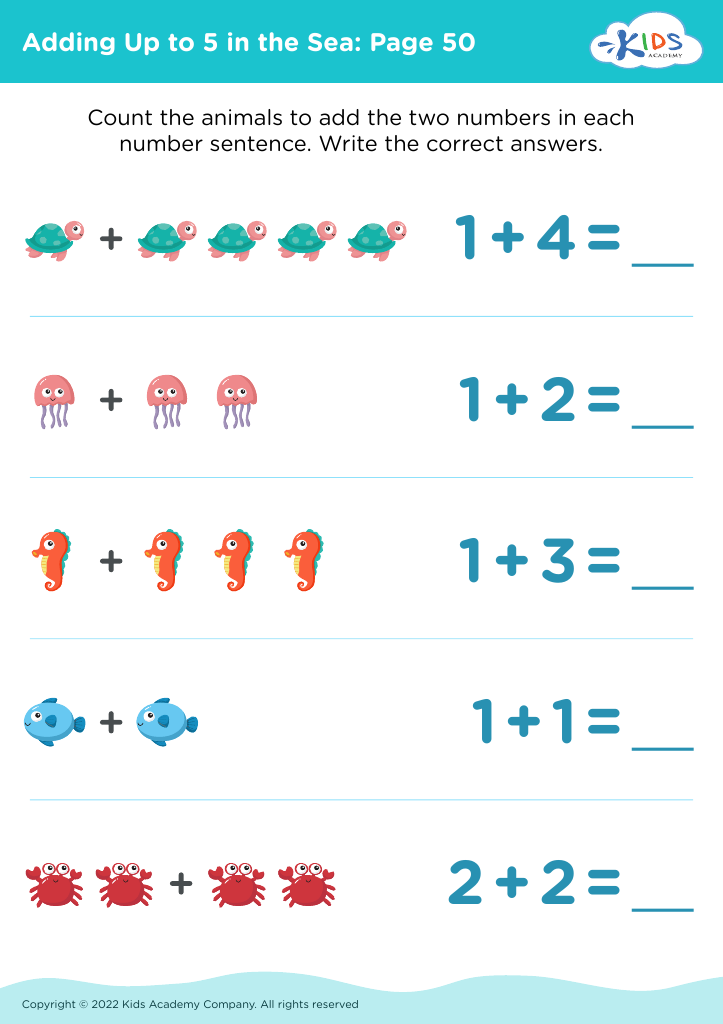
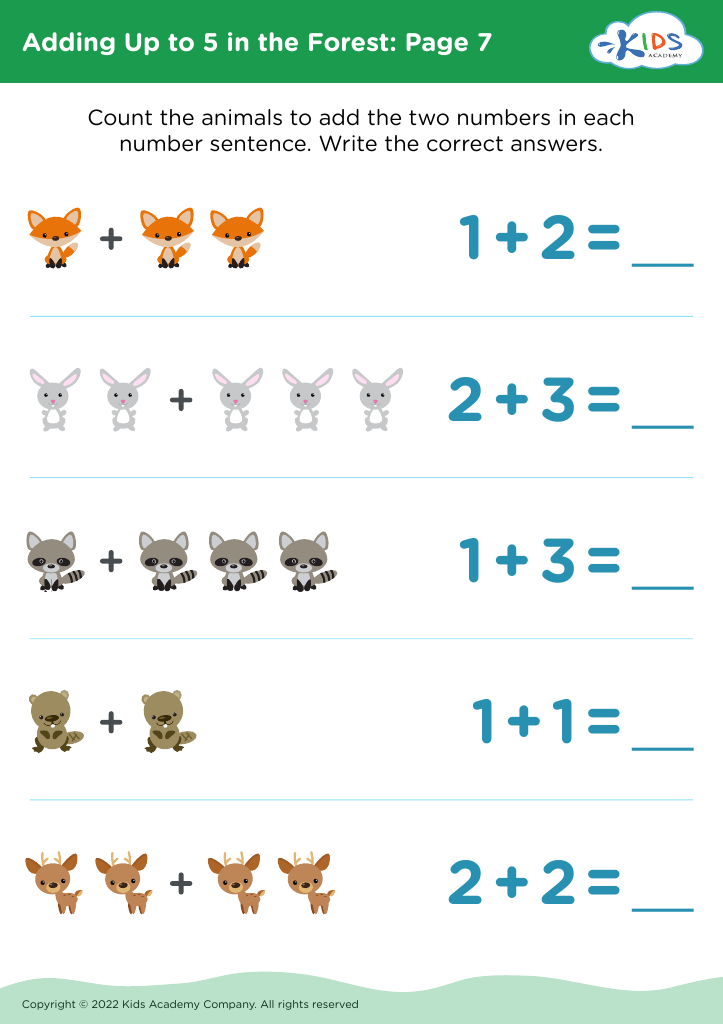
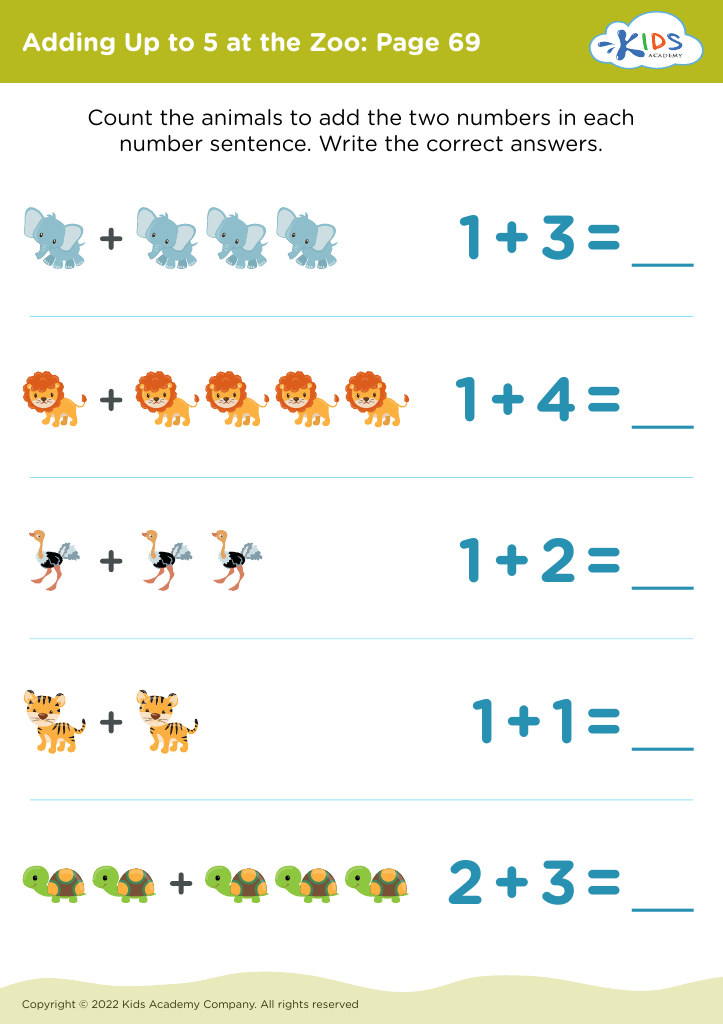
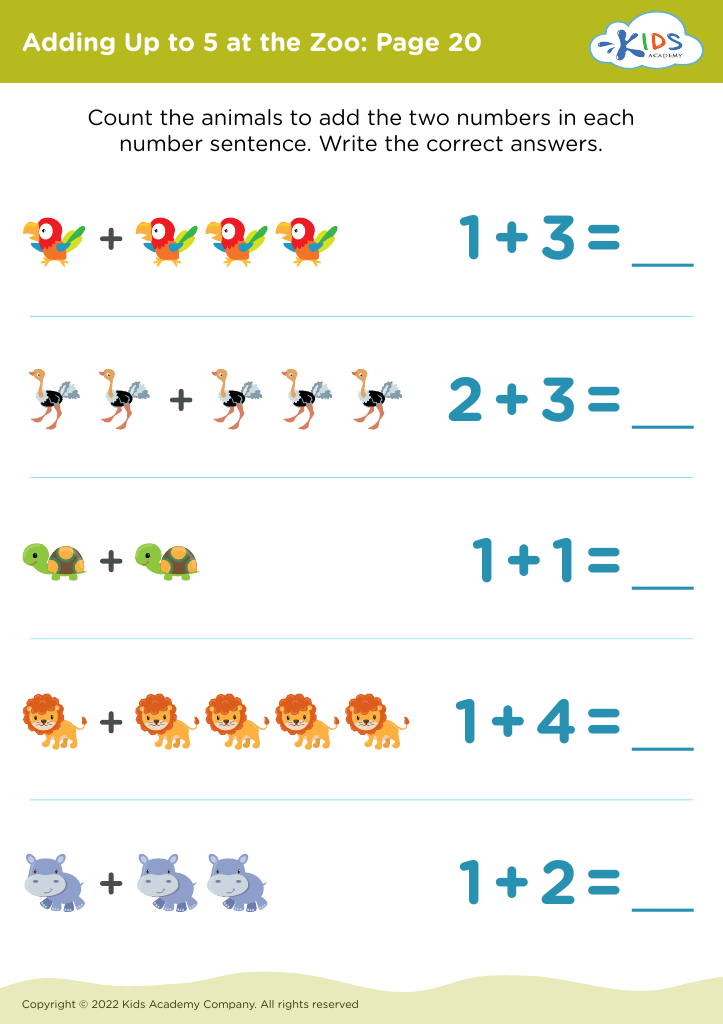
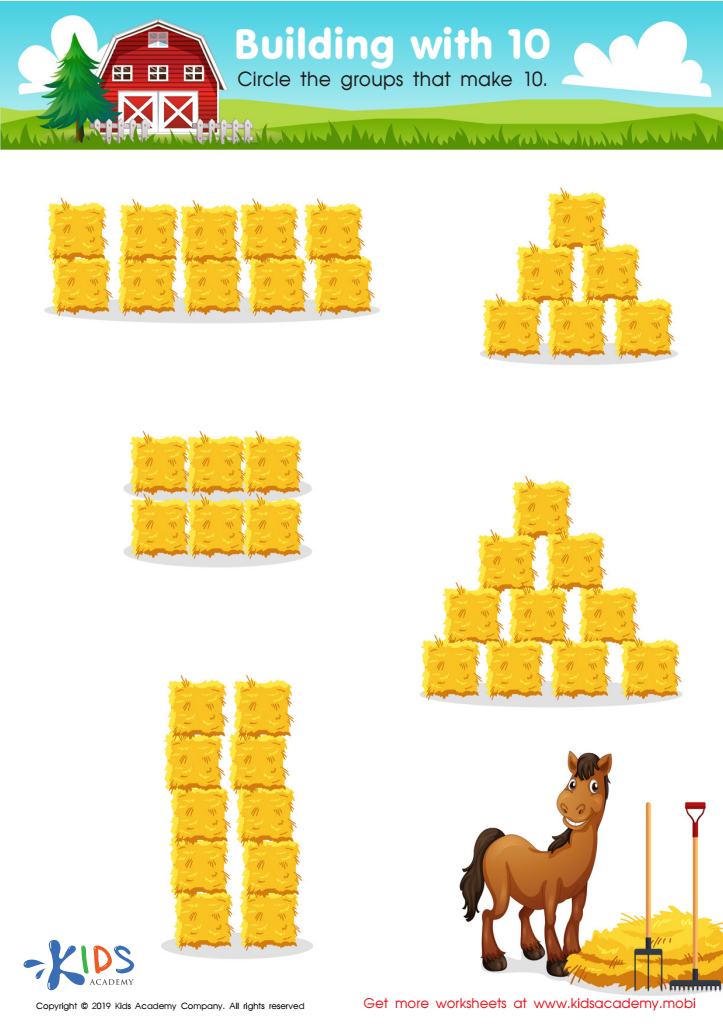
Building with 10 Worksheet
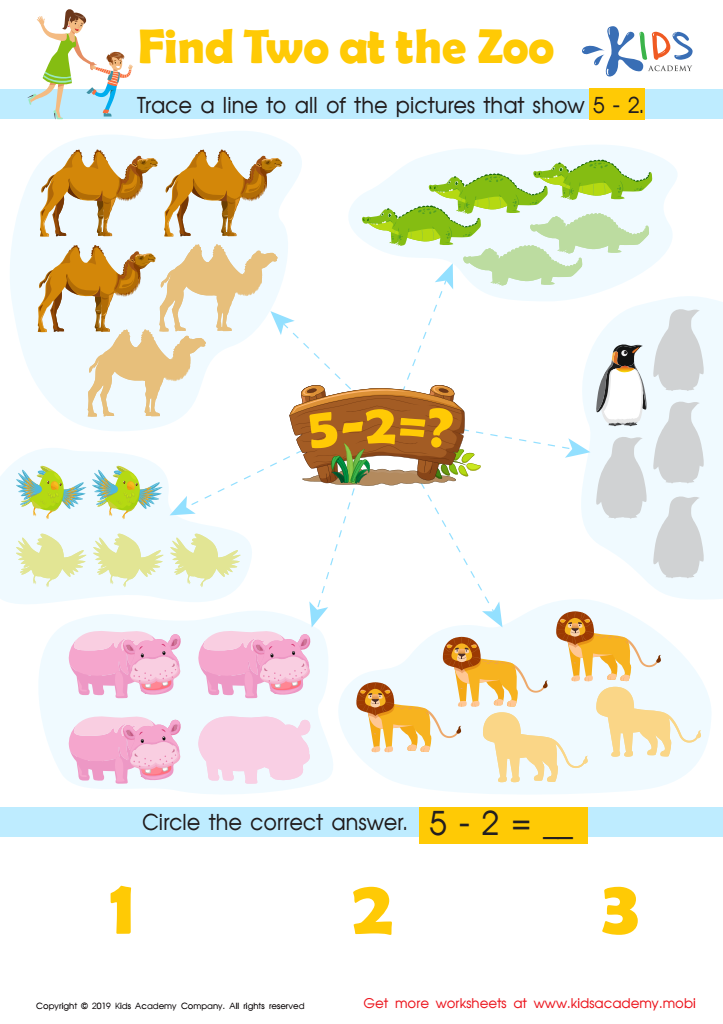
Find Two at the Zoo Worksheet
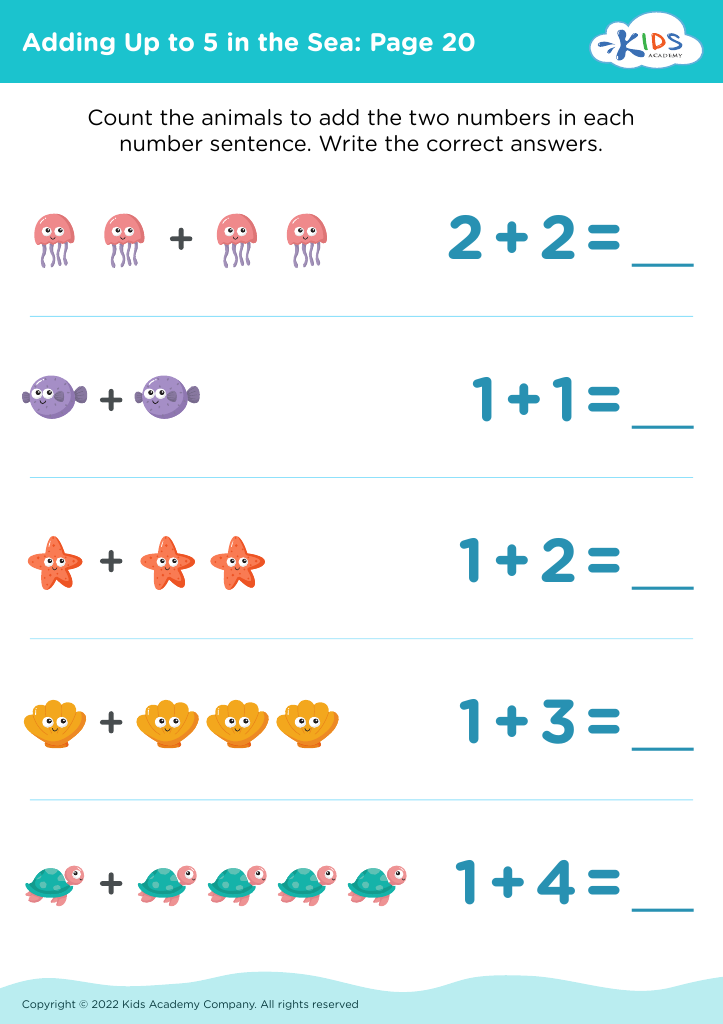
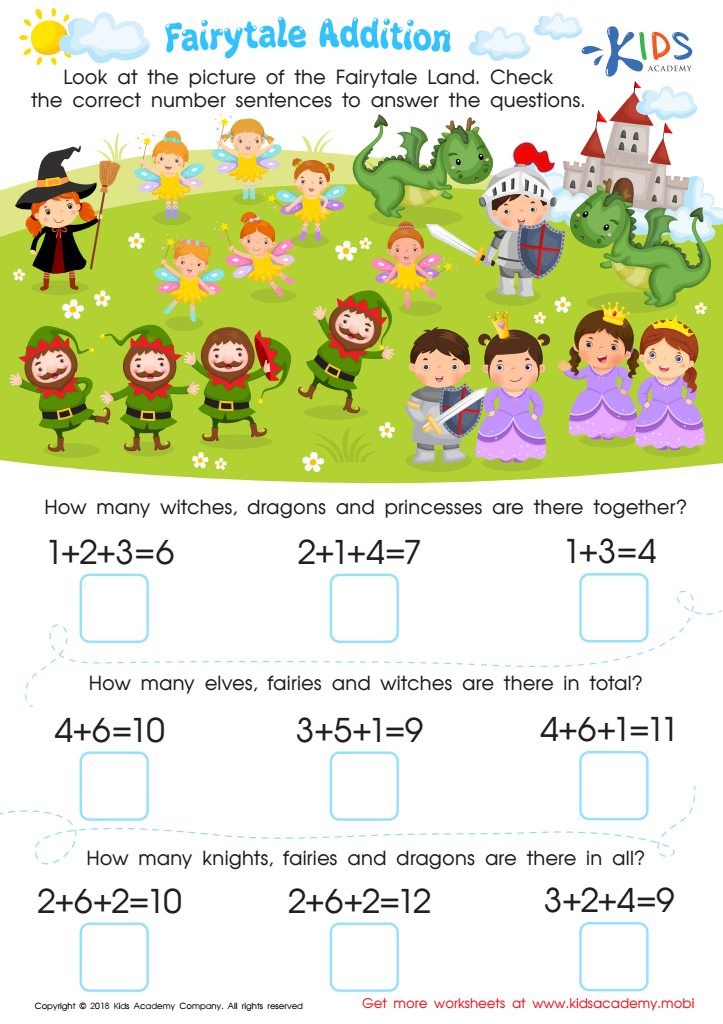
Fairytale Addition Worksheet
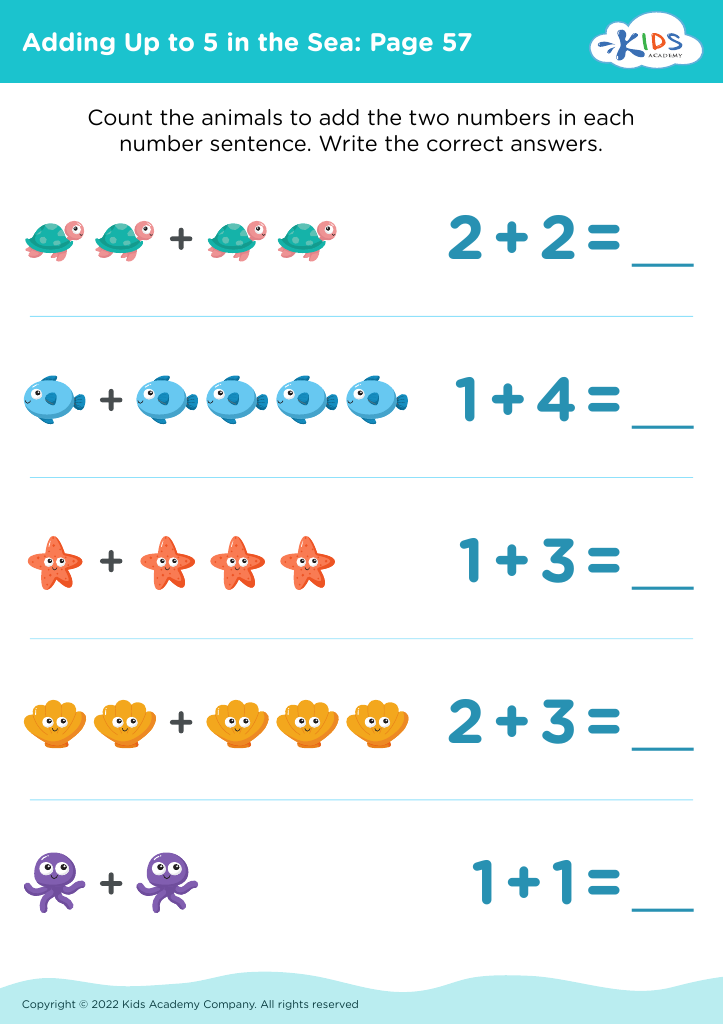
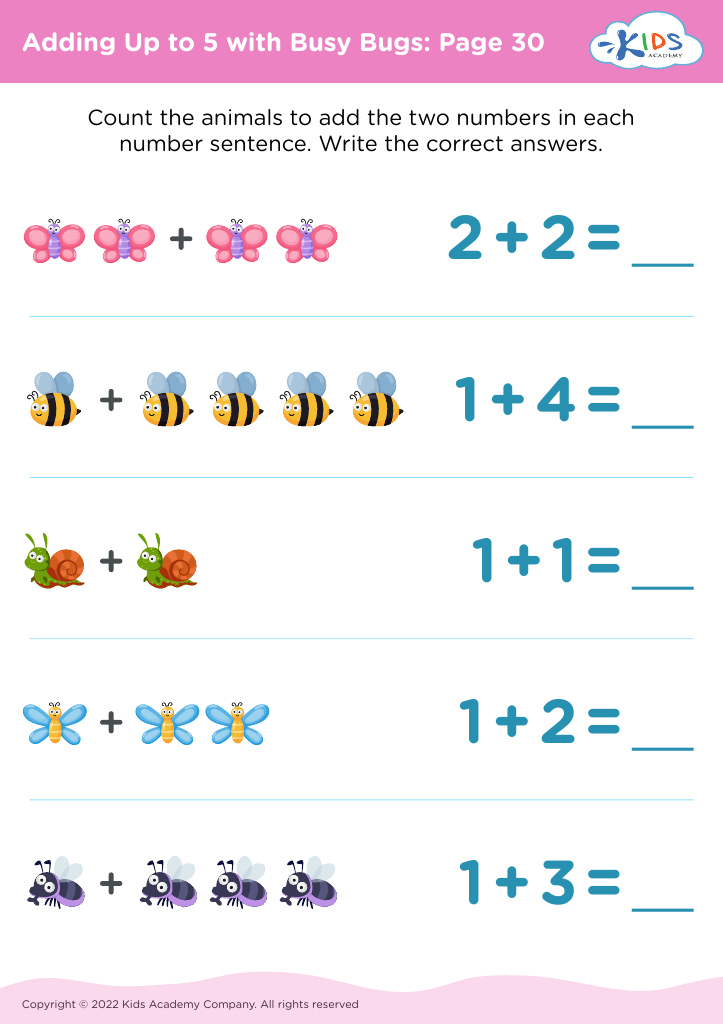
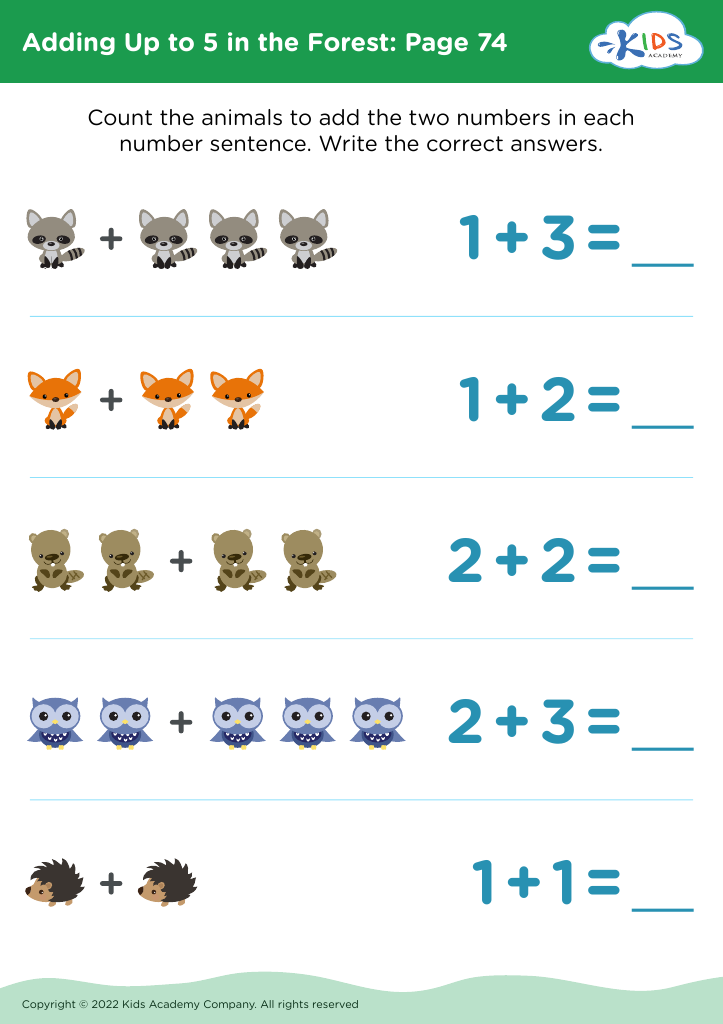
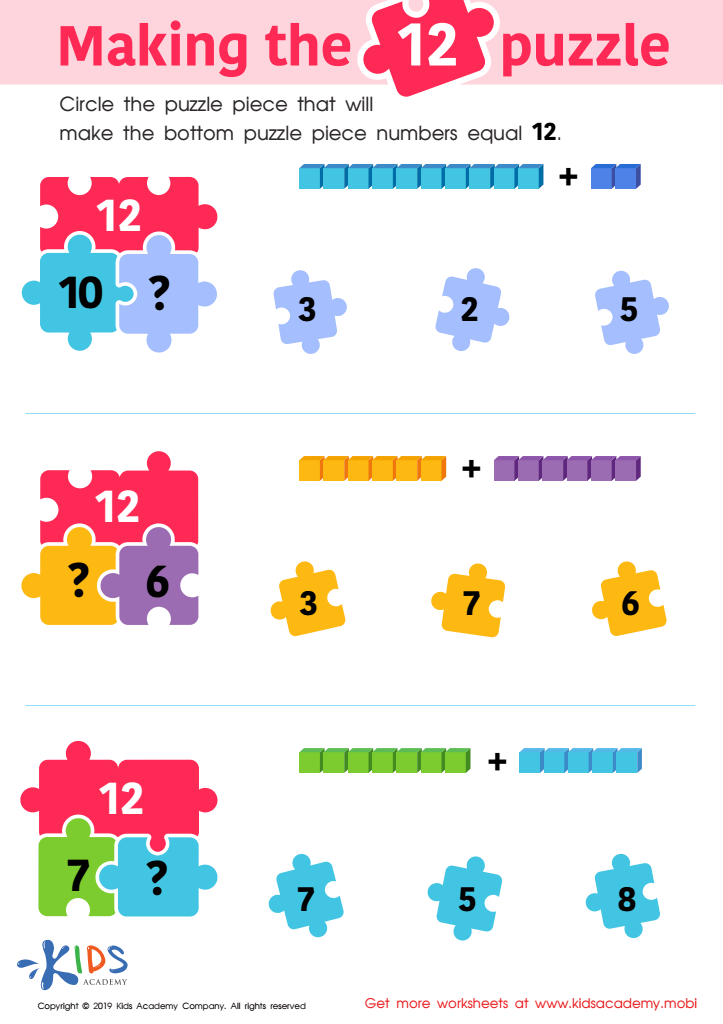
Making the 12 Puzzle Worksheet
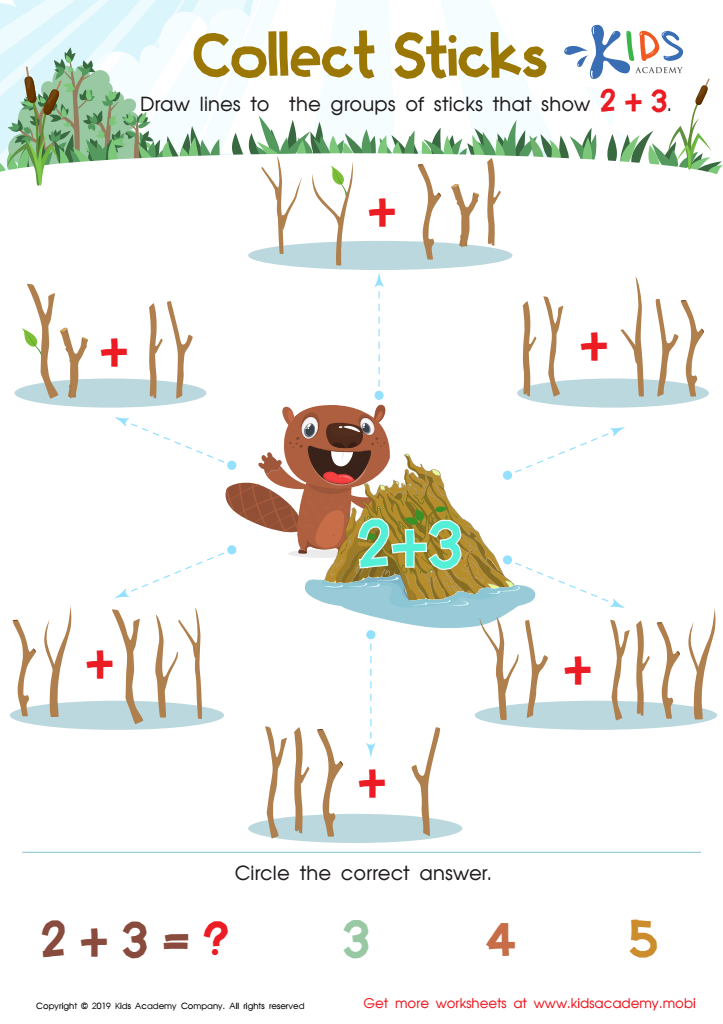
Collect Sticks Worksheet
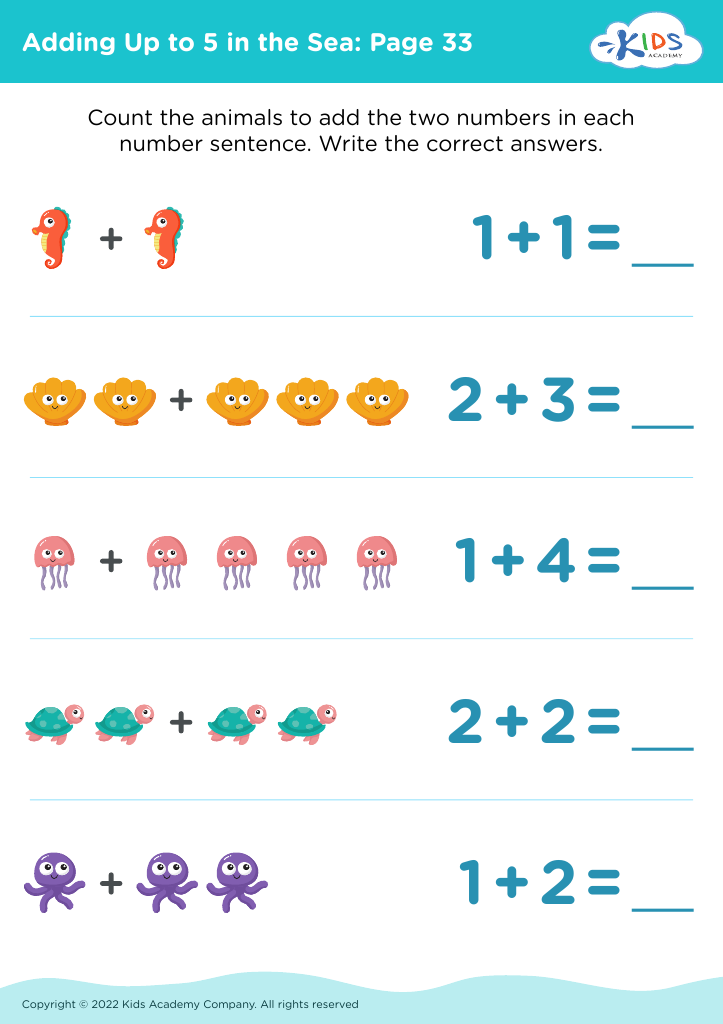
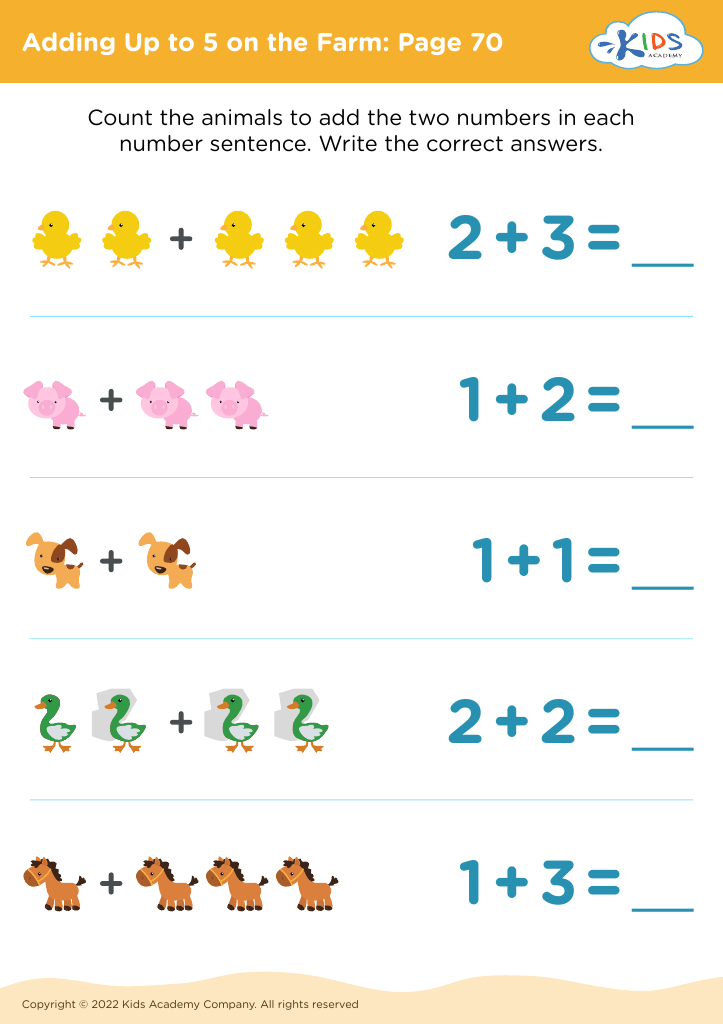
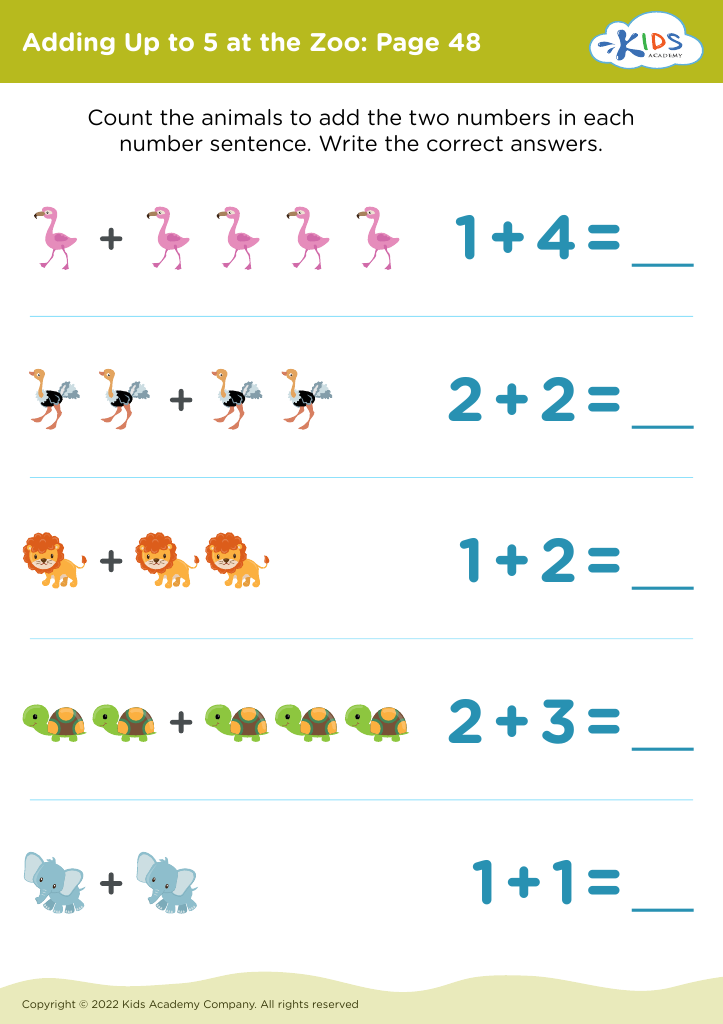
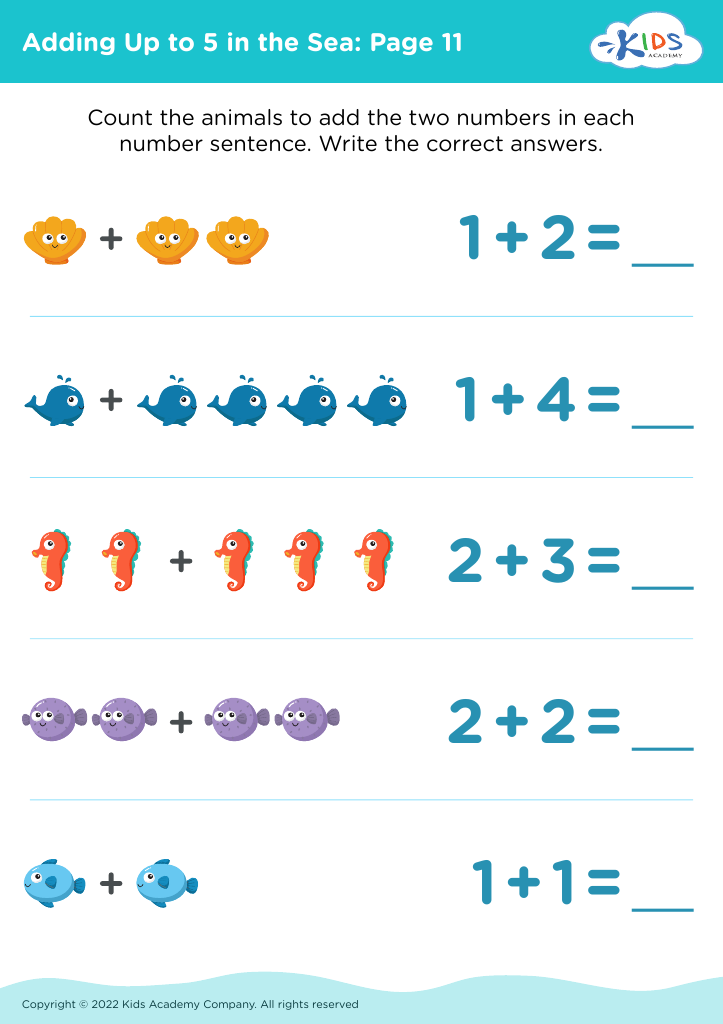
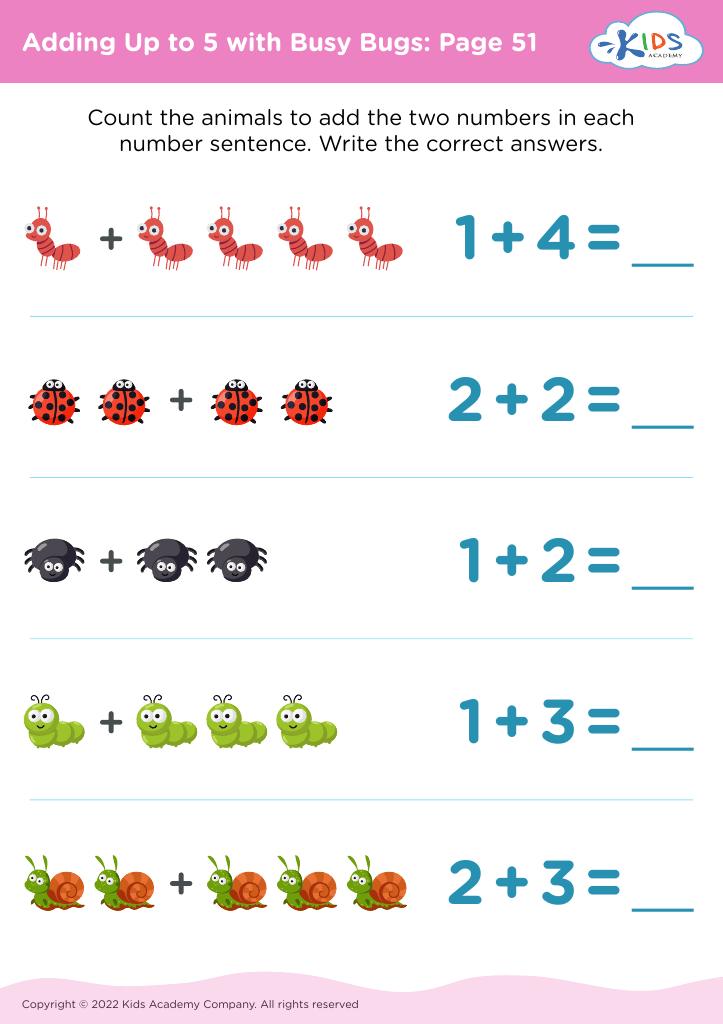



.jpg)




Parents and teachers should prioritize addition practice for children aged 4-5 because foundational math skills are crucial for their overall cognitive development and later academic success. At this age, children's brains are highly receptive to new information, making it an ideal time to introduce basic arithmetic. Learning addition enhances their numerical understanding, boosts their problem-solving skills, and builds a solid foundation for more complex mathematical concepts.
Practicing addition helps kids develop logical thinking and pattern recognition while fostering a positive attitude toward math. These early math skills are shown to correlate with better performance in both math and other subjects as children progress in their education. Moreover, engaging in addition activities helps improve focus, attention span, and fine motor skills.
For parents and teachers, it is an opportunity to nurture a love for learning. Interactive addition exercises can be fun and engaging, turning learning into a playful experience rather than a chore. By supporting early math practice, adults encourage a growth mindset, reinforcing that persistence leads to success. This foundation not only benefits academic learning but also real-life skills such as budgeting, time management, and logical decision-making. Therefore, investing time in addition practice for young children lays the groundwork for their future educational and life achievements.








