Basic Counting Numbers Worksheets for Ages 4-5
3 filtered results
-
From - To
Discover the perfect resource to kickstart your child's mathematical journey with our Basic Counting Numbers Worksheets for Ages 4-5. Specifically designed for young learners, these engaging and colorful worksheets help children grasp fundamental counting skills, enhancing their number recognition and sequence comprehending ability. Ideal for preschool and kindergarten, these fun activities promote active learning through interactive exercises that kids adore. Our worksheets make counting an enjoyable experience, fostering a strong numerical foundation and boosting confidence. Unlock your child's potential and make learning numbers a joyful adventure with Kids Academy's expert-crafted worksheets.
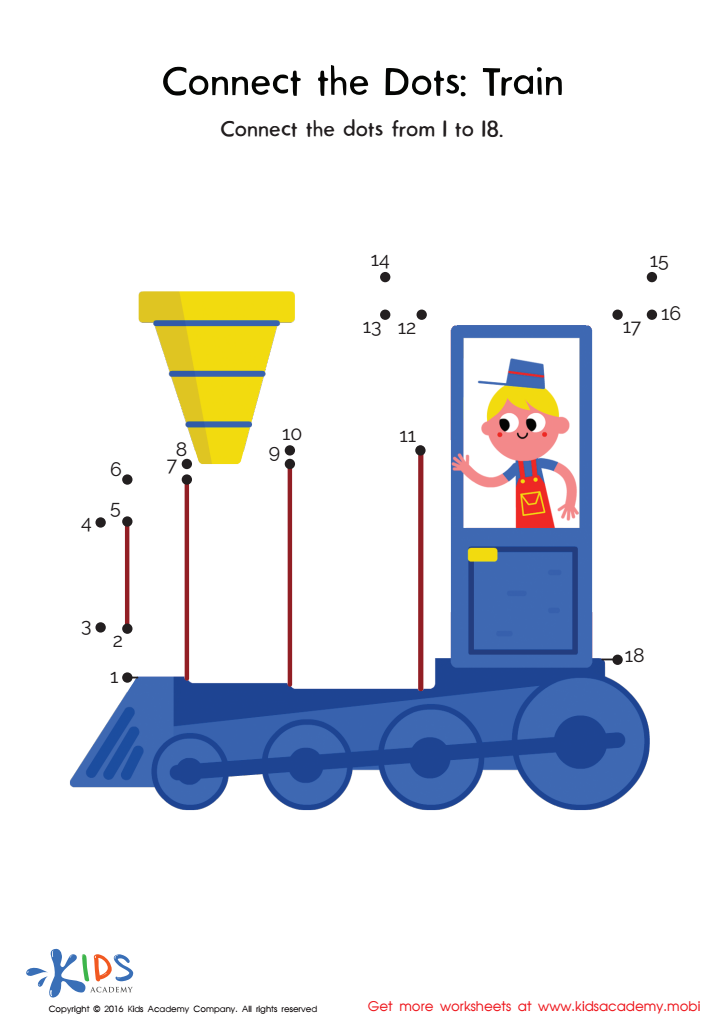
 Assign to My Students
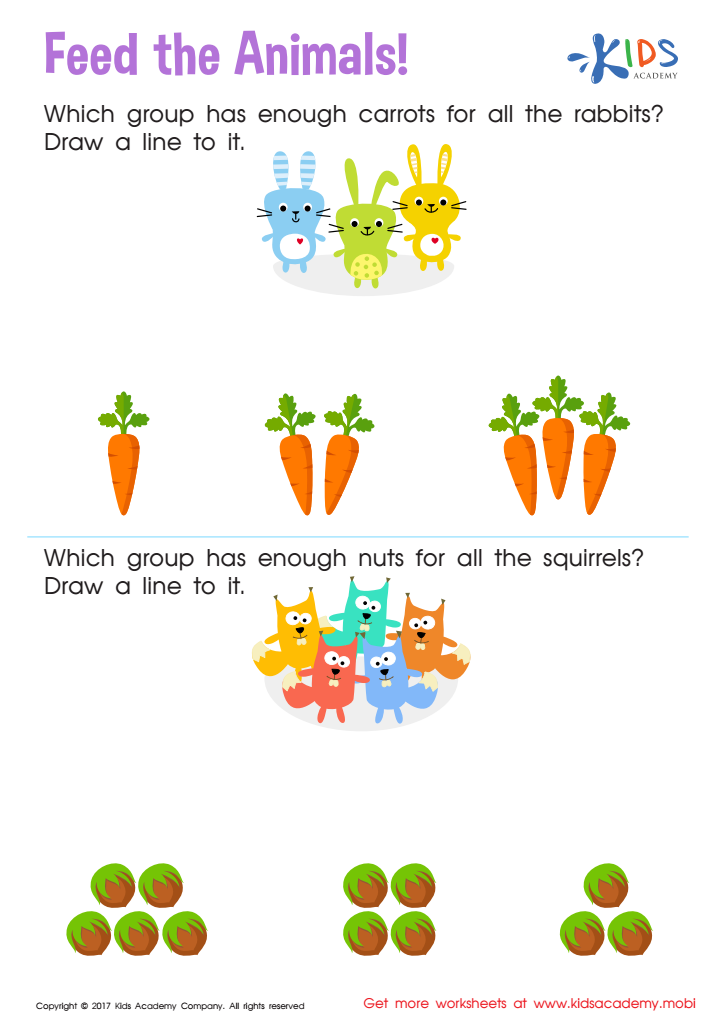
Count and Match: Feed the Animals Worksheet
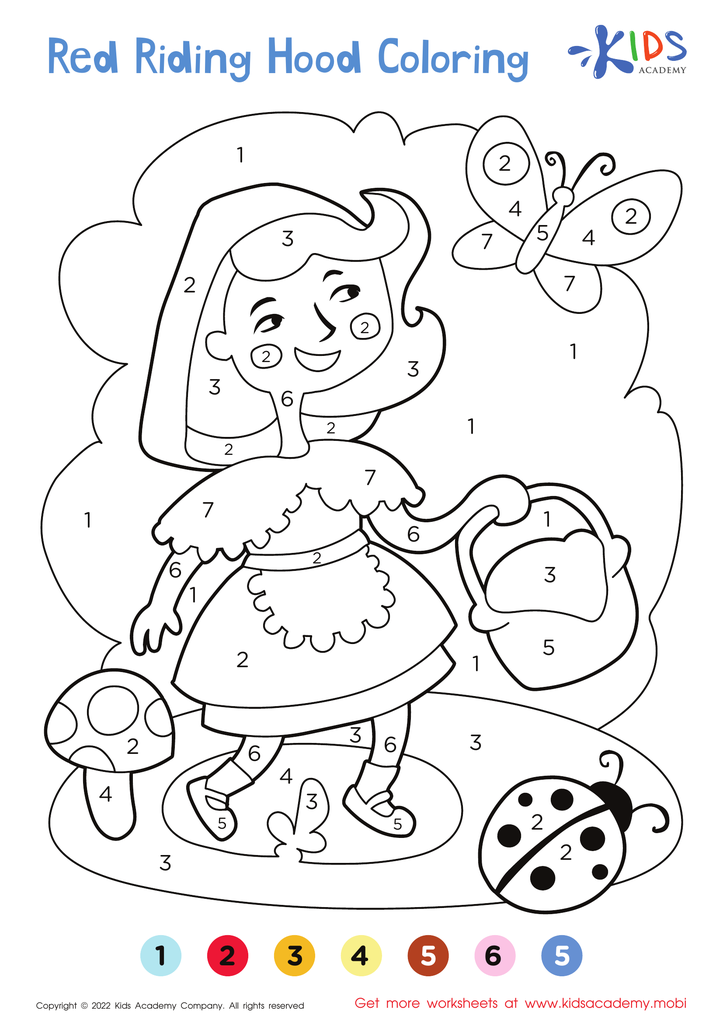
Little Red Riding Hood – Coloring by Numbers





.jpg)


Parents and teachers should care deeply about teaching basic counting numbers to children ages 4-5 because early numeracy skills are foundational for later mathematical understanding and overall cognitive development. At this age, children's brains are highly receptive to new information, making it the ideal time to introduce basic counting concepts. Counting helps develop not only numerical skills but also enhances problem-solving abilities, logical thinking, and attention to detail.
Knowing basic counting numbers aids children in understanding more complex mathematical concepts they will encounter later in school. It also enhances their ability to recognize and create patterns, an important concept in both math and understanding the world around them. Additionally, familiarity with numbers and counting can boost a child's confidence and willingness to engage with math-related tasks, combating math anxiety from an early age.
Furthermore, learning to count improves language development through the acquisition of number vocabulary and enhances social skills as children often engage in collaborative counting activities. Real-world applications, such as understanding quantities, telling time, and handling money, also heavily rely on counting skills. Therefore, prioritizing basic counting education for young children lays the groundwork for future academic achievements and practical life skills.








