Enhancing fine motor skills Math Worksheets for Ages 4-5
3 filtered results
-
From - To
Discover our engaging "Enhancing Fine Motor Skills Math Worksheets" designed specifically for children aged 4-5. These worksheets seamlessly combine fun and learning, allowing young learners to develop essential fine motor skills while exploring foundational math concepts. Activities include connecting dots, tracing numbers, and creative coloring, all aimed at improving hand-eye coordination and dexterity. Our user-friendly format encourages independent practice and supports cognitive development through playful exercises. Perfect for both classroom settings and at-home learning, these worksheets make math enjoyable, laying the groundwork for future academic success. Equip your child for a brighter learning journey with our curated collection!
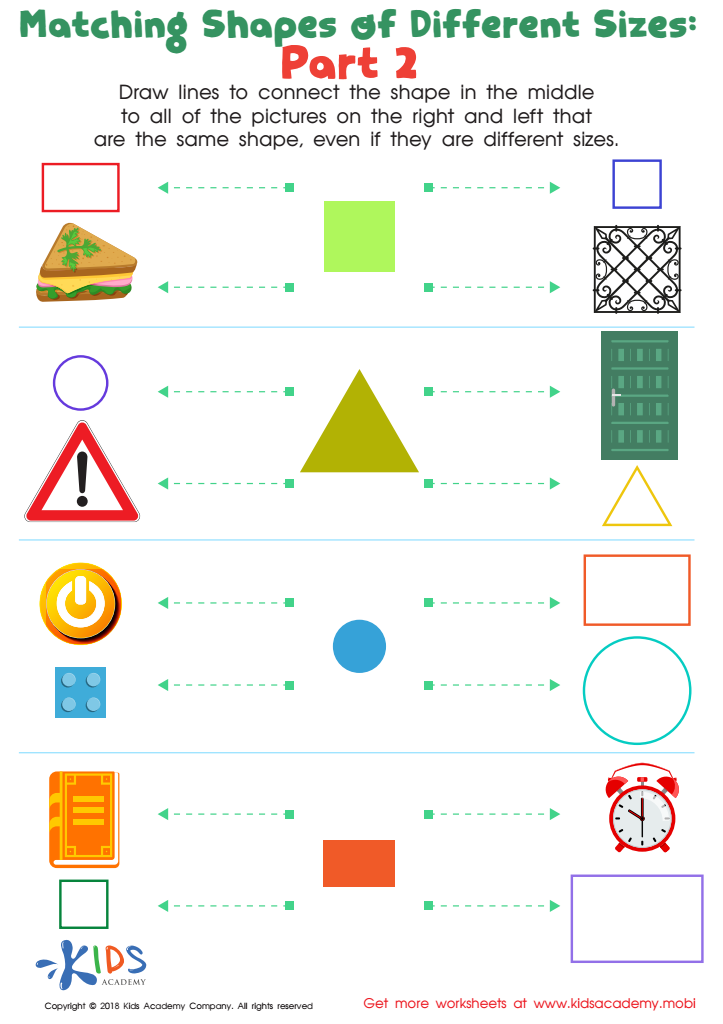
Geometry: Part 2 Worksheet
 Assign to My Students
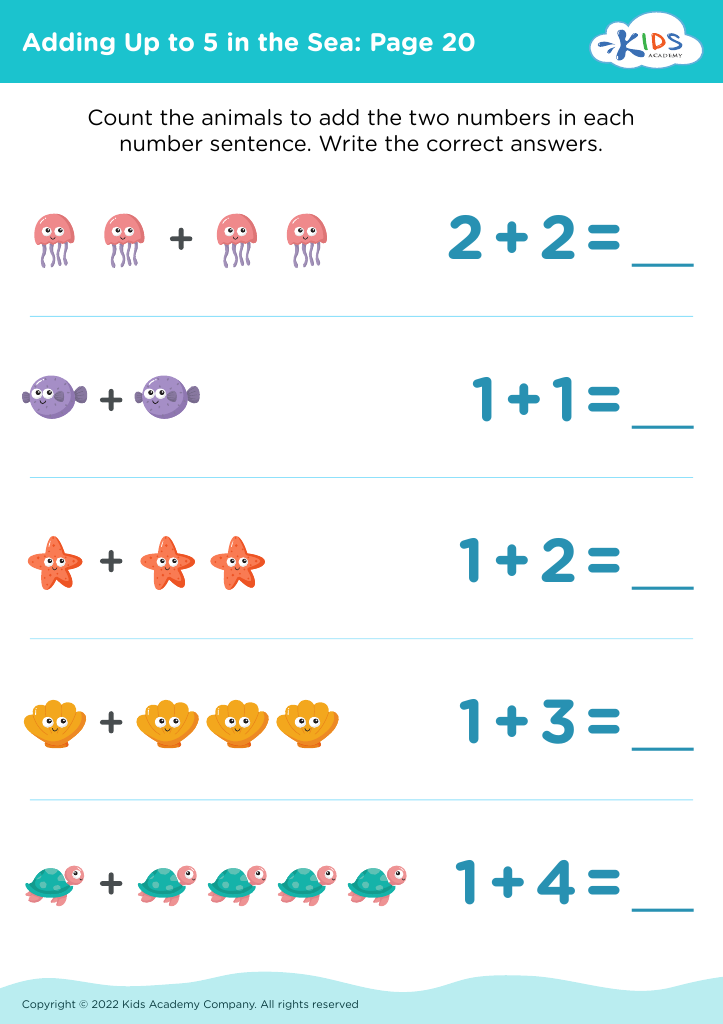
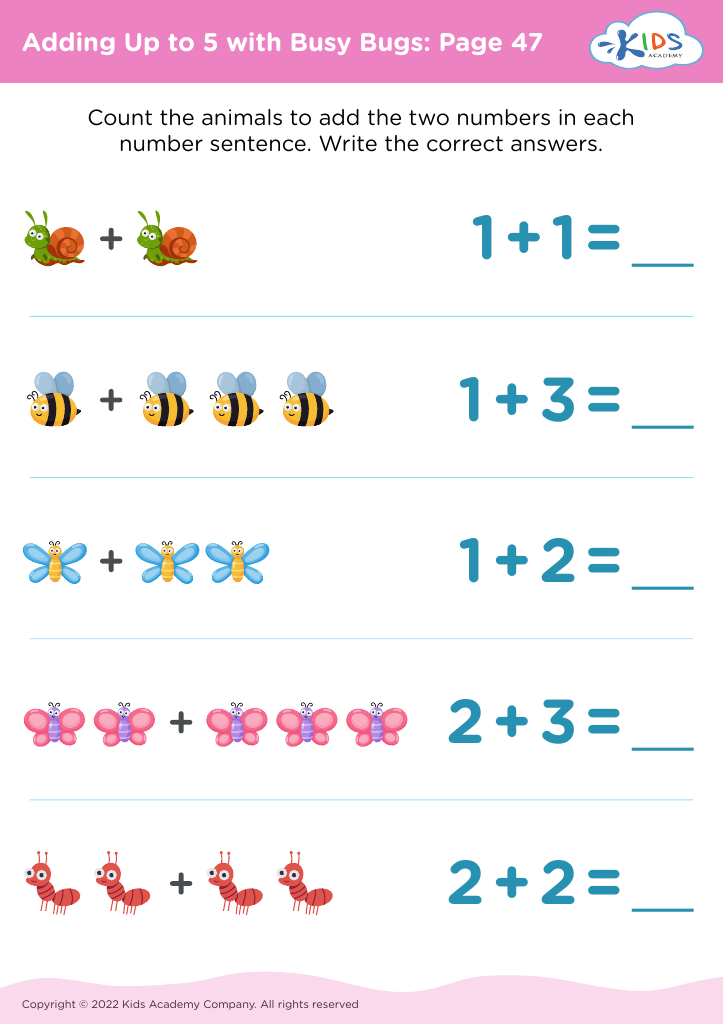







Enhancing fine motor skills in young children, particularly in the context of math, is crucial for their overall development. For children aged 4-5, fine motor skills involve the coordination of small muscles in hands and fingers, which play a significant role in various early math activities. As children engage in tasks like counting, sorting, and creating patterns, they practice using tools such as crayons, scissors, and manipulatives, building essential hand-eye coordination and dexterity.
Moreover, fine motor skills support cognitive development by fostering problem-solving abilities and spatial awareness, key components of early mathematical understanding. Activities that promote these skills, such as drawing shapes or assembling puzzles, not only help strengthen their hand movements but also create a tangible connection to math concepts.
When parents and teachers prioritize fine motor skill development, they lay a foundation for academic success and a positive attitude toward learning. Children who can manipulate objects with precision are often more confident in their abilities, helping to build resilience and a growth mindset. Essentially, focusing on fine motor skills in math sets the stage for future learning, enabling young learners to approach mathematical challenges with confidence and enthusiasm.








