Math problem-solving Math Worksheets for Ages 4-5
9 filtered results
-
From - To
Discover our engaging Math Problem-Solving Worksheets designed specifically for children ages 4-5! These worksheets offer a fun and interactive way for young learners to develop essential math skills, including basic addition and subtraction, pattern recognition, and problem-solving techniques. Our resources encourage critical thinking through colorful visuals and captivating scenarios tailored to captivate young minds. Each worksheet supports early math concepts through age-appropriate challenges, helping to build a strong foundation for future learning. Whether at home or in the classroom, these worksheets are perfect for fostering a love for math while enhancing logical reasoning skills. Explore the adventure in math today!
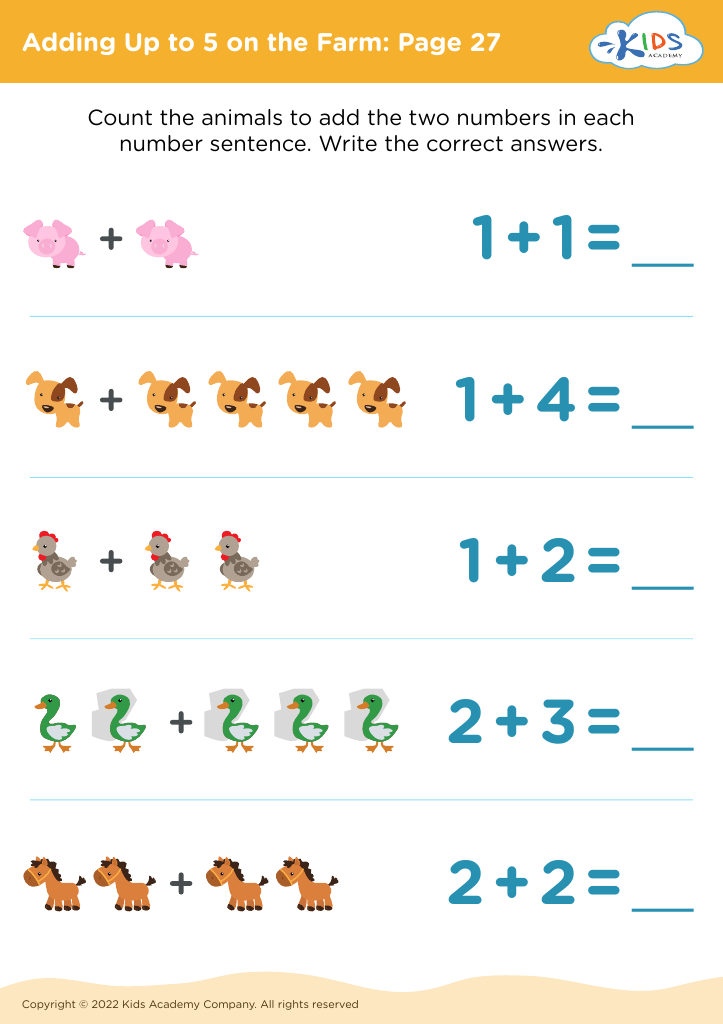
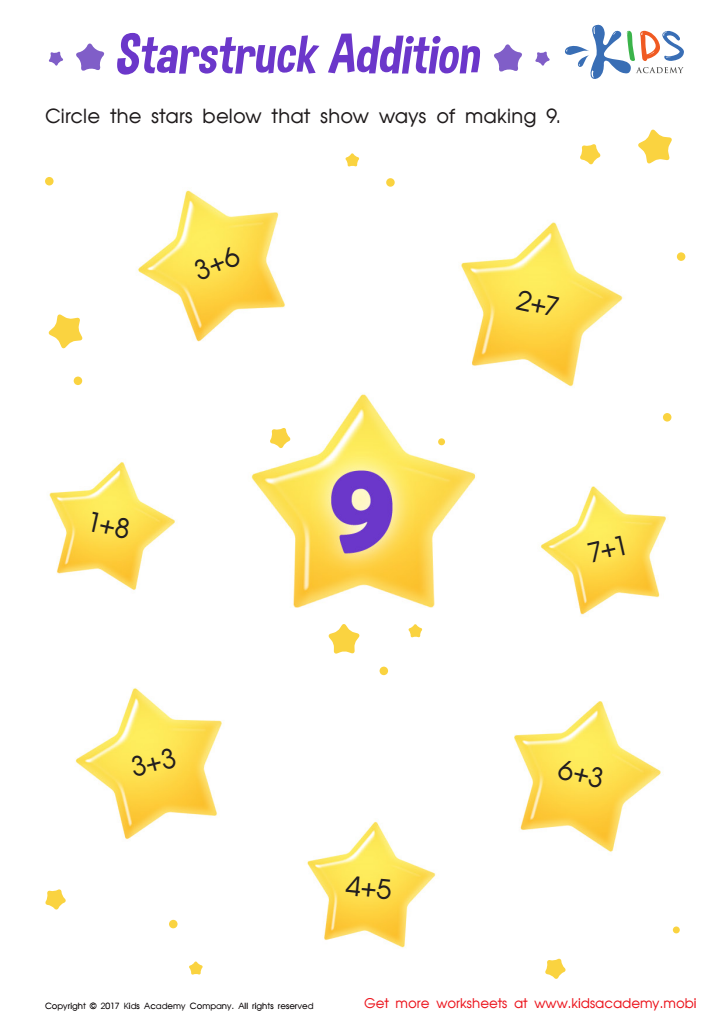
Starstruck Addition Printable
 Assign to My Students
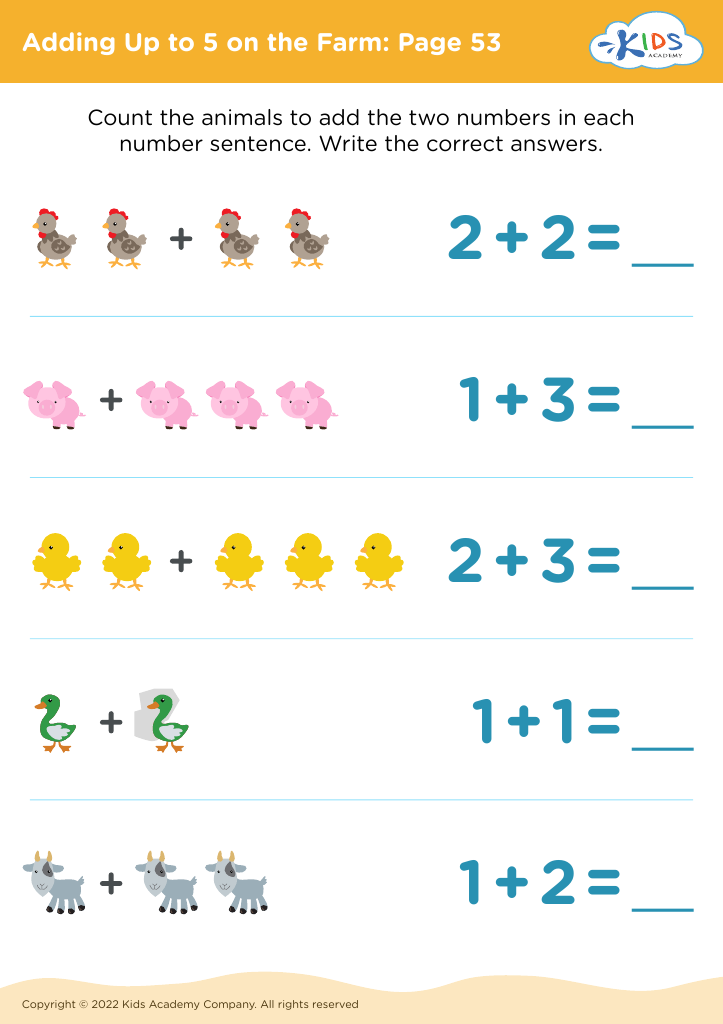
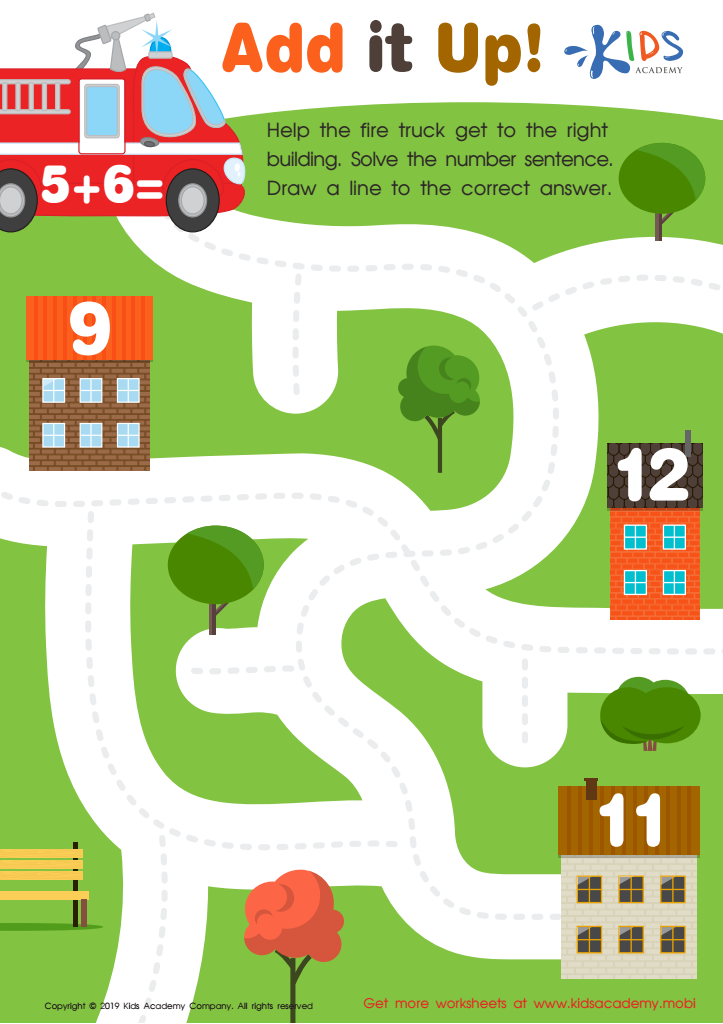
Add it Up Worksheet
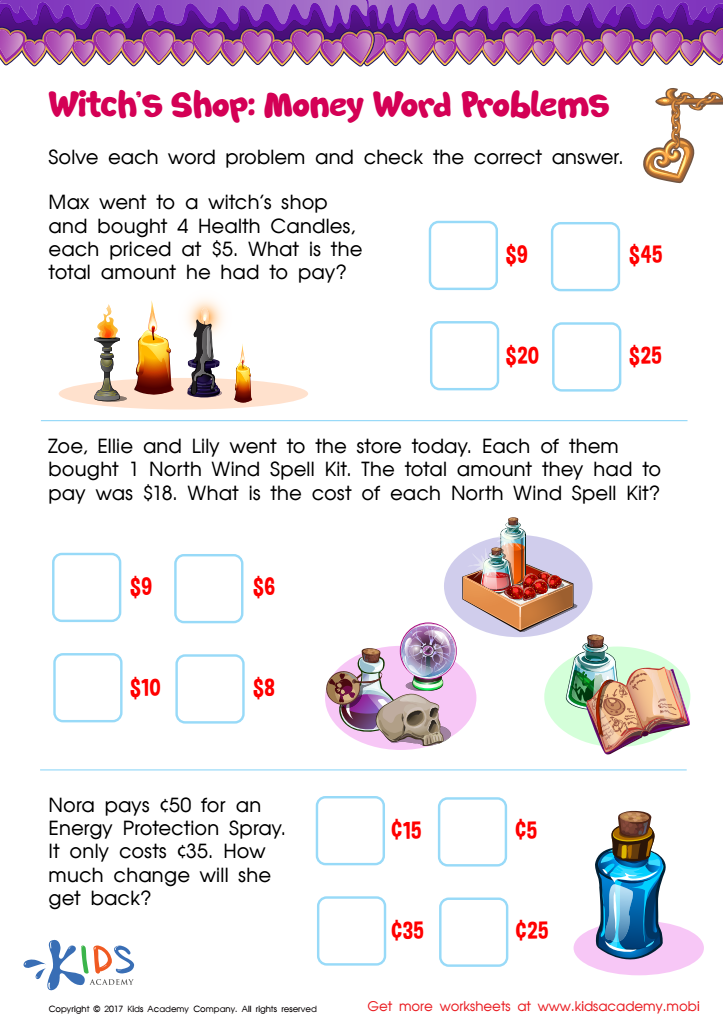
Money Word Problems Printable
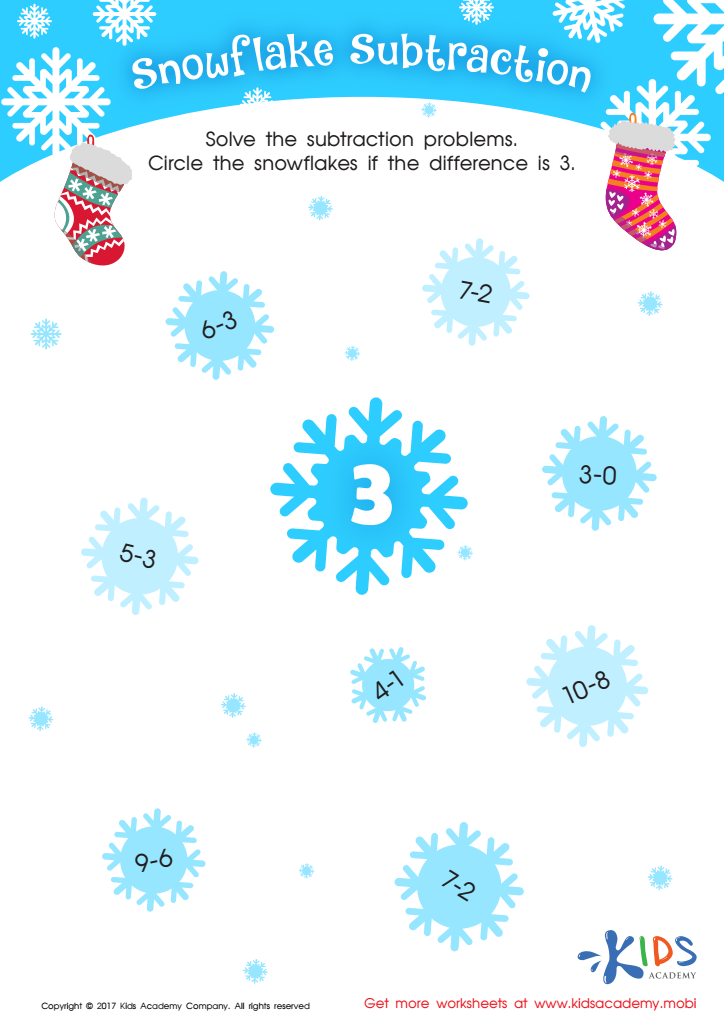
Snowflake Subtraction Worksheet
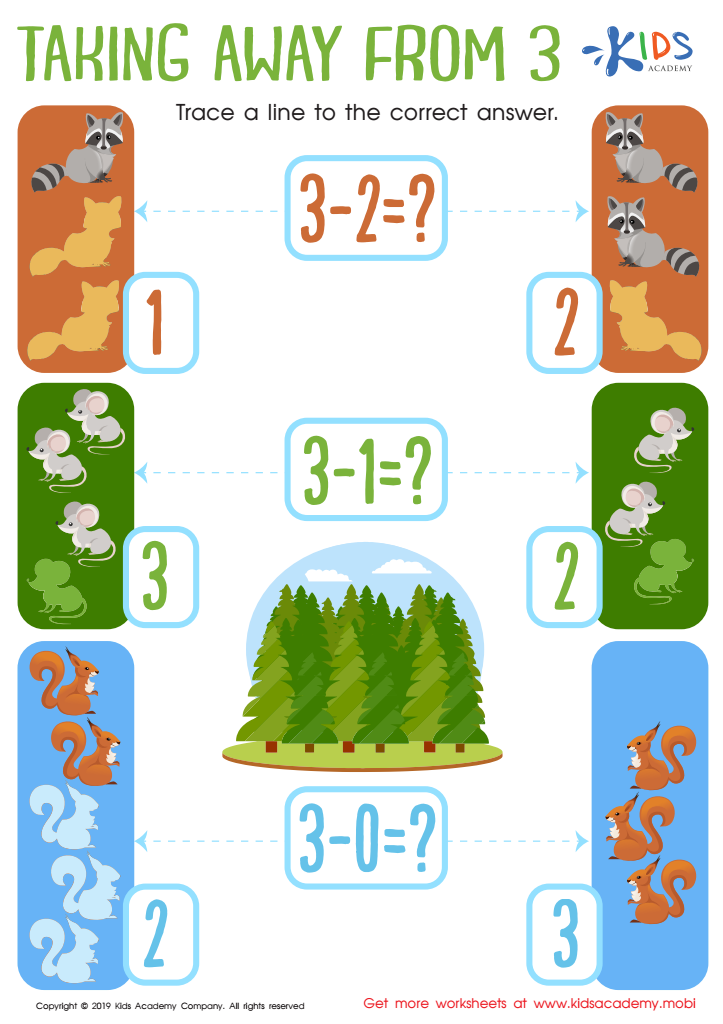
Taking Away From 3 Worksheet
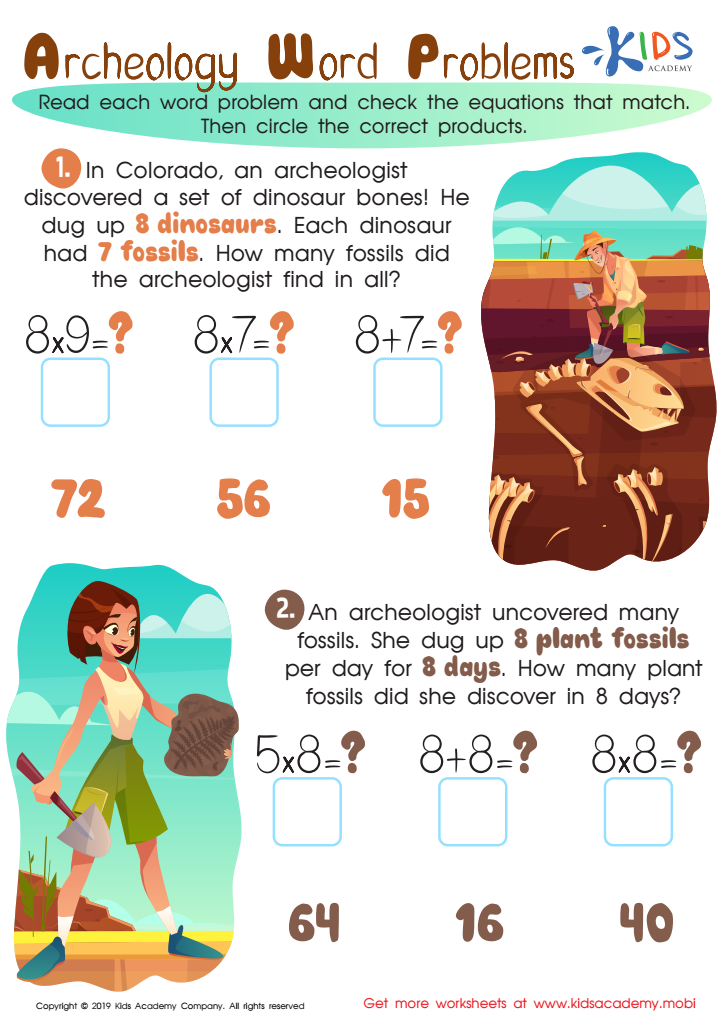
Archeology Word Problems Worksheet



.jpg)




Parents and teachers should prioritize math problem-solving for children ages 4-5 because early mathematical understanding lays the foundation for future academic success. At this age, children are naturally curious, and math can help them develop critical thinking and reasoning skills. Problem-solving encourages children to think logically and form connections between concepts, fostering cognitive development.
Additionally, engaging in math problem-solving enhances children’s ability to represent ideas using numbers, shapes, and patterns. This not only builds their confidence but also helps them to communicate and collaborate with peers effectively. By incorporating playful math activities into daily routines, children can apply their problem-solving skills in real-life contexts, making learning meaningful and enjoyable.
Moreover, early math proficiency has lasting impacts on future educational trajectories. Studies have shown a strong correlation between early math skills and later academic performance in both math and reading. As such, encouraging playful exploration of math concepts nurtures a lifelong love for learning and equips children with essential skills for the 21st century.
In summary, cultivating problem-solving in early childhood not only supports cognitive and social skills development but also provides children with foundational skills that are crucial for their academic futures and everyday life.








