Math skills improvement Math Worksheets for Ages 4-5
3 filtered results
-
From - To
Boost your child's math skills with our expertly designed Math Worksheets for Ages 4-5. Crafted to make learning fun and effective, these worksheets help young learners master counting, addition, subtraction, pattern recognition, and more. Our engaging activities promote critical thinking and problem-solving, laying a strong mathematical foundation. Perfect for preschool and kindergarten students, these printable worksheets are tailored to individual learning paces, ensuring that children grasp key concepts with confidence. Foster a love for math early on and see your young mathematician's abilities soar with our top-quality math resources. Start your child’s learning journey today!
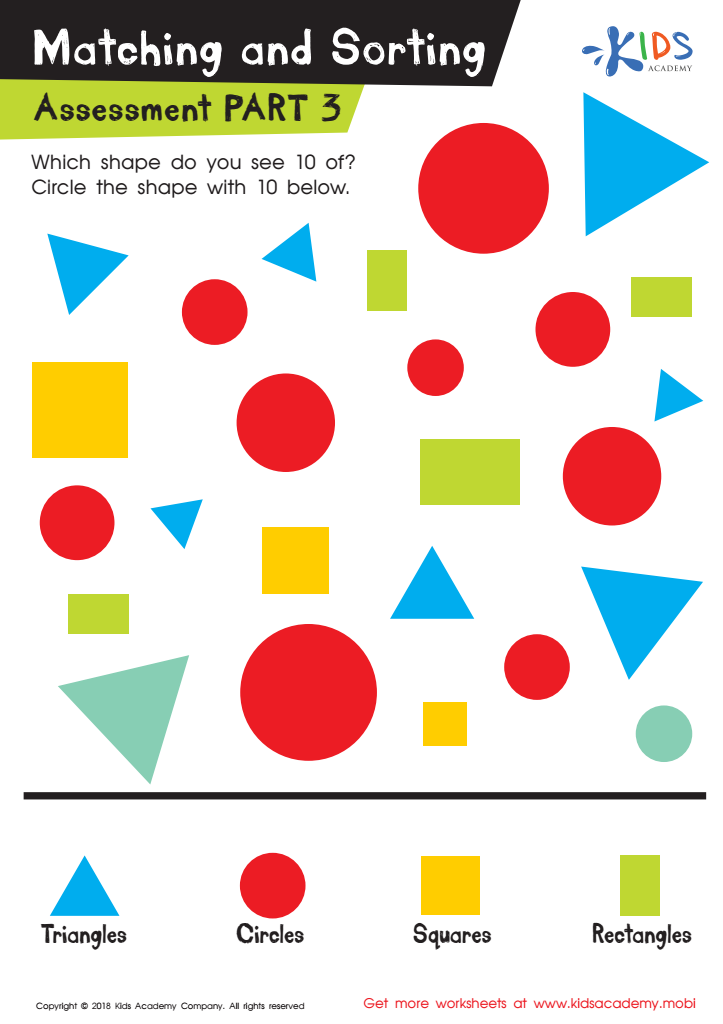
Matching and Sorting for Kindergarten: Assessment 3 Worksheet
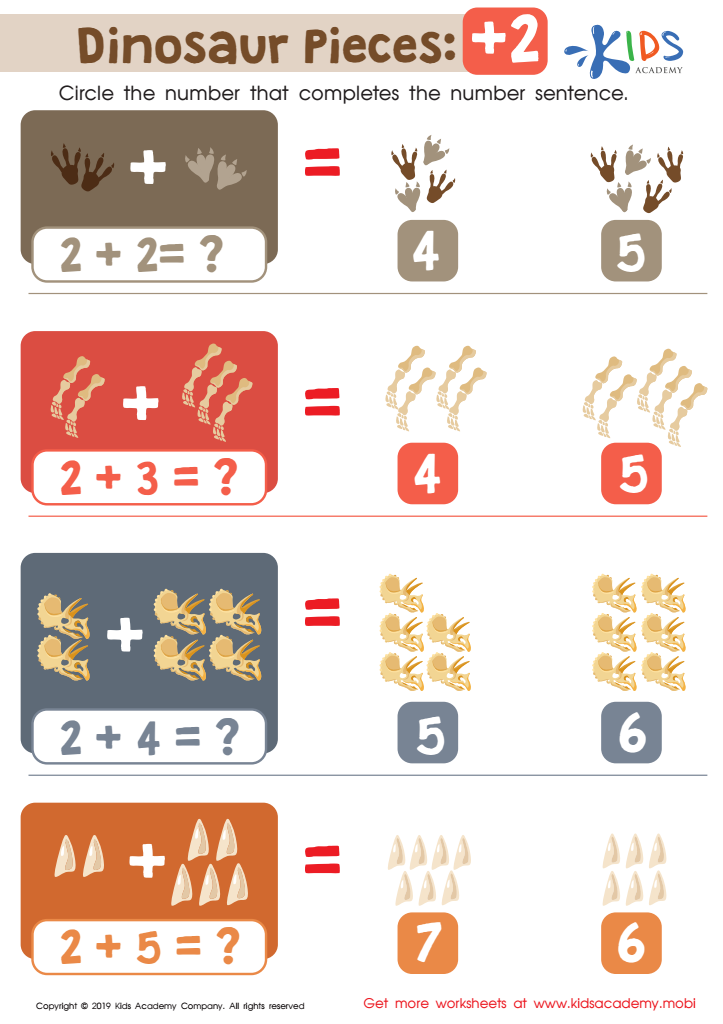
Dinosaur Pieces: +2 Worksheet
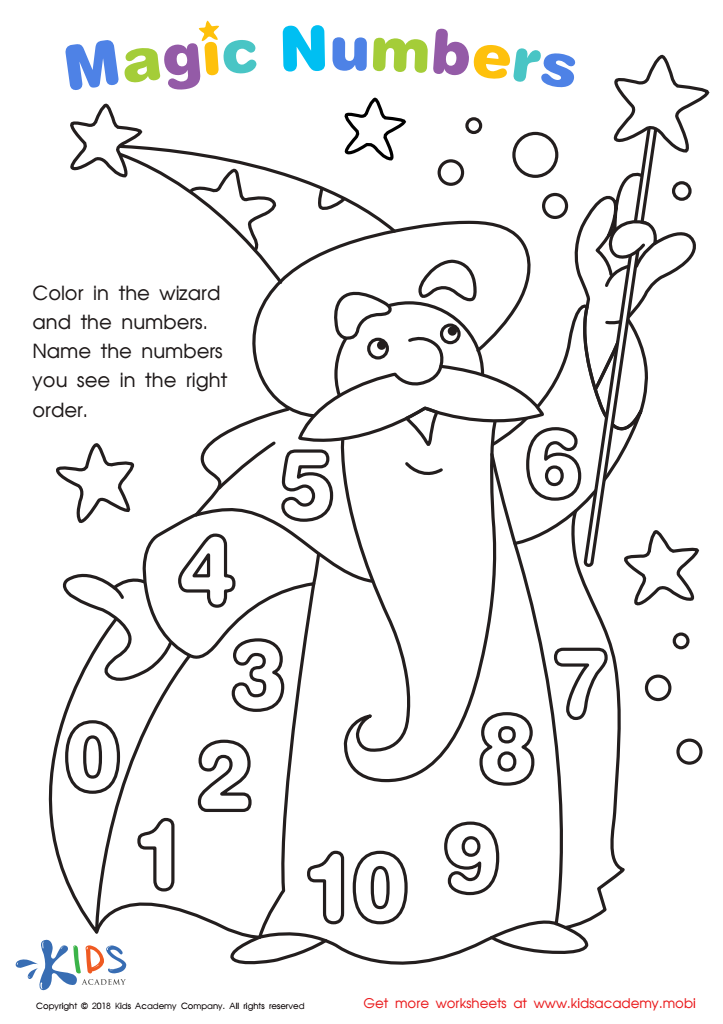
Magic Numbers Worksheet
 Assign to My Students








Math skills development for children aged 4-5 is crucial for several reasons, which both parents and teachers should deeply care about. At this formative stage, young learners develop basic cognitive abilities that are the building blocks for more complex thinking and problem-solving. Early math skills set the groundwork for logical reasoning and critical thinking, essential tools for success, not just in academics but in everyday life.
Engaging children in early math helps them understand fundamental concepts such as numbers, patterns, and measurements, which are part of daily routines like counting toys, dividing food, or recognizing shapes. These habits boost their confidence and enthusiasm for learning. Moreover, research shows a strong correlation between early math skills and future academic achievement. Children who grasp basic math concepts early are often better readers and writers because of the developed abstract and systematic thinking ability.
Additionally, math fosters better communication skills as children learn to articulate their thought processes and solutions. Socially, playing math-related games enhances their cooperation and teamwork skills. Thus, math is foundational not only for future STEM (Science, Technology, Engineering, and Mathematics) opportunities but also for overall cognitive, linguistic, and social development, making it imperative for parents and educators to prioritize early math skill improvement.








