Reading comprehension Math Worksheets for Ages 4-5 - Page 2
41 filtered results
-
From - To
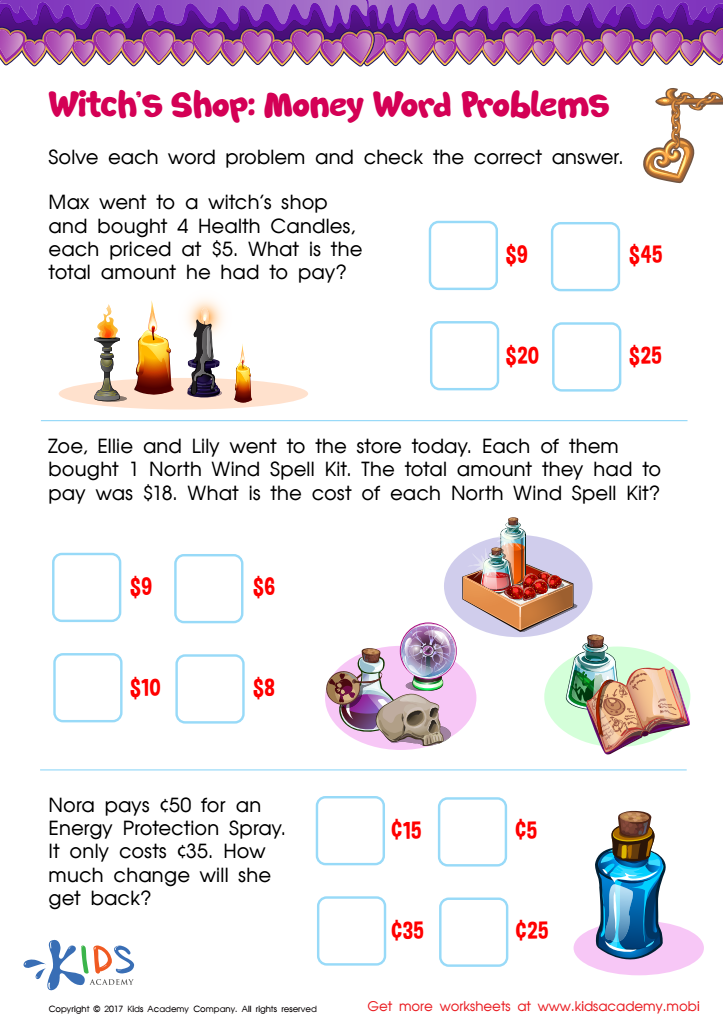
Money Word Problems Printable
 Assign to My Students
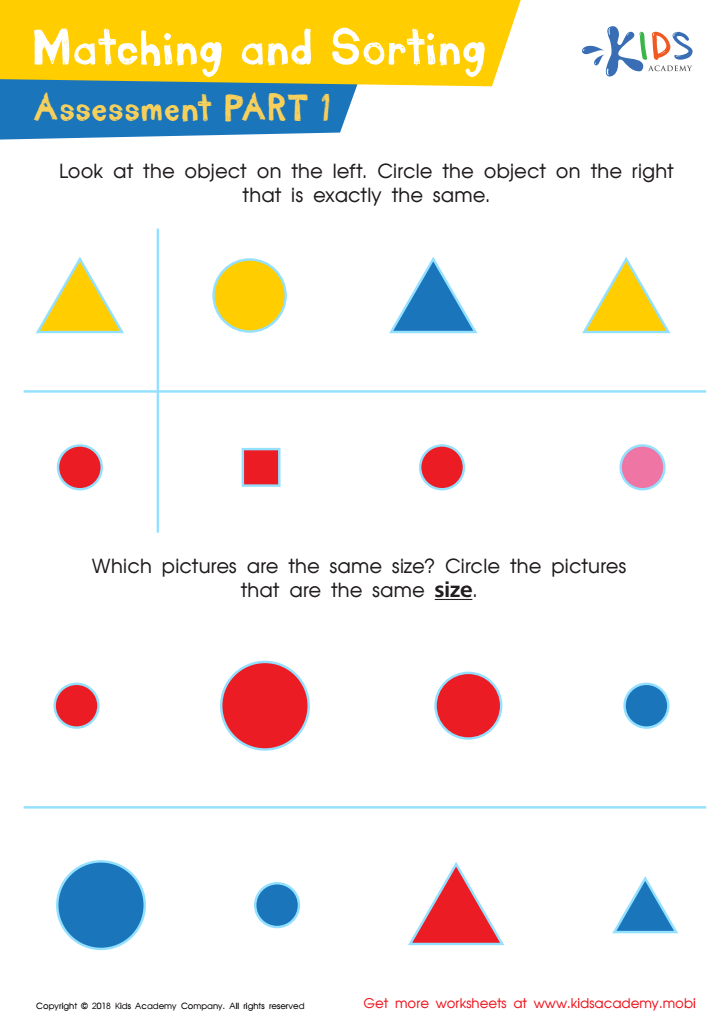
Matching and Sorting for Kindergarten: Assessment 1 Worksheet
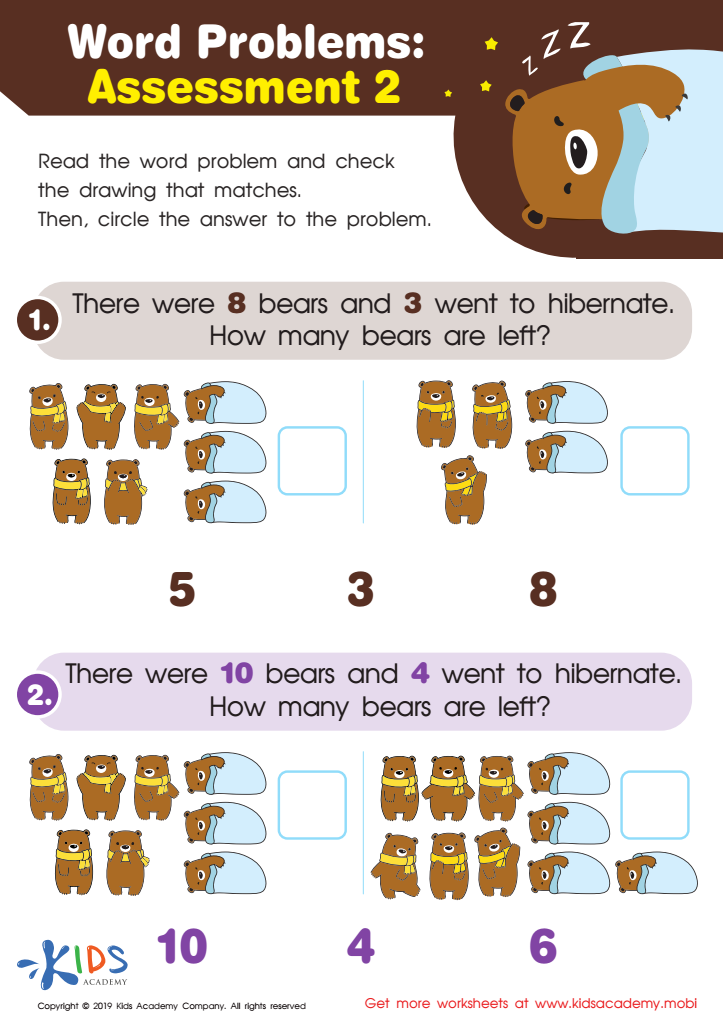
Word Problems: Assessment 2 Worksheet
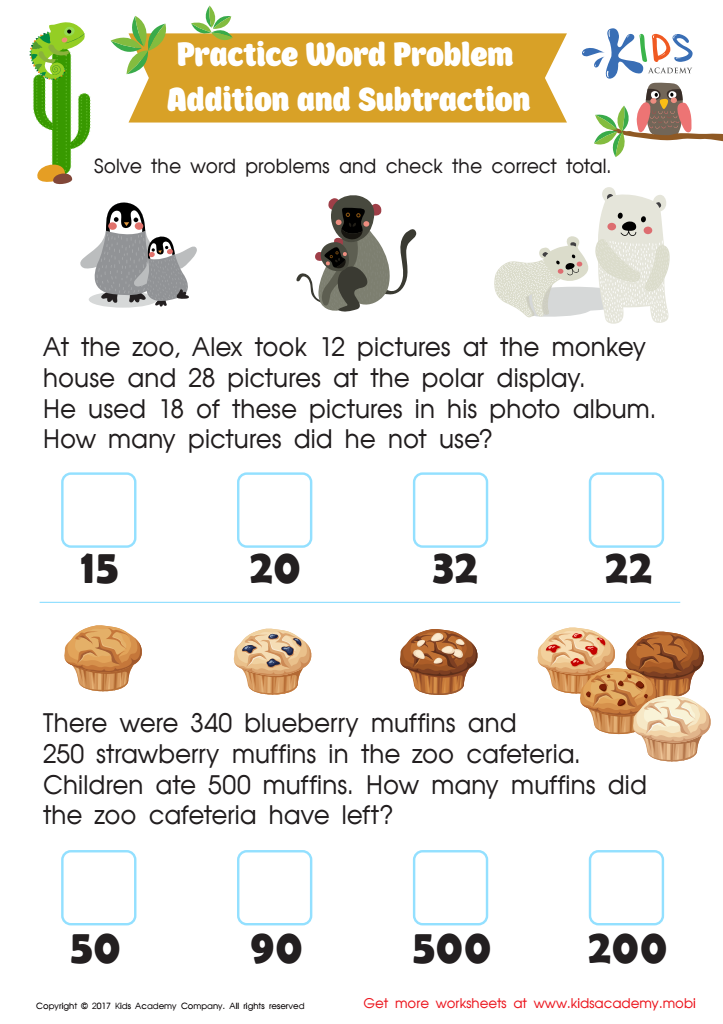
Addition and Subtraction: Word Problems Worksheet
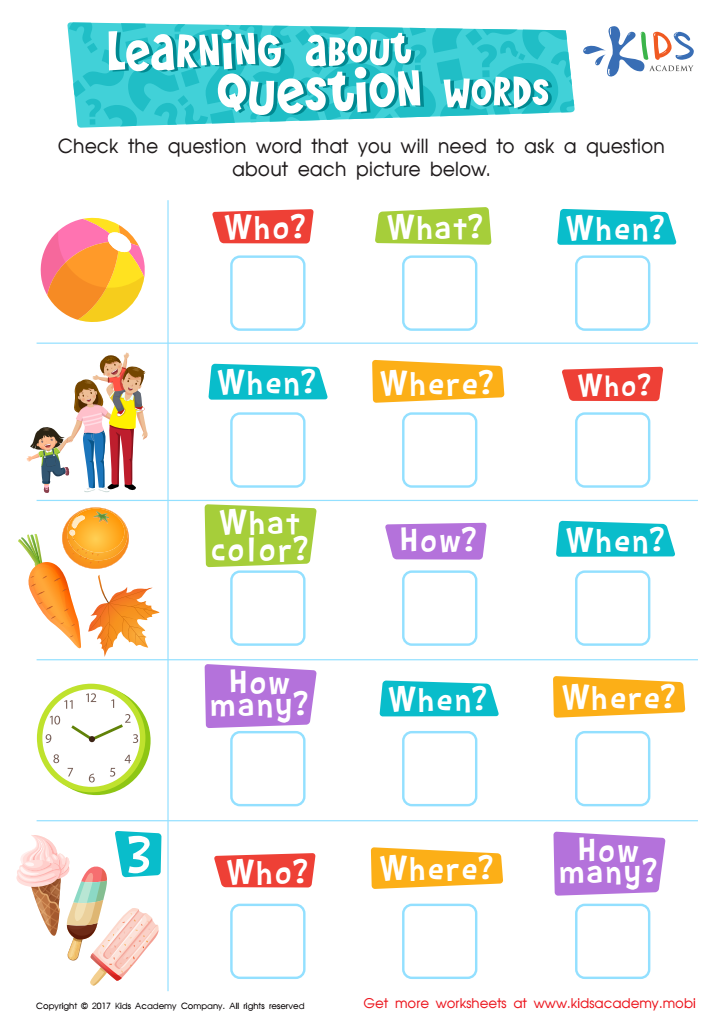
Learning about Question Words Worksheet
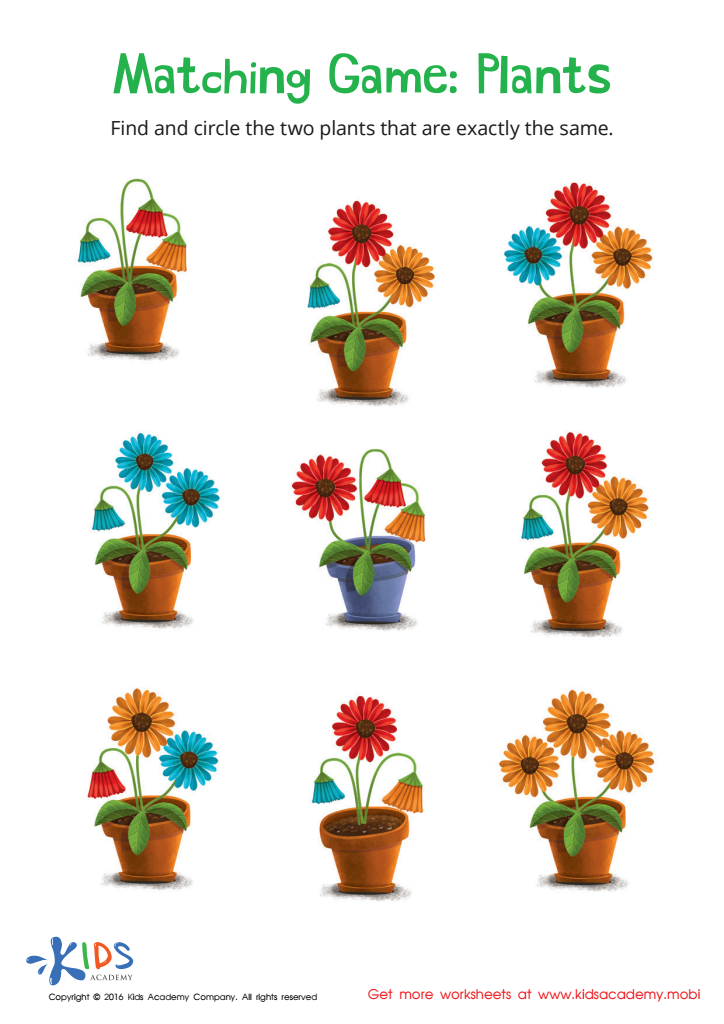
Matching: Plants Worksheet
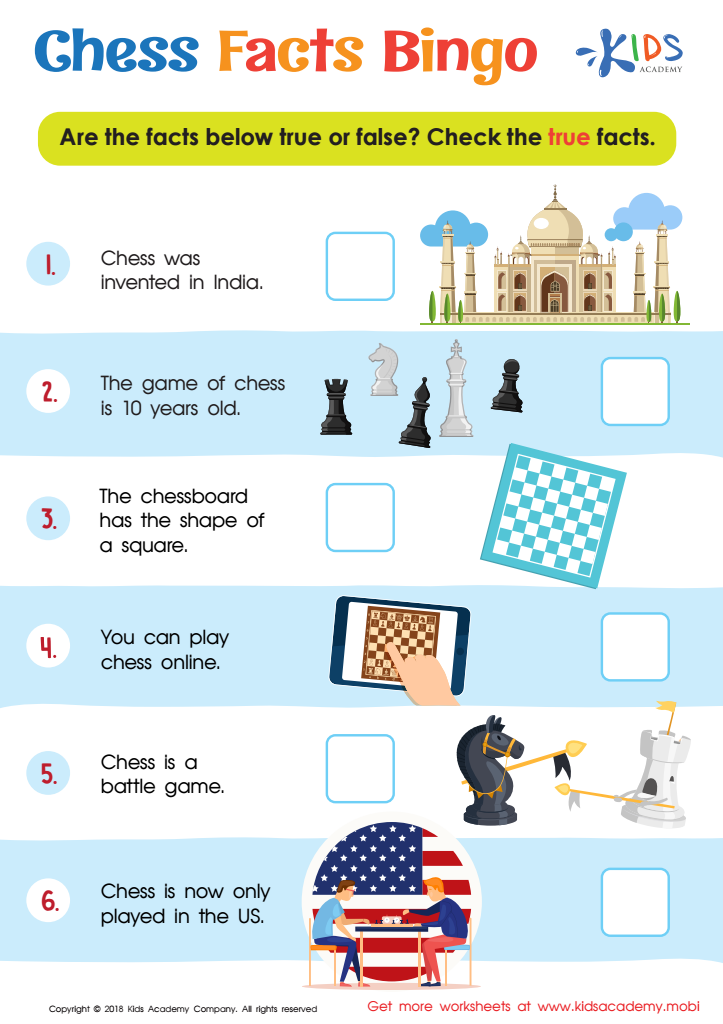
Chess Facts Bingo Worksheet
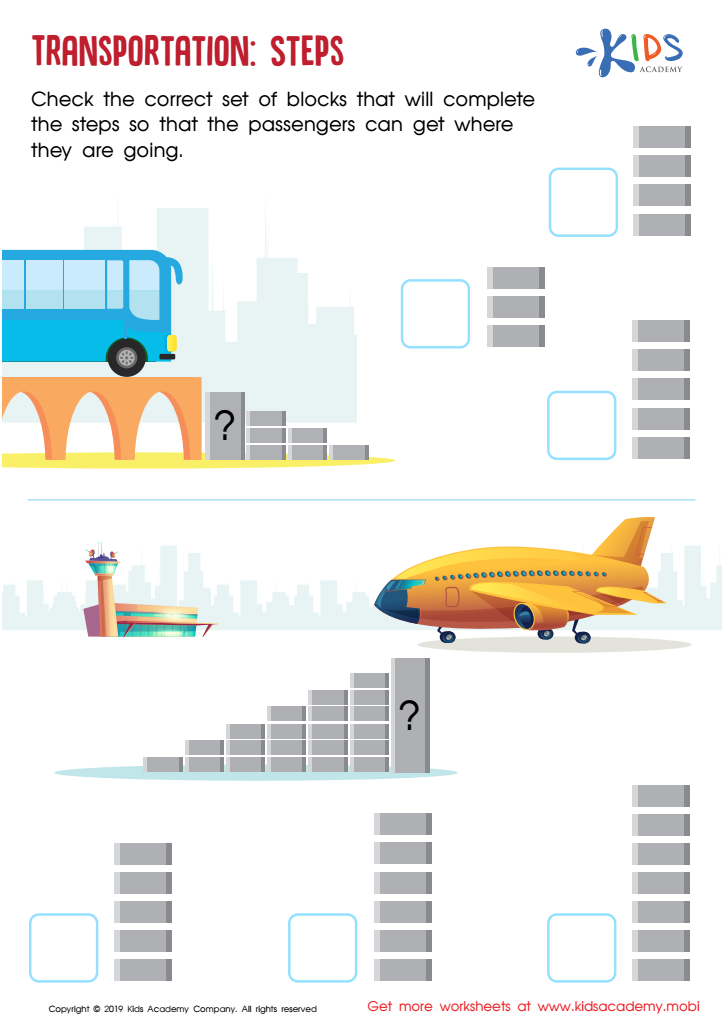
Transportation: Steps Worksheet
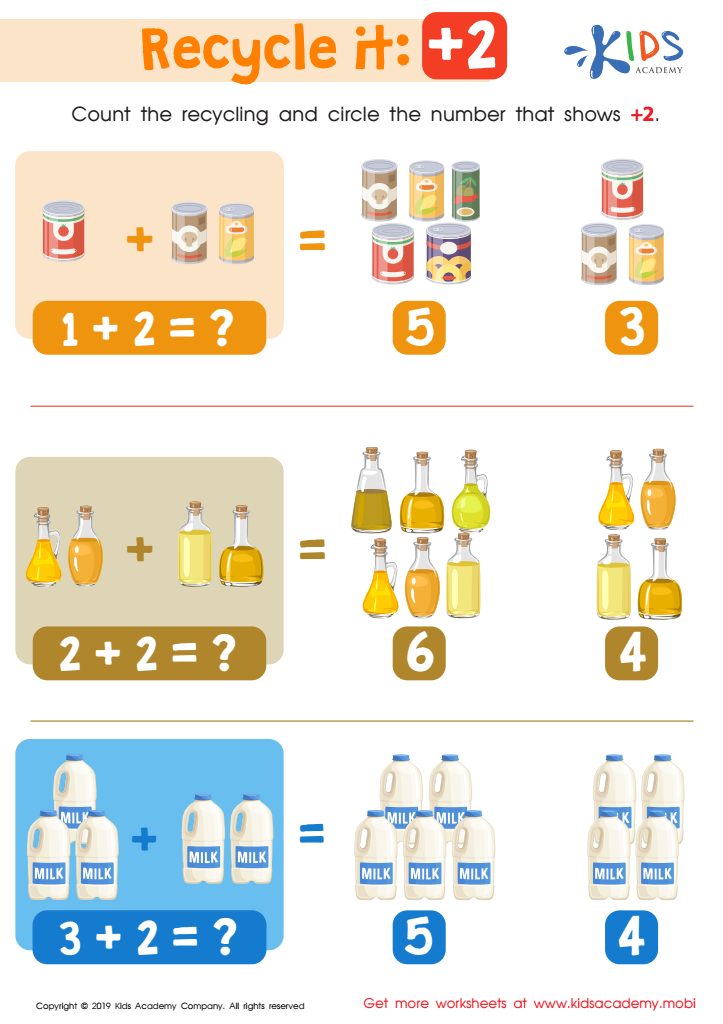
Recycle It: +2 Worksheet
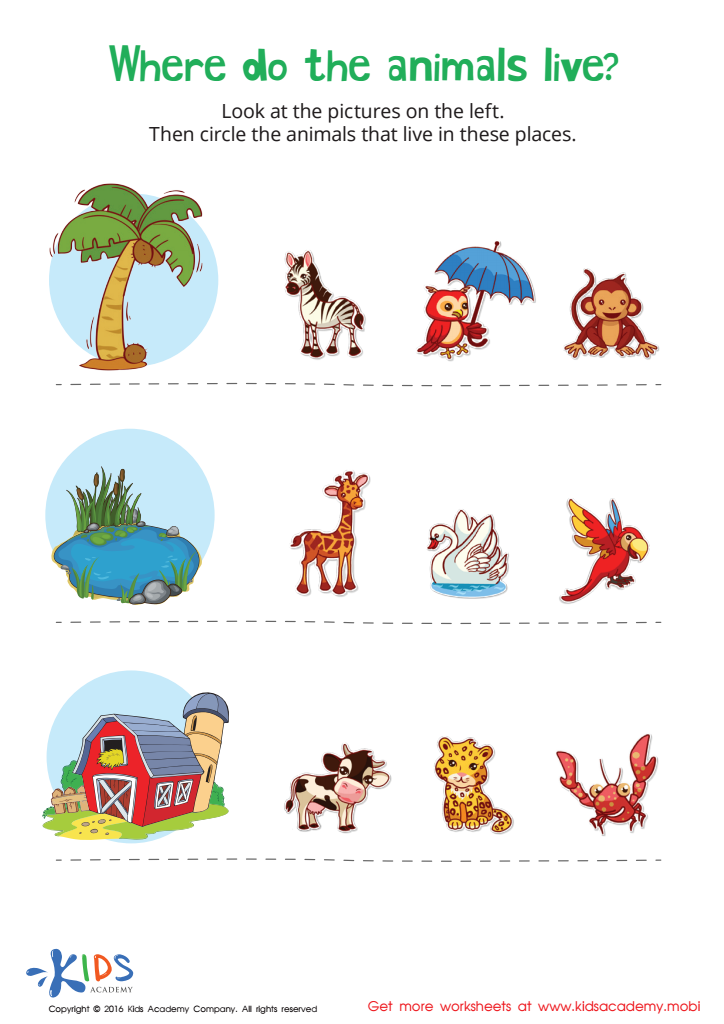
Where Animals Live Worksheet
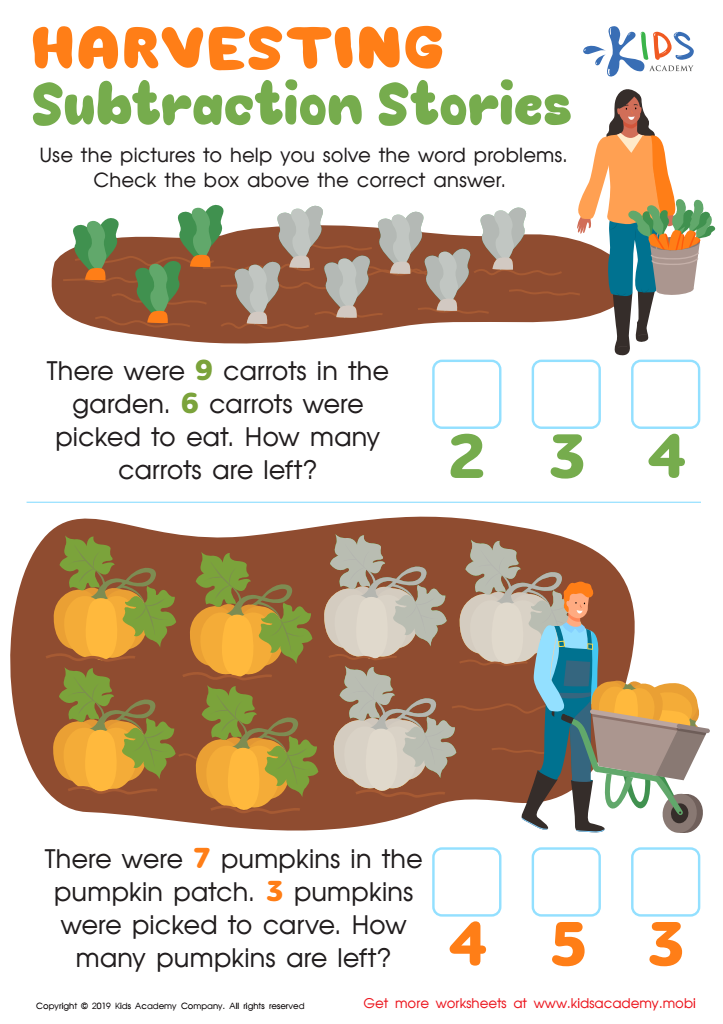
Harvesting Subtraction Stories Worksheet
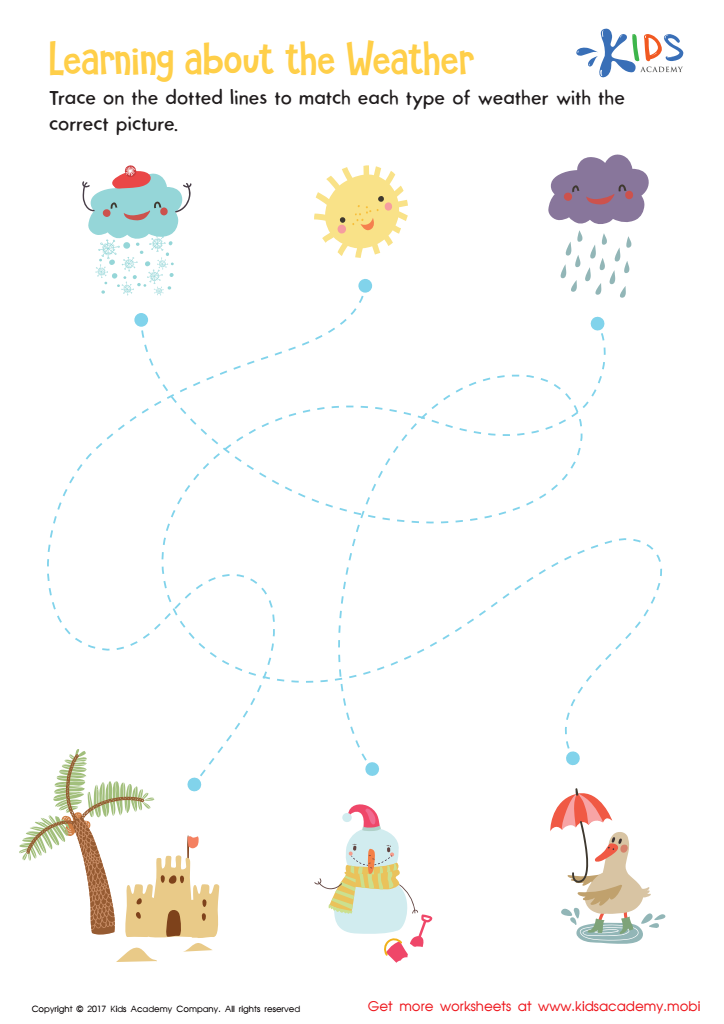
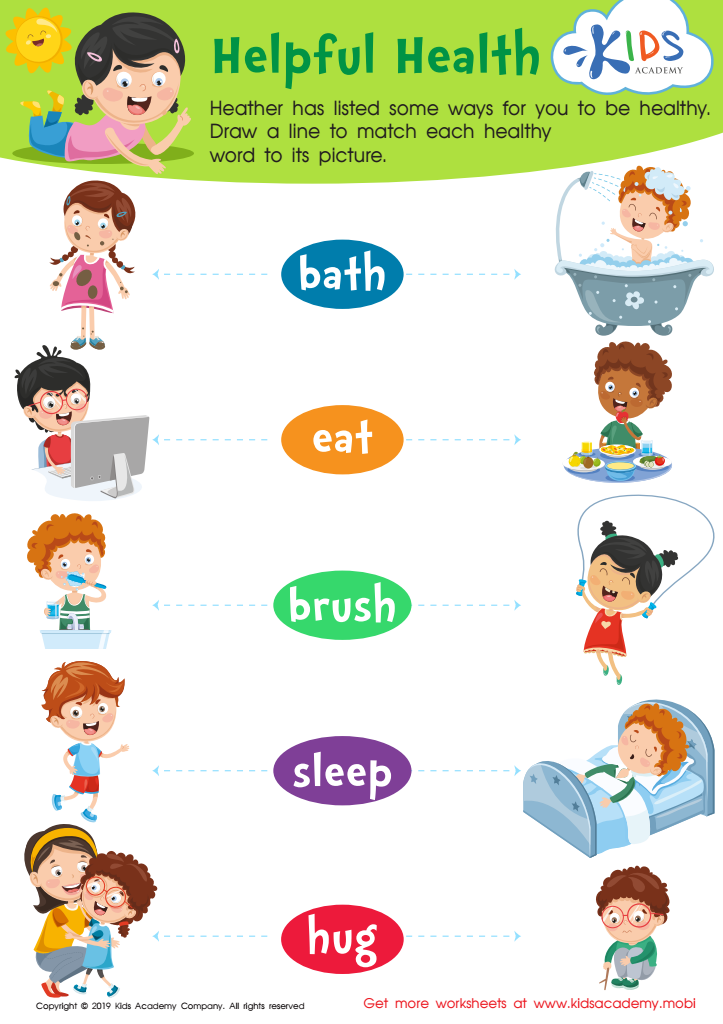
Helpful Health Worksheet
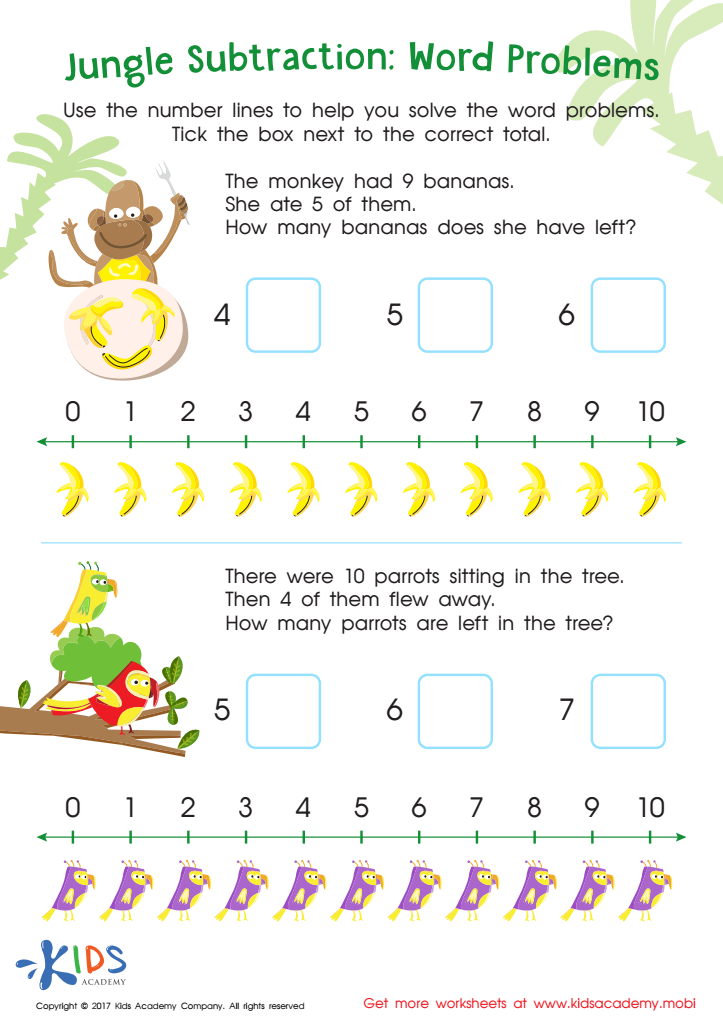
Jungle Subtraction Word Problems Substraction Worksheet
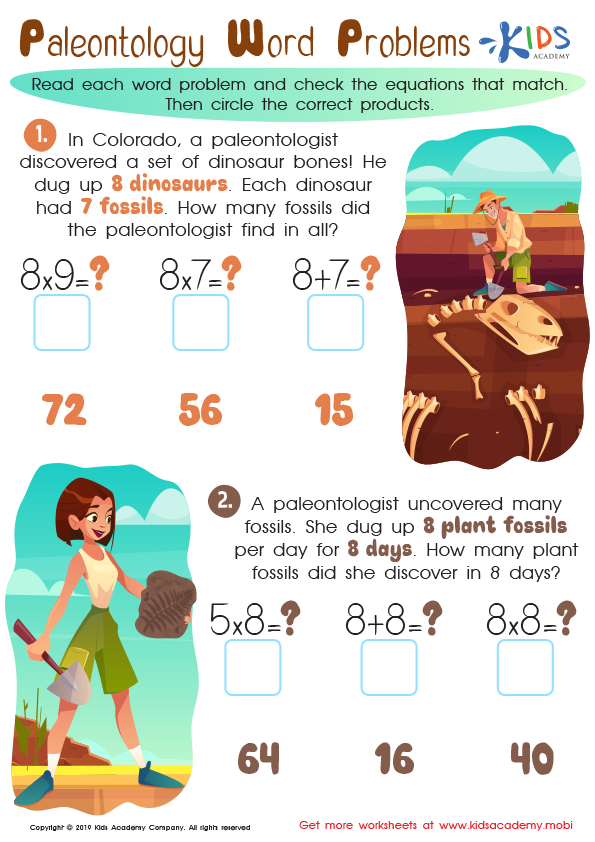
Archeology Word Problems Worksheet
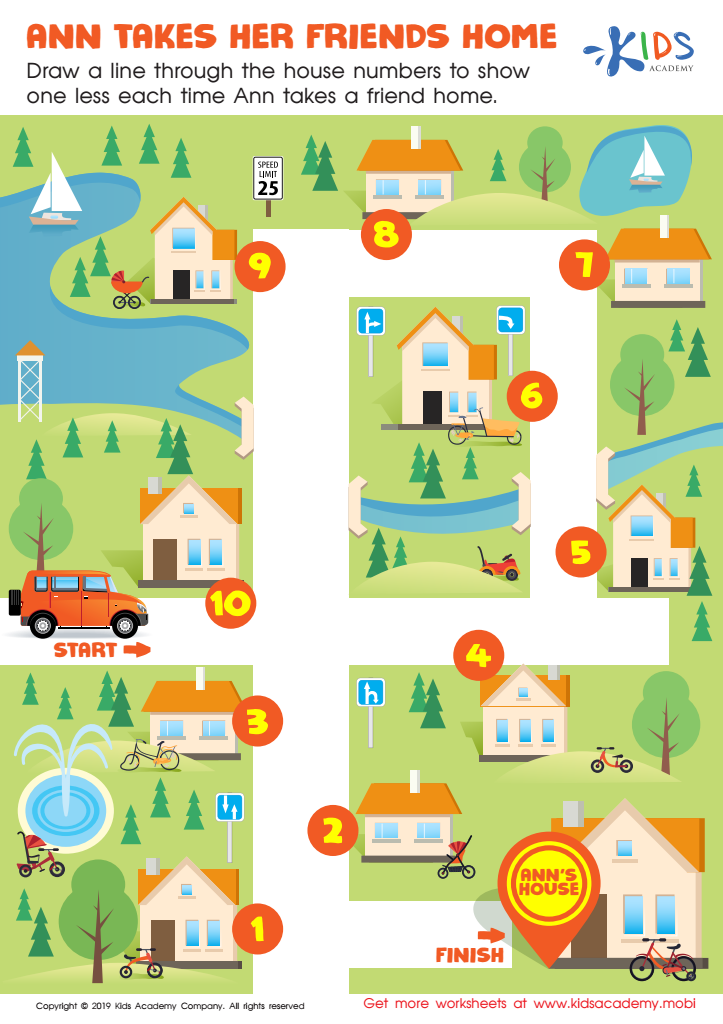
Ann Takes her Friends Home Worksheet





.jpg)

Reading comprehension and foundational math skills are vital pillars in early childhood education, especially for children aged 4-5. Parents and teachers should prioritize these areas because they provide essential cognitive and developmental benefits. At this formative age, cultivating reading comprehension and math skills aids in children's ability to understand and process information, making them more adept learners across all subjects.
Reading comprehension helps young children make sense of the words and stories they read or hear, improving their vocabulary and language abilities. This skill fosters a lifelong love for learning and helps in developing critical thinking abilities. When children understand what they read, they can ask questions, make connections, and better comprehend the surrounding world.
Math skills for young learners go beyond basic counting. They introduce concepts of patterns, measurements, and problem-solving which are fundamental for higher-level math and everyday decisions. Early math experiences help establish logical and numerical reasoning in children.
Together, these skills build a strong educational foundation, enhance academic confidence, and prepare children for future learning challenges. Therefore, parents and teachers should make a concerted effort to integrate playful learning activities that incorporate both reading comprehension and math, setting the stage for lifelong academic and personal success.








