Cognitive Development Matching Worksheets for Ages 4-5
7 filtered results
-
From - To
Explore our engaging Cognitive Development Matching Worksheets for ages 4-5, designed to enhance your child's critical thinking and observational skills! These interactive activities encourage young learners to draw connections between related items, fostering their cognitive abilities in a fun and supportive environment. Our worksheets cover various themes, ensuring your child enjoys diverse learning experiences while building essential skills. Perfect for at-home learning or classroom use, these worksheets promote independent problem-solving and boost confidence. Get started today and inspire your young learner's cognitive journey with our collection of matching worksheets tailored specifically for preschoolers! Fun and education go hand in hand!
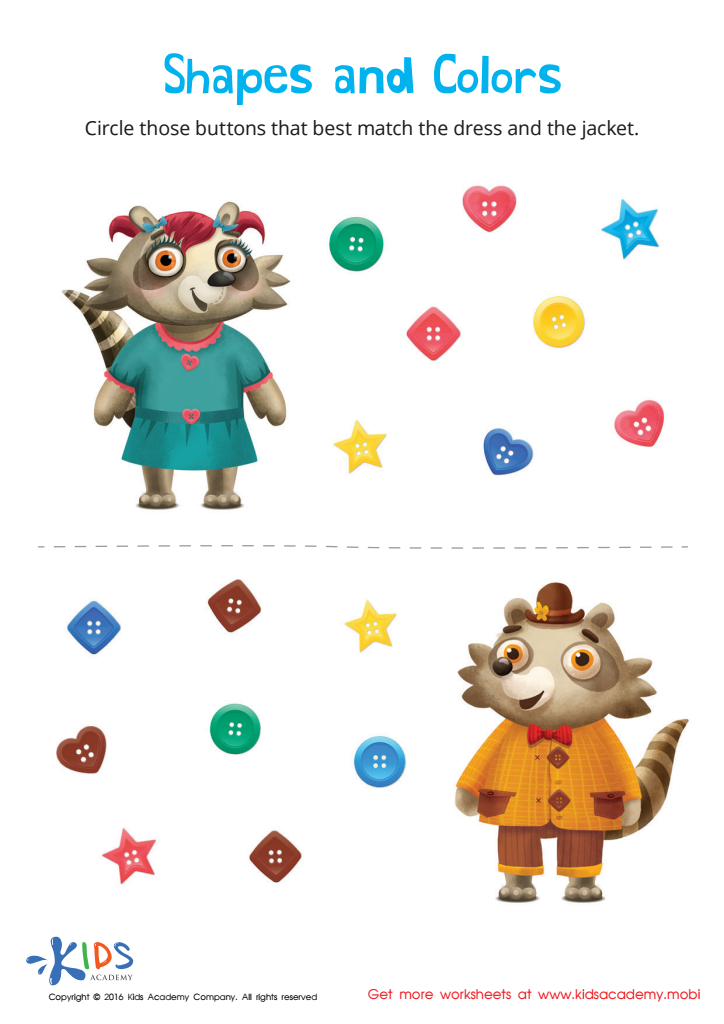
Matching: Shapes and Colors Worksheet
 Assign to My Students
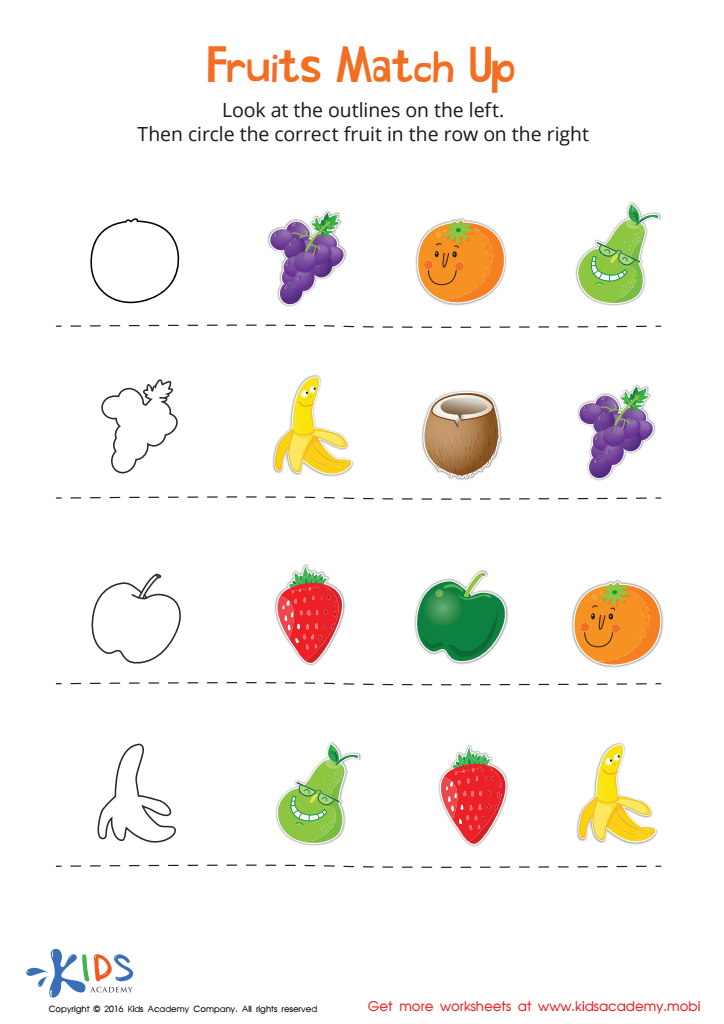
Fruits Match Up Worksheet
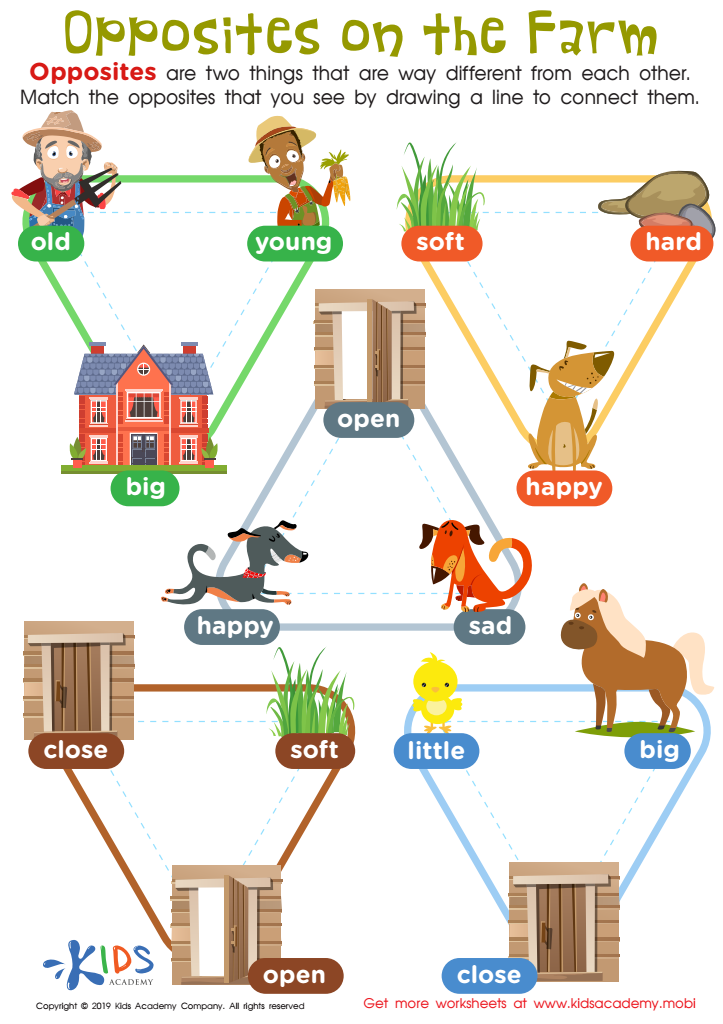
Opposites on the Farm Worksheet
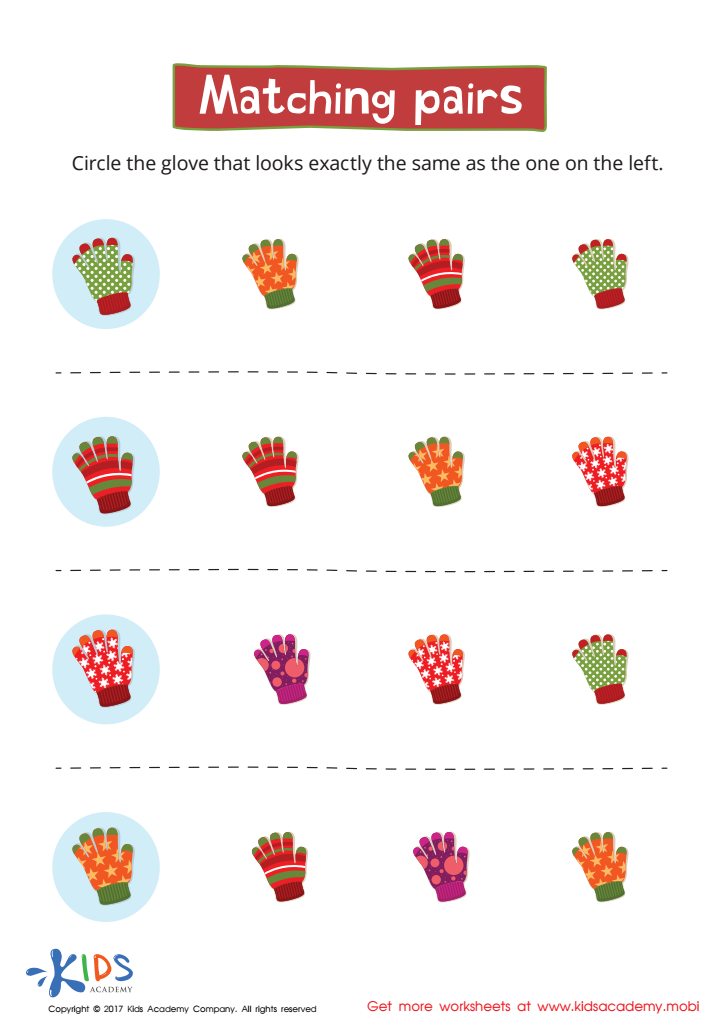
Matching: Matching Pairs Worksheet
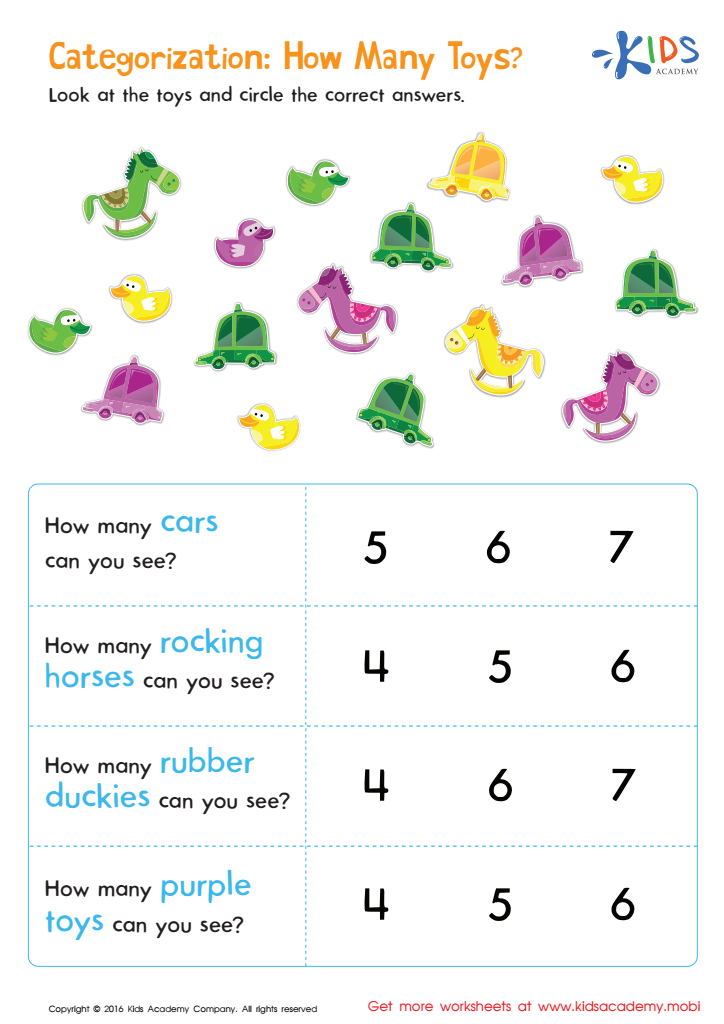
Classifying Toys by Type and Color Sorting Worksheet
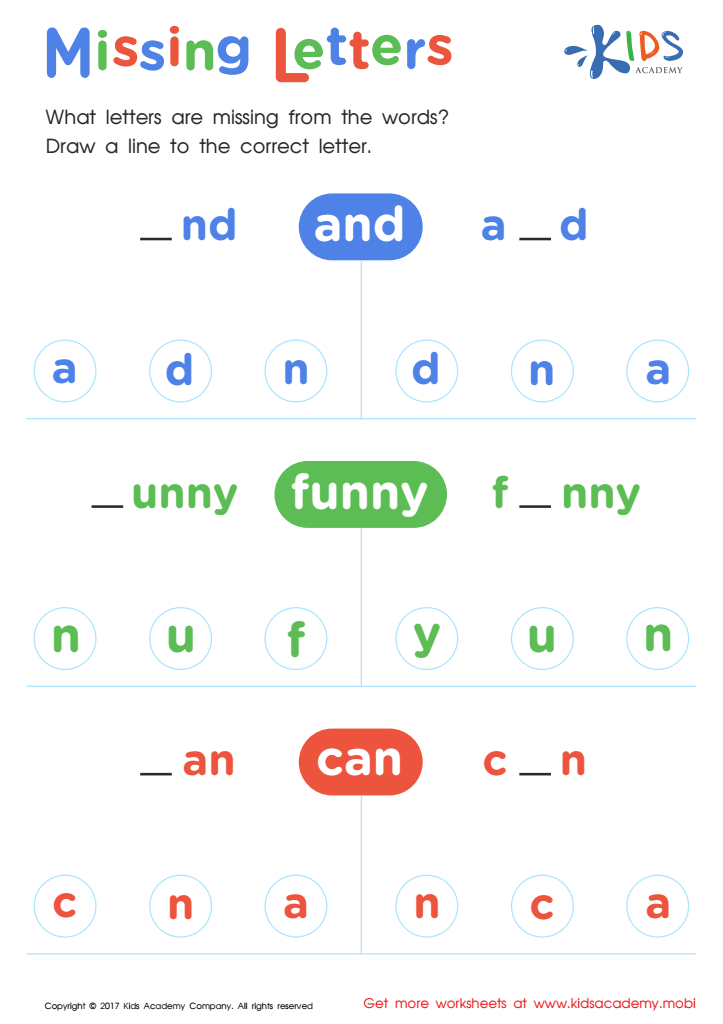
Missing Letters Worksheet
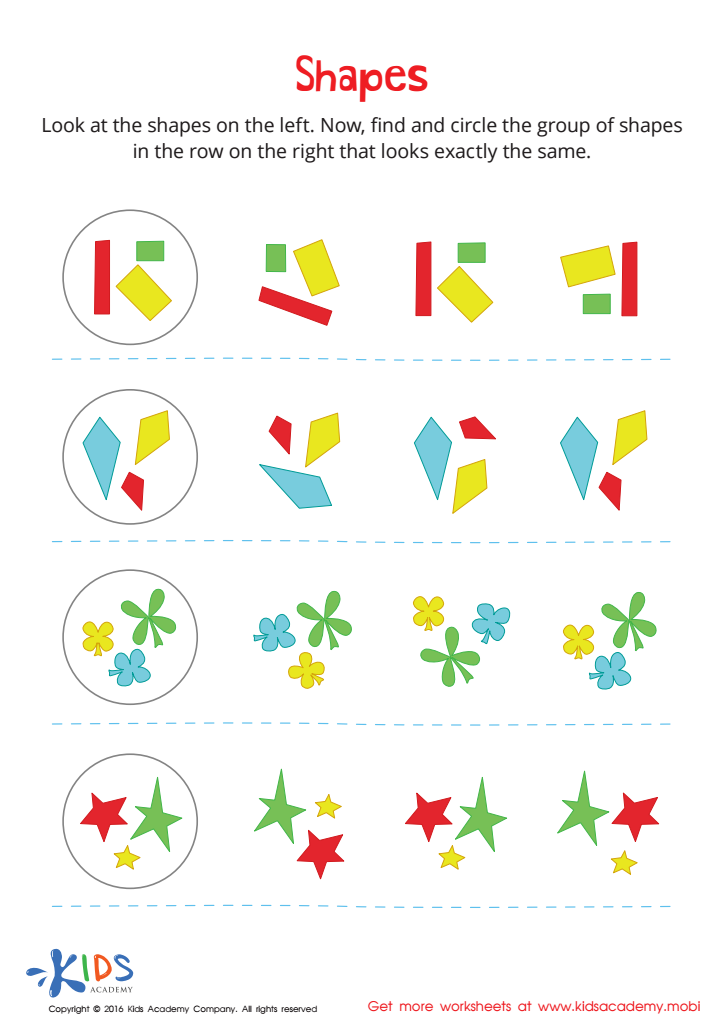
Shapes Worksheet


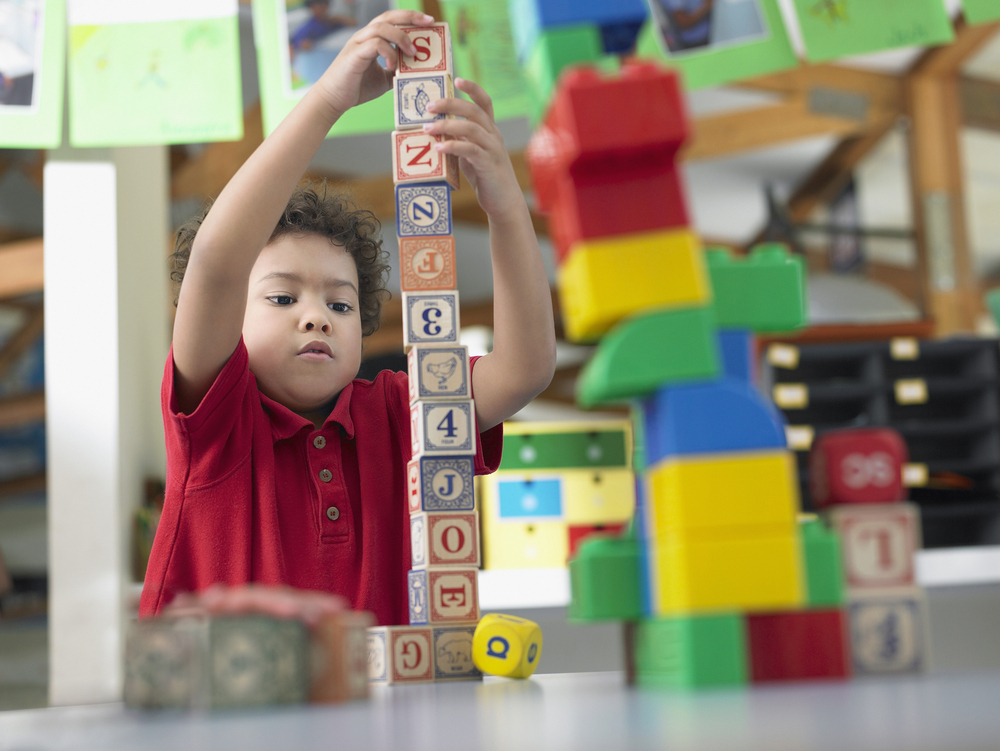





Cognitive development in young children, particularly between the ages of 4 and 5, is a crucial area for parents and teachers to focus on. During this stage, children experience significant growth in their thinking, problem-solving, and reasoning abilities. Understanding Cognitive Development Matching—a strategy that aligns activities and learning experiences to a child's cognitive readiness—can enhance this growth effectively.
By targeting age-appropriate challenges, educators and parents can facilitate deeper learning and critical thinking. For example, activities that match a child’s cognitive abilities encourage curiosity and reinforce skills like counting, sorting, and recognizing patterns, laying the groundwork for future academic success. Moreover, effective matching helps to prevent frustration and disengagement, as tasks that are too easy or too difficult can hinder a child's motivation and confidence.
Additionally, engaging in activities that promote cognitive development fosters essential social skills, including collaboration and communication. Parents and teachers can work together to create an enriching, supportive environment, ensuring that children thrive during these formative years. By prioritizing cognitive development matching, caretakers play a pivotal role in nurturing not just academic skills, but also a lifelong love of learning and exploration in young children.








