Visual discrimination Matching Worksheets for Ages 4-5
3 filtered results
-
From - To
Enhance your child's learning with our Visual Discrimination Matching Worksheets, specially designed for ages 4-5. These engaging activities help young learners identify similarities and differences among shapes, objects, and images, fostering essential visual processing skills. By encouraging children to match items, they not only improve their attention to detail but also develop critical thinking and cognitive skills. Each worksheet is vibrant, interactive, and tailored to keep little minds engaged. Perfect for home or classroom use, our worksheets provide a fun way for young learners to grow their visual discrimination abilities essential for future educational success. Start their learning journey today!
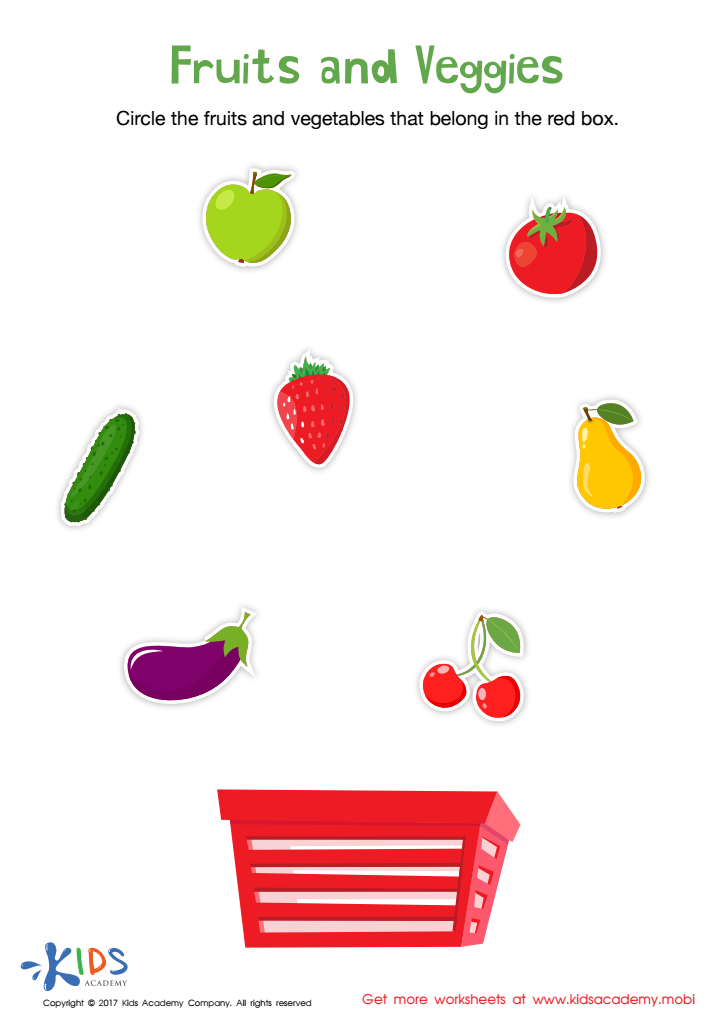
 Assign to My Students
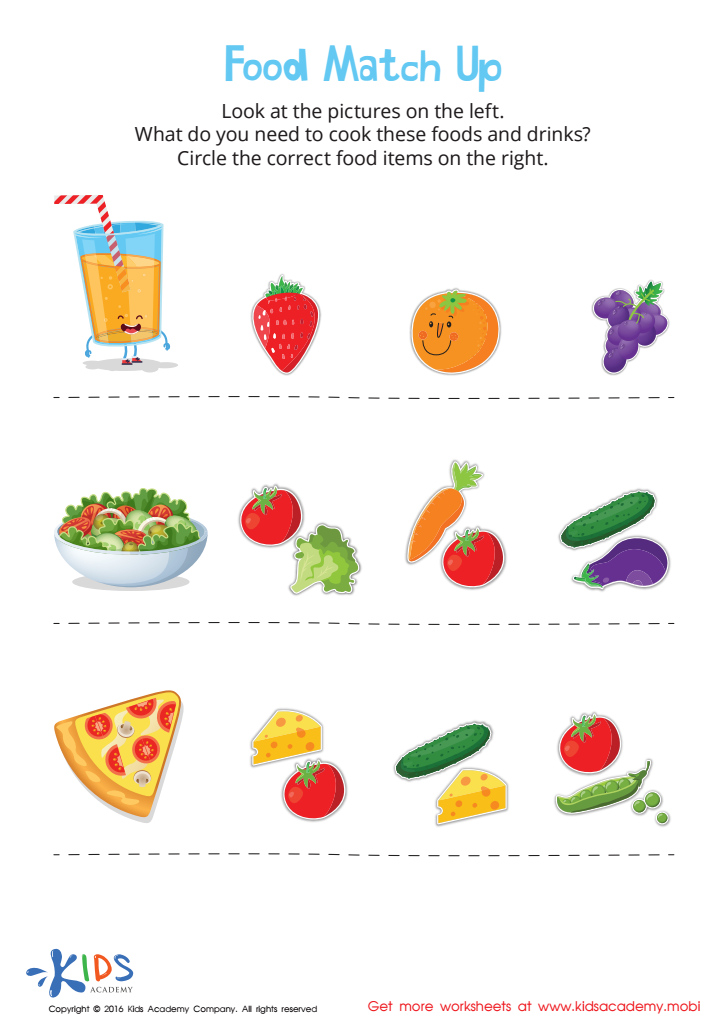
Food Match Up Worksheet
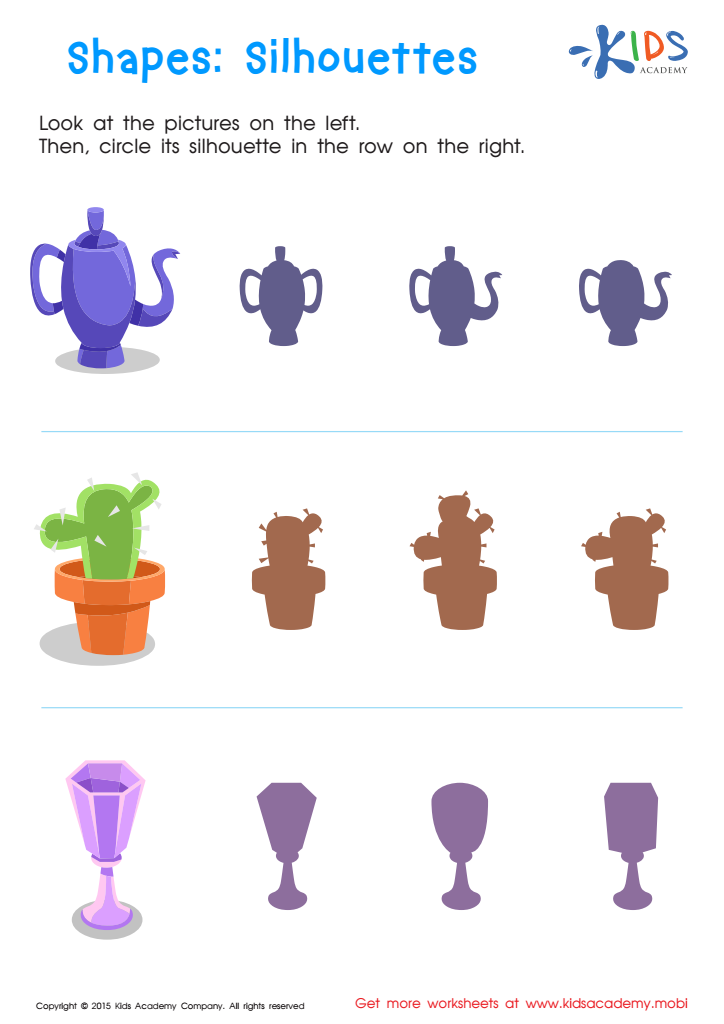
Silhouettes – Shapes Worksheet








Visual discrimination matching is a crucial skill for children aged 4-5, as it lays the foundation for their academic and everyday activities. This skill involves the ability to recognize and differentiate between shapes, colors, sizes, and patterns. Parents and teachers should care about visual discrimination matching because it plays a significant role in early literacy and numeracy development.
When children can effectively distinguish between different visual elements, they become better at recognizing letters, numbers, and words, which are essential for reading and writing. For example, being able to differentiate between the letters "b" and "d" can prevent confusion during early reading stages. Additionally, visual discrimination is fundamental in math, where children need to identify and compare quantities and shapes.
Moreover, engaging in visual discrimination activities promotes cognitive development, enhancing critical thinking and problem-solving skills. These activities are often fun and interactive, facilitating learning through play, which is especially effective at this age. By fostering visual discrimination skills, parents and teachers equip children with the tools necessary for academic success and boost their confidence in their abilities, preparing them for future challenges in learning. Supporting this skill development creates a solid foundation for lifelong learning.








