Fine Motor Skills Numbers 0–10 Worksheets for Ages 4-5 - Page 2
48 filtered results
-
From - To

Eight Geese Worksheet
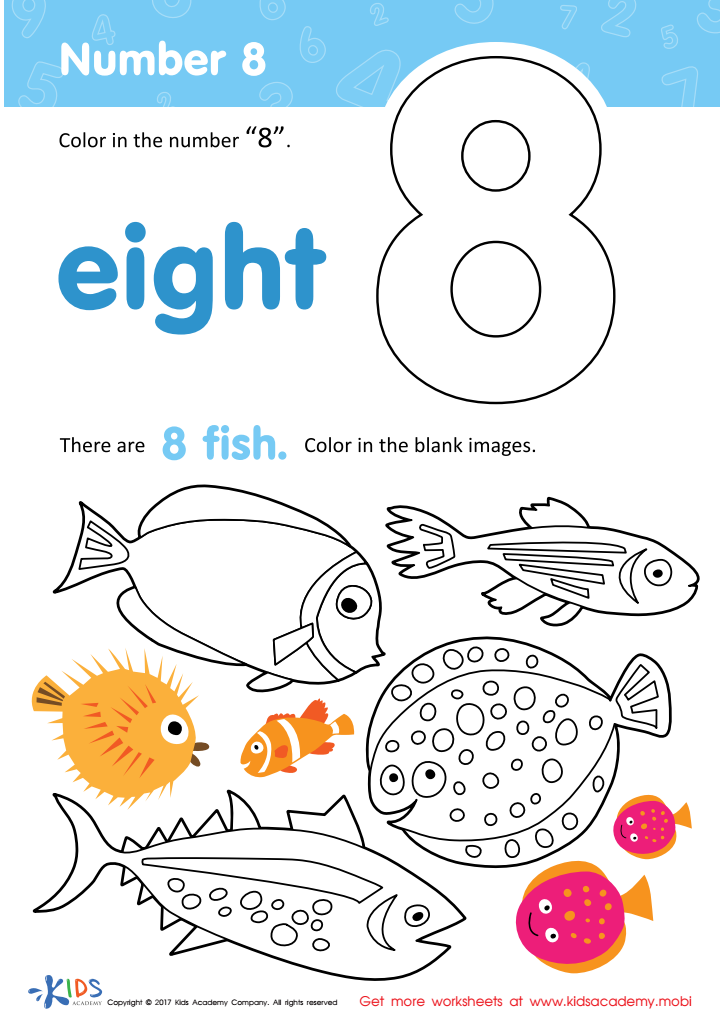
Number 8 Printable
 Assign to My Students
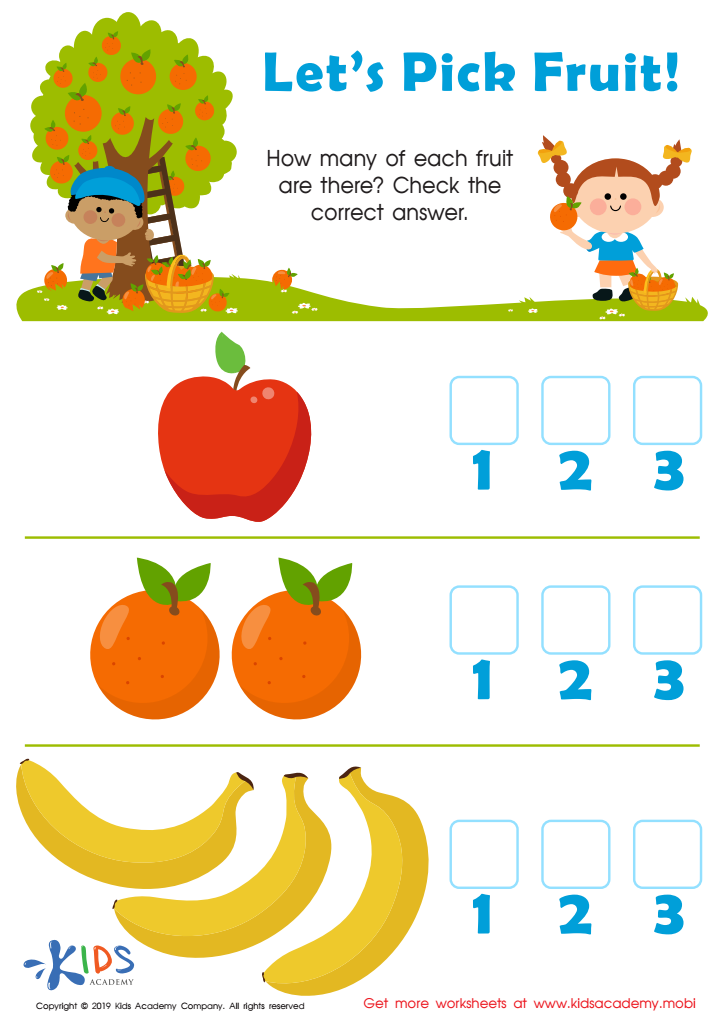
Let's Pick Fruit Worksheet
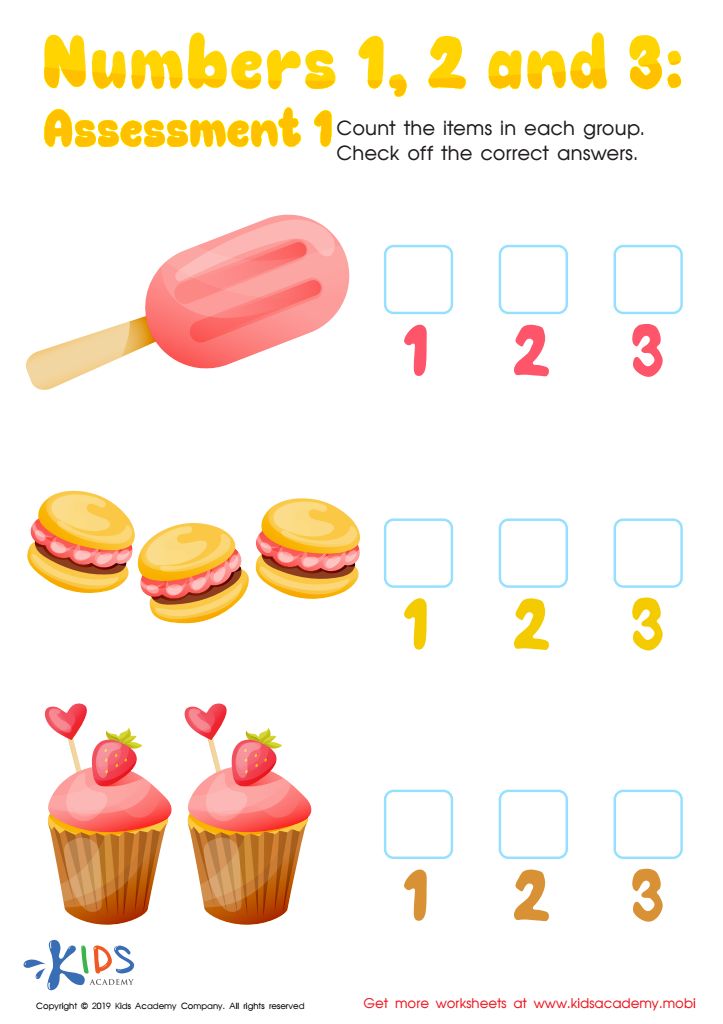
Numbers 1, 2 and 3: Assessment 1 Worksheet

Underwater Adventure Worksheet
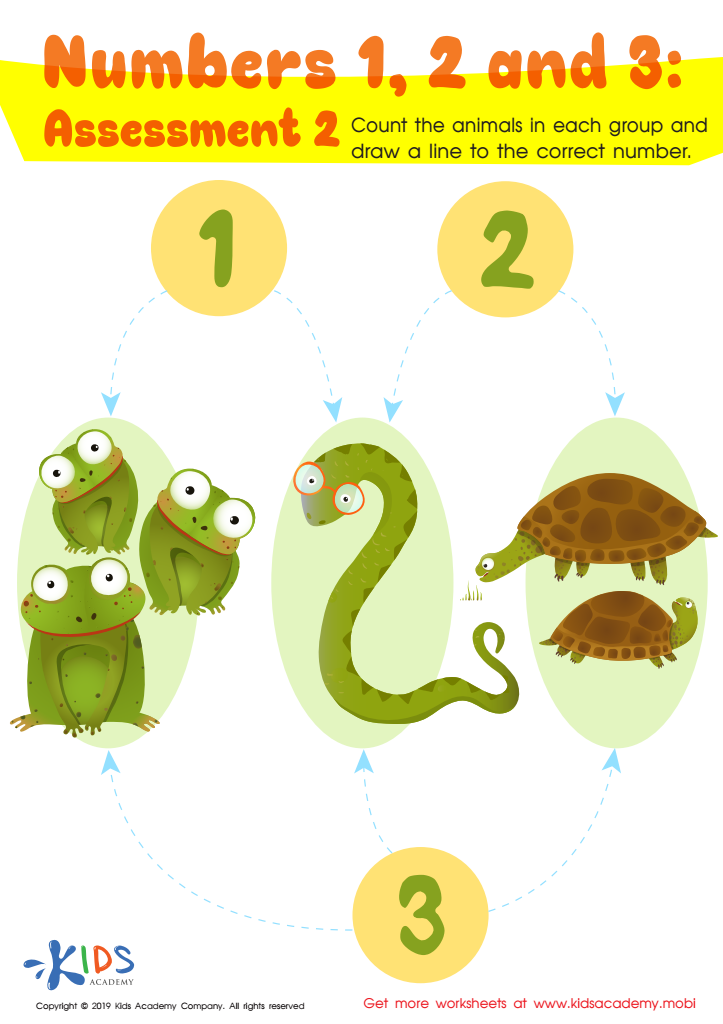
Numbers 1, 2 and 3: Assessment 2 Worksheet

Build with 9 Worksheet
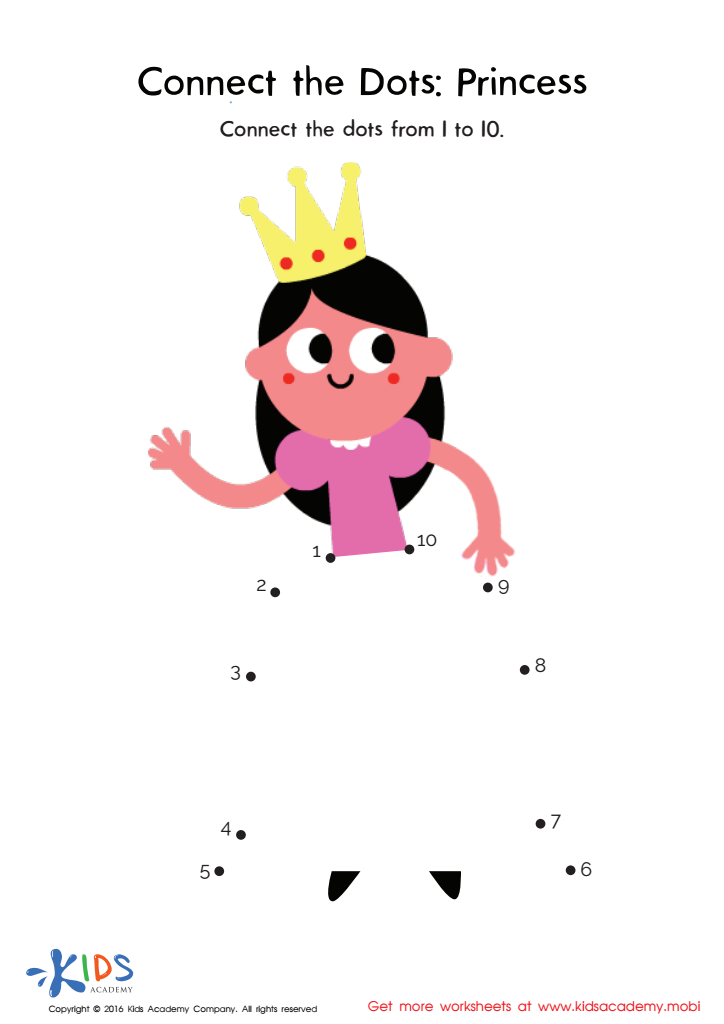
Princess Connect Dots Worksheet
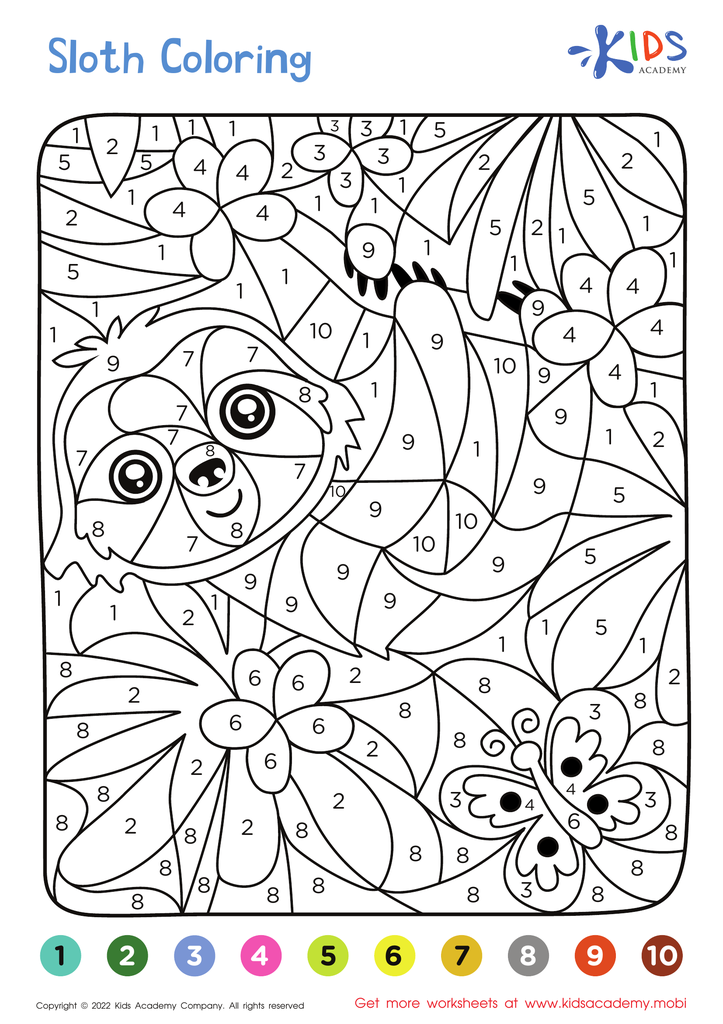
Sloth – Coloring by Numbers

Count the Cucumbers and Trace the Number 8 Printable
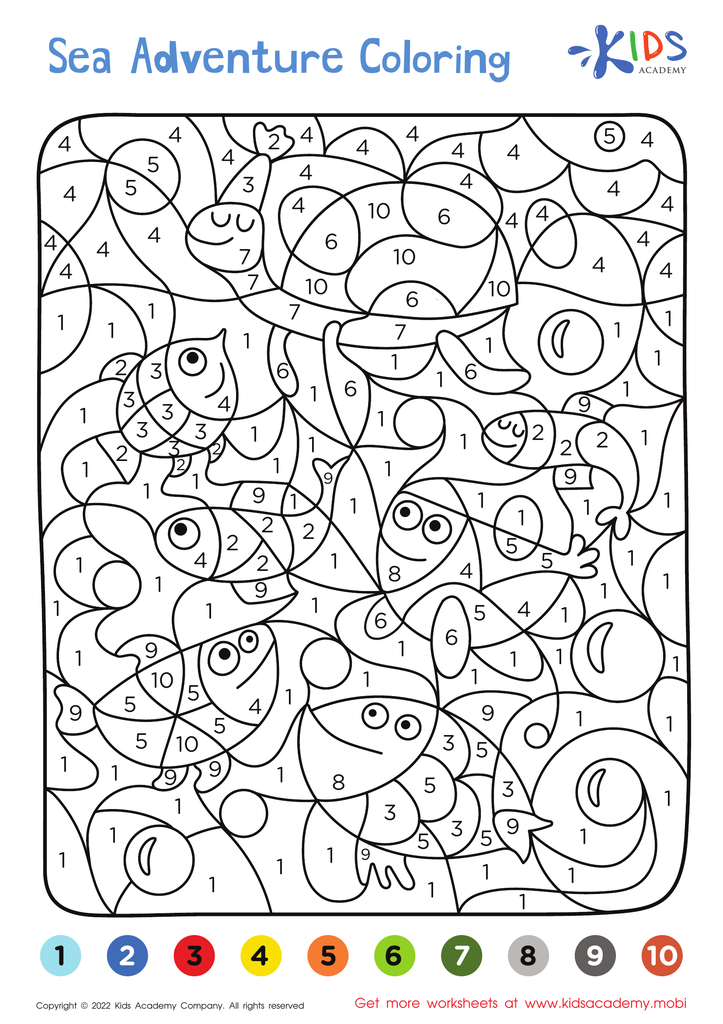
Sea Adventure – Coloring by Numbers
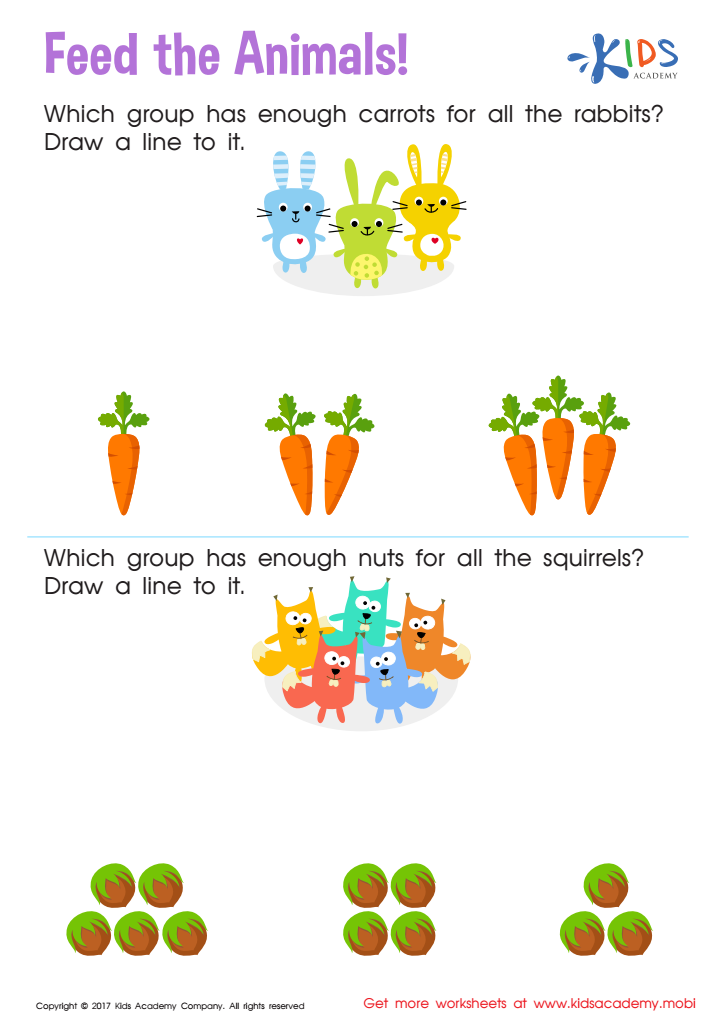
Count and Match: Feed the Animals Worksheet
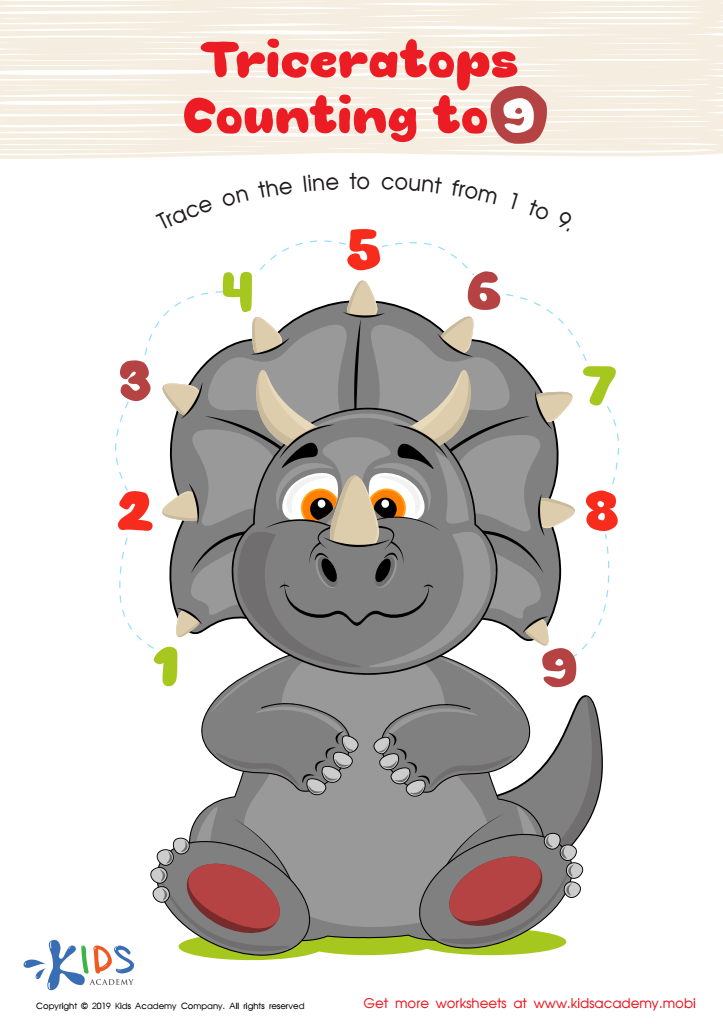
Triceratops Counting to 9 Worksheet

Great Hornbill – Coloring by Numbers
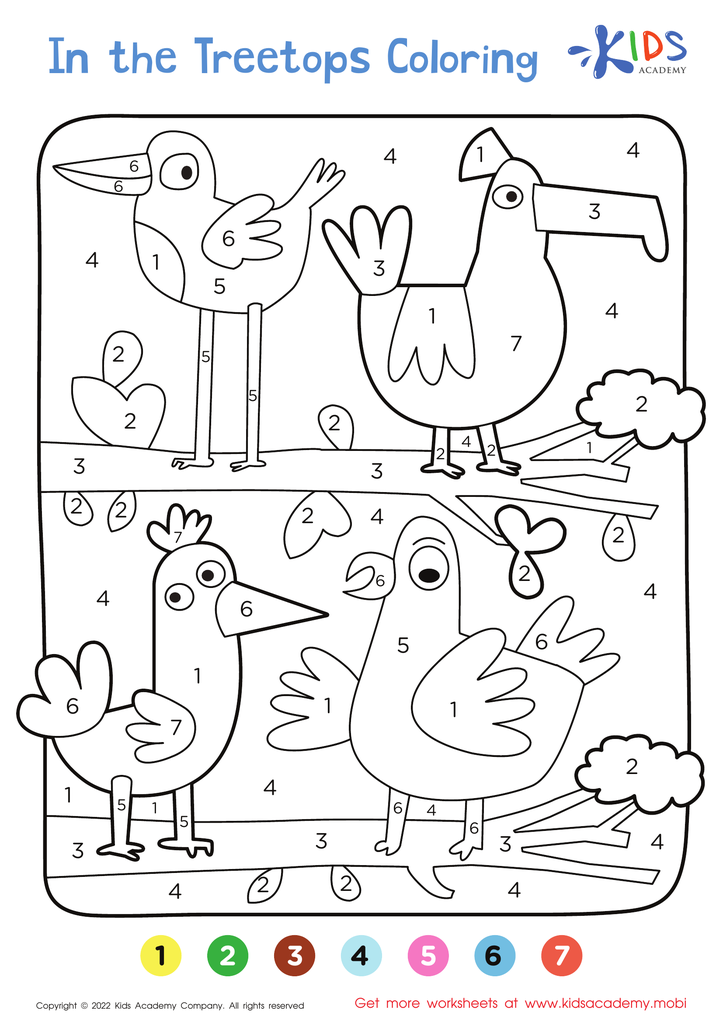
In the Treetops – Coloring Page

Twinkle, Twinkle, Little Star – Coloring by Numbers
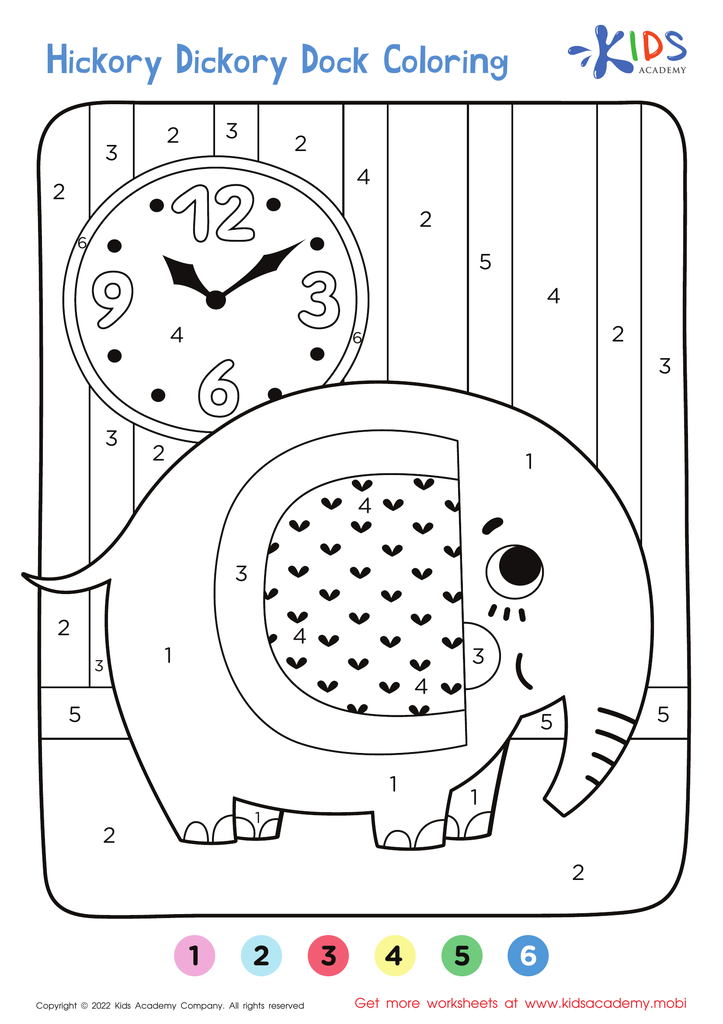
Hickory Dickory Dock – Coloring by Numbers
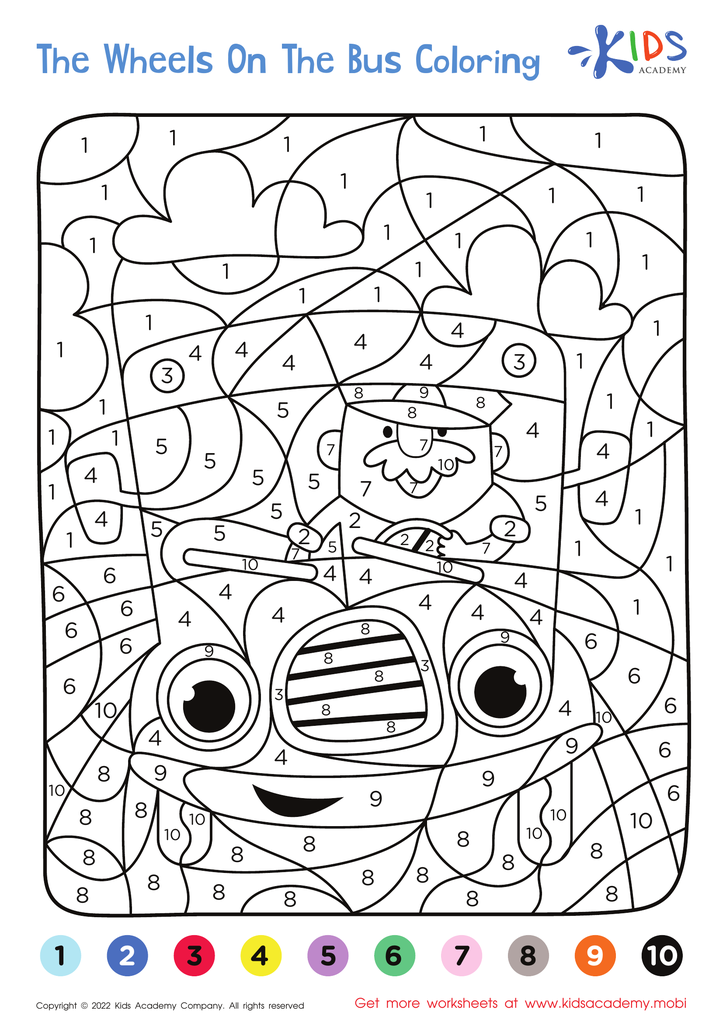
Wheels on the Bus – Coloring by Numbers

Night Sky Numbers Worksheet

Little Chef – Coloring by Numbers
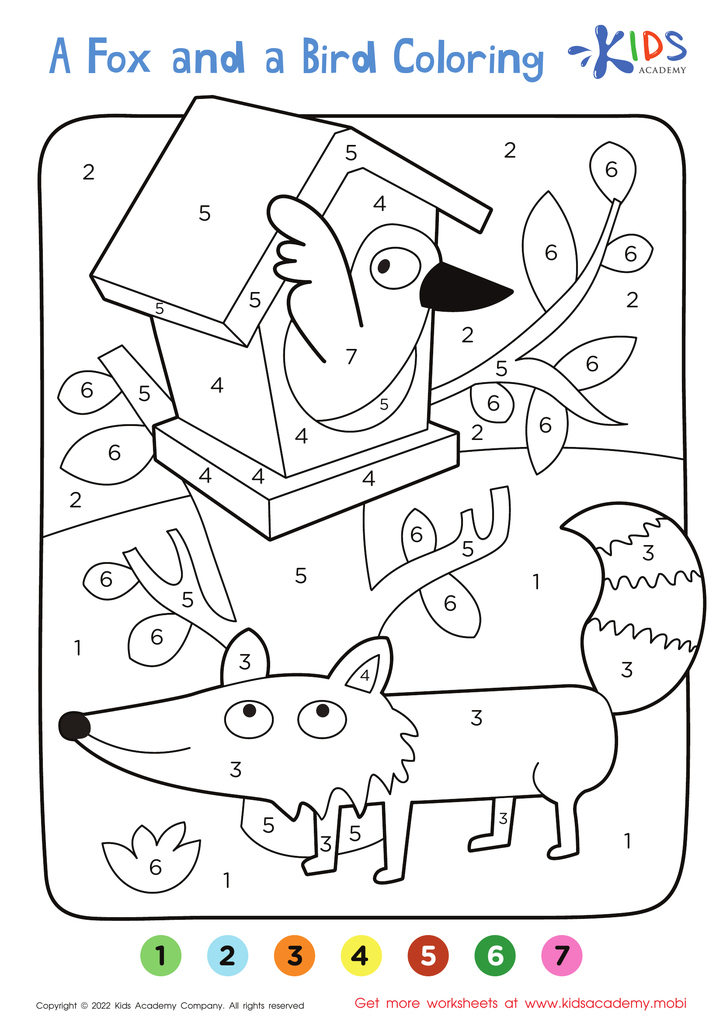
A Fox and a Bird – Coloring by Numbers
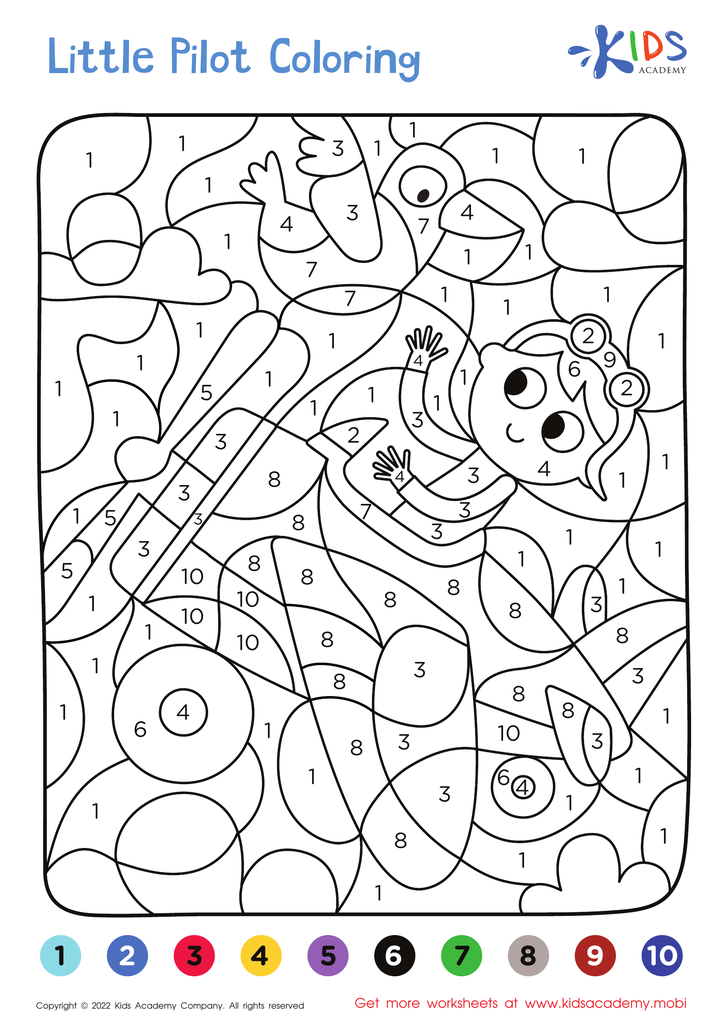
Little Pilot – Coloring by Numbers
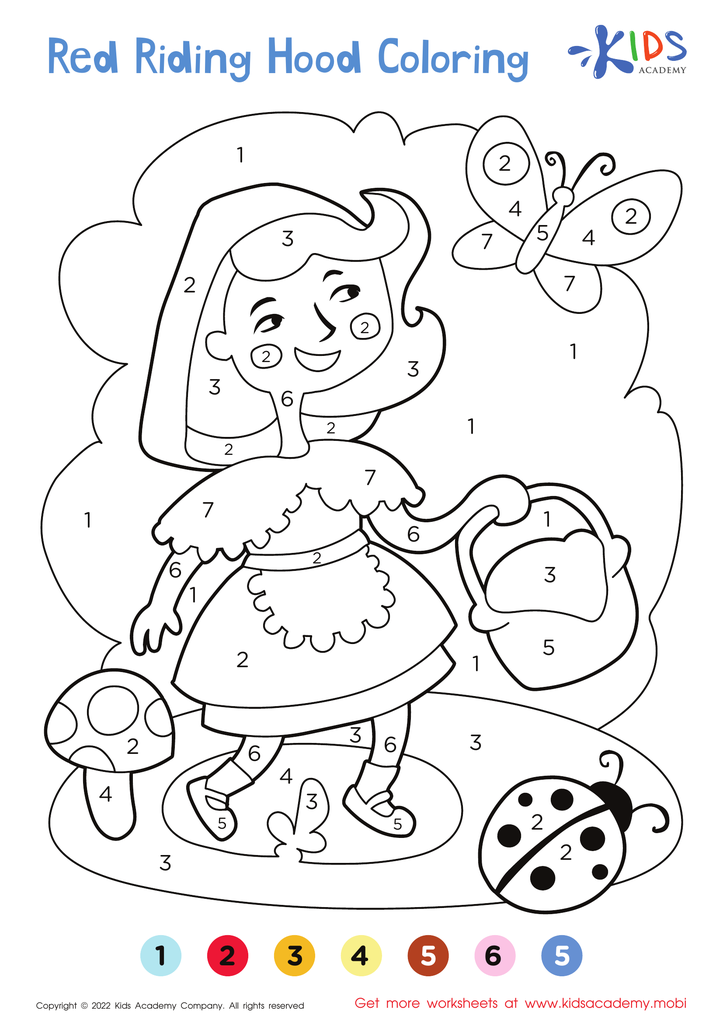
Little Red Riding Hood – Coloring by Numbers
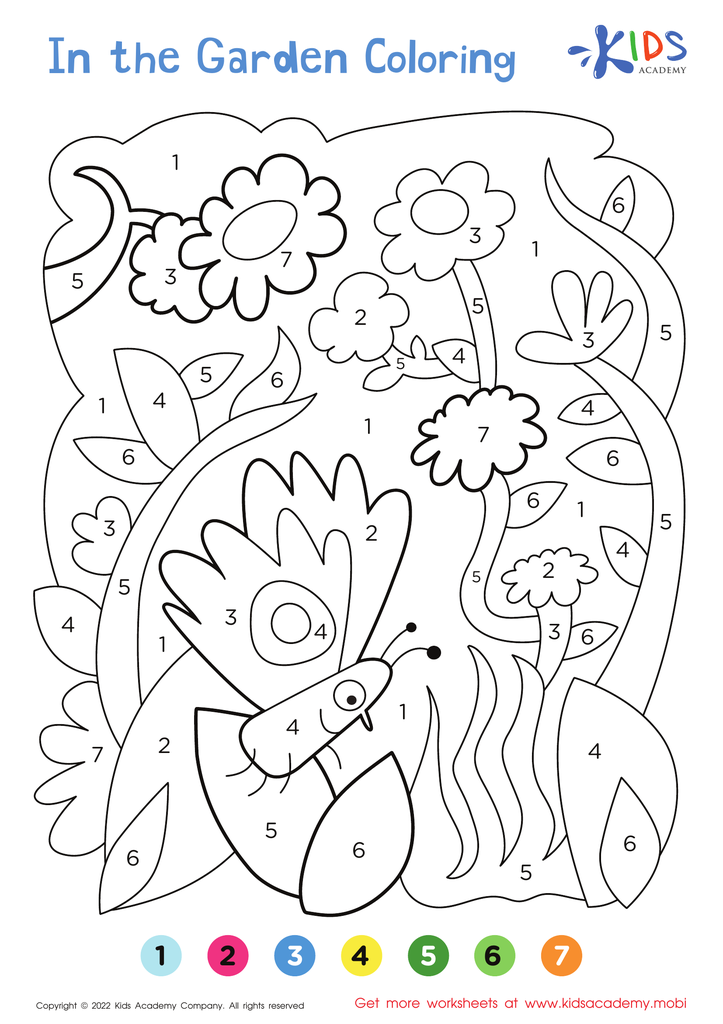
In the Garden – Coloring by Numbers








Fine motor skills are crucial for young children's overall development, particularly for ages 4-5, as they lay the foundation for later academic success and everyday tasks. Developing fine motor skills enables children to manipulate small objects, improve hand-eye coordination, and enhance their ability to write, draw, and perform self-care tasks like buttoning shirts or using utensils.
Focusing on fine motor skills, especially in relation to numbers 0-10, allows children to engage with early math concepts in a tactile and meaningful way. Activities like tracing numbers, manipulating number cards, or using manipulatives to count help children connect numerical concepts to physical actions, solidifying their understanding of quantity and numeral representation.
Parents and teachers should prioritize these skills because they directly influence children’s confidence and independence. Developing fine motor skills contributes to their ability to complete tasks successfully, encouraging persistence and problem-solving abilities. Additionally, early mastery of these skills enhances readiness for future academic challenges, including reading and writing, supporting children’s long-term success in school. Engaging in fine motor activities fosters cognitive, social, and emotional growth, which is essential for holistic development during these formative years.








