Number comprehension Subtraction Worksheets for Ages 4-5
7 filtered results
-
From - To
Discover our engaging Number Comprehension Subtraction Worksheets tailored for children aged 4-5! These interactive worksheets are designed to enhance young learners' understanding of subtraction through fun, hands-on activities. Each worksheet encourages kids to visualize and comprehend basic subtraction concepts while developing essential math skills. With colorful illustrations and age-appropriate tasks, your child will enjoy exploring numbers, identifying quantities, and solving simple subtraction problems. Perfect for preschool and kindergarten settings, these worksheets provide a solid foundation for early math success. Help your little ones gain confidence in their abilities and build a love for learning with our exciting subtraction resources!
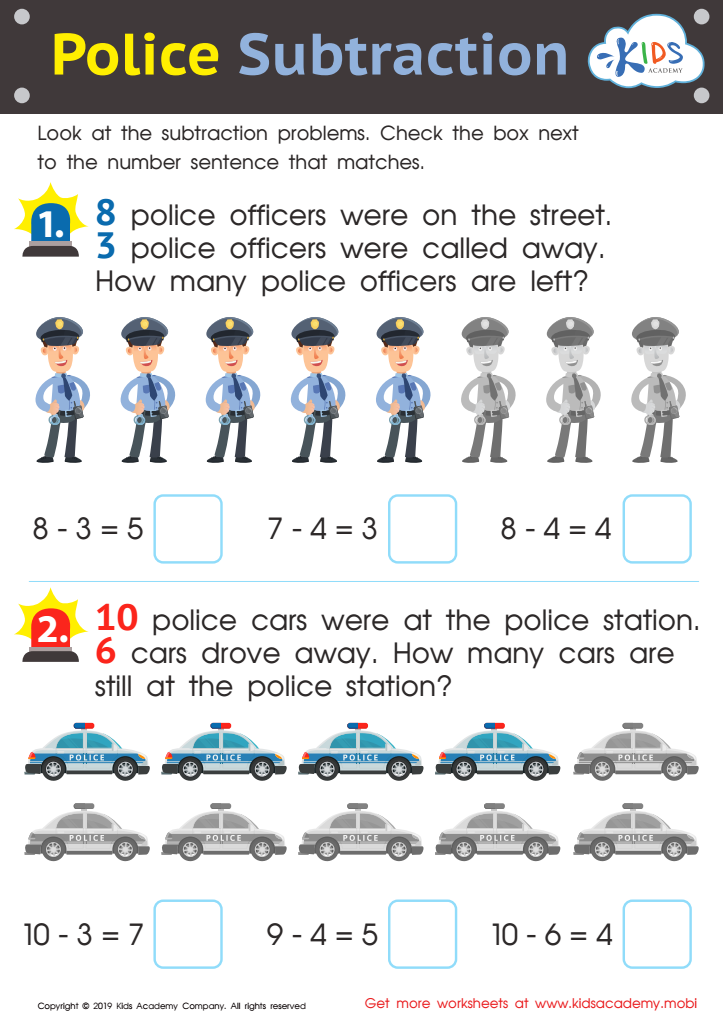
Police Subtraction Worksheet
 Assign to My Students
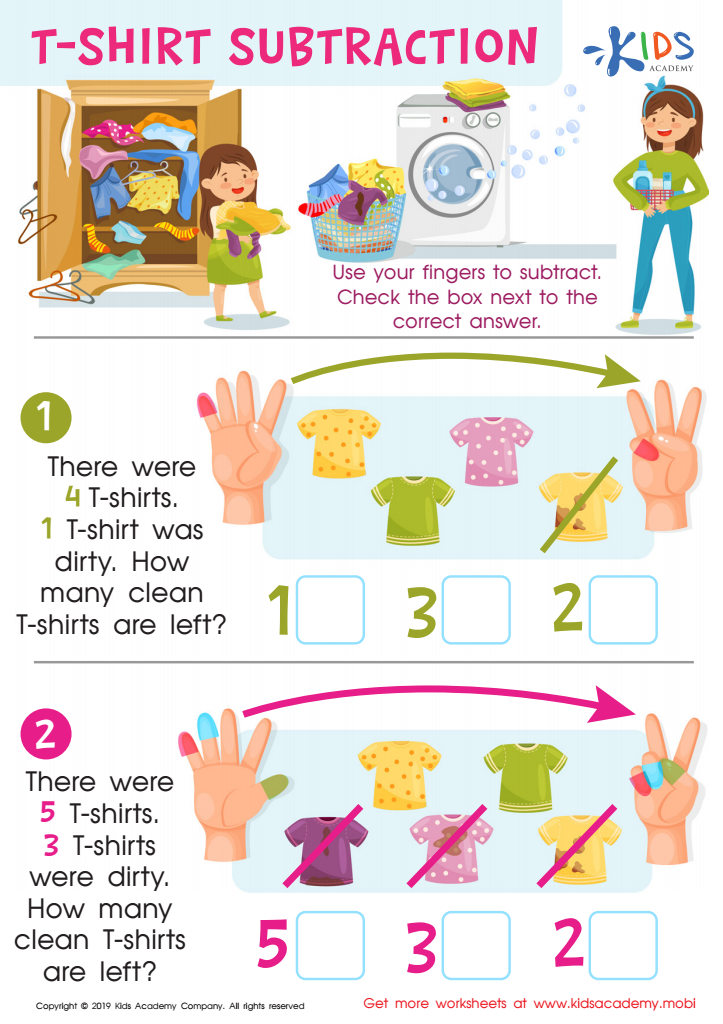
T-shirt Subtraction Worksheet
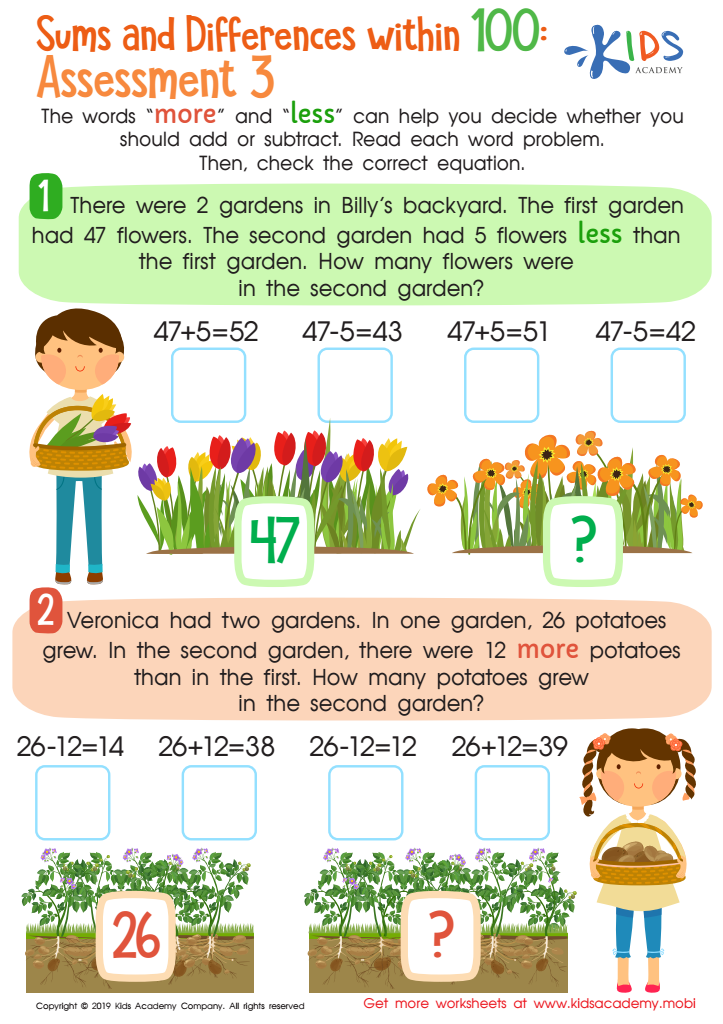
Sums and Differences Within 1 - Assessment 1 Worksheet
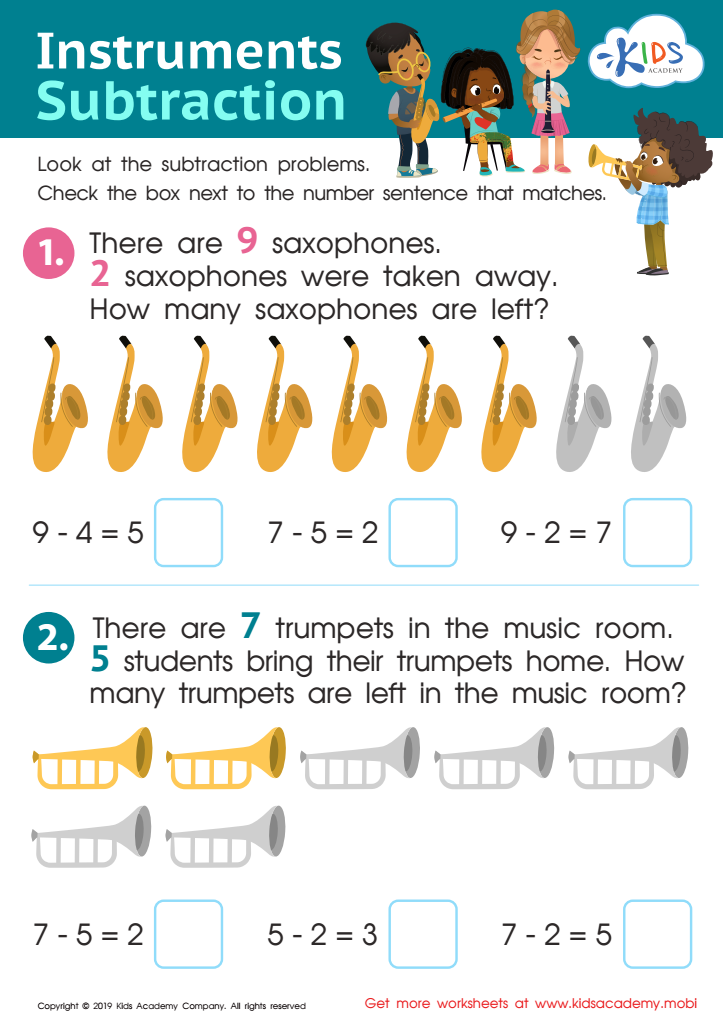
Instrument Subtraction Worksheet
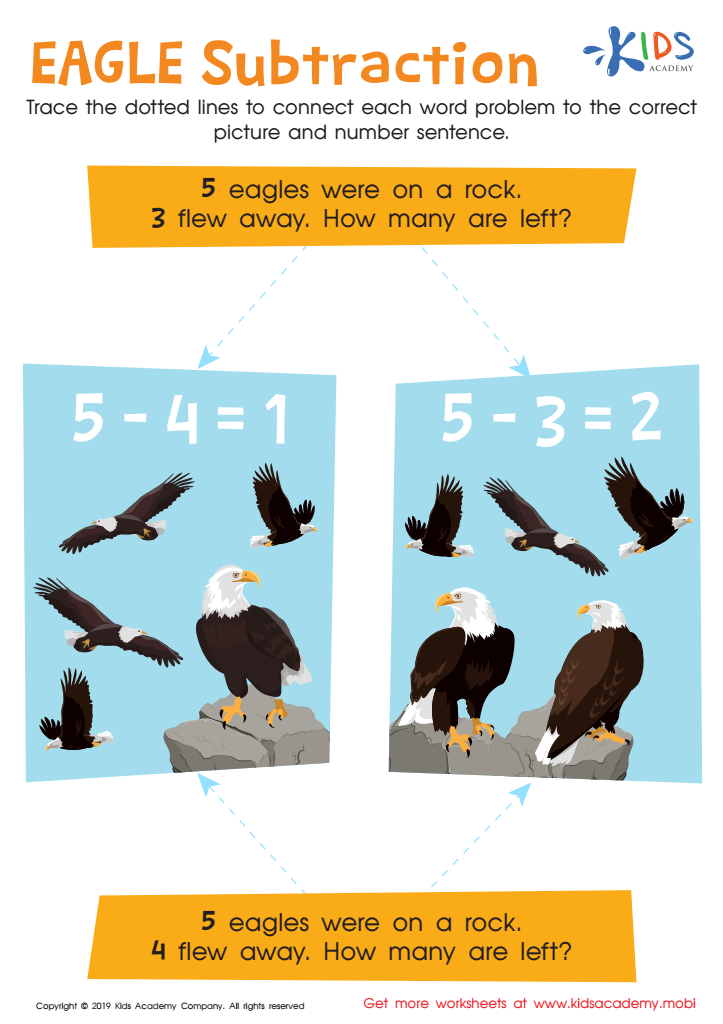
Eagle Subtraction Worksheet
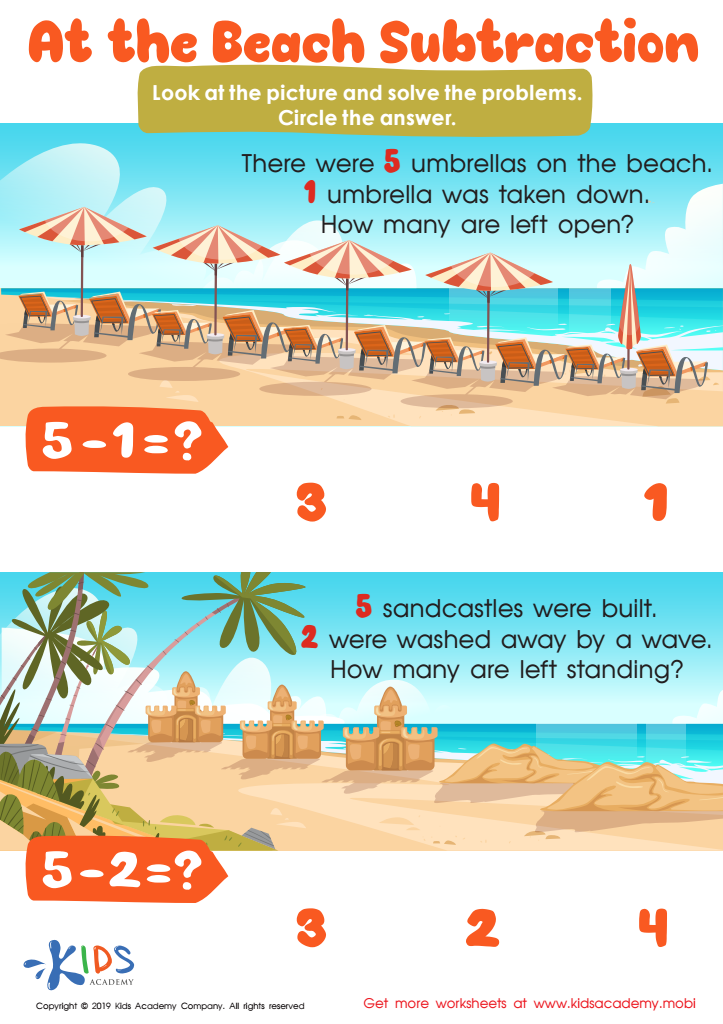
At the Beach Subtraction Worksheet
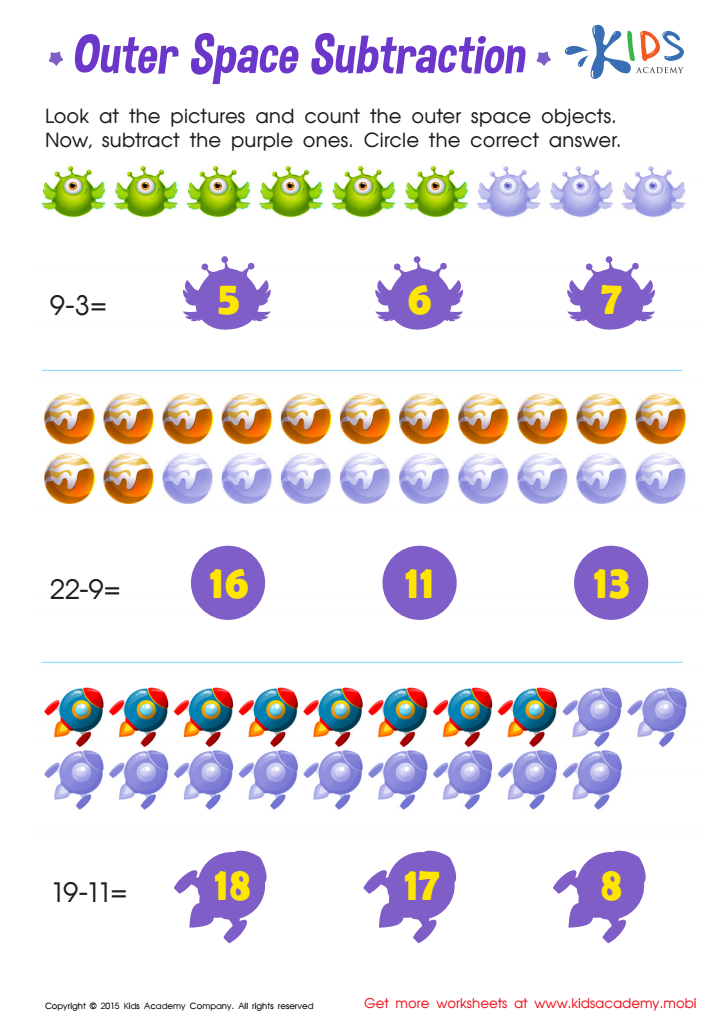
Outer Space Substraction Worksheet








Number comprehension and subtraction for children ages 4-5 are foundational skills that set the groundwork for future math understanding. At this age, kids are naturally curious about numbers, making it an ideal time to introduce basic mathematical concepts. Engaging them in subtraction helps develop their critical thinking and problem-solving skills. When children learn to subtract, they not only grasp the concept of "taking away" but also become adept at participating in everyday situations, such as sharing snacks or toys, which reinforces their social interactions.
Moreover, early number comprehension equips children with the necessary vocabulary and cognitive skills to articulate their thought processes behind problem-solving. Teachers and parents play a crucial role in creating a supportive environment where children explore these concepts through play and engaging activities, making learning enjoyable.
Understanding subtraction enhances children’s ability to reason and develops perseverance—traits that benefit their overall academic experience. By prioritizing number comprehension and subtraction, caregivers are not just teaching math but also instilling a sense of confidence, fostering independence, and nurturing a lifelong love for learning in their children. Ultimately, these skills are essential building blocks for later academic success in mathematics and beyond.








