Following instructions Building Vocabulary Worksheets for Ages 4-5
8 filtered results
-
From - To
Enhance your child's early literacy skills with our "Following Instructions Building Vocabulary Worksheets" designed specifically for ages 4-5. These engaging worksheets focus on following directions while expanding vocabulary, helping young learners grasp new words in context. Each activity encourages critical thinking and comprehension, allowing children to practice essential skills in a fun and interactive way. Perfect for homeschool settings or supplemental practice, these worksheets include a variety of exercises that promote language development and improve listening skills. Equip your little ones with the tools they need for academic success while sparking their love for learning through exciting and educational activities!
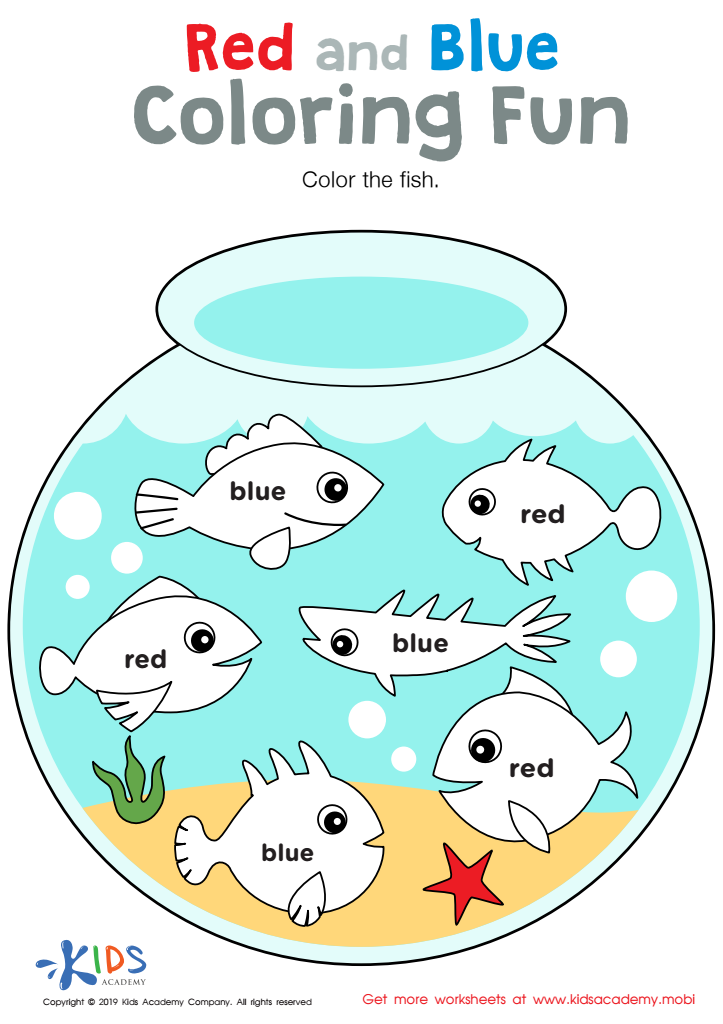
Red and Blue Coloring Fun Worksheet
 Assign to My Students











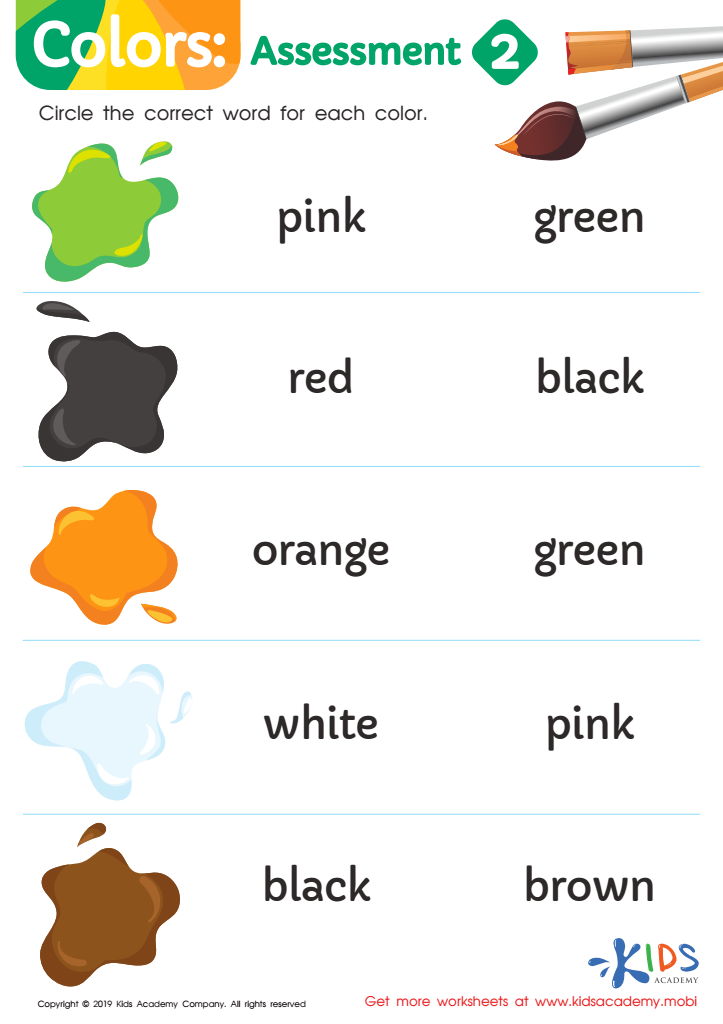
Colors: Assessment 2 Worksheet

Monster's Face Coloring Worksheet
Assign to My Students
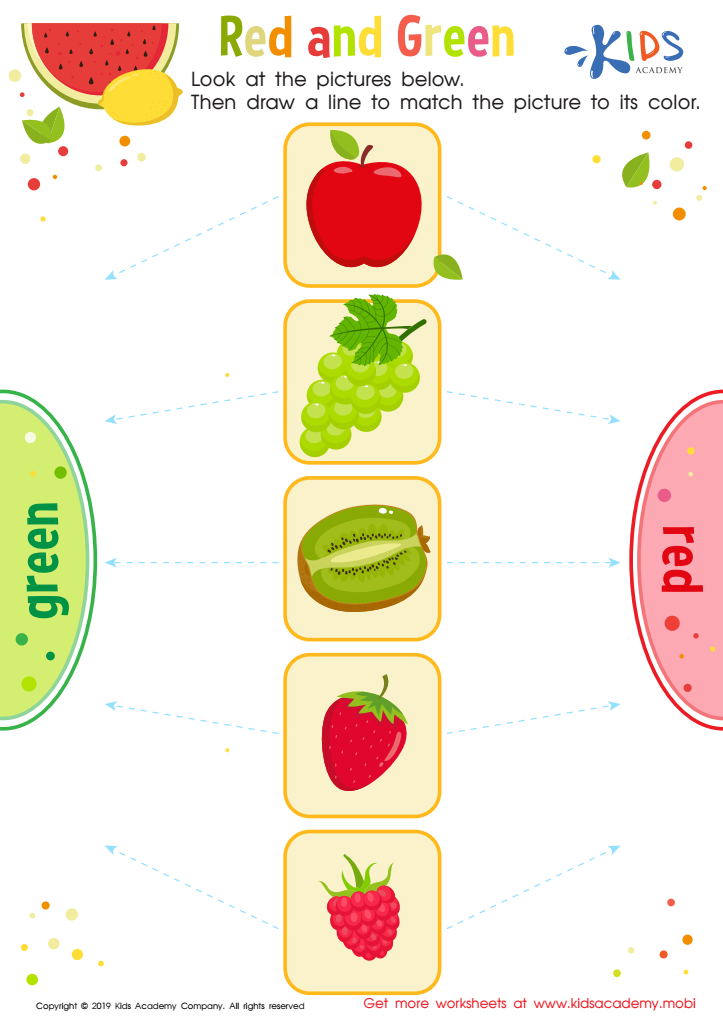
Red and Green Worksheet
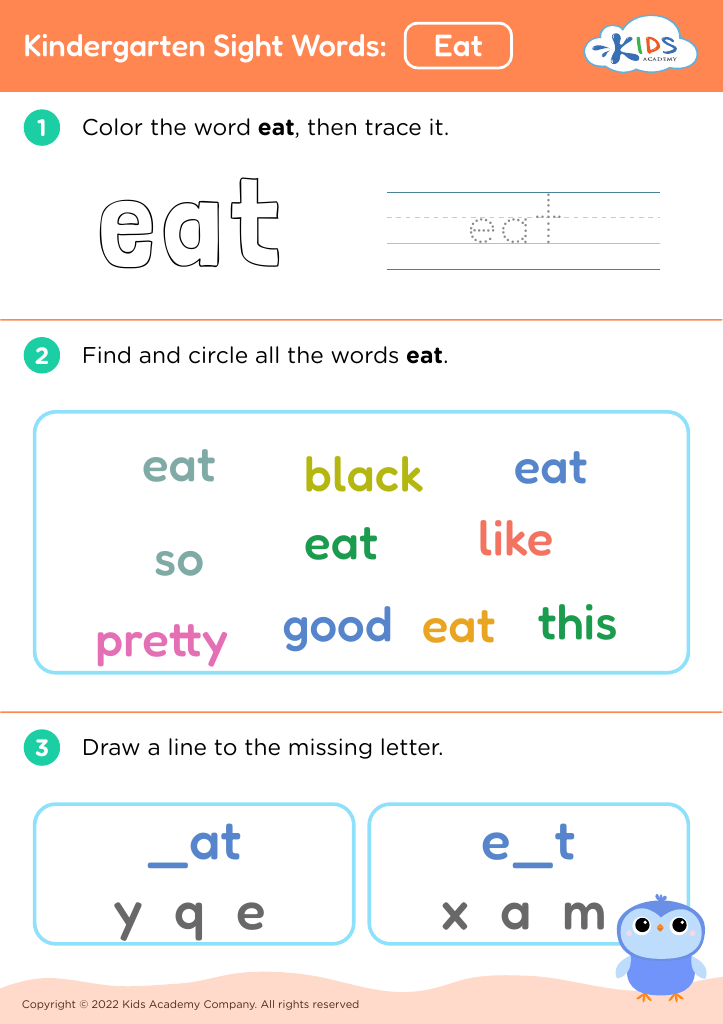
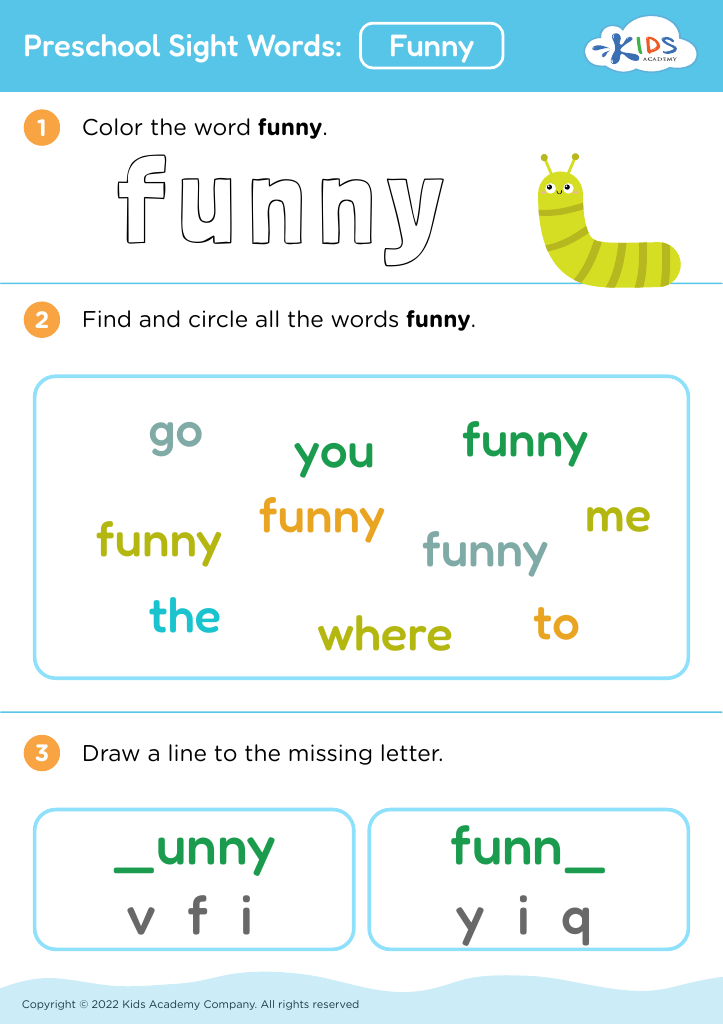
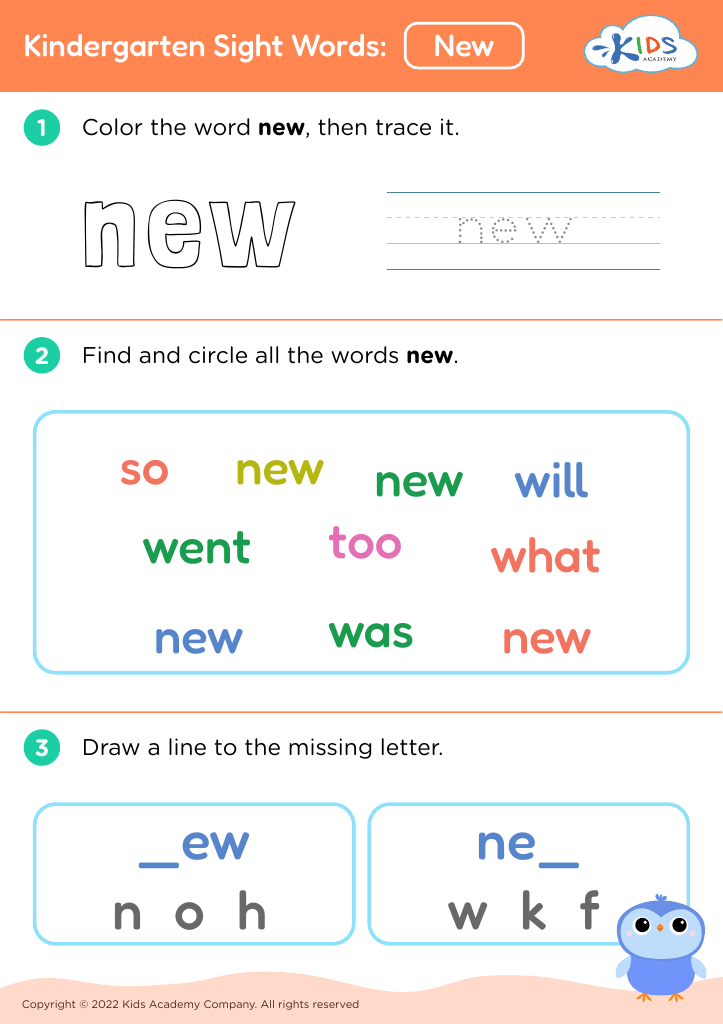
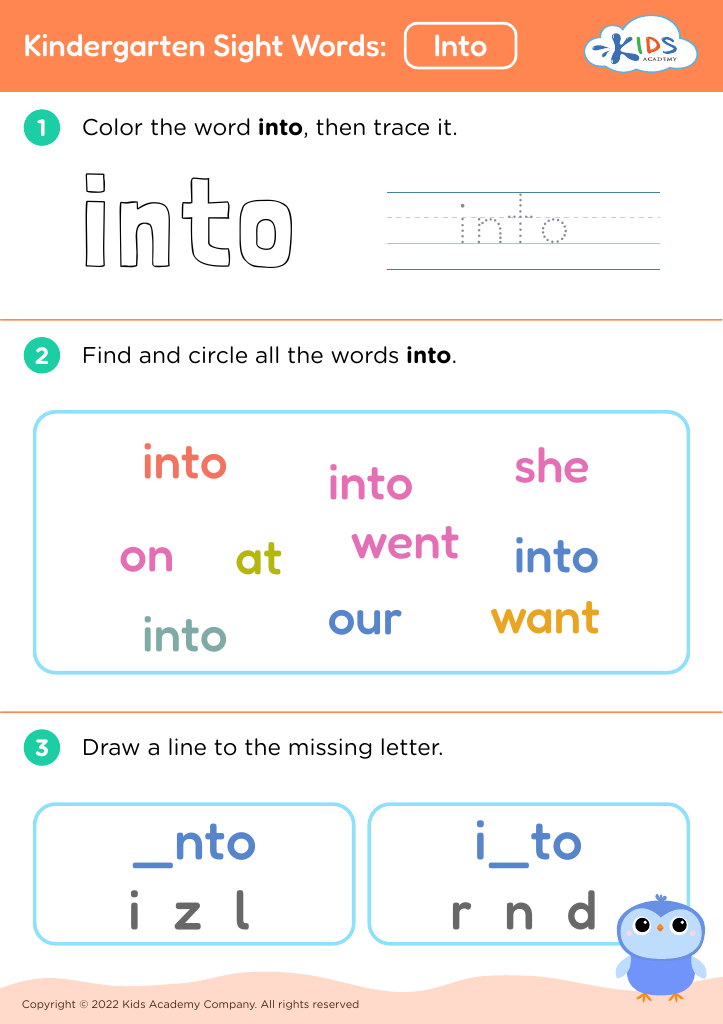








Building vocabulary and following instructions are crucial developmental skills for children aged 4-5, and both parents and teachers play a vital role in fostering these abilities. Firstly, having a strong vocabulary enhances a child's ability to express themselves, communicate their needs, and understand instructions. This age is when children absorb language rapidly, making it an ideal time for exposure to new words through books, conversations, and various activities.
Moreover, following instructions lays the groundwork for successful learning and interaction in group settings. When children learn to listen to and follow directions, they develop essential skills like focus, patience, and cooperation. These skills enhance classroom behavior and social interactions, ultimately preparing them for future educational endeavors.
Parents and teachers should care about these areas because fostering a child’s vocabulary and listening skills contributes to their overall academic success and emotional development. It helps build their confidence and independence as learners, setting them up for a positive attitude toward schooling. In addition, these foundational skills pave the way for critical thinking and problem-solving abilities, essential for lifelong learning. By emphasizing vocabulary and instruction-following, adults empower children to thrive in increasingly complex environments as they grow.








