
Fraction simplification Reading Worksheets for Ages 4-5
5 filtered results
Difficulty Level
Grade
Age
-
From - To
Subject
Activity
Standards
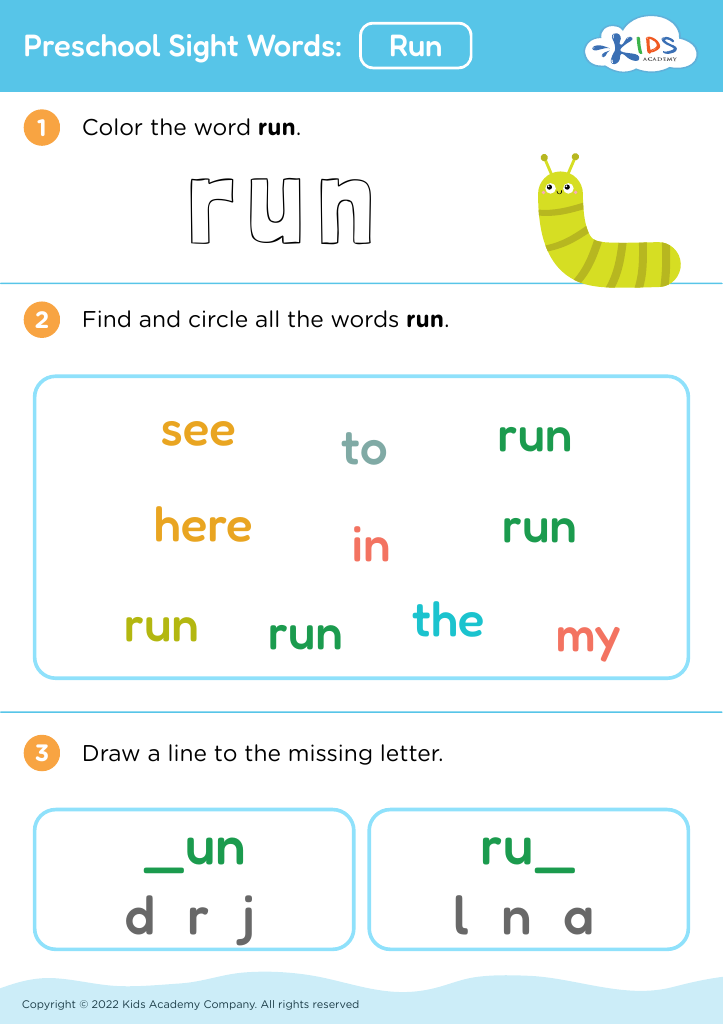
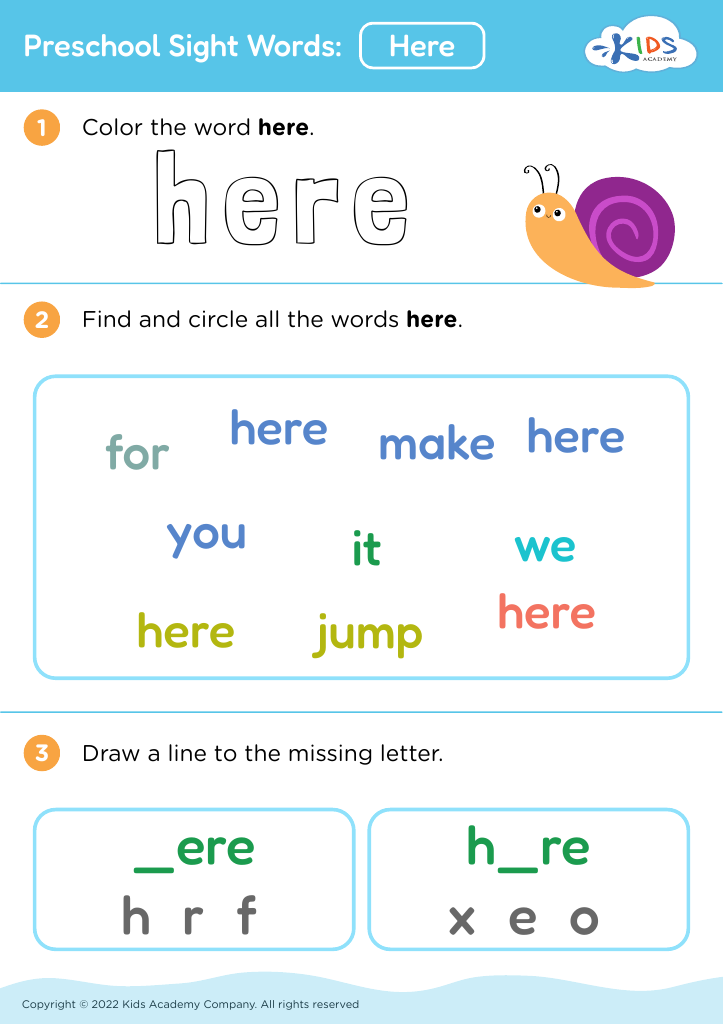
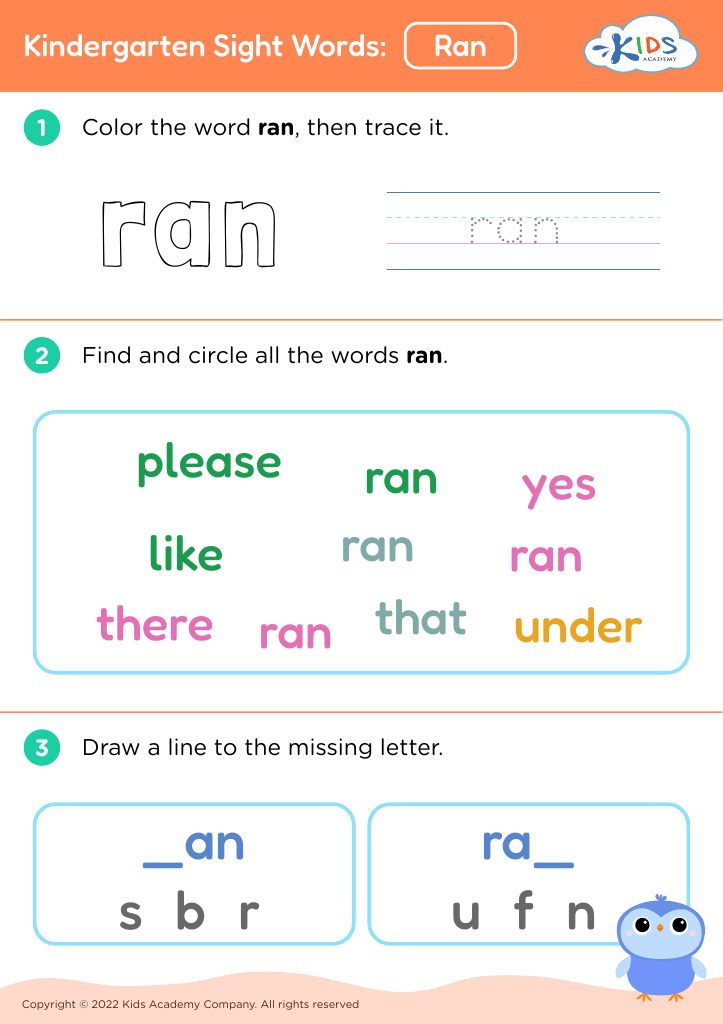
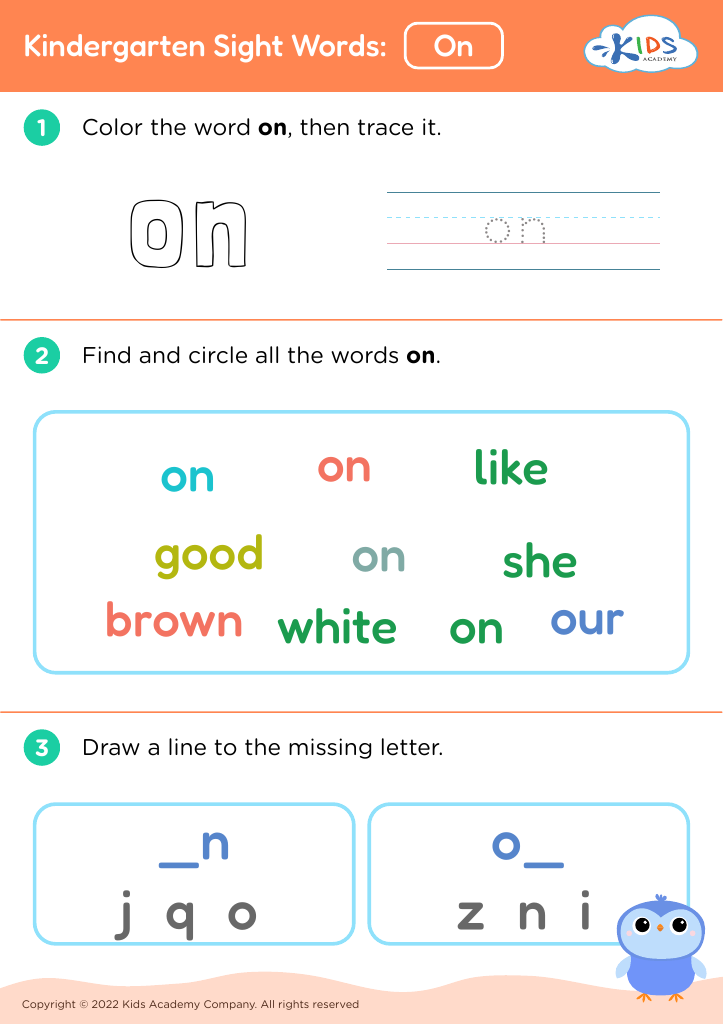
Discover our engaging Fraction Simplification Reading Worksheets specifically designed for children ages 4-5! These interactive worksheets make learning about fractions exciting and accessible, combining visual aids and simple language to introduce foundational math concepts. Young learners can develop their reading skills while they explore fraction simplification through fun activities and relatable examples. Each worksheet is crafted to foster understanding and retention, ensuring that your child grasps these essential early math skills in a playful context. Ideal for both home and classroom use, our resources support early education and lay the groundwork for future success in mathematics. Start your learning journey today!
Favorites
With answer key
Interactive
Join Kids Academy for Free
Who is primarily going to use this learning content?







Teaching young children, especially ages 4-5, about fraction simplification through engaging reading material is crucial for several reasons. First, introducing concepts of fractions at an early age helps develop foundational mathematical skills that will support more advanced learning later on. When parents or teachers read to children about fractions, they can explain the concept in relatable terms, such as sharing a pizza or dividing a cake, making math tangible and exciting.
Moreover, reading comprehension enhances vocabulary and cognitive skills, allowing children to understand and connect new concepts effectively. By discussing stories that involve clearing fractions or breaking things down into smaller parts, parents and teachers teach critical thinking, problem-solving, and the ability to analyze and interpret information.
Additionally, fostering positive attitudes toward math early on can reduce anxiety in future math learning experiences. Engaging stories that incorporate fraction simplification make the subject less intimidating, ensuring children adopt a growth mindset.
Overall, focusing on fraction simplification through reading at a young age not only boosts mathematical literacy but also enriches language skills, laying the groundwork for confident learners who enjoy exploring complex concepts in fun and meaningful ways.








