Phonics Skills Reading Worksheets for Ages 4-5
5 filtered results
-
From - To
Enhance your child's literacy with our engaging Phonics Skills Reading Worksheets for ages 4-5! Designed to support early readers, these worksheets provide a fun and interactive way for young learners to grasp essential phonics concepts. Each worksheet focuses on letter sounds, word formation, and basic reading skills, helping kids build the foundation for successful reading. Perfect for at-home practice or classroom use, our worksheets capture children's attention with colorful illustrations and relatable themes. Encourage a love of reading and support their learning journey with enjoyable, skill-building activities that foster confidence and comprehension. Download now and ignite their passion for reading!
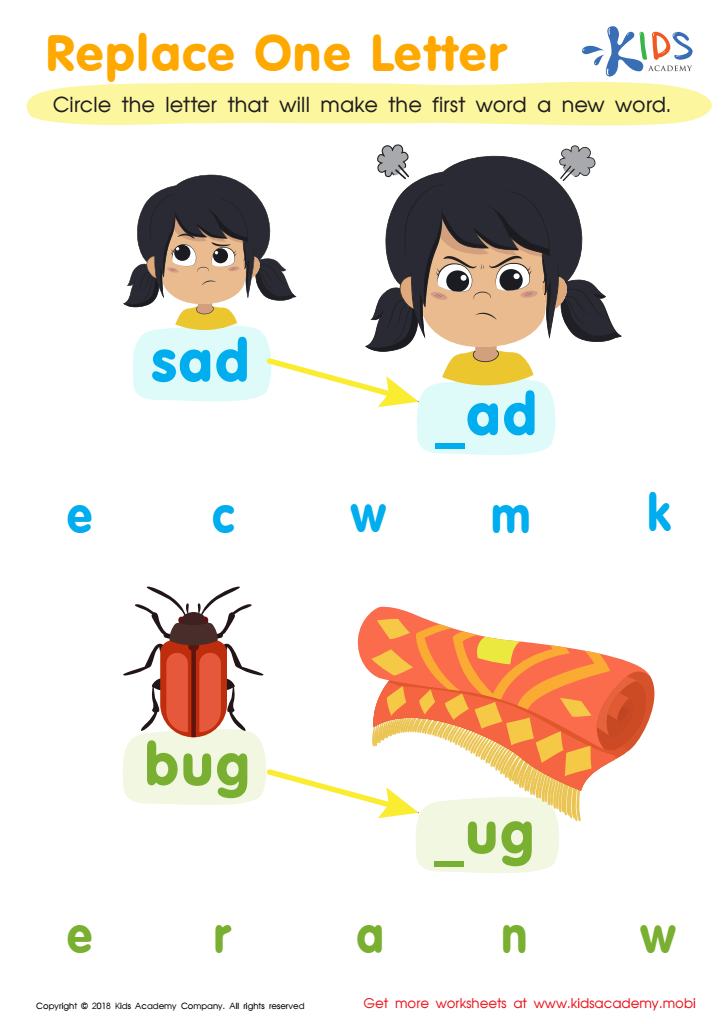
Replace One Letter Worksheet
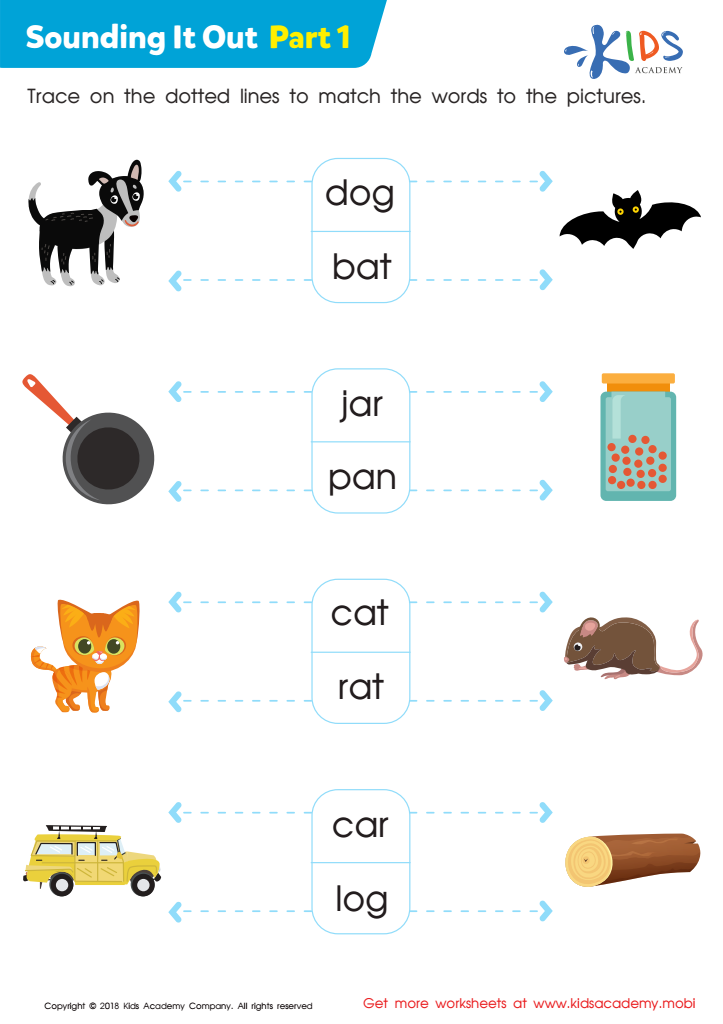
Sounding it Out: Part 1 Worksheet
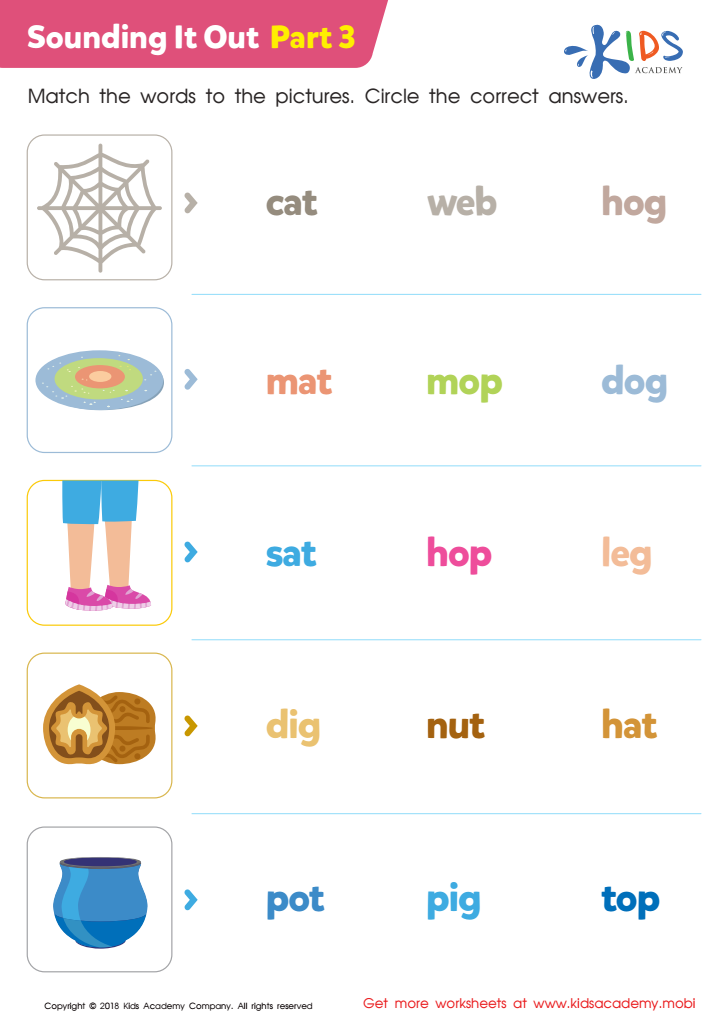
Sounding it Out: Part 3 Worksheet
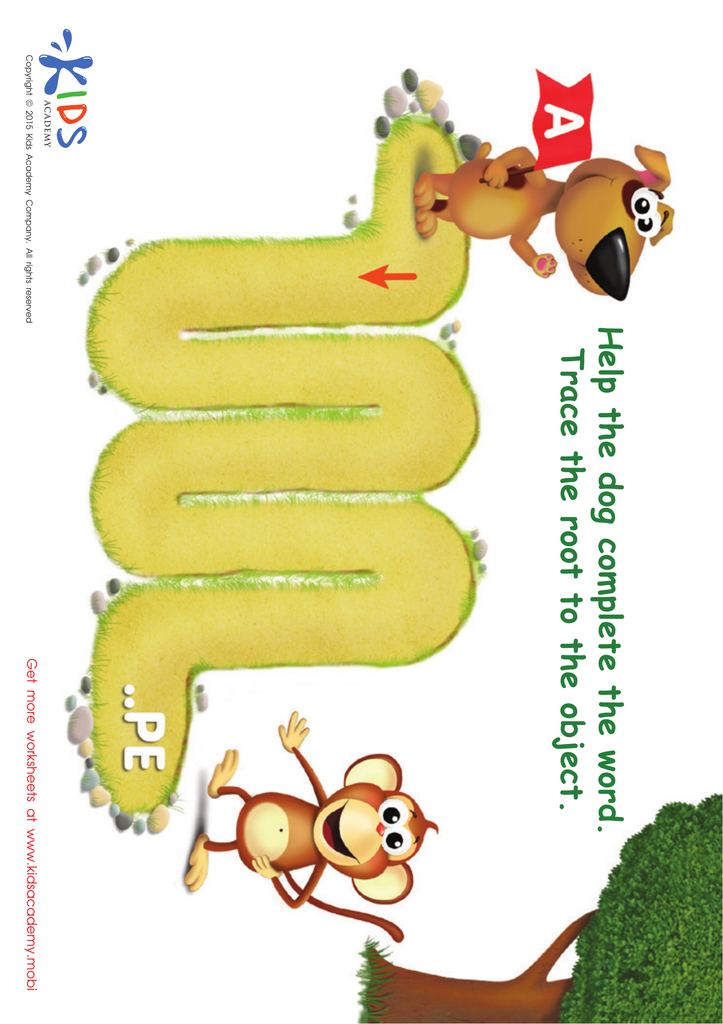
Long Vowel Sound A Worksheet Worksheet

Long and Short E Worksheet
 Assign to My Students








Phonics skills are crucial for children aged 4-5 as they lay the foundation for successful reading and writing. At this early age, learning to recognize the relationship between letters and their corresponding sounds equips children with the ability to decode words, a vital step in literacy development. This skill is particularly beneficial as it enhances a child's ability to sound out unfamiliar words, promoting confidence and a love for reading.
Additionally, strong phonics skills support overall academic achievement. Familiarity with phonics correlates with improved vocabulary, comprehension, and communication abilities. When children grasp the basics of phonics, they become more adept at recognizing patterns in language, which fosters success in later reading and writing tasks.
Parents and teachers play a pivotal role in this developmental phase. By incorporating phonics activities into everyday learning, they can create engaging and supportive environments. This approach not only helps children feel motivated but also strengthens the parent-teacher partnership, ensuring a cohesive approach to literacy.
Investing time and resources in developing phonics skills today can lead to lifelong benefits for children, ultimately equipping them with the necessary tools to succeed both academically and socially.








